The United States is currently avoiding getting involved in an escalation in the Middle East despite the capture of the main alternative strait to Hormuz by Yemen’s Houthi rebels, allies of Iran, and the temporary closure of the pipeline through which Saudi Arabia was exporting its oil. On Thursday, as the insurgent group’s advance consolidated control of the Yemeni west coast over the Bab el Mandeb strait, which connects the Gulf of Aden with the Red Sea, Washington declined to provide military assistance to the Saudi monarchy to repel the armed movement’s progress.
The Donald Trump administration, facing midterm elections in November with unfavorable polls, responded to Riyadh that it had no intention of carrying out direct military action at this time, according to the British news agency Reuters. Later, two White House officials leaked to the American television ABC on Friday that this stance will change if threats to navigation in the Red Sea intensify.
Trump reinforced this stance on Saturday, responding to the press from Ireland that Washington will not intervene against the Yemeni rebels. “The Houthis have called us, and they do not want to fight us,” he said alongside Irish Prime Minister Micheál Martin. “Most vessels are passing [through Bab el Mandeb]. [The Houthis] have problems with one particular country [Saudi Arabia] and we will resolve it.”
In Iran, where authorities demand from the US as a condition to end the war that their freedom to charge fees for navigation through the Strait of Hormuz be recognized, through which used to pass a fifth of the crude oil and liquefied natural gas (LNG) consumed worldwide, a less conciliatory tone is used. Amid celebrations by leaders of the Revolutionary Guard for the Houthi capture of Bab el Mandeb, the head of the parliamentary national security committee, Ebrahim Azizi, stated on Saturday that “as long as the American side does not accept all Iranian conditions,” negotiations with Washington — stalled since the collapse of the memorandum of understanding — “are useless.”
The Iranian Foreign Ministry announced on Friday that Oman will host a meeting next Monday attended by all Persian Gulf countries — including Saudi Arabia, but not Bahrain — and Iran. The meeting, it says, “will promote understanding among the countries of the region and strengthen regional security,” which is interpreted in the region as another step in the distancing between some of those countries and the US.
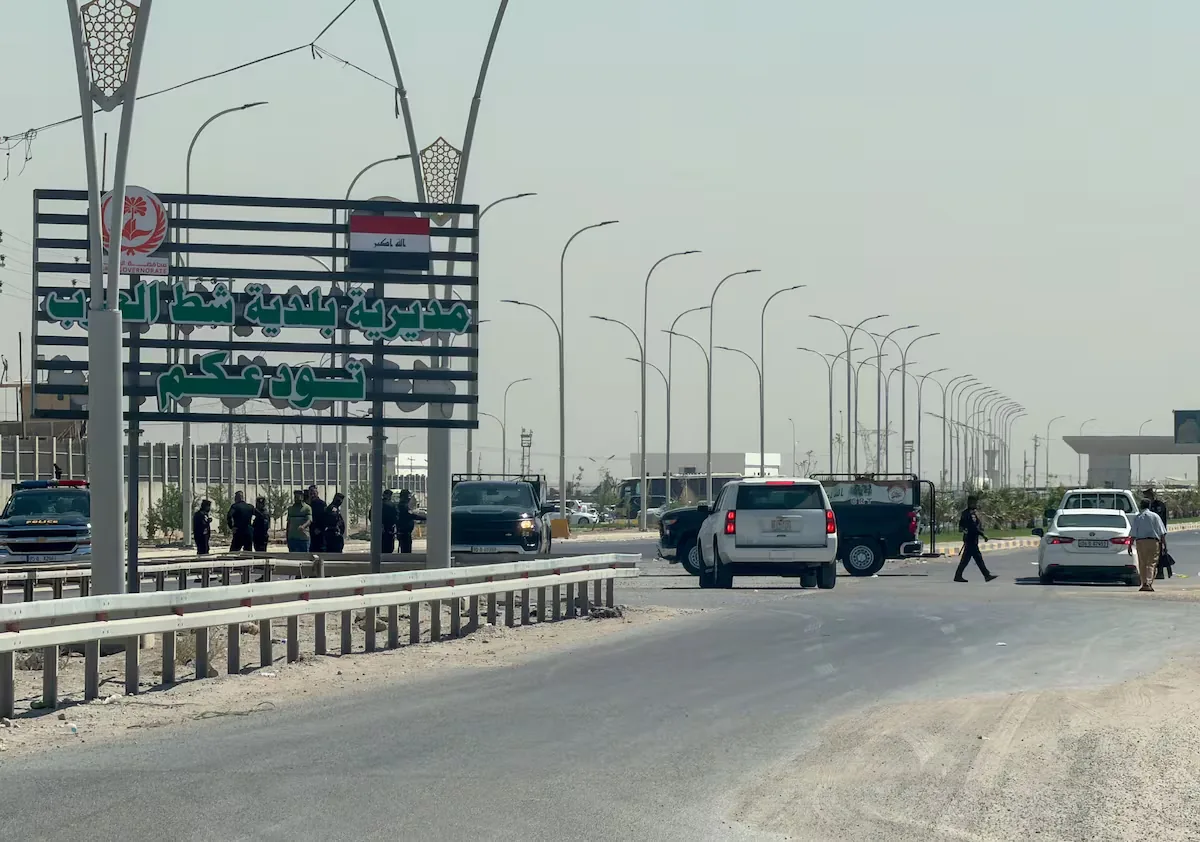
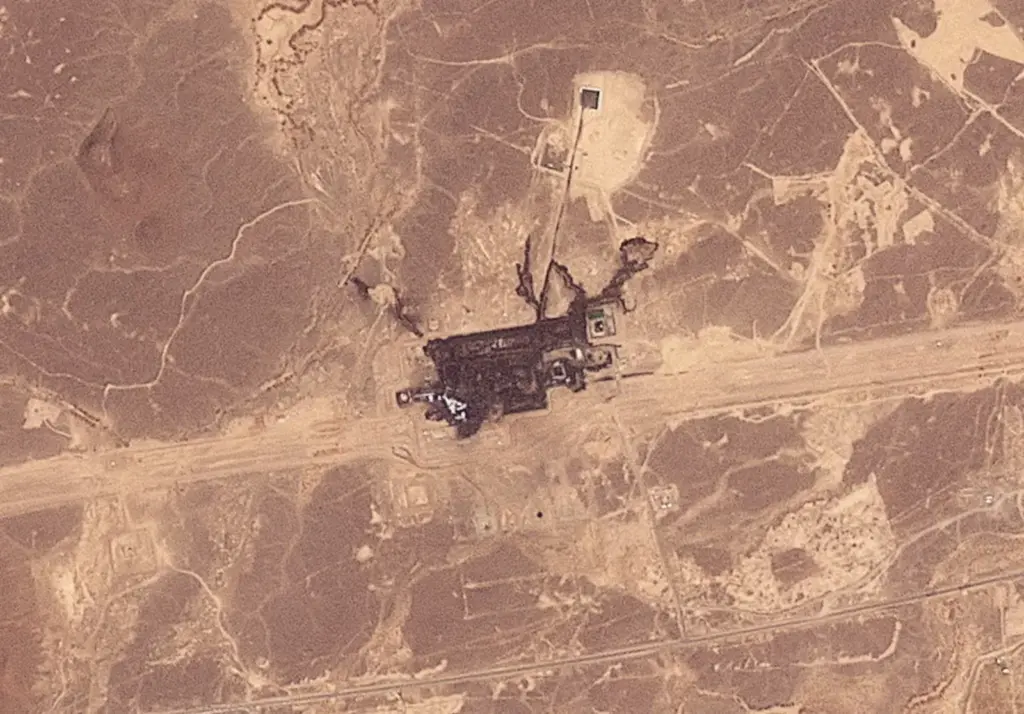
After failing to mobilize the troops of its US ally, Riyadh seems to join the caution and distances itself from speculation about a possible solo counterattack. The monarchy, the world’s largest oil exporter, announced on Saturday that it “will not respond” to the attack by pro-Iranian militias from Iraq against its East-West pipeline, which allows Saudis to market crude from the Red Sea and has been closed since late Friday.
The petro-monarchy instead opts to “give an opportunity” to the Iraqi government “to take the necessary measures” and prevent future attacks. Baghdad, which has confirmed that the aggression originated on its territory, has dismissed in response the military commander of the region from where the drones emerged and has closed a border crossing with Iran.
The US refusal to assist its Saudi ally when it suffers direct attacks, avoiding a new confrontation with a militia that in 2025 resisted previous attacks, damages Washington’s credibility, writes Danny Citrinowicz, a former Israeli military intelligence agent and now an analyst at the Atlantic Council, on social media. The expert anticipates that Riyadh and other Arab White House partners — such as Qatar, Oman, Egypt, and Jordan — “will draw their own conclusions,” and believes that the Gulf governments’ attendance at Monday’s meeting in Muscat demonstrates their preference “for an imperfect agreement with Tehran” rather than remaining “mired in a conflict without clear objectives and with increasingly severe economic consequences.”
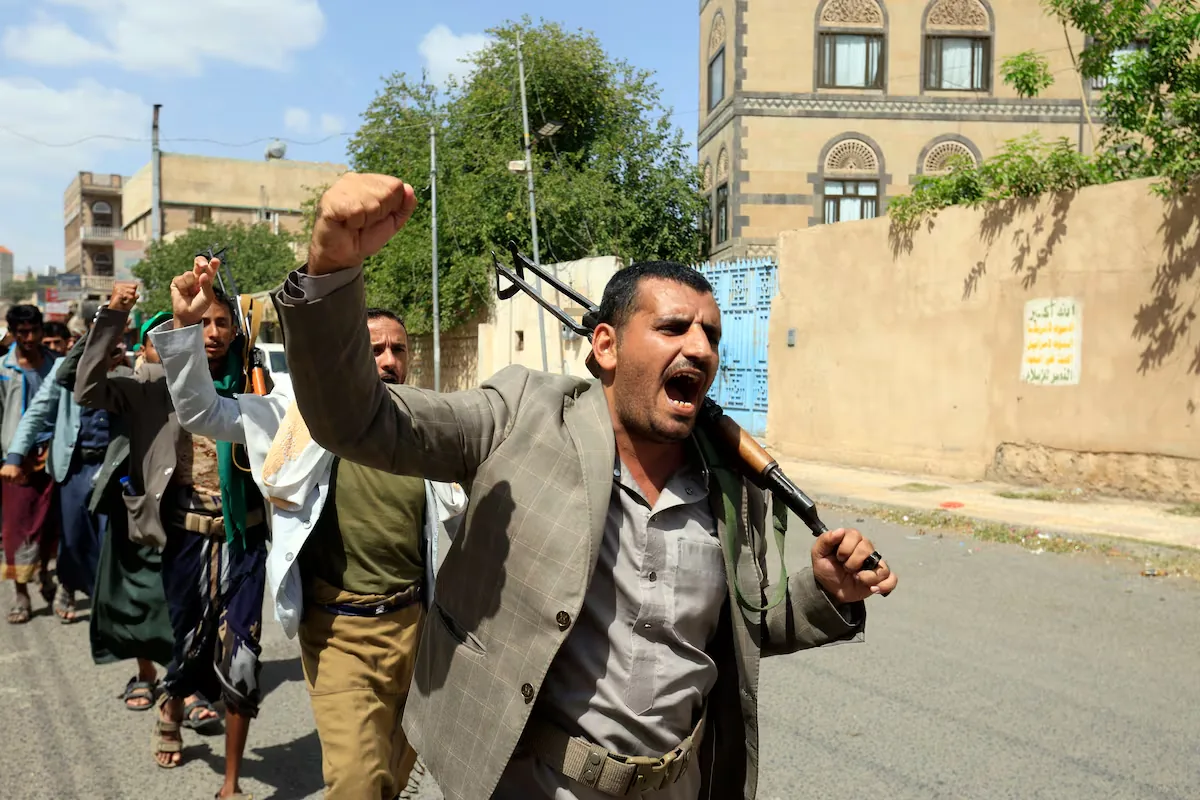
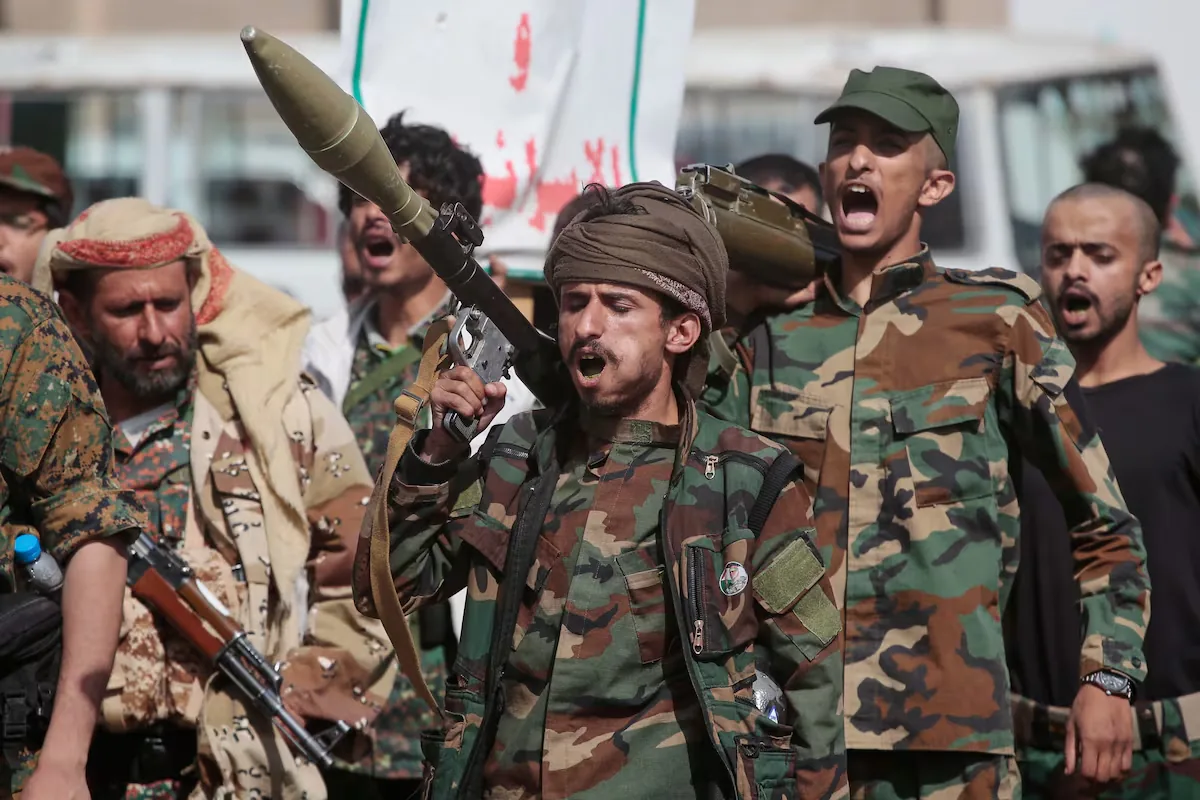
On Friday, the Houthis completed a lightning offensive southward and seized from the internationally recognized government in Yemen — an ally of Riyadh — the last port cities and key islands to oversee traffic through the Bab el Mandeb strait, essential for reaching the Suez Canal, through which 10% of global maritime trade passes — not only energy-related.
Read more The far right shoots up: Germany is no longer the European exception 80 years after Nazism
Iranian authorities, who have the blockade of the Strait of Hormuz as their greatest card in negotiations to end the war with the US, now gain a new pressure tool by potentially intensifying the strangulation of the global energy market.
The hostilities against the 1,200-kilometer Saudi pipeline crossing the Arabian Peninsula represent an additional blow. The petro-monarchy, which thanks to that route was the Gulf country best overcoming the blockade in Hormuz, was exporting through that pipeline almost 5% of global consumption.
This Saturday, the average price per barrel of oil again exceeded 100 dollars (about 86 euros), far from the 70 dollars it was priced at in February, before Iran cut the Strait of Hormuz in response to the offensive launched by the US and Israel against Tehran.
Blockade against Riyadh
The Yemeni rebels claim they will only prevent navigation through Bab el Mandeb for Saudi companies. They frame the action within the conflict they have maintained since 2014 with the internationally recognized Yemeni government.
Riyadh has been trying since early September to contain the Houthi advance with dozens of bombings, in what is the worst war episode in Yemen since a fragile truce promoted by the United Nations in 2022. The latest round of fighting has forcibly displaced 50,000 people from their homes, according to UN figures, worsening a humanitarian crisis that has lasted more than a decade in the country, in which more than half the population — about 22 million people — require humanitarian aid.
A final Houthi advance under the direction of the Iranian Revolutionary Guard, which according to Iranian and Yemeni sources cited by Reuters had transferred senior officials to Yemen, captured in the last 48 hours the port city of Mocha and the island of Mayun (also known as Perim), located in the middle of the strait, 28 kilometers wide.
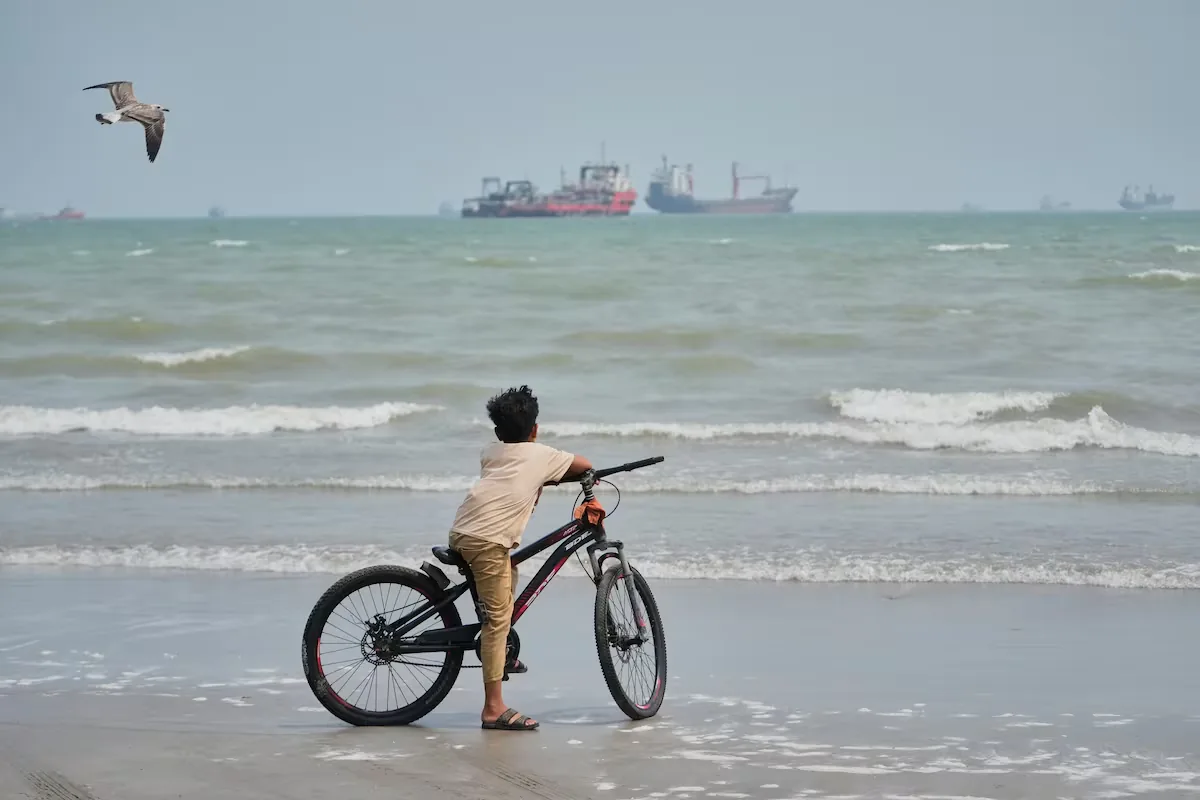
The pro-Iranian organization’s control of the area makes navigation through Bab el Mandeb even more vulnerable. Despite its renewed importance since the blockade started in February in Hormuz, traffic through that route had fallen 60% since late 2023, when the Houthis launched the first assaults against vessels linked to Israel in what they presented as a gesture of support for the Gaza Strip.
On that occasion, many shipping companies chose to go around the African continent to reach European markets. That scenario, which meant increased costs and delays, could repeat now, just as the US seeks to avoid rising energy prices. Washington, which maintains the blockade of Iranian ports, launched in August a new package of direct and indirect sanctions aimed at isolating Tehran, in a pressure strategy seeking to force Iran to surrender. A scenario that, for now, seems distant.
Read more Céline Dion kicks off a 26-concert marathon in Paris