









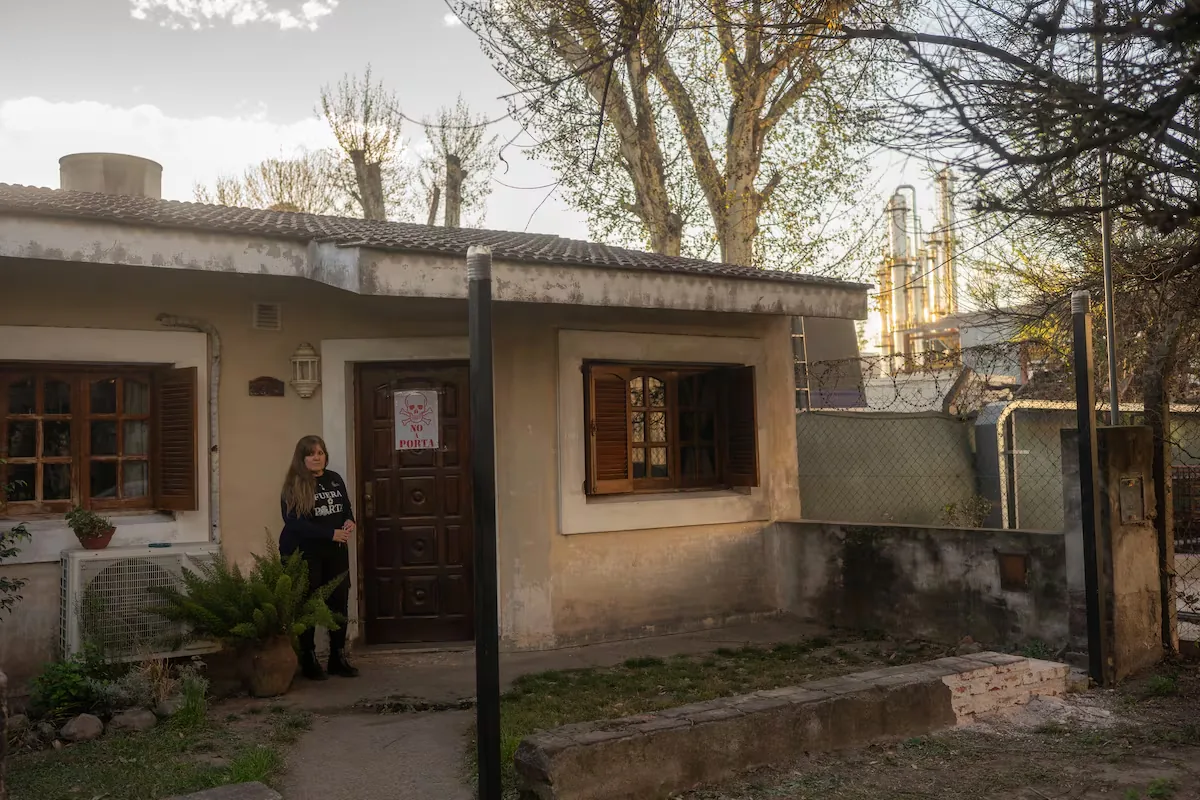
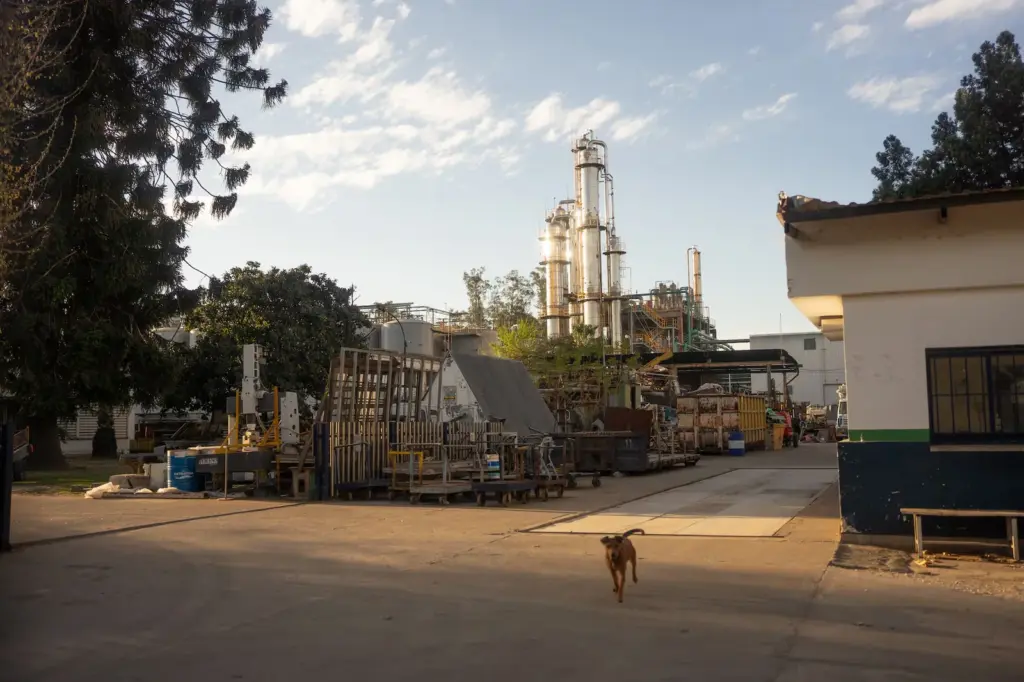
Sometimes it smells like alcohol. Other times like something sweet and pungent that seeps into houses. There are days when the air carries the smell of rotten eggs and others, especially in summer, of ferments and pigsty; of matter in a state of decomposition. On those hot days, when opening the windows becomes impossible, even the neighbors who usually stay out of the conflict launch heated complaints in the community WhatsApp groups. The residents of the San Antonio neighborhood, in the south of the Argentine city of Córdoba, are used to living alongside the Porta Hermanos bioethanol plant and yet, there are days when the environment becomes unbearable for them.
Read more The far right shoots up: Germany is no longer the European exception 80 years after Nazism
―But that is the least important thing ― says Silvia Cruz, 59, who lives separated by just a wire from the factory, with the distillation towers framing her house. ―The worst is that we live in fear. Fear of what we breathe, fear of having an incurable disease that comes from these chemicals.
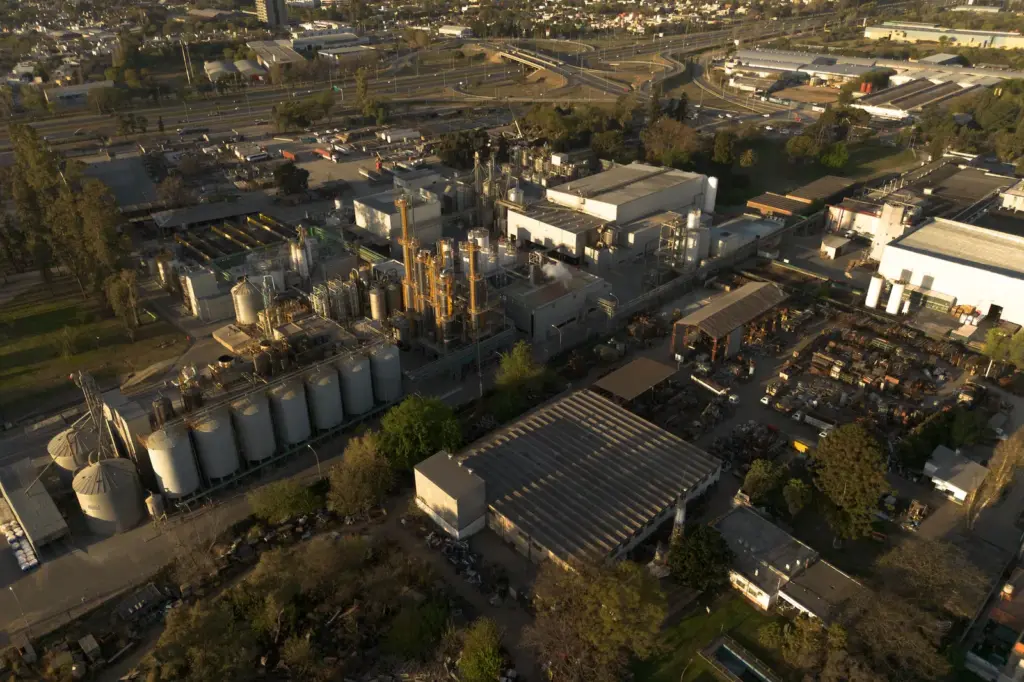
Porta Hermanos was founded in 1882 as a liquor factory by members of an Italian-origin family and over the years expanded to become a company producing alcohols, spirits, vinegars, and balsamic acetos, among other products. Since 1995, its plant has been located in the San Antonio neighborhood, where coexistence with the neighbors broke down in 2012 when the company expanded its facilities and began producing bioethanol from the fermentation and distillation of corn. The company never conducted an Environmental Impact Assessment (EIA), a procedure required by provincial law No. 10,208 since 2014, the year it was enacted. The company has maintained that the obligation does not apply to production that was already underway when the regulation came into effect, even when the courts have demanded it on multiple occasions.
With bioethanol, according to the neighbors, odors, noises, and vibrations multiplied, and ailments began to appear that they attributed to this new atmosphere: eye itching, headaches, and skin, digestive, and respiratory problems. They also reported serious illnesses and malformations that, according to surveys conducted in the area, appeared with unusual frequency.
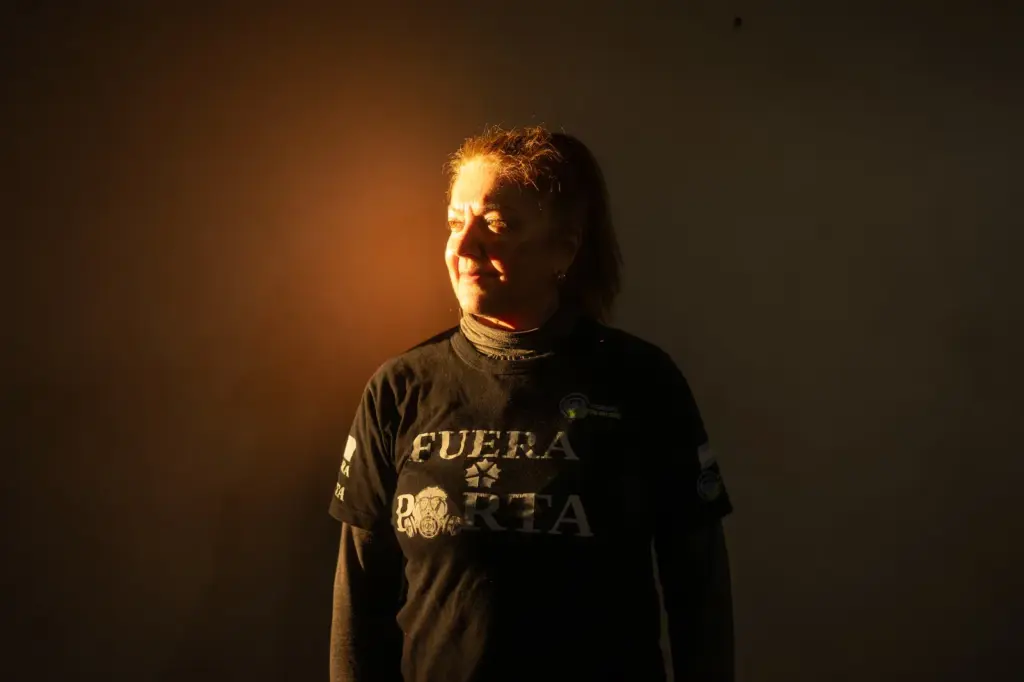
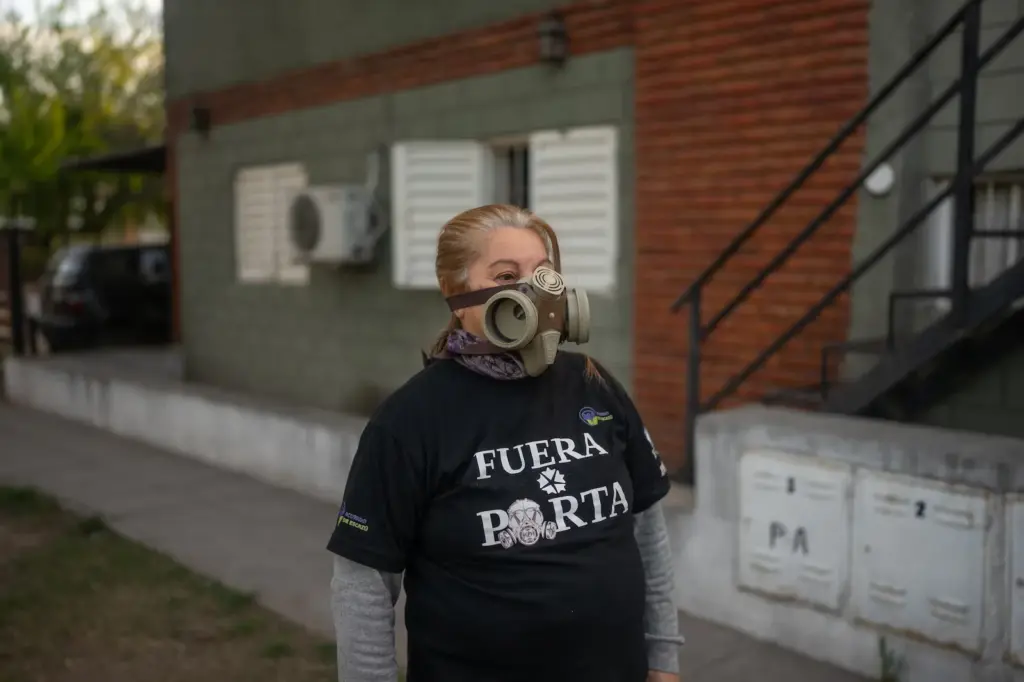
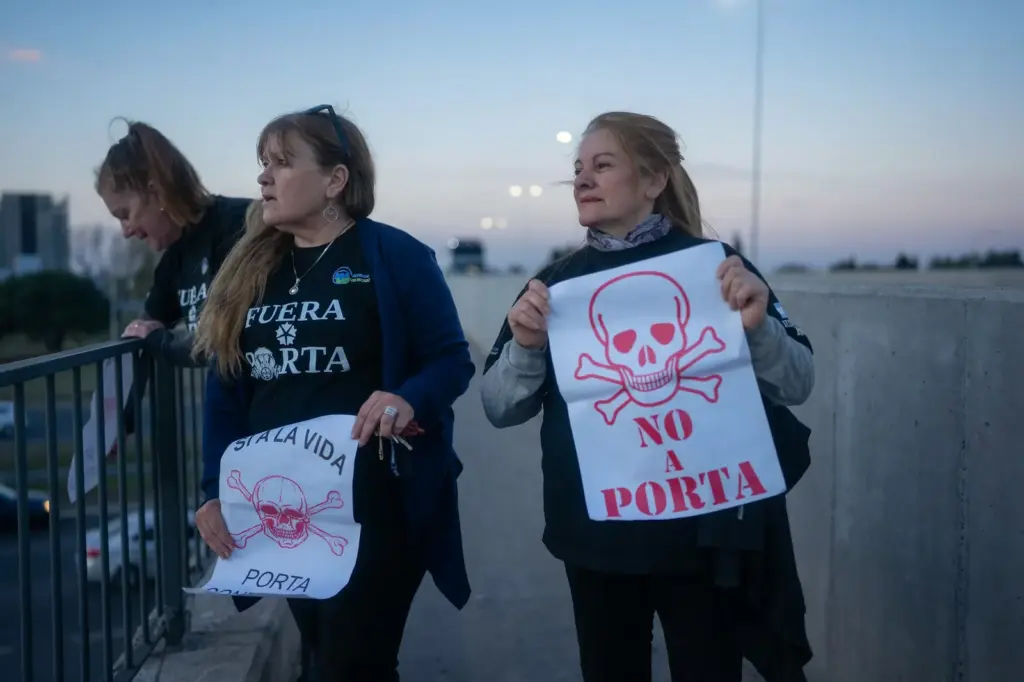
The women of the neighborhood, organized in United Neighbors in Defense of a Healthy Environment (VUDAS), initiated a collective environmental protection action against the National State in 2016 and demanded the cessation of pollution and the closure of the plant. It was the beginning of a long judicial path that in recent weeks had a new chapter. On August 3, the Federal Chamber of Córdoba confirmed for the fifth time that Porta must carry out the Environmental Impact Assessment.
In parallel, the Inter-American Commission on Human Rights (IACHR) formally opened a case against the Argentine State following a complaint filed by Fundeps along with the neighbors. The body will analyze whether the State failed to fulfill its obligations to protect rights such as a healthy environment, health, citizen participation, access to information, and effective judicial protection. It will also have to evaluate the performance of public agencies responsible for environmental control and the effectiveness of the administrative and judicial responses provided.
According to Fundeps lawyer María Laura Carrizo, the provincial Environment Secretariat has systematically refused to require the environmental impact study from the company. Instead, it has accepted audits and permits that the courts have already deemed insufficient. When consulted by EL PAÍS, the company preferred not to make statements.
Environmental exiles
“When the distillery started operating, more and more neighbors came with the same complaints: cases that, if seen individually, seemed allergic, but were actually toxic cases,” points out doctor Medardo Ávila Vázquez, who works at the hospital of the National University of Córdoba. “Respiratory, conjunctival, throat, and skin cases,” he details. And he points out something that at that time seemed striking: patients felt better when they left the neighborhood to work and worsened when they returned home to rest.
The neighbors took it upon themselves to generate evidence and, over the years, participated in various medical and environmental studies. The most extensive survey, conducted in 2016 on 508 inhabitants, found respiratory disorders in 53% of the population studied. It also recorded four congenital malformations among 27 births that occurred in the neighborhood during the analyzed period: 14.8%, compared to 1.7% recorded as a reference for the city of Córdoba.
Read more Céline Dion kicks off a 26-concert marathon in Paris
Years later, two studies sought signs of exposure to chemical substances and possible effects on cells. In one of them, conducted between 2019 and 2020 on 20 children and adolescents from the San Antonio and Inaudi neighborhoods, all presented metabolites of the analyzed products in their bodies. Additionally, 67% had cellular alterations compatible with genetic damage. In another study, conducted in 2021 on 40 adults, 72% presented toluene metabolites and 65% showed cellular alterations compatible with genetic damage. Although these studies alone do not establish a causal relationship between Porta’s emissions and the observed diseases or alterations, they at least show an atypical situation that deserves evaluation.
For lawyer Carrizo, “today living near the factory is almost a political decision of resistance.” Many people left the neighborhood as soon as they had the chance, becoming, in Carrizo’s words, “environmental exiles.”
Gabriela Aguilar, 52, is one of those people who had to move on medical advice. She worked as a teacher in a neighborhood school, as did her husband, a music teacher. “I had lived there since ’96 and had no plan to leave. That house, which is an inheritance advance, is the only thing we have. Being a teacher, it’s very hard to have such a nice house and we had put a lot of effort into it, we had built a recording studio. We left our whole life project there with that house,” she recalls.
The recommendation from her doctor came after a series of “very terrible illnesses” that afflicted her, her husband, and their four children. “Our life changed when we left,” she says. Although she remembers it was a very difficult decision, she regrets not having left sooner. “I always had patches on my eyes, with a lot of pain: I had ulcers and very damaged eyes. Six months after leaving, I went back for an eye check-up and the doctor couldn’t believe it was the same person,” she recalls.
A complex bond
The company, which is embedded in a densely populated area, is intertwined with the neighborhood in several ways. Many neighbors work at the plant, which also funds internship programs for students from local educational institutions and has even bought the homes of some neighbors who have left. The relationship with the community is, therefore, complex. According to the women organized in VUDAS, there are neighbors who “deny” the reality and live with their ailments and others who even complain about the struggle because they consider it depresses the value of their properties
Despite the conflict, Porta Hermanos is a certified B corporation (“We deeply believe in using the company as a positive force to improve the world. We add value at the source, inspired by a triple positive impact,” it explains on its official site). It is also a relevant player within the agro-industrial ecosystem, in a province where that sector has considerable economic weight. For Fundeps, that importance helps explain the attitude that state authorities have had toward the conflict.
Gabriela Aguilar says she decided to rent and not sell her home in San Antonio because she trusts that “justice will be done” and she can return to her neighborhood. “Although I know it’s a very unequal fight against very powerful people,” she deflates. The developments of the last month gave the neighbors hope. If the environmental impact study required by the courts is carried out, they will finally be able to clarify what is in the air they breathe — in the air they fear. The Inter-American Commission, on the other hand, will expose whether for more than a decade the State did not do enough to protect them.
Read more Marc Márquez hits the Aprilias in Misano and takes the San Marino GP ‘sprint’