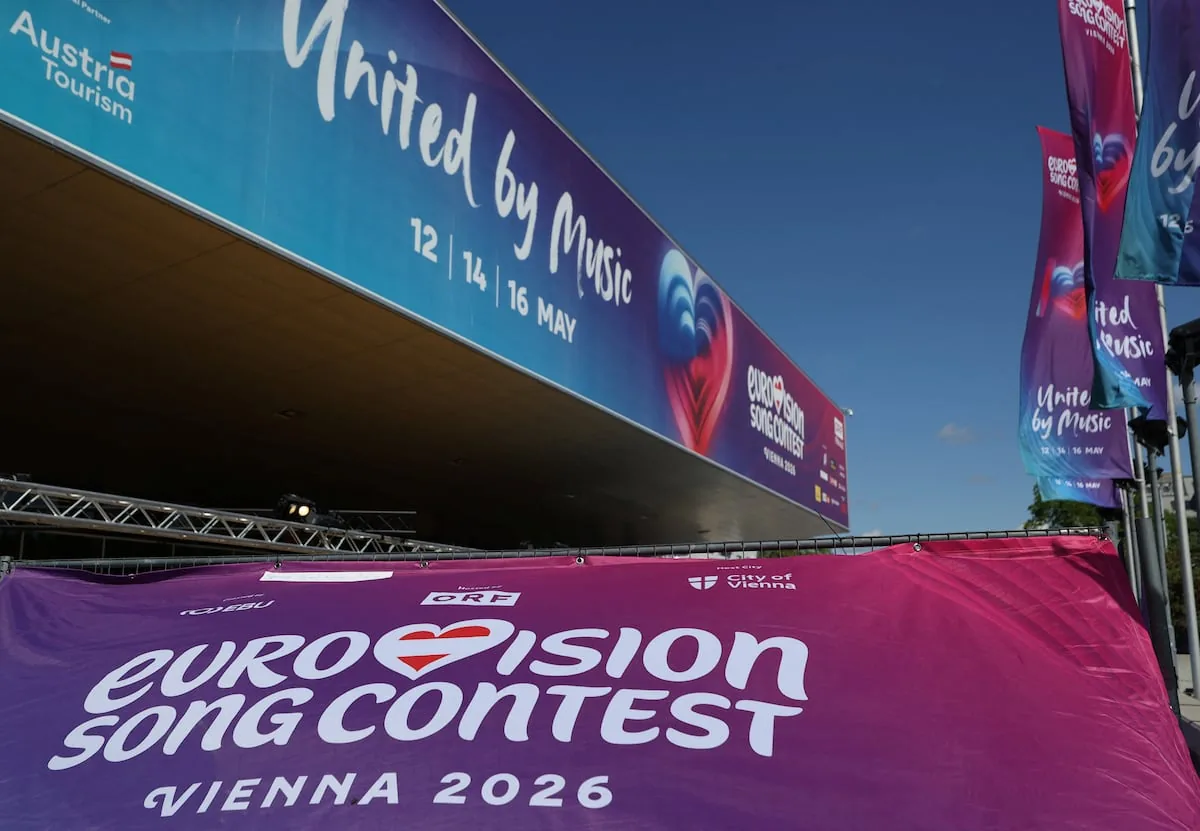






Dara won Eurovision 2026 by surprise this Saturday representing Bulgaria with the urban rhythms theme Bangaranga. Her resounding victory, with 516 points, prevented Israel’s win, which continues to keep the festival on edge with its presence. Their song Michelle, performed by Noam Bettan, finished in second place with 343 points (220 of them from the televote). This is the first edition since 1961 in which Spain did not participate, one of the five countries that withdrew from the competition months ago.
Read more Venezuela hands over Alex Saab to the United States, alleged frontman for Maduro
The 27-year-old has only released two albums to the market, but she is one of the most recognized artists in her country’s music industry. And she has just given Bulgaria its first victory in the history of the contest, convincing both viewers and the jury. Dara studied at the Dobri Hristov National School of Arts, specializing in Bulgarian folk singing, which gave her musical culture and solidified her vocal technique, although she later opted for a more modern and international sound.
The country has participated intermittently in this competition in recent times, citing several times that it could not meet its financial demands. In fact, it had not taken part in the 2023, 2024, or 2025 editions, but did find a budget to return this year. Now the question remains how it will finance the high costs necessary to be the Eurovision host next year. Or which country will be if Bulgaria declares itself unable to take on that responsibility.
Israel’s result in the popular vote remains strong, although modest compared to recent years. It comes after receiving a formal warning last week from the contest’s executive director, Martin Green, for ads in Spanish and other languages that appeared on social media, something prohibited by the festival’s rules. In them, the Israeli representative asked to dedicate the 10 possible votes per device to their proposal. Last year, the rules allowed collecting double. The videos continued to appear for several days despite this warning. Finally, Green decided not to act on it, even though such actions led RTVE last year to request an external audit.
Romania’s third place (296 points) was also unexpected. Singer Alexandra Căpitănescu combined rock and electronic in the controversial Choke Me (Strangle Me). In fact, it was the audience that placed her in that position by awarding most of their points. Delta Goodrem, Australia’s great hope, with a style similar to Céline Dion, settled for fourth place (287 points) with Eclipse.
The professional jury vote was very spread out, awarding each of the 12 points from the 35 participants to many different countries. Finally, their favorites were, in this order, Bulgaria, Australia, Denmark, France, and Finland. Israel was eighth for the professional jury. But, as always, the audience ruled by awarding 312 points to Bulgaria, far ahead of the rest.
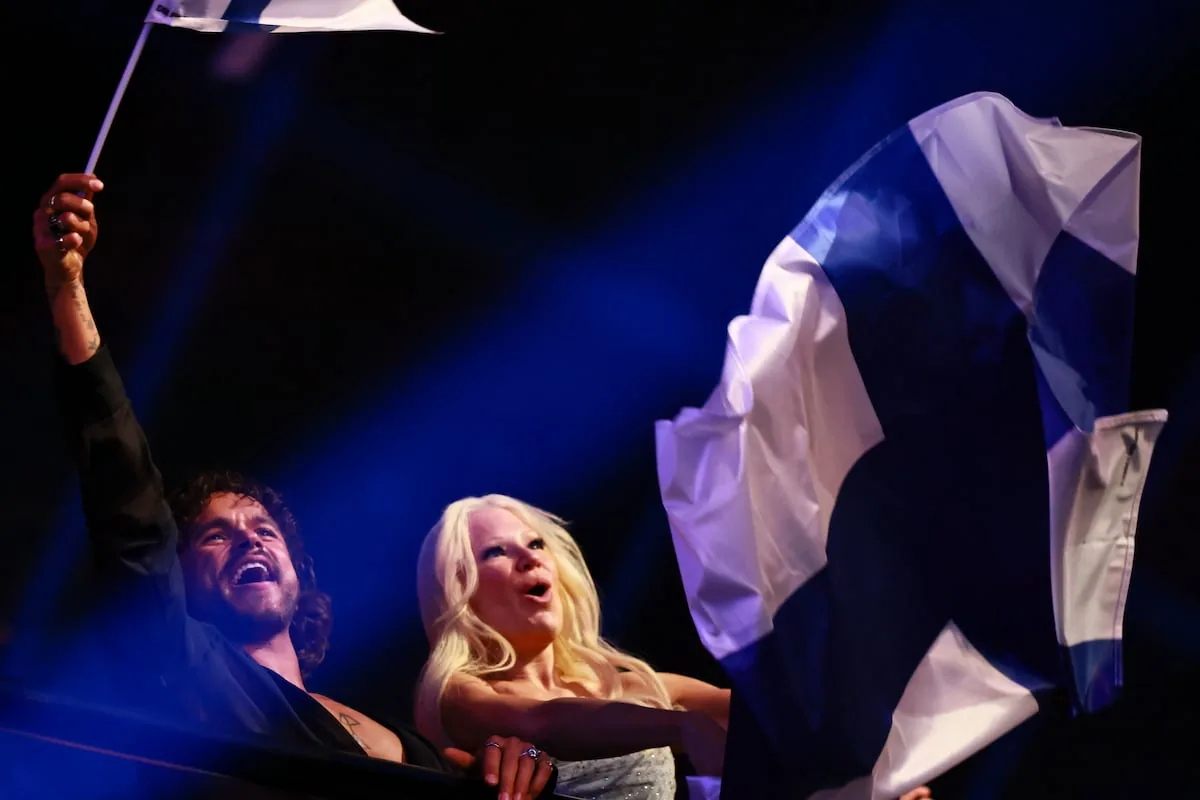
Finland’s sixth place surprised, as it was a clear favorite in the bets, with a final 279 points, and Sweden’s poor performance, one of the contest’s great powers, which is not used to finishing in twentieth place, with only 51 points in total.
Read more A man shot dead on the street in Barcelona
JJ, last year’s winner, performed the song that gave him victory in 2025, Wasted Love, again at the start of the night. He did so with a much more grandiose staging (and therefore more untimely) than the tragic minimalism that Spanish artistic director Sergio Jaén designed for him in the previous edition. Another Austrian Eurovision milestone, Rise like a Phoenix, was also played during the night, reviewing all the winners of these 70 years of history and just before announcing the results. It was an instrumental version, without the presence of Conchita Wurst, who declined to perform in this final for personal reasons that, she assures, have nothing to do with politics.
Regarding the television quality of the gala, the presenting duo formed by Victoria Swarovski, heir to the famous glassware empire, and comedian Michael Ostrowski only rhymed in one thing: their surnames. Among Austria’s successes as this year’s host is the Viennese café atmosphere created for the green room, the area where artists wait for the votes after performing. The guest artists (and their stagings) who participated during the interval before announcing the scores also shone.
“Invading a country is not grounds for expulsion”
Although 72,736 deaths by Israeli fire in the Gaza Strip have been confirmed since October 2023, according to the latest report, Martin Green, Eurovision director, made it clear that he does not care what Israel does in Gaza. He only focuses on whether the country cheats obviously in the contest. He said the same about Russia, commenting this Friday that “invading a country is not grounds for expulsion from Eurovision.” Green recalled that Russia “was suspended by the EBU because it was controlled by the government, something that goes against the rules.” And because there was “a global consensus among members when making that decision.” He also assured in that video interview that the country could “theoretically” return if it wanted, even if the war in Ukraine continues. This Saturday he qualified his words, stating that “there are no ongoing talks” with VGTRK, the country’s state radio and television company.
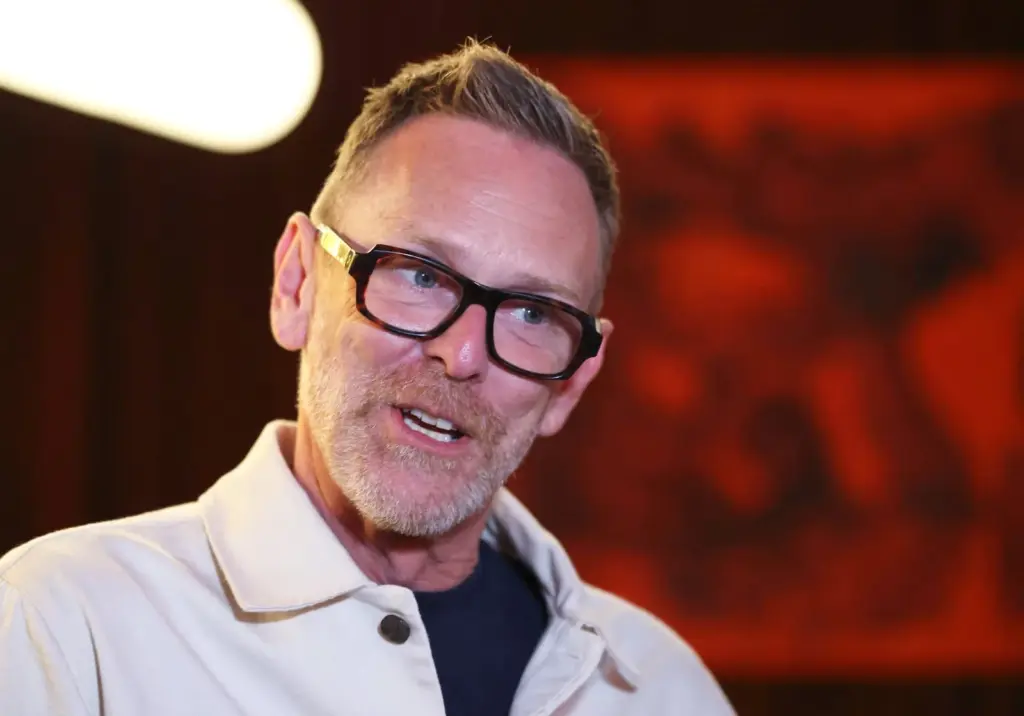
José Pablo López, president of RTVE, condemned these words on his Twitter (now X) account and asked the EBU to formally reject them, because “they destroy the image of the contest and hinder Spain’s return.” The Spaniard recalled that months ago he predicted that “Eurovision would open the door to Russia in the middle of the invasion of Ukraine just to justify its double standard with Israel. A flagrant insult to European values.” Hours later, RTVE showed a poster just before the 9:00 PM news: “The Eurovision festival is a contest, but human rights are not. There is no room for indifference. Peace and justice for Palestine.”
Regarding this message and RTVE’s refusal to broadcast Eurovision, Green explained to EL PAÍS at the Wiener Stadthalle, the venue where the final is held, that the festival will “do whatever it takes to get Spain back. Even when absent, its historical influence on this contest is felt,” he defended. And the head of all this is holding open days; in the middle of a campaign to regain members or attract some new ones after an edition in which only 35 countries participated (the lowest number since 2004). That means losing the million-dollar fees each member pays to broadcast and compete in the contest. For this reason, Green also takes advantage of Canada acting for some time as if it were the 28th member of the European Union, united by common rejection of Donald Trump. This week, he told the BBC that although the North American country “has not yet sent a formal request, it is more than invited to do so.” And on top of all this, the festival’s expansion plan already includes a sister version. The first edition of Eurovision Asia is confirmed for November 14, 2026, to be held in Bangkok (Thailand) with at least 10 countries competing.
Read more Can Spain participate in Eurovision again? What will happen next year?