









The automotive giant Stellantis, one of the largest car manufacturers in the world with brands such as Fiat, Peugeot, Citroën, Opel, RAM, Chrysler, Jeep, or Maserati, wants to make a major shift in its business after recording its first losses in its short history last year.
Read more The police arrest three people as accomplices in the crime of the singer Matías de Paula
The group born in 2021 from the merger of the French PSA group (Peugeot and Citroën) and the Italo-American Fiat Chrysler Automobiles (FCA) posted a loss of 22.332 billion euros last year as a result of the ups and downs of its electric car plans. The results were felt like thunder in the offices of the motor giant in Turin, Paris, and Detroit. It meant the replacement of its historic CEO, Carlos Tavares, by a man with deep knowledge of the company, Antonio Filosa, who, in fact, before reaching the position, was the chief operating officer in America, where the group has held its own.
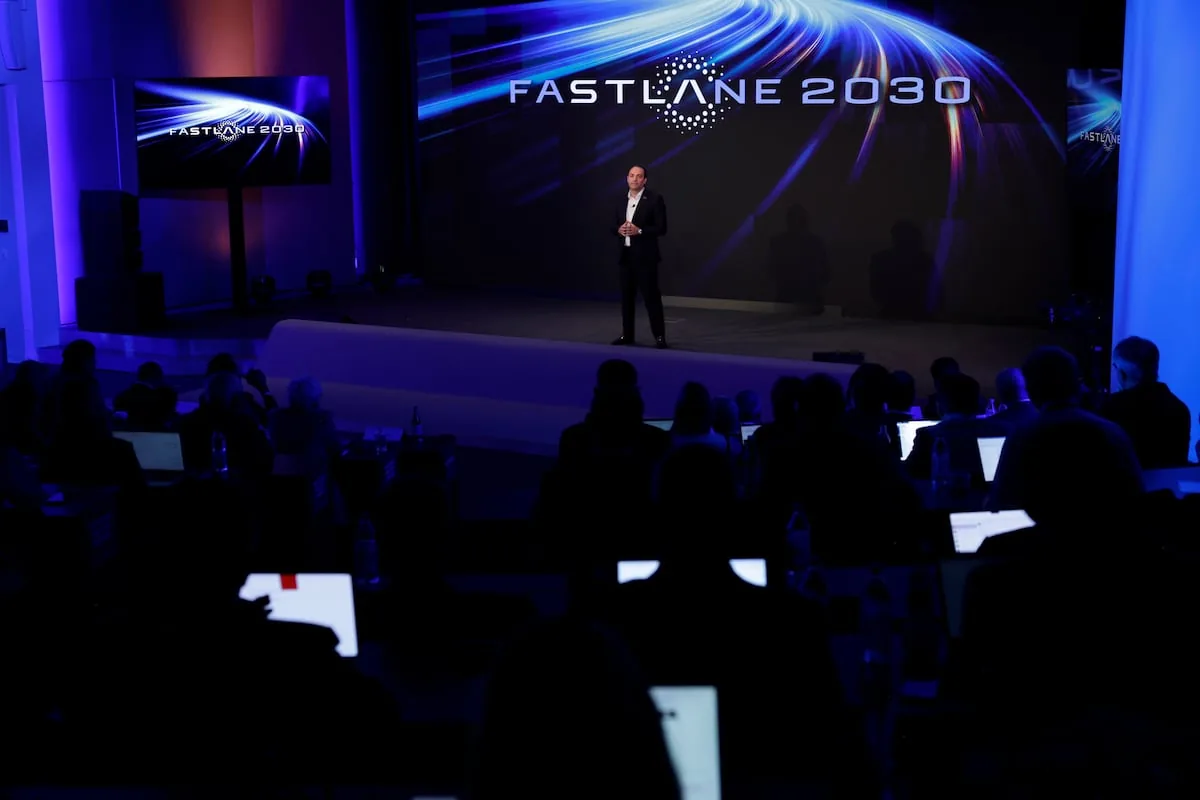
The 52-year-old Italian did not want to waste time turning the group’s business around with a strategic plan to 2030 that foresees an increase in turnover of almost 25% to raise revenues to 190 billion euros. Analysts will be able to assess whether the company meets its targets in 2028, when the turnover is expected to reach 175 billion.
The key to the transformation lies in reducing costs by about 6 billion annually and redirecting sales to markets with more added value to increase profitability. In that strategy, it expects the operating margin to go from the -0.5% recorded last year to 7% within five years.
Filosa expects to return to positive numbers this year with low but positive profitability, to raise it to 8% in 2028.
Read more Puig announces the breakdown of negotiations to merge with Estée Lauder
This change in its financial expectations will allow it to generate positive cash flow of about 6 billion euros in 2030, almost double what was outlined for two years earlier. It will be an important leap for a group that suffered a negative cash flow of 4.5 billion last year.
The group’s chief financial officer, Joao Laranjo, has explained to investors that he has five priorities: “First, restore revenue growth by 2030. Turnover will grow by more than 20%. Second, achieve a structural cost reduction. Our goal is a 6 billion euro annual cost reduction by 2030. Financial services are expected to contribute more than 1.5 billion euros in incremental airlines. Fourth, allocate capital towards our greatest profitability opportunities, we will deploy more than 60 billion euros in investments based on a disciplined approach focused on capital profitability, and fifth, generate sustainable profitability and free cash flow every year; the plan will deliver proven results leading to operating margins of 7% and 6 billion euros of annual free cash flow by 2030.”
The financial figures explain the group’s shift of automotive brands towards the United States. It has explained that the operating profitability of its sales in this territory reaches up to 10%, double that in Europe, where the heart of the group resides with legendary brands such as Fiat, Opel, Peugeot, or Citroën. So the closest path to making more money is to sell where it is most profitable. That is why it allocates the bulk of its investment and the greatest efforts in presenting new models to North America.
Latin America and Asia are territories where it obtains profitability of around 10-12%, but its sales there are smaller, there is more competition, or it faces tighter markets.
Read more Óscar Puente calls for “smart collaboration” among the left in the elections