







The Council of Ministers has significantly softened Aena’s tariff proposal for the 2027-2031 five-year period with the approval of a third Airport Regulation Document (DORA III) in which the increase in prices paid by travelers (through airlines) for using airports will be three euro cents each year or 0.33% (+1.65% over five years). The airport manager defended during the drafting process of this regulatory text an annual increase of 3.82%, which translated into a 43-cent rise in airfares, while airlines demanded a 4.9% reduction.
Read more Enric Mas, winner of the Vuelta: “Tears have escaped me and a few more will fall”
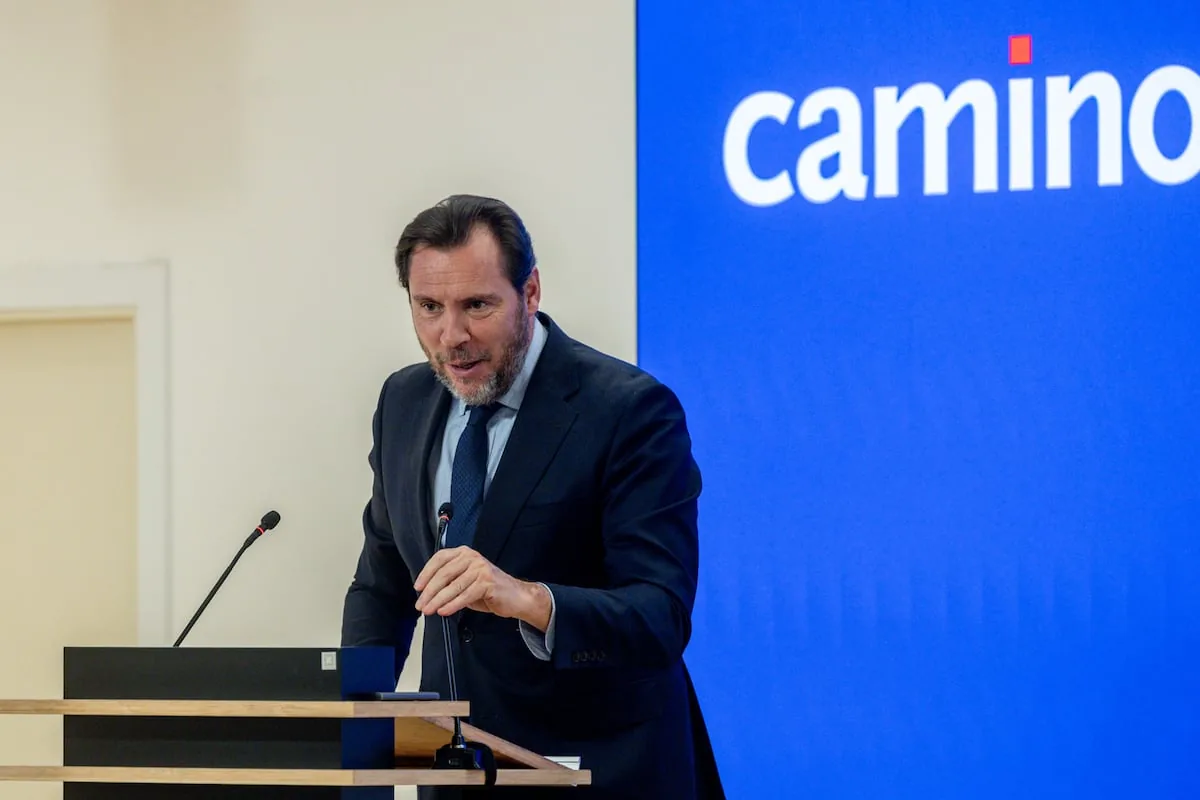
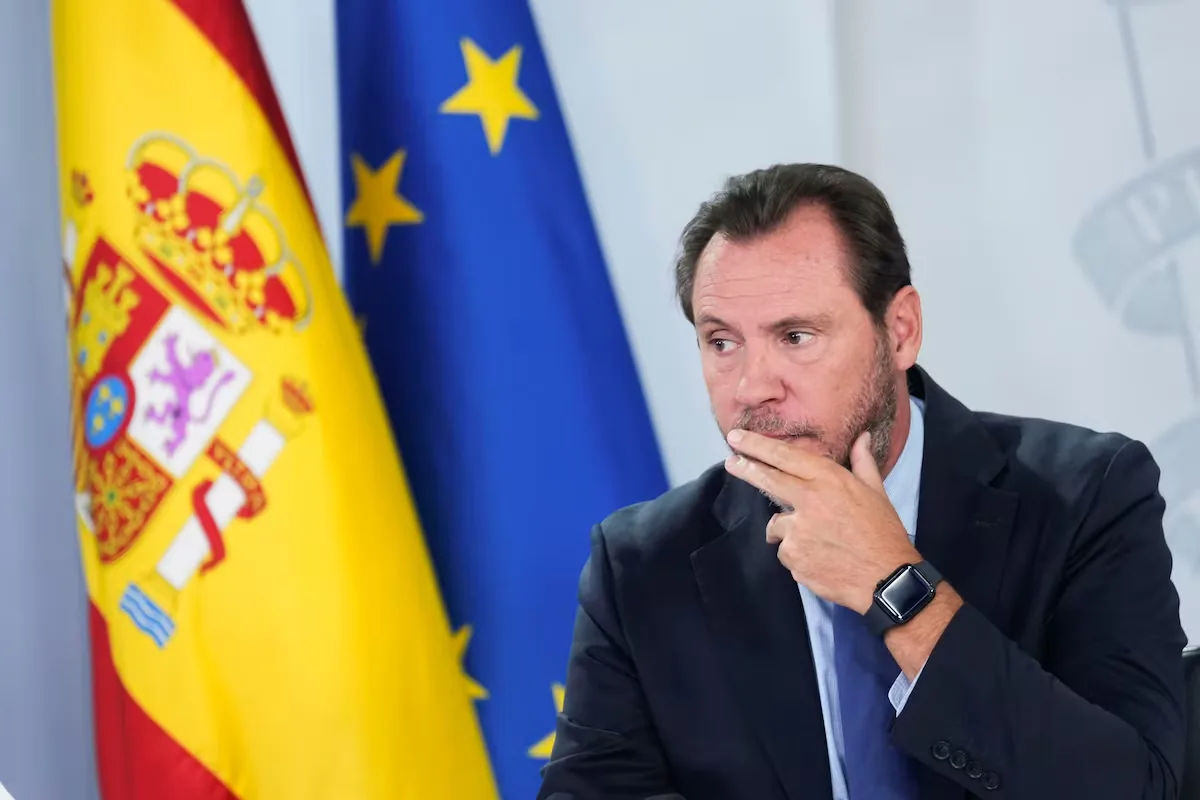
The Government’s decision was closer to the recommendation of a 0.59% annual decrease made by the National Commission on Markets and Competition (CNMC) than to Aena’s demands. It also moves away from the airlines’ position. “Spain will have the best and most competitive airports in the world,” said Transport Minister Óscar Puente at the press conference following the Council of Ministers. The Association of Airlines (ALA) positively valued “that the Government has softened Aena’s demands on airport tariffs for the DORA III period,” although the group “regrets that the proposal moves away from the reduction the sector aspired to.”
There will be five years of practically frozen tariffs across the airport network despite the expected increase in travelers, whose volume will jump from 321 million in 2025 to an estimated 358 million in 2031, with the consequent increase in operating costs. This concludes a long standoff between the airport manager and airlines defending the financial results of each party: between Aena’s tariff revenue proposals and the payments by its customers, there was a 5 billion euro gap over the five years of DORA III. The current Maximum Adjusted Revenue per Passenger (IMAAJ) applicable by Aena is an average of 11.02 euros per passenger, up from 10.35 euros charged in 2025 (the increase was 6.44% or 0.68 euros per traveler). The increases approved this Tuesday will be applied from March 2027 on the 11.02 euros.
What does not change compared to Aena’s budgets under review by the CNMC and the Directorate General of Civil Aviation (DGAC) is the mountain of investment planned in the airport network during the five years DORA III will be in force: 13 billion euros, of which 9.991 billion will go to regulated or aeronautical assets for capacity expansions in terminals, operational improvements, and security measures. The other 3 billion are intended to boost Aena’s non-regulated or commercial business.
Aena’s deployment of this effort will go from less to more: 1.266 billion in 2027; 1.774 billion in 2028; 2.059 billion euros are planned in the third year of the new DORA; the total rises to 2.397 billion in 2030, and this third regulated five-year period in Spanish airports will conclude in 2031 with an investment of 2.501 billion euros.
“Spain is launching one of the largest investment and transformation processes of its airport network,” highlighted Minister Puente. It is about adapting capacity to the expected demand over the next 30 years. The nearly 10 billion euros of planned regulated investment represent an average of nearly 2 billion per year, which is far from the 450 million annually invested under DORA II (2022-2026). During the regulated five-year period ending this year, Aena has been subject by law, except in 2026, to the tariff freeze ordered with the entry into force of Law 18/2014.
The largest investment amount in the third DORA, with nearly 2.851 billion euros, is for terminal buildings, while 937 million are for airfield works. Additionally, 1.65 billion euros will go to strengthening security; nearly 660 million will serve to boost intermodality and advance decarbonization and promote the sustainability of the airport system, and a 400 million allocation will be dedicated to improving baggage transport systems. These figures are added to another 3.24 billion for maintenance and conservation of Aena’s network.
Óscar Puente highlighted that 19% of regulated investment (about 1.859 billion euros) will seek to boost infrastructure quality and improve airport spaces. This will facilitate boarding processes, optimize security and passport controls, and improve accessibility and passenger flows.
Read more The AI brake saves the software industry from its apocalypse and bursts the chip bubble
DORA III foresees a jump from 321 million travelers served in the airport network in 2025 to 358 million in 2031. Aena had calculated 346 million at the end of the five-year period, while the CNMC saw that estimate as too cautious and raised its estimate to 366 million passengers for 2031. Estimated traffic has been key to calculating tariffs. In the first seven months of 2026, despite geopolitical instability, Aena recorded 190 million travelers, implying a 4% increase compared to the same period in 2025. In August alone, the 34.9 million travelers served became the highest monthly record in Aena’s history.
More capacity for Barajas and El Prat
The most notable investment allocation remains in Madrid-Barajas, with 4.477 billion. The expansion of the largest airport in the network is Aena’s great challenge in the next five years, aiming to increase capacity from the current 70 million travelers to 90 million. The third DORA includes the expansion of T4, with an increase in boarding gates and more space in check-in and security filter areas; work will be done on T4S to open new boarding gates; the new T123 processing building will be enabled, and the Madrid airport will be prepared for the arrival of high-speed rail and new metro lines, among other projects.
Investment efforts in Catalonia total 1.962 billion pending final approval of the runway extension at Barcelona-El Prat. The latter will already have works worth 1.76 billion for reconfiguring terminals T1 and T2, as well as airfield and apron works. Puente sought to reassure by stating that sustainability is among the priorities of Aena’s development plan.
The Canary Islands airports will have 1.807 billion in works; investments in the Valencian Community reach 1.27 billion (400 million at Valencia airport and 868 million at Alicante); Balearic infrastructures (Palma de Mallorca, Ibiza, Menorca, and Son Bonet) have an investment budget of 1 billion in DORA III, and projects worth 830 million will be undertaken in Málaga. According to the Transport Minister, “this DORA is not the sum of isolated large projects. It is a transformation of our entire airport network, and that transformation reaches the whole territory. This is not a plan for two or three large airports. It is a plan for Spain.”
The minister justified the increase in Aena’s investment pace due to the need to modernize infrastructure and serve air transport, which generates 5.9% of Spain’s GDP and maintains 600,000 direct and indirect jobs. Additionally, Óscar Puente recalled, “Spain is a tourist power” and more than 80% of visitors arriving in the country come by air.
Aena’s investment is recovered through tariffs, without recourse to the General State Budgets. The company chaired by Maurici Lucena finances its investments in the market and pays that cost with what it collects from airlines and their travelers. ALA president Javier Gándara has called for preserving “the spirit of this tariff path throughout the regulatory period, as it would be contrary to that objective if this path were significantly altered by disproportionate and unjustified price update requests through some of the mechanisms provided in the regulatory framework.”