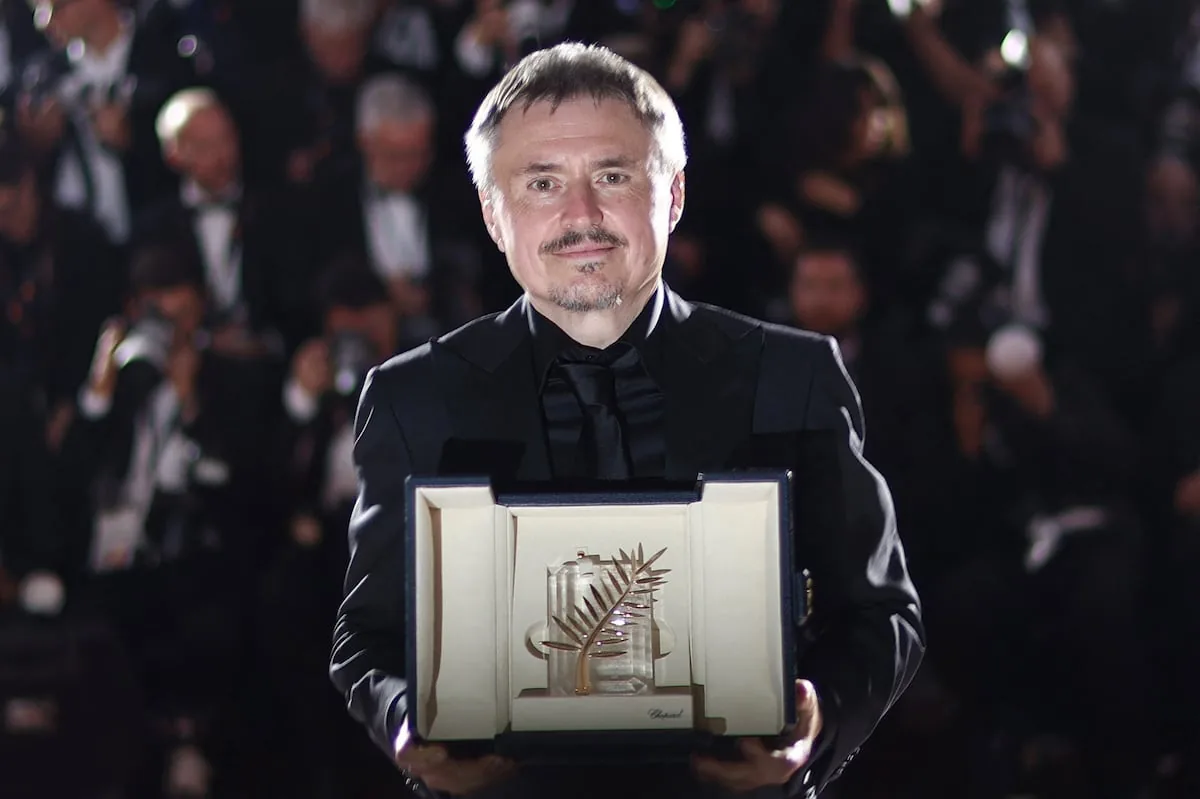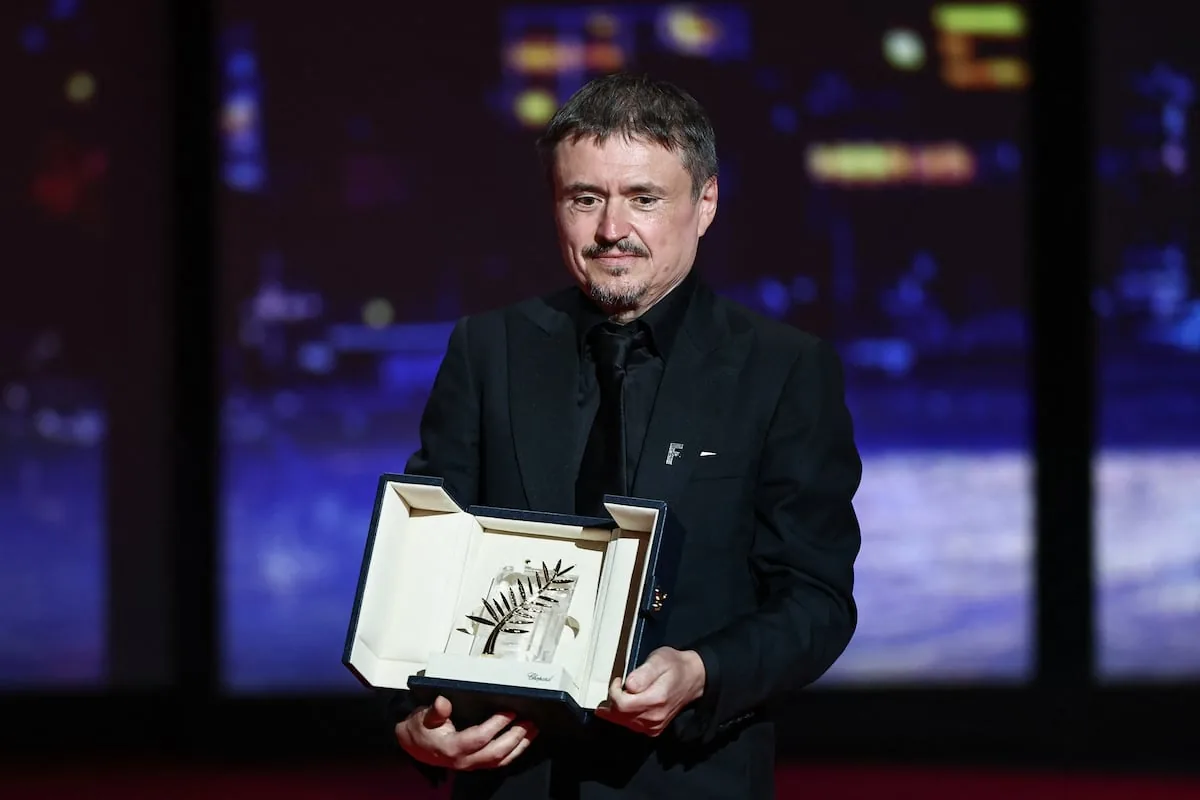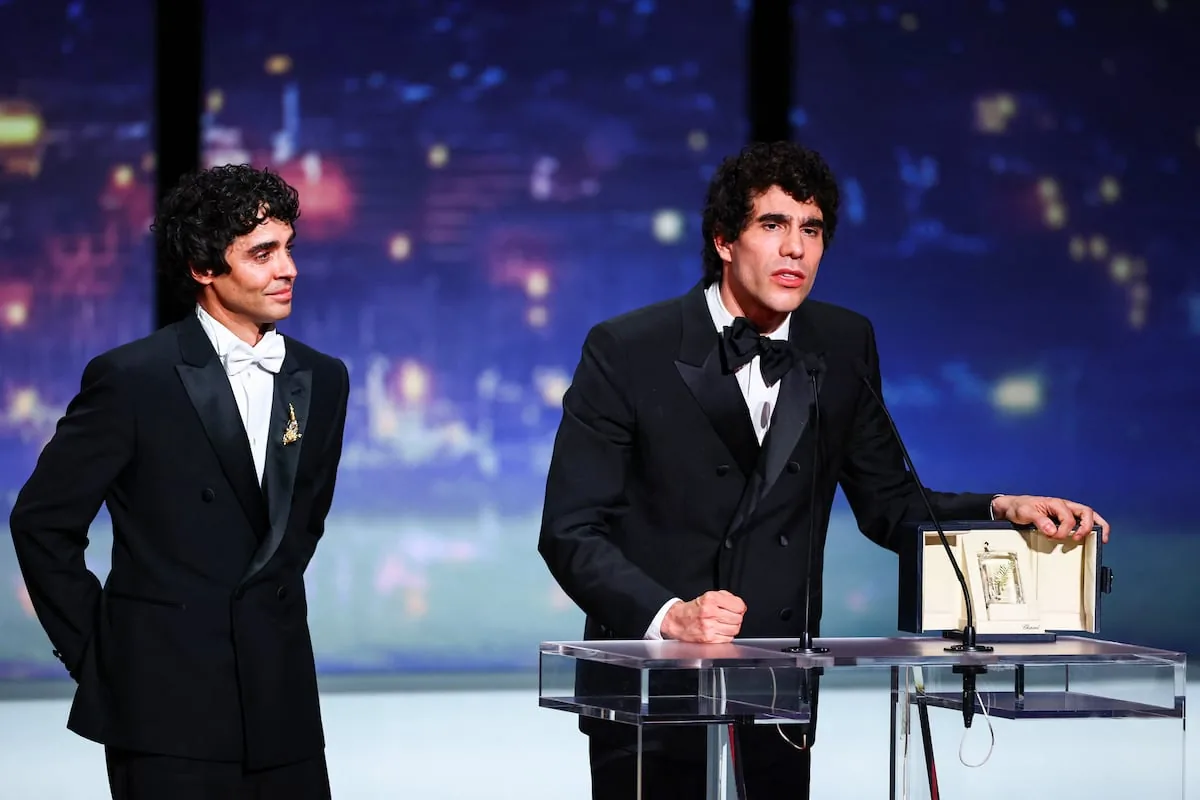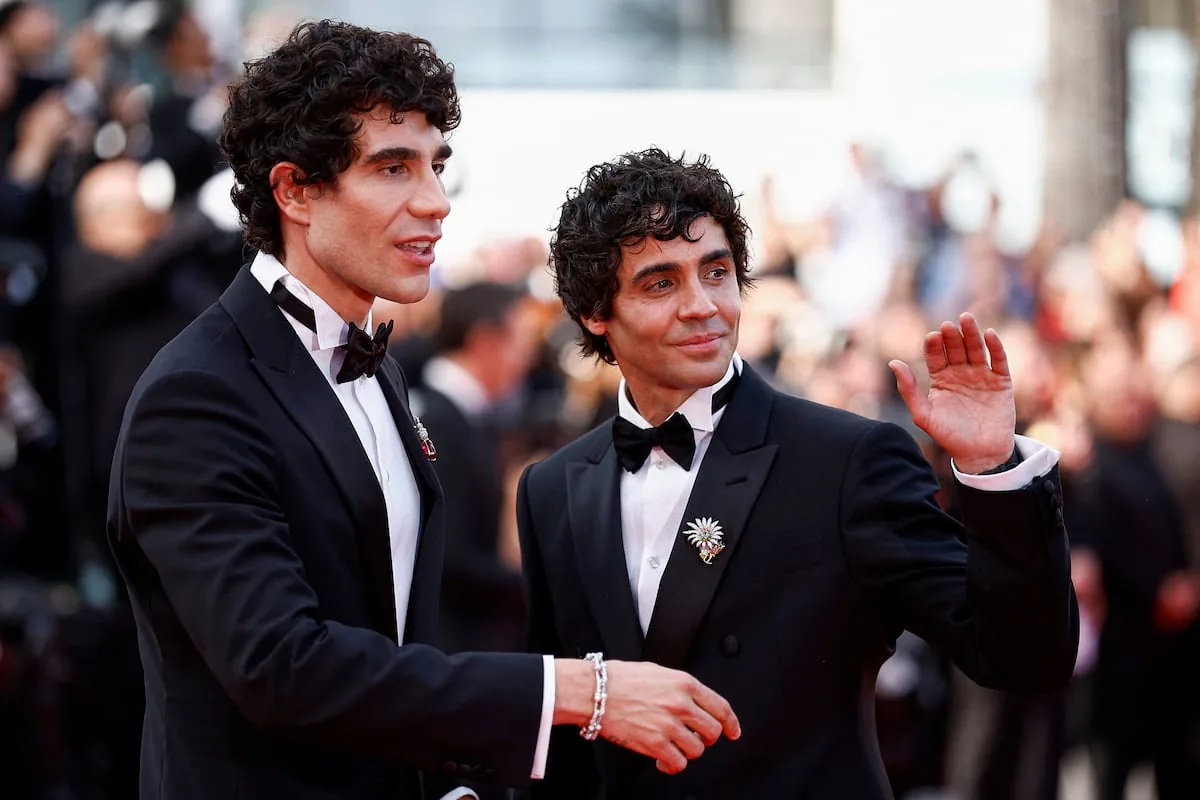



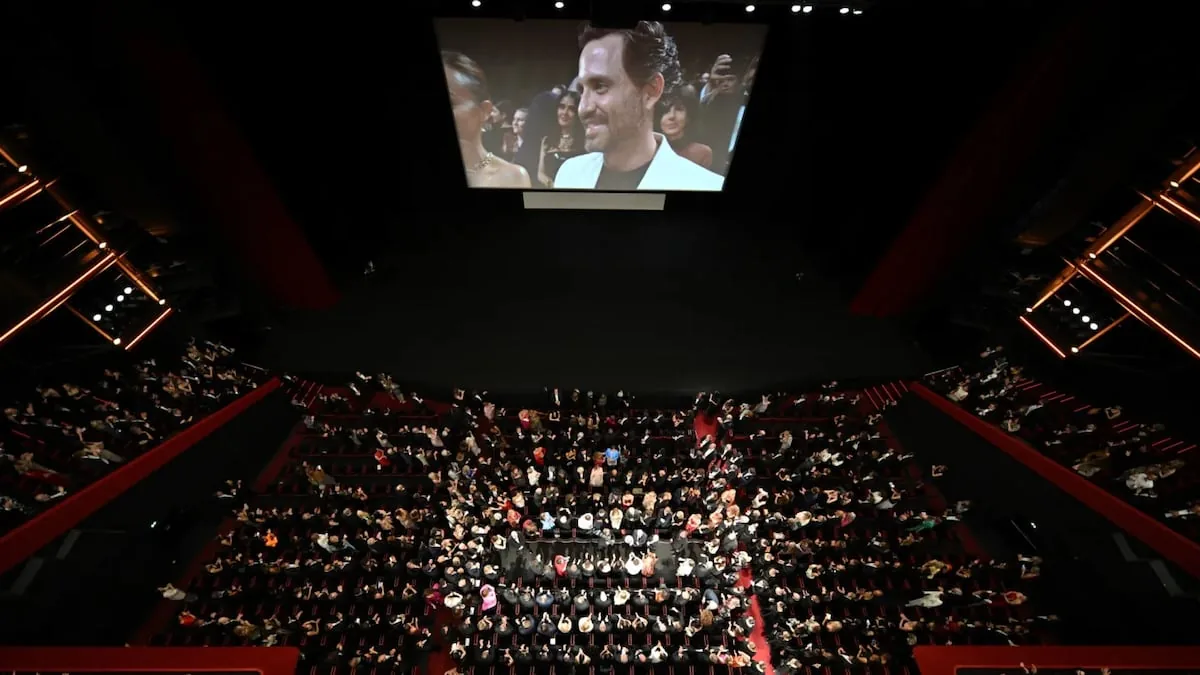
The screening ends, the film crew stands up to greet the audience, who in turn also stand up to give a standing ovation to the film, and at that moment a strange choreography begins: a cameraman enters directly into the row where the stars cry and celebrate the reception, gestures that are broadcast live on the Lumière theater screen, the epicenter of the Cannes festival, and a handful of journalists start their stopwatches: the time has come for the last marketing trick, the scam of the standing ovations at the French festival.
Read more Bad Bunny ignites Barcelona with a colossal shared identity party
There was a time when that reception could mean something. Twenty years ago, Pan’s Labyrinth, by Guillermo del Toro, closed the Cannes Competition. The Mexican filmmaker said at this 2026 edition, where a restored 4K copy of the film was screened, that he was afraid there would be no press, and that he was surprised to see the room full (in reality, journalists do not enter galas, but guests do). The final ovation, according to the Mexican, was “the biggest and most emotional explosion of applause I have ever received in my life.” And he said that during the “23 minutes” of cheers he wanted to leave the room; Alfonso Cuarón stopped him: “Let love fill you.”
And here the contradictions begin: Del Toro already spoke of 23 minutes, and all databases lower it to 22. It’s only one minute, but from when to when is an ovation measured? And, do only those at the Lumière count? This year, the best received was The Black Ball, by Javier Ambrossi and Javier Calvo. According to one specialized outlet, it was 20 minutes; according to another, 16. Variety and Deadline, which measure those ovations, also clashed with Her Private Hell, by Nicolas Winding Refn. Giving the benefit of the doubt, in a ranking of the longest ovations in recent Cannes history, after Pan’s Labyrinth, The Black Ball would tie at 20 minutes with Fahrenheit 9/11 (2004); in fourth place would be Sentimental Value (2025), with 19 minutes (other outlets put 15), and in fifth Mud (2012), with 18 minutes. In 2024, The Substance, Emilia Pérez and Horizons (chap. 1) surpassed ten minutes. And encyclopedias recall the 15 minutes of Compulsion, by Richard Fleischer, in 1959, and the other 15 of Once Upon a Time in America, by Sergio Leone, in 1984. No one, however, times applause in other sections or other events on La Croisette.
This has to end. What will it take? pic.twitter.com/FHhjoe3pkJ
— Rebecca Ford (@Beccamford) May 21, 2026
It has reached a point where a four-minute ovation is a sign of a film’s weakness, and only surpassing 10 minutes might mean it was liked, according to some analysts, who do not take into account fundamental considerations: first, the jury gives the awards, not the public or critics with their star charts. Second: each night the audience is different, and is mostly composed of industry workers, festival guests, and guests of the same film. If that team manages to get a good group of cheerleaders in, success is guaranteed. And those records will appear the next day in press notes and, later, on movie posters.
In The Wrap, Terry Gilliam recalls: “The problem was that I was standing there saying thank you and all that nonsense, and thinking: ‘Why are we getting that response?’ The film was The Man Who Killed Don Quixote, and at Cannes 2018 it got an ovation of more than 15 minutes. “Were they applauding me because it’s a really good film or was it because of my tenacity in getting it made? I only cared about: Did they like the film? That was what I wanted to know. But I had to stand there, smile, wave, and then turn to the cast… I made a fool of myself. It was absurd.”
An underrated element of the Cannes standing ovations is how the ushers link arms and won’t let you leave until the talent decides to go pic.twitter.com/JRfSuAQqps
— Kyle Buchanan (@kylebuchanan) May 17, 2026
And now the manipulation by the organization comes into play. Kyle Buchanan, reporter for the awards and festival season at The New York Times, interviewed before the pandemic the cameraman who broadcasts that moment to the giant screen. He said he focused on the actors or directors who were most emotional at that moment: “That amplifies the audience’s response.” He knew that if he opened the shot, the wave of affection diminished. “As soon as I hear it fading, I go back to a face: if they are emotional, fine. And if not, with the camera in front, they will get emotional.”
In this 2026, Buchanan has recorded on video how the ushers do not let spectators leave until they receive higher orders. If you are there, there is no other option but to applaud. With the broadcast, the cameraman said the same: often, the organization decided the end. Directors can control when they say a few words at the microphone. If they want to take advantage of the applause, they can do so, and if they want to stop it, they can usually encourage the audience to do the same.
Read more Barcelona — OL Lyonnes: Oslo celebrates the clash of the two giants in the Champions final
A 20-minute ovation for ‘La Bola Negra’ at #Cannes2026
Penélope Cruz is supported by her co-stars as they take in all the emotions and applause pic.twitter.com/DgFxWF002q
— Deadline (@DEADLINE) May 21, 2026
Thierry Frémaux, the general delegate of Cannes, explained in 2022 in The Hollywood Reporter, a publication that has stopped timing applause: “I pay attention to the screening, how long to keep the room dark, whether to cut the credits or not, the best moment to turn on the light, etc. Each screening is a celebration, and the audience’s participation makes it much better. People want to participate!” Frémaux can be seen at every final ovation organizing that choreography.
There will always be a Bong Joon-Ho who breaks with the praise. When the ovation for Parasite in 2019 exceeded eight minutes, the South Korean filmmaker shouted: “Thank you, let’s all go home.” And they left. The next day he explained that his team and he were “very hungry.”
Tami Malek, Tom Sturridge and Luther Ford back in terrific ovation for Ira Sachs film The Man I Love #Cannes pic.twitter.com/GR2R8pHO3s
— Deadline (@DEADLINE) May 20, 2026
In exchange, at the 2023 premiere of The Moon Killers, by Martin Scorsese, after the extensive cast had their close-ups, Leonardo DiCaprio and other actors continued applauding, even when most of the audience had already stopped. Then, members of the Osage tribe revitalized the applause with effusive shouts of joy. An apotheotic triumph.
In case of doubt: The Paperboy, by Lee Daniels, reached 15 minutes of ovation in 2012. Neither critics nor the public paid more attention to it. And in Venice, where the applause meter is prolonged, in 2019, Joker, by Todd Phillips, received applause for eight minutes (it later won the Golden Lion); its sequel, Joker: Folie à Deux was ovationed in 2024 with 13 minutes. It never again came close to glory.
Read more The books booksellers love: 66 must-read titles for the Madrid Fair 2026