

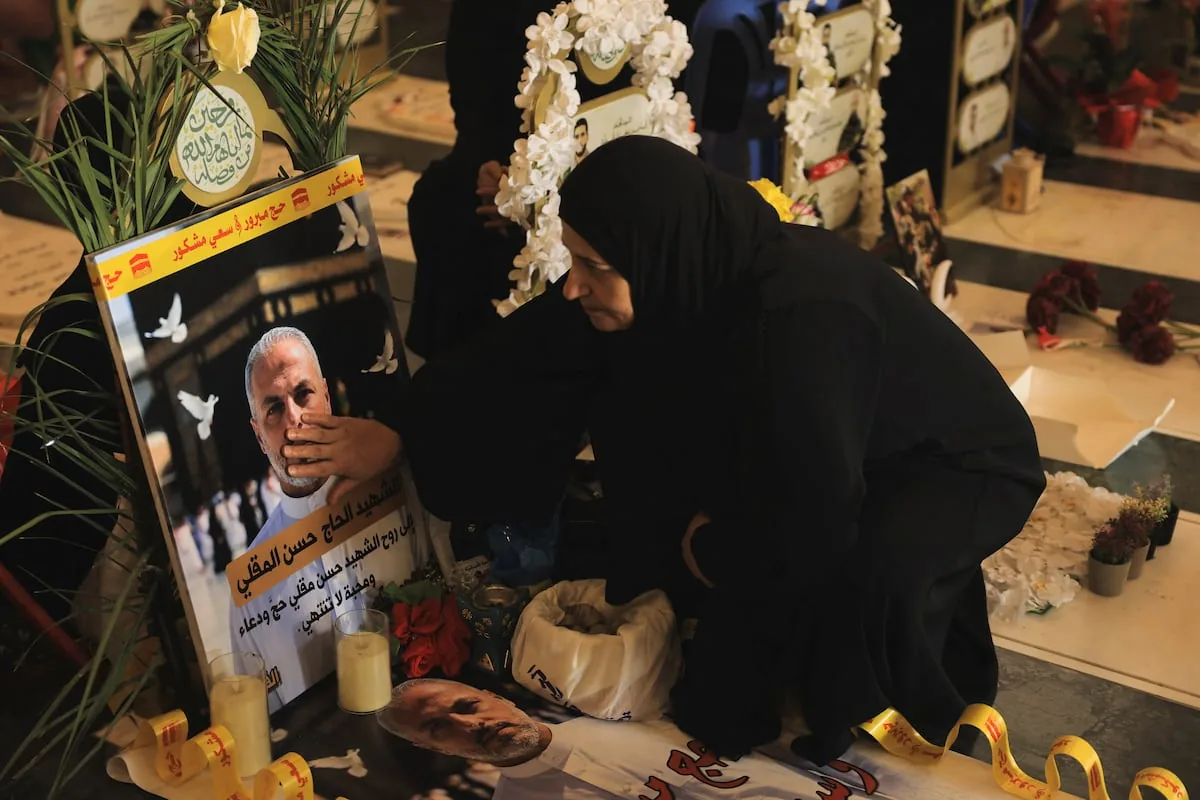
At least 31 people have died in attacks carried out by the Israeli army in Lebanon on Tuesday, according to the latest count from the Lebanese Ministry of Health. Among them are four minors and another 40 people have been injured. The Israeli army ordered the evacuation of more than 40 localities in the south of the country yesterday and launched more than 120 airstrikes, in one of the most intense days of bombings in recent weeks, according to Lebanese security sources. Israeli forces expanded their ground operations beyond the security zone they occupy in the south of the country, as confirmed by Prime Minister Benjamin Netanyahu. In the early hours of this Wednesday, the Israeli army reported the launch of a projectile from Lebanon that fell on its territory without causing injuries or material damage. In addition, Israeli Defense Minister Israel Katz confirmed the death of the last military leader of the Islamist group Hamas in Gaza, Mohamed Odeh, who becomes the fourth militant in the position killed by the Israeli Army since the start of its offensive in the Strip.
Read more The companies rescued during the pandemic knew it before the SEPI approvals, just like Plus Ultra
EL PAÍS offers free coverage of the latest on the US and Israel attack against Iran. If you want to support our journalism, subscribe.

European stock markets point upwards driven by technology and with oil declining
European stock markets point upwards driven by technology and with oil declining Uncertainty around a possible peace agreement between the US and Iran does not prevent global stock markets from maintaining a bullish tone thanks to the boost from technology. The market is concerned that new US military attacks on Iranian targets could derail negotiations aimed at ending the conflict in the Middle East. But lower geopolitical tensions moderate inflationary pressures. Oil prices remain volatile, near $100, amid ongoing supply disruptions through the Strait of Hormuz. Brent crude falls 1.5% today to $98.
The MSCI All Country World Index, the broadest indicator of global stock markets, rose for the sixth consecutive day to reach a record high. In Asia, the session is mixed, with Japanese and South Korean stocks reaching new all-time highs driven by the tech rally. Japan’s Nikkei rises 2.2% and South Korea’s KOSPI surged 5%. In China, the Shanghai Composite index falls 1.1% and Hong Kong’s Hang Seng loses 0.8%. The S&P 500 and Nasdaq Composite on Wall Street closed at record highs and US futures trade slightly higher. Tech stocks continue to benefit from optimism around artificial intelligence spending. In Europe, the EuroStoxx 50 also points to a moderately higher opening.

Israel’s war in Gaza
A new flotilla, another international scandal
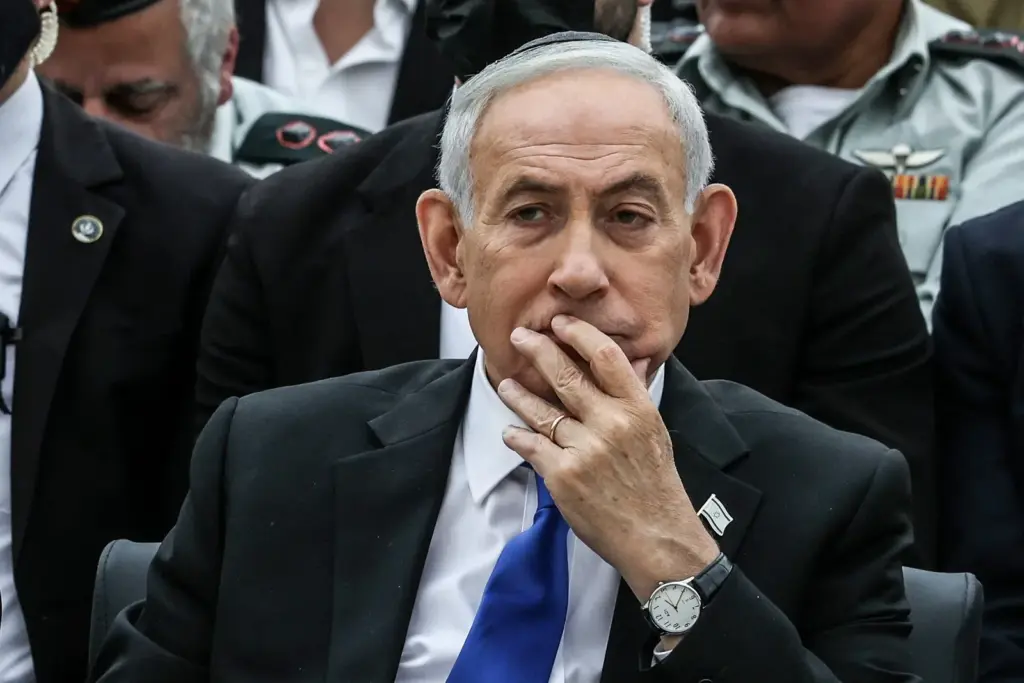
The Global Sumud Flotilla, an international humanitarian action trying to bring aid by sea to the Gaza Strip, is a thorn in Israel’s side. The country’s global image, diminished since the offensive, is always further eroded by the way it precipitates its end. Benjamin Netanyahu’s government has sought to punish the flotilla members to prevent them from embarking again, but without causing international scandals. It has not succeeded. It is true that the flotillas have not been able to reach the Palestinian coasts, but all have caused international scandals.
You can read the full analysis here
Israel confirms death in Gaza of fourth Hamas military leader since October 7
Israeli Defense Minister Israel Katz confirmed this Wednesday the death of the last military leader of the Islamist group Hamas in Gaza, Mohamed Odeh, who becomes the fourth militant in the position killed by the Israeli Army since the start of its offensive in the Strip.
“The commander of the fourth military wing of the terrorist organization Hamas in Gaza was killed yesterday and sent to join his accomplices in the depths of hell,” reads the statement issued by Defense.
In the Israeli bombing of the Rimal neighborhood of Gaza City in which Odeh died, six people died in total, according to the Qatari channel Al Jazeera. Among them were the militant’s wife and daughters.
Odeh became the leader of the Al Qassam Brigades, Hamas’s military wing, less than two weeks ago. On May 15, Israel killed his predecessor, Izz al Din al Haddad, in another bombing in the Gaza capital.
Read more Mexico is also preparing for the violence against women that the World Cup will bring
On July 13, 2024, another Israeli bombing killed the military head of Hamas and one of the architects of the October 7, 2023 attacks, Mohamed Deif, in Mawasi (southern Gaza). The Islamist group took months to confirm his death.
Almost a year later, on May 13, 2025, Israeli armed forces killed Mohamed Sinwar in Jan Yunis (south), Deif’s successor and brother of the then already deceased Hamas leader in the enclave, Yayha Sinwar.
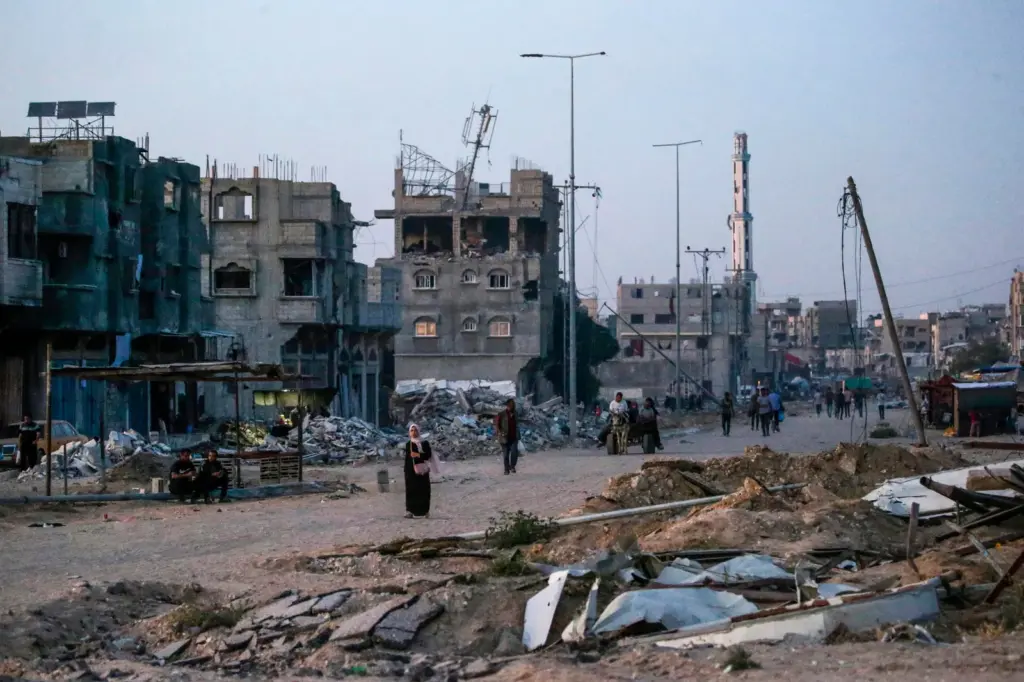
Odeh’s death occurs amid an increase in Israeli attacks on the Gaza Strip. Since the current ceasefire began on October 10, 2025, Israel has occasionally bombed the area outside its military control in Gaza (some days of bombings have approached a hundred deaths) and has fired almost daily at the population around the yellow line, the demarcation to which troops withdrew at the start of the truce. As a result of these attacks, more than 900 Palestinians have died in Gaza since last October, according to the Gaza Ministry of Health. However, in recent weeks airstrikes, mostly with drones, have increased to 40% of Gaza, where the population of about 2.1 million remains crowded. (Efe)
Israel’s war in Gaza
The Gaza war plunges Israel into an unprecedented cycle of complaints before international justice
The Gaza war has plunged Israel into an unprecedented legal cycle of complaints before international justice. The Israeli government, which describes the situation as an “existential attack,” faces cases in two different international bodies: the United Nations International Court of Justice (ICJ) and the International Criminal Court (ICC).
You can read the full information here

WAR AGAINST IRAN
The truce that confirms Iran’s advantage
When the United States and Iran negotiated the 2015 nuclear agreement, they did so amid sanctions, threats, and distrust. But there were two fundamental differences with the present: there was no open war and Hormuz was not the immediate focus of the negotiation. That diplomacy was able to organize around the main file of the nuclear program. Today, however, negotiations take place after weeks of war, with several fronts open and Hormuz transformed into an inseparable card from the rest.
You can read the full analysis here
Israel expands its ground operations in Lebanon and leaves 31 dead in one of the most intense days of bombings in weeks
Israel launched more than 120 airstrikes on Lebanon this Tuesday in one of the most intense days of bombings in recent weeks, according to Lebanese security sources, and expanded its ground operations beyond the security zone it occupies in the south of the country. Prime Minister Benjamin Netanyahu confirmed that his army is “deepening operations” and operating “with large forces on the ground.” Among the targets hit were areas near Beaufort Castle, a nearly 900-year-old medieval fortress listed by UNESCO, and the surroundings of the Qaraoun reservoir, Lebanon’s largest water reservoir. Hezbollah responded with explosive drones, rockets, and artillery against Israeli forces advancing towards the town of Zawtar al-Sharqiya.
The Lebanese Ministry of Health raised the death toll to 31 and the injured to 40 in recent hours, including 14 deaths in the town of Burj al-Shamali, two of them children. Since the start of the Israeli offensive on March 2, the accumulated toll stands at 3,213 dead and 9,737 injured, according to Lebanese authorities. The WHO estimates 608 deaths since the ceasefire declared on April 16. The Israeli army acknowledged the death of 10 soldiers since that same date, six of them by Hezbollah explosive drones. (Reuters)
Good morning. We begin the live narration of the latest on the conflict in the Middle East, this Wednesday, May 27. The United States and Iran remain embroiled in an escalation that threatens to derail peace negotiations before they come to fruition. Washington has acknowledged new attacks against Iranian positions in Hormozgan province, near the Strait of Hormuz, which Tehran called a “serious violation” of the ceasefire in place for almost seven weeks, leading it to reserve the right to retaliate. The indirect talks held in Qatar left some optimism about an initial memorandum of understanding, but the more than 20.6 billion euros in frozen Iranian funds remain the main obstacle, and neither side rules out the agreement breaking before signing. Brent closed yesterday near 86 euros per barrel after rising 3.5%. The Lebanese front adds another layer of tension: Israel launched more than 120 bombings yesterday, one of the most intense days in weeks, and expanded its ground operations beyond its own security zone, leaving 31 dead in a few hours.
Read more Senator Enrique Inzunza also goes to the Prosecutor’s Office to give his statement