


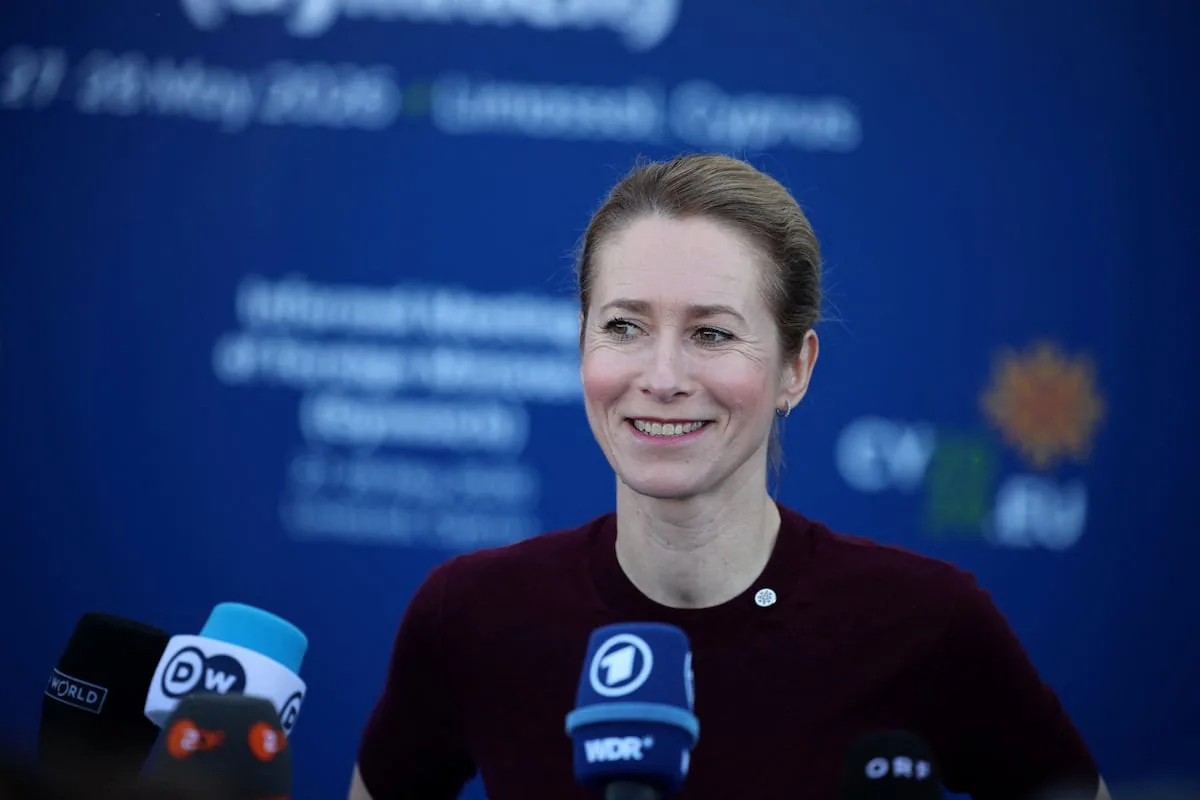
The European Union is intensifying its debates on the advisability of resuming diplomatic talks with Russia and who and how should speak with the autocrat Vladimir Putin. This Thursday, the EU High Representative for Foreign Affairs and Security Policy, Kaja Kallas, warned against falling into the “trap” of appointing a “special envoy” to talk with Russia and urged member states to preserve unity and think first about the substance of those talks. “The European Union cannot be a neutral mediator with Russia because it is on Ukraine’s side,” she said after a meeting of EU foreign ministers. “The EU must push Russia and Ukraine to talk to each other. There are issues that only they can address and resolve,” she added.
Read more The National Court annuls Ana Duato’s acquittal for tax fraud and orders a retrial
In Limassol, on the southern coast of Cyprus, which has traditionally been one of the main centers of Russian capital in the Mediterranean, frequented by tourists and businessmen from the Eurasian country, the heads of European diplomacy have begun to design their strategy for that channel of dialogue with Moscow and its main red lines. But divisions among partners remain large between those who believe it is not the time to start talks with Moscow because they do not see real interest in negotiating from Russia and those who believe Europe must take a step forward, which Ukraine has also asked for.
“Discussing who can talk to them is a trap that Russia wants us to fall into,” emphasized Estonian Kallas, one of the toughest voices against the Kremlin in the EU. “They are already deciding who is acceptable and who is not; let’s not fall into that trap,” added the High Representative, implicitly referring to Putin’s proposal that the EU appoint former German Chancellor Gerhard Schroeder — very close to the Kremlin — as its special envoy.
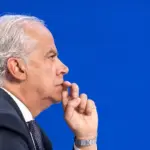
In Europe, several names have been circulating for months, since France and Italy stated that it is convenient for the EU to talk with Russia so that no one speaks for it. Names like former Finnish President Sauli Niinistö or German Chancellor Angela Merkel. “Europe must decide the name of the negotiator, not Mr. Putin,” insisted Italian Foreign Minister Antonio Tajani.
The head of Spanish diplomacy has acknowledged that the debate is still “very incipient.” “The important thing is not the name, it is the approach. And the approach must be a single voice. It can be one person, it can be a board of countries: the important thing is that we find a way for the Twenty-Seven to speak with one voice,” he said.
As the United States reduces its involvement in the talks it launched between Moscow and Kiev to end the war launched by the Kremlin in February 2022 — negotiations to which Europe was not invited — the Union is advancing the debate on how to enter that equation. “We have to take advantage of the opportunity that the United States’ decision to pause its involvement in the negotiation process between Ukraine and Russia represents,” said Belgian Maxime Prévot. “It is very important to be at the table and act, not just observe,” he added.
In February, Kallas presented the EU foreign ministers with a proposal framing the EU’s demands to Moscow. This Thursday, European representatives agreed that, to move forward, there must be a ceasefire before sitting at the dialogue table; also, that one of those red lines is the recognition of Russian control over the occupied territories. Europe also demands that Russia be held accountable for its crimes.
Read more Justice blocks 22 luxurious properties of the Sicilian boss Matteo Messina on the Costa del Sol