









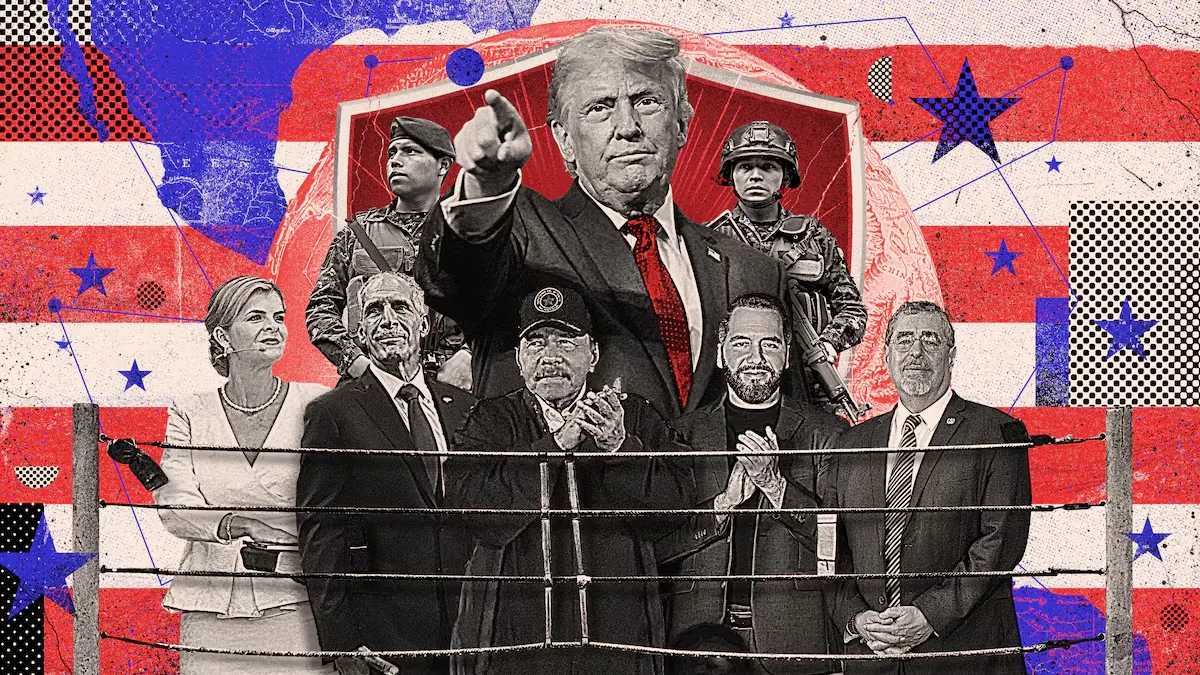
Donald Trump’s arrival at the White House has completely reconfigured the security landscape in Central America. With aggressive rhetoric and the launch of the so-called Shield of the Americas —a fierce strategy that flirts with military intervention against cartels—, Washington has subjected the region’s governments to suffocating pressure. After the capture of Nicolás Maduro in Caracas, the isthmus has once again become the center of the United States’ geopolitical target. This power asymmetry has forced a drastic mutation in the logistics of organized crime. Faced with increased coastal surveillance sponsored by US agencies, drug trafficking routes have been forced to move away from Central American coasts, venturing into international waters to evade controls. Under this new paradigm, Central American countries respond in disparate ways. While allied governments such as those of Guatemala, El Salvador, and Costa Rica try out hardline speeches and demand technical assistance from Washington, regimes like Daniel Ortega’s in Nicaragua sink into opacity to hide the cracks in their supposed containment walls. Whether out of fear of reprisals or political survival, Central America kneels before Trump’s aggressive policy against organized crime.
Read more Bolivia, on the verge of a state of emergency
Guatemala and the desperate plea for Washington’s help
Armed clashes linked to drug trafficking have intensified in Guatemala. In late May, a convoy of about 20 vehicles with Guatemalan and Honduran license plates raided a village in Chiquimula, in the eastern part of the country, from Honduras. The clash between the Army and the unidentified armed group left one civilian dead. According to police and military sources, these incursions by organized crime are increasingly recurrent.
Given this scenario, President Bernardo Arévalo sent a letter to the United States Government requesting more support in training, advice, and strategic operational planning, as well as greater intelligence sharing to combat criminal networks.
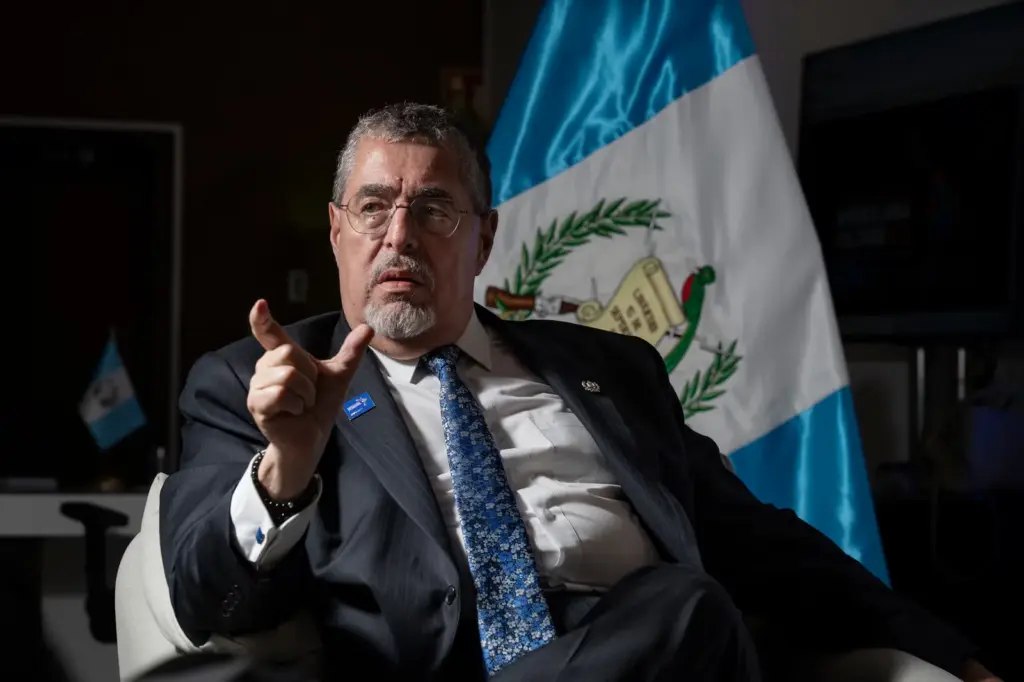
The request coincides with a significant offensive by Guatemalan authorities. Between 2024 and 2026, the General Sub-Directorate for Anti-Narcotics Information Analysis of the National Civil Police and the Army managed to seize more than 33 tons of cocaine, eradicate 3.6 million marijuana plants and 11.1 million coca bushes. These operations allowed for the dismantling of 16 narco-laboratories and 18 clandestine airstrips, in addition to capturing 2,154 people and claiming 64 alleged kingpins eligible for extradition.
In response to the request for cooperation, the commander of the United States Southern Command (USSOUTHCOM), General Francis L. Donovan, met this week with Guatemalan officials to strengthen bilateral collaboration against the cartels. For Mario Mérida, former director of the National Institute of Strategic Security Studies, Central America is at a crucial point in its relationship with US agencies: “A greater flow of information has been achieved, allowing us to anticipate some situations, which is reflected in successful seizures.”
The effort against organized crime also advanced on the legislative front. On June 2, Congress approved the Comprehensive Law for the Prevention and Repression of Money Laundering and Terrorism Financing. Arévalo celebrated the regulation as a fundamental tool to stifle illicit financial structures, an advance that was also applauded by the United States embassy.
Bukele, Trump’s guardian in the deep waters of the Pacific
The fundamental difference between El Salvador and other Washington allies in the fight against drug trafficking lies in distance. While Guatemala, Honduras, Nicaragua, Costa Rica, and Panama concentrate their efforts on land, ports, or nearby jurisdictional waters, Salvadoran operations are increasingly shifting towards the open sea.
On February 14, 2026, the Salvadoran National Navy intercepted the FMS Eagle, a Tanzanian-flagged vessel sailing 380 nautical miles (704 kilometers) off the coast. In sealed underwater compartments, it concealed 6.6 tons of cocaine valued at 165 million dollars, the largest seizure in the country’s history. President Nayib Bukele quipped on his X account: “Thanks for the new ship,” unleashing the official narrative that categorized his government as “the Pacific wall.”
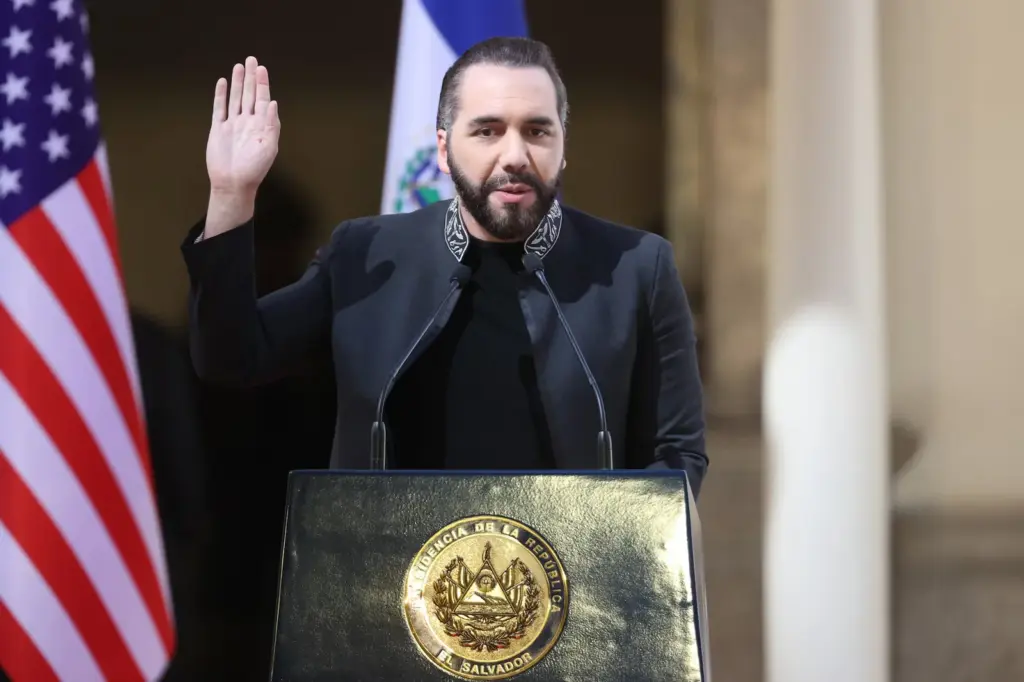
However, the data nuances the propaganda. With nearly 76 tons seized in seven years of his mandate, El Salvador ranks seventh among the nine nations with a Pacific coast on the Ecuador-Mexico route, surpassing only Guatemala and Nicaragua.
An analysis by Colombia’s International Center for Research and Analysis Against Maritime Drug Trafficking (CMCON) confirms this operational shift: of 53 seizures recorded between 2019 and 2026, 38 occurred at sea and only 15 on land. Incursions are deeper each year, reaching 570 nautical miles —more than a thousand kilometers offshore—, such as the ton seized from an industrial fishing vessel in May 2025.
This strategy responds to geographical and structural factors. El Salvador is a small territory (21,000 square kilometers) located in the center of transit routes. Furthermore, along with Nicaragua, it lacks large traditional land-based cartels, which allows it to shift its capabilities to the ocean in response to the demands of the Trump administration.
According to CMCON, this pressure in deep waters shows that organized crime prefers the “Desert Route,” an oceanic isolation thus named by Colombian sailors. In this space without dunes or sand, composed of thousands of kilometers of open water, speedboats and fishing vessels navigate for days, evading monitored coasts.
Honduras: from corridor to producer in the narco scheme
Honduras’ geographical location between South America and the United States, coupled with the historical state abandonment of its Caribbean coast, made it a key drug corridor since 1970. In the last decade, the US State Department estimated that 75% of narco-flights stopped in its territory; by 2020, it calculated that about 120 tons of cocaine —75% of the annual US consumption— passed through the country.
In the last five years, the panorama has become more complex. Honduras ceased to be merely a transit point to become a coca leaf producer. Since 2017, criminal organizations have hired local farmers to cultivate the plant in coastal and northern departments such as Colón, Olancho, Atlántida, Gracias a Dios, and Yoro.
In 2025 alone, authorities destroyed over a million plants. Additionally, the government recently located a plantation of 16,500 bushes in a mountainous area of Bonito Oriental, Colón. The plants were distributed over just three blocks of land (about 21,000 square meters), a density that anticipates an exorbitantly larger production.
Although historically joint efforts with US agencies failed due to the collusion of criminal structures with state agents, President Nasry Asfura has sought a political shift. Since coming to power, he has approached Washington, promising to reinstate the extradition treaty and integrate into the Anti-Cartel Alliance and Shield of the Americas, promoted by the Trump administration.
In late May 2026, the president assured that his administration is technologically equipping itself to confront the scourge. However, unlike its Central American neighbors, Honduras has not reported any significant blows against drug trafficking so far this year.
Read more What should be changed about political campaigns?
In contrast, organized crime has indeed shown its strength during Asfura’s first hundred days in office. In late May, three massacres were recorded, leaving a toll of 24 dead, including five police officers. The continuation of attacks in the following days forced the Executive to deploy the Army to the streets.
The Ortega-Murillo “containment wall”: a strategy full of cracks
On the night of March 18, 2026, UK authorities seized 943 kilograms of cocaine, valued at 100 million dollars, hidden in a banana container dispatched from Nicaragua. A month earlier, the Salvadoran Navy had intercepted the vessel MS Eagle in the Pacific with 6.6 tons of the same drug; among those arrested were three Nicaraguans.
Both seizures call into question the main banner of the Daniel Ortega and Rosario Murillo regime: the supposed “containment wall” against drug trafficking. With this argument, Managua seeks to evade pressure from the Donald Trump Administration, which has prioritized the anti-narcotics fight in the region, especially after the capture of Nicolás Maduro in Caracas.
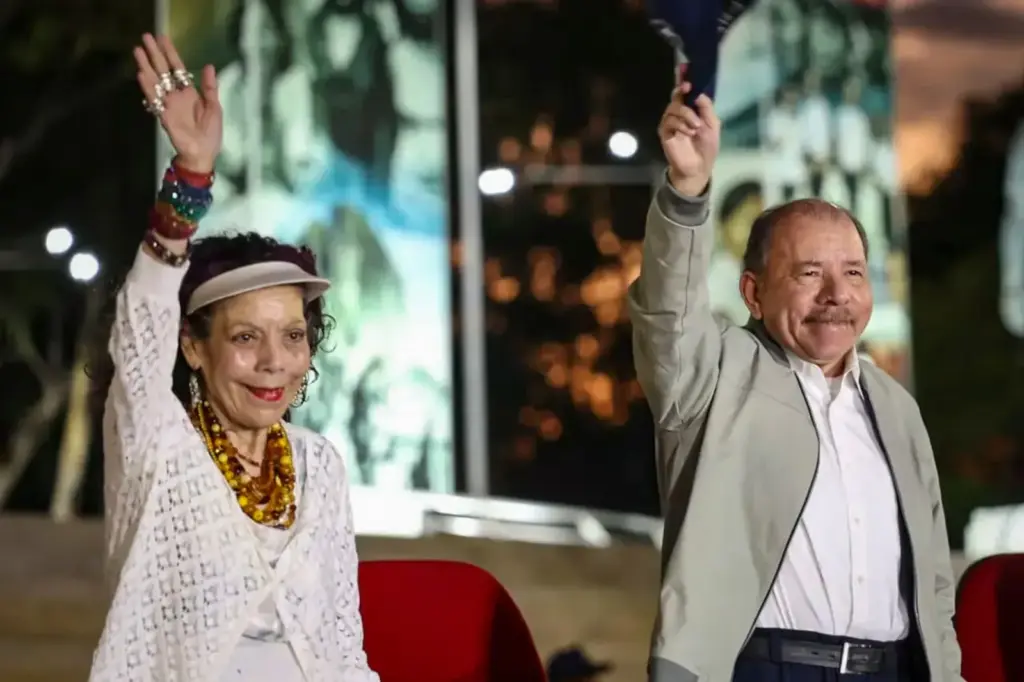
Analysts consulted agree that this wall is full of cracks. Researchers speaking anonymously point out that Nicaragua has evolved from being a transit corridor to consolidating itself as a logistical platform for transcontinental storage and export. Proof of this was the ton of cocaine from Nicaragua seized in St. Petersburg, Russia, in 2024.
The regime systematically denies that these shipments cross its borders and attributes the alerts to smear campaigns. However, evaluating official effectiveness is almost impossible due to institutional opacity. Tania Molina Rojas, a Costa Rican security consultant, calls Sandinista efficiency “taboo” and highlights the complexity of analyzing the criminal phenomenon in an authoritarian environment that restricts information.
This opacity was endorsed by the State Department in its INCSR report, which warns about the lack of bilateral cooperation and details that official seizures show a downward trend since 2008. Furthermore, an investigation by the media outlet Divergentes revealed that the Police simulate operations and that some seizures of “abandoned” drugs are, in reality, payments from organized crime in exchange for protection. Due to this lack of collaboration, Washington withdrew the DEA from the country in 2025.
The situation became complicated after Maduro’s fall: the New York Prosecutor’s Office indictment identified Nicaragua as a key transit point for the Cartel de los Soles. Faced with pressure, the regime changed tactics and in April 2026 announced three modest blows against drug trafficking, deliberately emphasizing that the drug came from Costa Rica, a move with which it seeks to clean up its image before Washington.
Costa Rica: The pacifist dilemma versus the “iron fist”
Costa Rica, the region’s historic oasis of peace, is going through its bloodiest years. With a homicide rate that doubles the figures of a decade ago, the infiltration of drug trafficking into public institutions is the main fear of the citizenry. The new president, Laura Fernández —who took office on May 8, promising continuity to the policies of her mentor and current super-minister Rodrigo Chaves—, faces a fiscal and judicial crossroads.
Fernández has avoided criticizing the violent preceding four-year term (2022-2026), but she fired the previous Minister of Security and has shifted towards the Bukele doctrine: this year she will inaugurate a maximum-security prison and is pushing to implement states of emergency in the hottest areas of the territory.
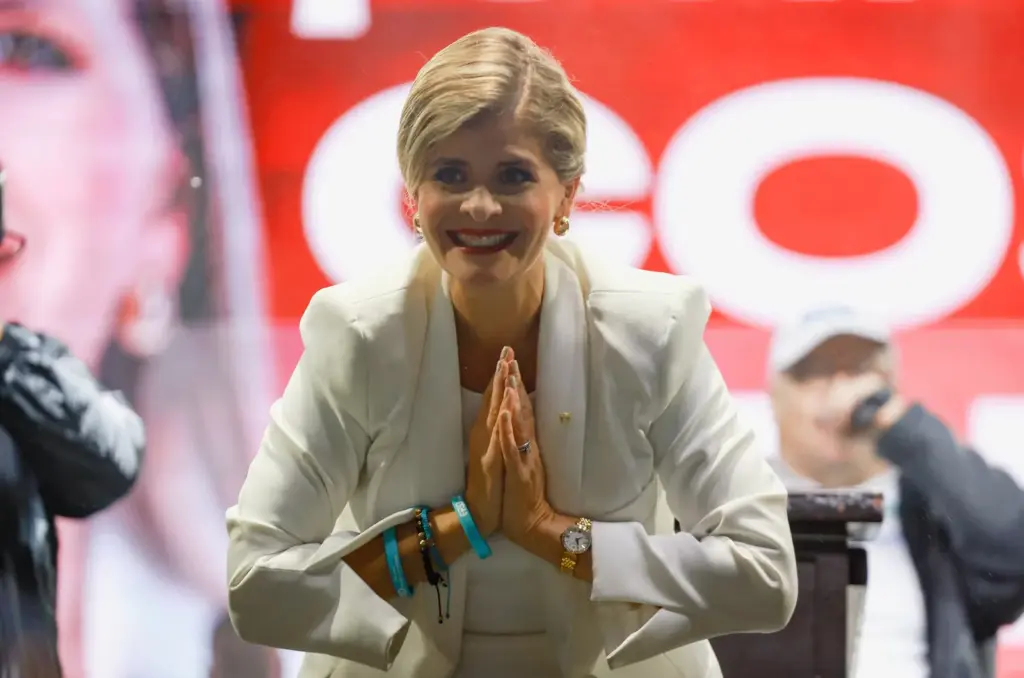
This shift occurs in close alliance with Trump’s Washington. In March, Chaves and Fernández traveled to Miami for the launch of the Shield of the Americas, where the possibility of joint military operations against cartels was even raised. For a society proud of not having Armed Forces, the issue is highly sensitive.
Although the Executive has ruled out the entry of foreign troops, the presence of the DEA and seizures by the US Navy on the high seas are common. Likewise, the Government bases its narrative of efficiency on container scanners donated by the US, although cocaine exports to Europe continue to trickle. Although seizures recovered to 46 tons between 2024 and 2025, experts agree that the figure does not speak of police success, but of the immeasurable volume of drugs saturating Costa Rican ports.
Panama: The Canal as the most coveted prize
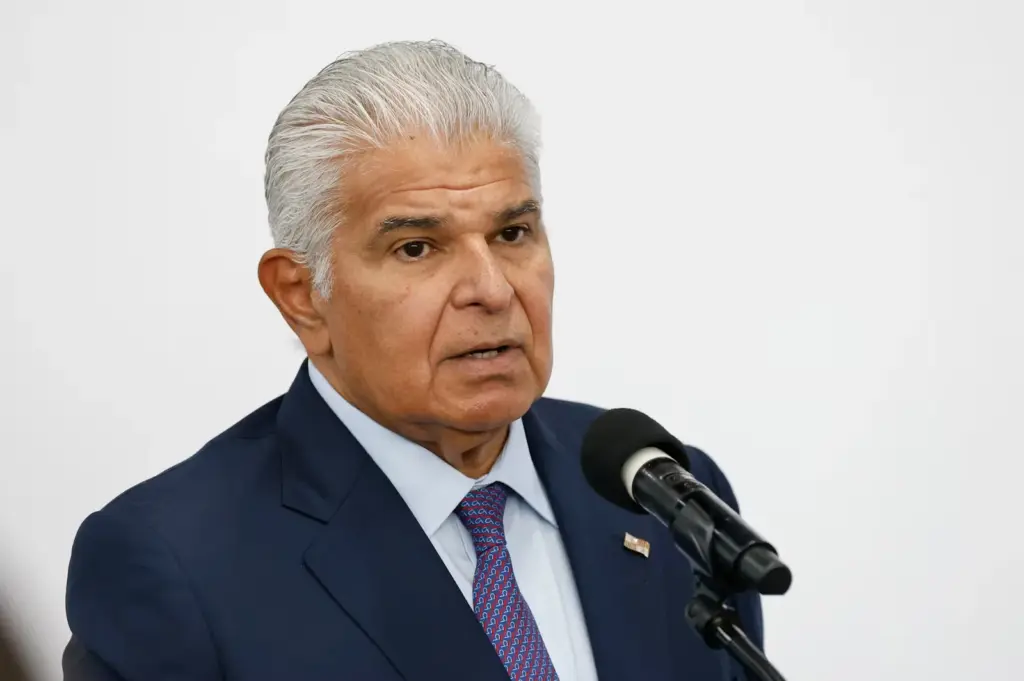
Due to its geographical position, Panama is the natural funnel for transnational trafficking. The State Department estimates that 30% of the cocaine produced in Colombia crosses Panamanian territory. Despite President José Raúl Mulino maintaining a tense relationship with the Donald Trump administration due to Washington’s pressure on the interoceanic waterway, the country leads regional seizure statistics: it intercepted 100 tons in 2023 and has accumulated more than 43 tons up to May 2026.
Panamanian authorities confirm that military pressure in the north is pushing trafficking further offshore. Luis de Gracia, director of the National Aeronaval Service (Senan), noted that speedboats now navigate parallel routes about 300 miles from the coastline.
With maritime routes under strict surveillance, Panama’s true Achilles’ heel lies in its docks. More than four million containers pass through its terminals each year, becoming the target of criminal networks. US intelligence agencies and Colombia’s CMCON indicate that the rip-on/rip-off technique (or “blind hook”) —consisting of contaminating a legitimate container with drugs and cloning its security seals with the complicity of port workers— is the main exit route to Europe and the US.
Likewise, the use of uninhabited island areas functions as temporary macro-collection centers. The discovery in July 2025 of 685 kilograms of cocaine hidden on Pedro González Island, in the Pearl Islands Archipelago, confirmed this modality in the eastern Pacific.
Mulino has formally joined Trump’s political front against mafias, but maintains an insurmountable red line against Washington’s claims to deploy joint military patrols in sovereign waters: “The Canal belongs to Panama and will continue to belong to Panama,” the president concluded, summarizing the region’s fragile balance against drug trafficking and its sovereignty.
Read more Gutiérrez, the town where eight out of ten residents voted for Abelardo De la Espriella