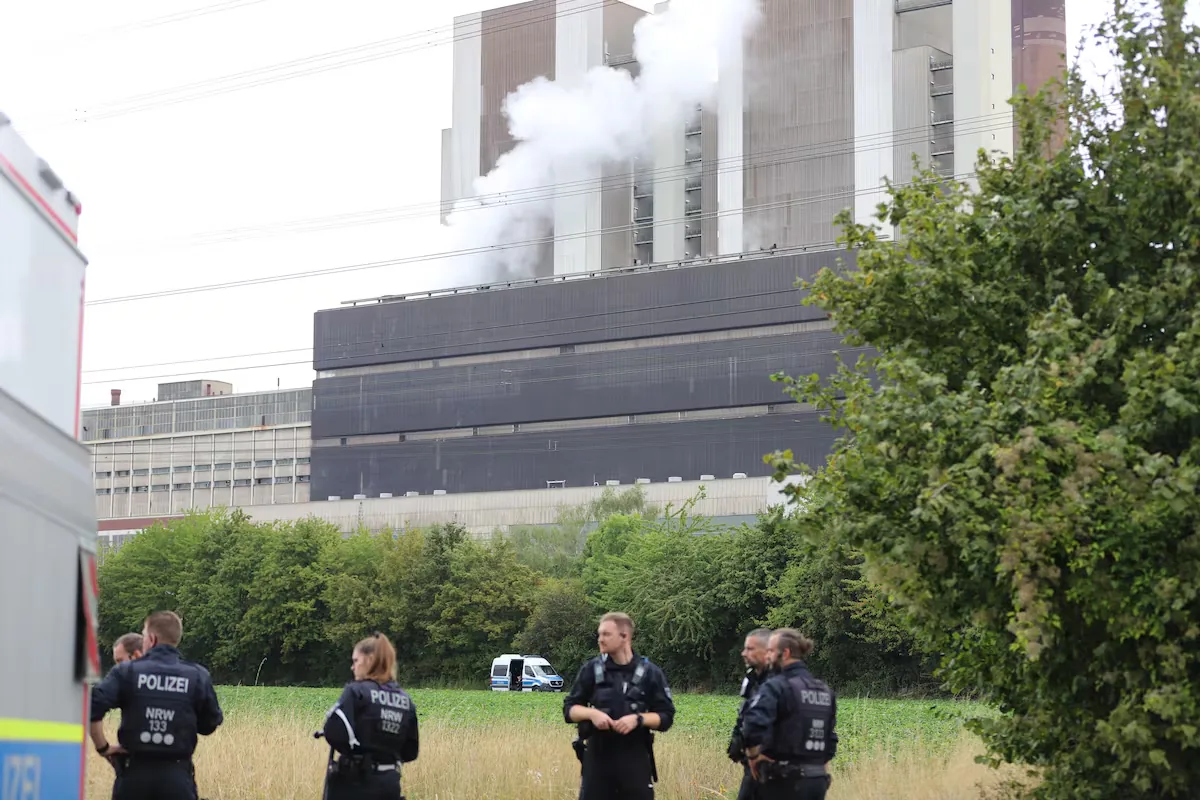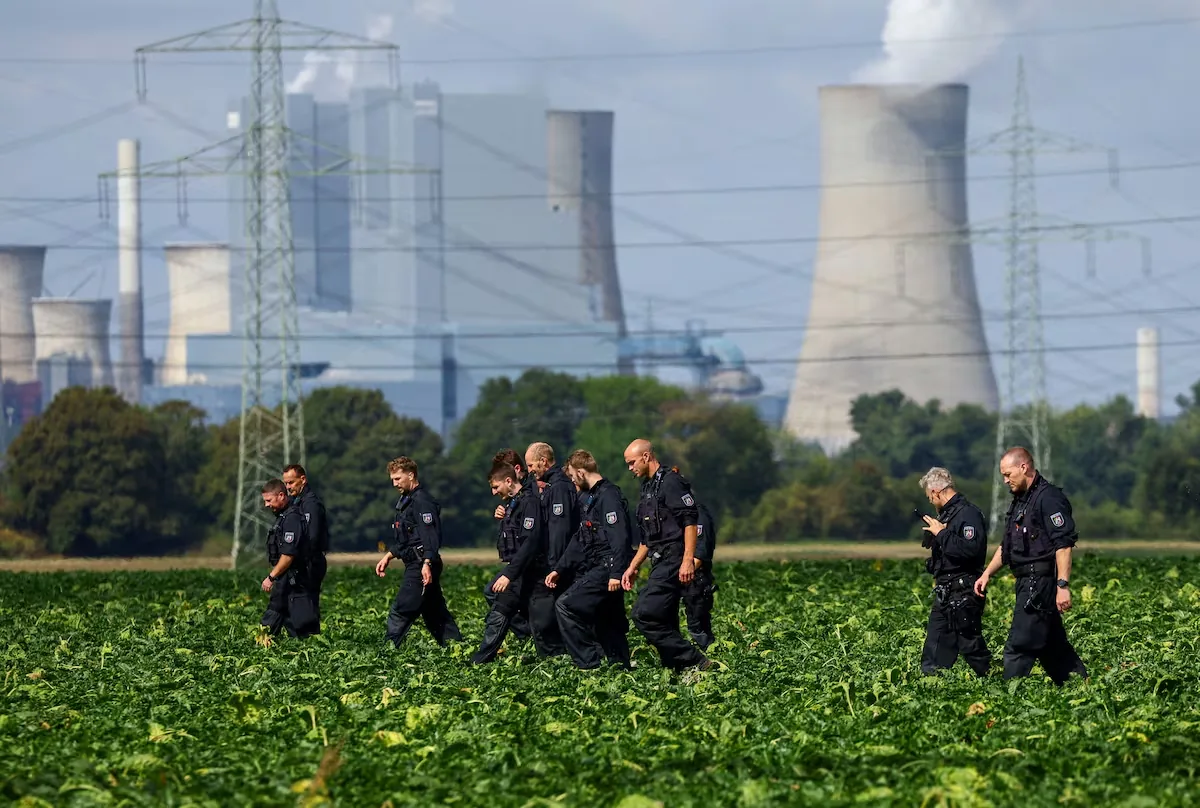



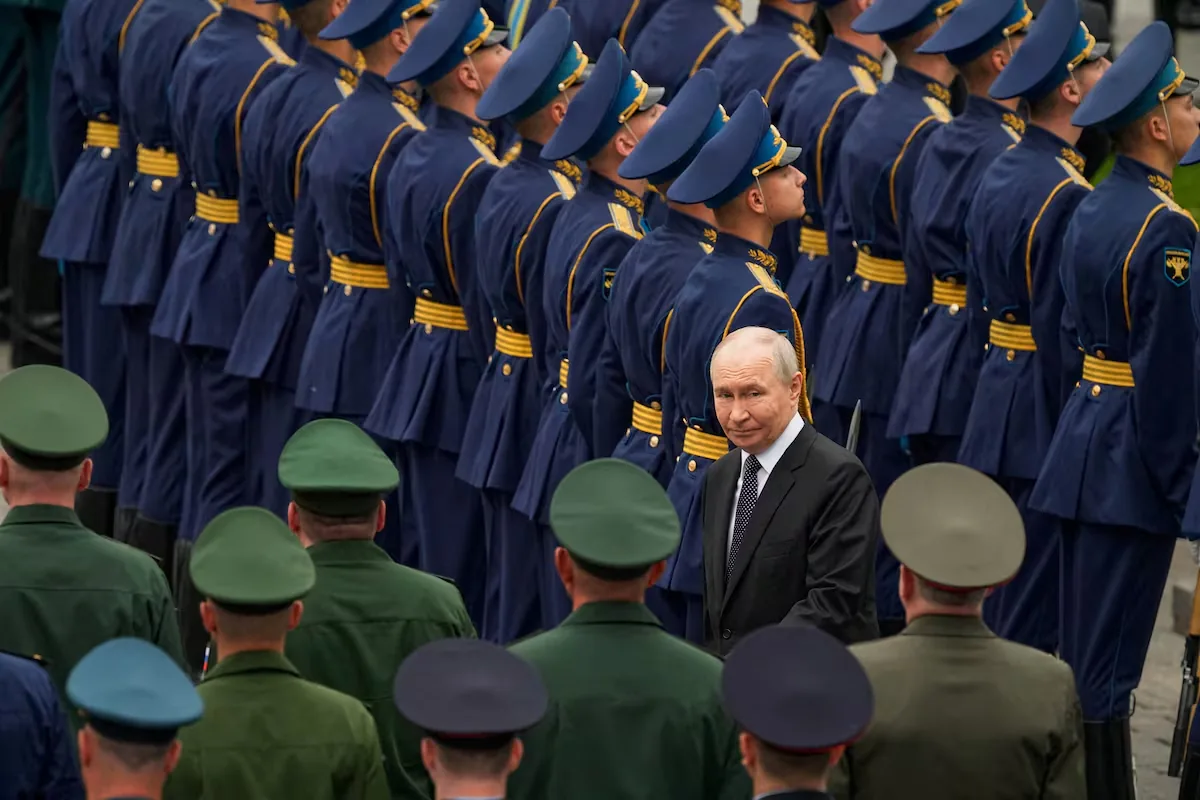
Refineries bombed and gigantic columns of smoke over cities across the country, Internet blackouts, forced recruitments, economic crisis, and, in the middle of the summer period, fuel rationing. None of this has caused protests in Russia and no one expects them. President Vladimir Putin’s popularity ratings have indeed dropped drastically in recent months, but three out of four Russians approve of his management and, even more importantly, the leader has a couple of million security agents at his service.
Read more Spain-Argentina, the true Finalissima decides the World Cup
In any case, Putin walks a fragile balance: the spiral of silence that reigned in Russia, the fear of being marginalized for expressing an opinion, has broken this year and many Russians openly talk with their neighbors about the impact of the invasion of Ukraine on their lives. The Kremlin bets on a war of attrition with the confidence that Ukrainian society will succumb, but the murmurs of its own people force it to carefully calculate its next repressive measures, inevitable to continue a conflict that is already in its fifth year and may last several more.
Only 52% of Russians believe the country is heading in the right direction, two percentage points more than in January 2022, just before the invasion of Ukraine began, according to the independent sociological research center Levada. This is a very low percentage for a regime that controls all the media and presents its people against a supposed common enemy: Ukraine and the West, according to the official narrative. This approval rating had always been above 70% since Putin ordered the attack until the economic crisis began to be felt at the end of 2025.
Levada’s polls offer a credible snapshot of the country. Distrust of their results in a repressive environment is understandable, but the center, with almost 40 years of history, follows rigorous standards in its surveys. Its professionals do not call people by phone or stop them at random in the middle of the street, but conduct personal interviews door to door. A process that its director, Alexei Levinson, describes as “complex and costly,” but which, he maintains, “has proven to be the most reliable in Russian cities and towns.”
Putin’s image has also been tarnished this year by the accumulation of problems. His approval has dropped from 85% to 75%, according to another Levada survey. A striking drop, although still far from its lowest point: 59% in April 2020 due to coronavirus lockdowns, a low floor for an autocrat.
That drop in popularity worried the Kremlin to the point of practically lifting all COVID restrictions in exchange for an excess mortality of more than one million deaths, according to studies published by the United States National Library of Medicine and the scientific journal Lancet. By comparison, in the Ukraine war, 217,808 Russian soldiers have died to date, according to an investigation by the British BBC and the banned Russian media Mediazona, which estimate the real figure reaches 352,000 deaths.
The Kremlin labeled the Levada center with the stigmatizing tag of foreign agent. However, the image projected by its surveys is supported by polls from official institutions, with even worse results for Putin. According to the Kremlin’s polling agency, VTsIOM, Putin’s approval has plummeted to 66.9% from the peak of 79.2% reached in May 2025, suffering in June this year its largest weekly percentage drop since 2018.
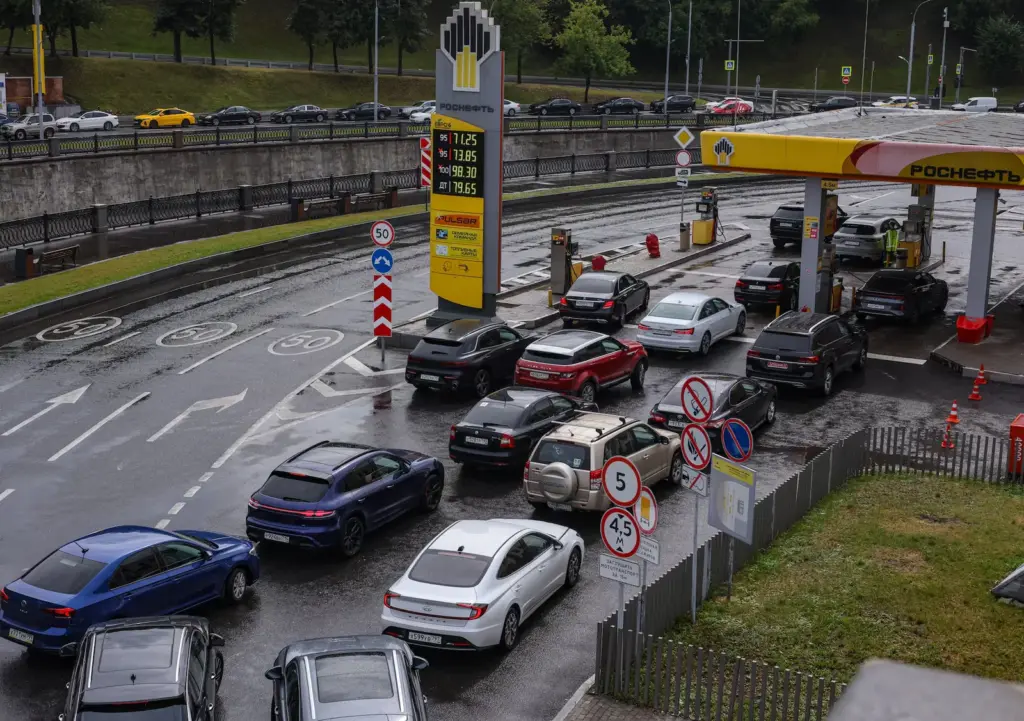
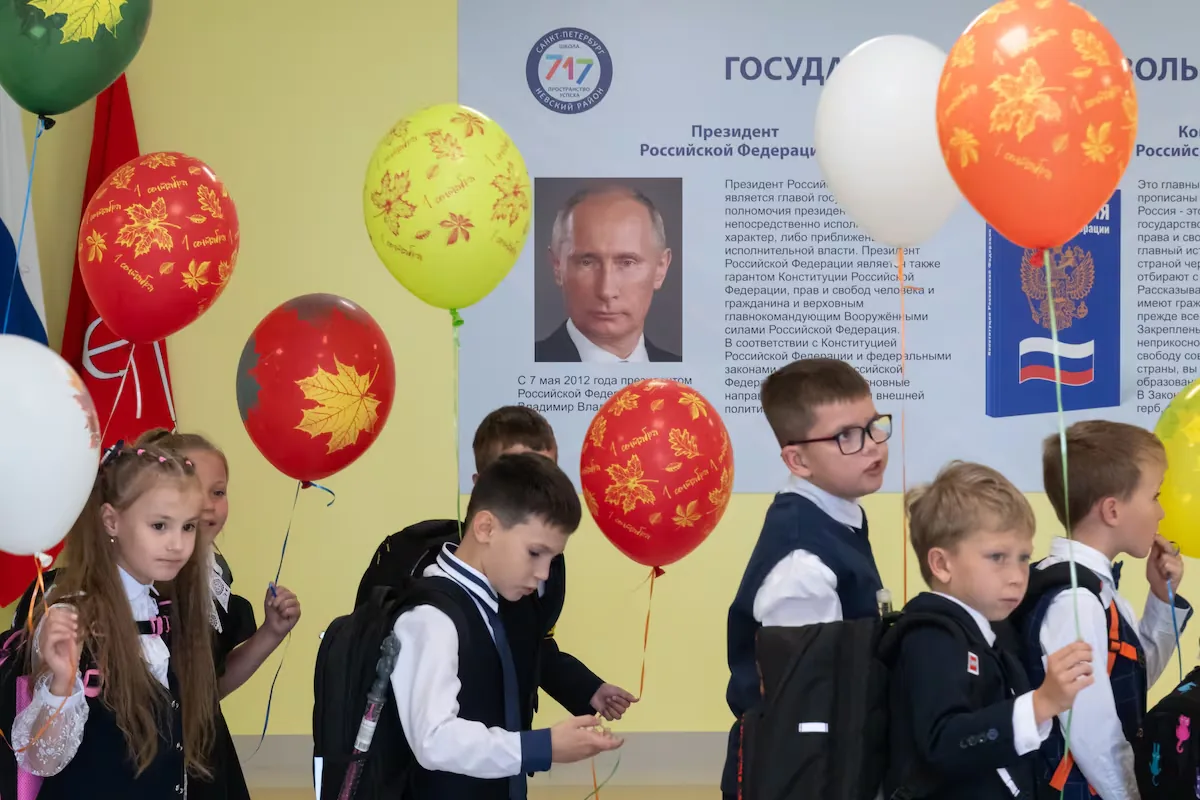
Russians united around their flag at the start of the conflict, but this no longer serves the Kremlin to cover all its problems after four and a half years of war. Discontent with the authorities has returned to pre-invasion levels, when complaints accumulated over the pension age reform, COVID management, repression unleashed after the detention of dissident Alexei Navalny in January 2021, and the very fatigue of three decades of Putinism extended until 2036 thanks to constitutional amendments during the pandemic.
“The fuel shortage does not represent a turning point, there have been many before, and people are adapting to this crisis,” says Andrei Kolesnikov, a Russian political analyst, by email.
The director of the Riddle analysis center, Anton Barbashin, shares a similar opinion by phone. “This crisis will not become a turning point; a turning point can only occur on the front line,” Barbashin maintains. And he adds: “Ukrainian attacks are causing many problems and inconveniences, but there is no indication that Russians blame Putin.”
In Barbashin’s opinion, the Russian president “can and will impose his budget priorities, and the situation will become increasingly difficult, but the resources of the Russian economy have not yet been exhausted. Far from it.”
Military and police spending accounts for around 40% of the Russian budget despite the crisis becoming evident since 2025. In fact, the Ministry of Finance was considering cutting “non-essential” items, that is, social ones, just before the war unleashed by Israel and the United States against Iran last February.
The Hormuz crisis gave a boost to Russian oil exports for a few months, but it was only a mirage. The Russian Urals oil barrel, which includes discounts to compensate for sanctions, fell to about $41 in early July, far from the $59 that balance this year’s budget, and the deficit exceeded 2.5% of GDP in June compared to the 1.6% forecast for the whole year.
To make matters worse, Russia, an oil power, has begun importing fuel from third countries to alleviate its shortage. According to the government, budget revenues from oil and gas fell 22.7% in the first half, to 3.66 trillion rubles (more than 40 billion euros), and Reuters estimates that its refineries have lost 25% of their productive capacity due to Ukrainian attacks.
However, the reduction in Russian war capacity does not imply its collapse. Hydrocarbon revenues represent only 20% of the entire budget. “The budget has already been exceeded, although Putin seems to care little. The deficit will continue to grow, as will the lack of funding for all kinds of sectors and the intensification of tax pressure,” warns Kolesnikov.
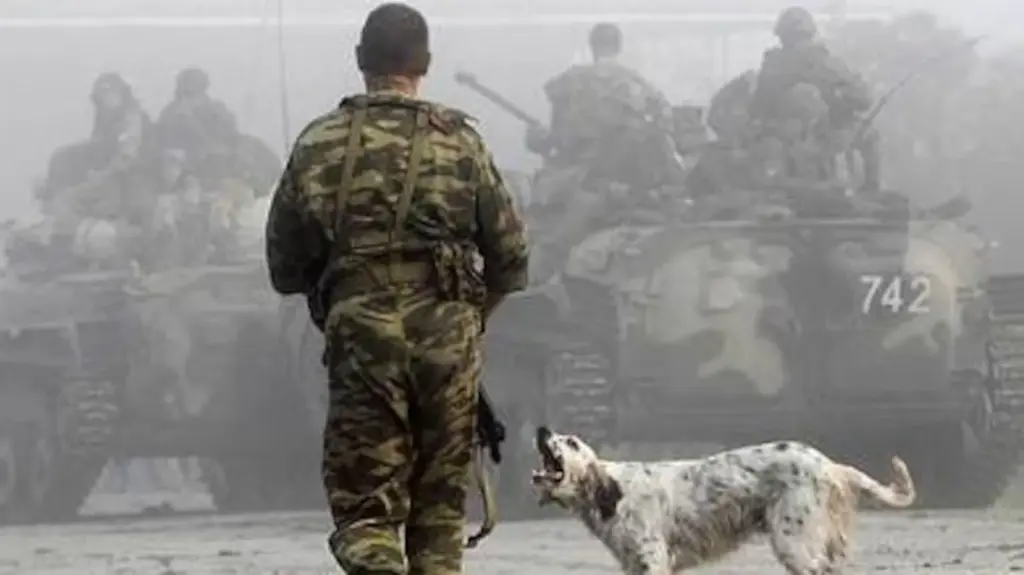
The Kremlin chose to offer high salaries for enlisting in the army after its dramatic forced mobilization in 2022, one of the tensest moments of the war. However, there are signs that its recruitment rate has fallen below the 30,000 men per month it enlisted until last year.
Putin called his invasion of Ukraine a “special military operation,” but his spokesperson, Dmitry Peskov, admitted in early July that this is already “a war” fought against the West. According to Russian military doctrine, this new status could imply greater mobilization, both in industry and in troop recruitment.
And mobilization is a critical line for the population. In mid-June alarms went off when it became known that many men were being forcibly taken to recruitment centers in Penza, 500 kilometers east of Moscow. The region’s military commissioner, Andrei Surkov, stated that it was not a mobilization, but a series of raids “with the purpose of searching for citizens who evade military registration or have left their units without permission.”
Some Russian military experts have told this newspaper that a mobilization would not change the situation on the front. Moreover, it could worsen Russia’s problems. When the Kremlin undertook this measure in 2022, hundreds of thousands of men left the country or hid, and protests broke out that were quickly repressed by the police.
Kolesnikov emphasizes that Russians’ fatigue is palpable today and the Kremlin will have to calculate its next repressive measures so as not to exceed irritation levels that are still tolerable for the population.
“A new mobilization would not only destroy the labor market but also the Kremlin’s social contract with the population, which, after four and a half years of war, refuses to continue paying the state with the lives of its men,” warns Kolesnikov. “I believe the authorities will continue with their latent mobilization policy and replicate [in other regions] the experience of Penza,” the expert opines.
Going out on the streets is not an option
“Do not fear for your beloved homeland, the Russian people have already suffered enough and will survive whatever the Lord has in store for them. They will endure everything, and a wide and clear path will open to their hearts,” wrote Russian playwright Nikolai Nekrasov in one of his works. Two centuries later, the philosophy remains the same.
Russians do not foresee any protests against the Kremlin soon. All polling agencies agree on this, both independent and those controlled by the authorities.
At the height of Internet outages, an April Levada survey found that 72% of Russians saw no potential for the population to protest and another 8% did not know what to answer, while only 20% believed a demonstration was possible.
The percentage of Russians who saw a protest as possible had barely increased from the 14% recorded at the end of 2024, the most stable moment of the war, and was still much lower than the 42% in January 2021, which marked a before and after in Russian repression. That month systematic repression began after the arrest of dissident Alexei Navalny, who died poisoned three years later in prison.
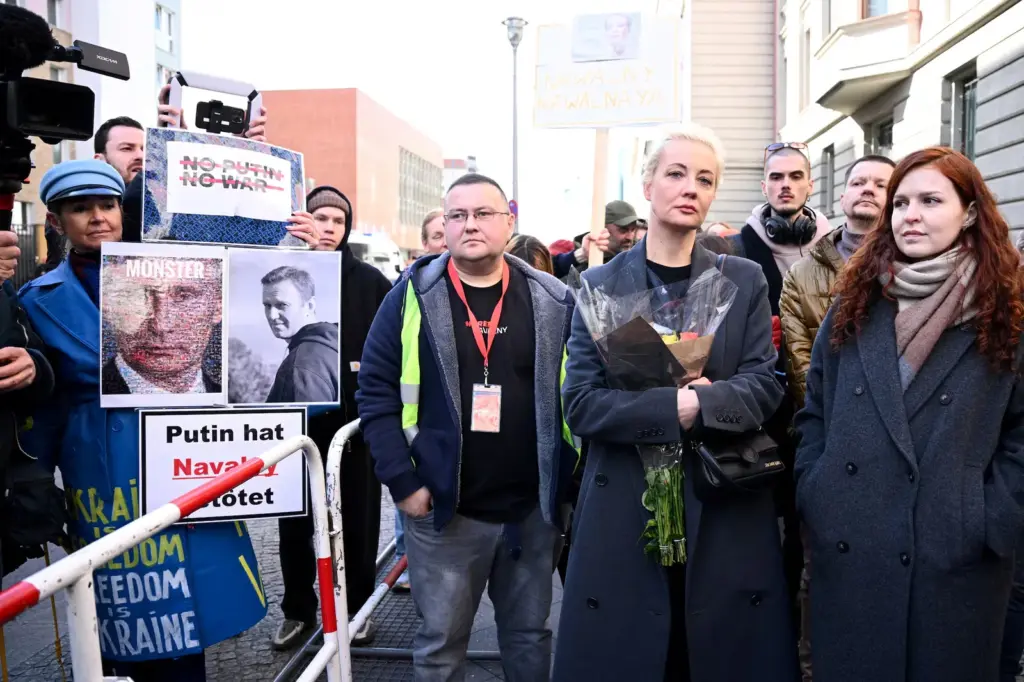
Another devastating result of the survey was that only 16% of respondents were willing to join hypothetical protests. And the truth is that the risk of demonstrating is very high: at least 4,801 people are today victims of political persecution in Russia, 2,175 are in prison, and many more have left their homes for exile, according to the human rights organization OVD-Info, declared “extremist” by the Kremlin.
Levada’s observations align with more recent results from official polling centers, already conducted amid the fuel crisis. The Kremlin agency VTsIOM indicates that 18% of Russians see potential for protests and 14% would join them, while FOM reports that 16% think hypothetical demonstrations would have massive follow-up compared to 44% who believe they would be small.
Still, discontent hangs in the air. “The situation is absolutely under control, it is predictable and there is the necessary safety margin,” spokesperson Dmitry Peskov said in mid-July.
Foreign Minister Sergey Lavrov ended any hope his citizens had for a near truce on July 9. “The president has clearly emphasized that we will continue working to achieve the objectives he set out in his June 2024 speech,” Lavrov said. These objectives, besides including the complete occupation of the Ukrainian regions of Donetsk, Luhansk, Kherson, and Zaporizhzhia, include the disarmament of Ukraine, its abandonment by the West, and the imposition of a regime aligned with Moscow.
Read more At least eight dead in a Ukrainian bombing of facilities of a major logistics company in Russia