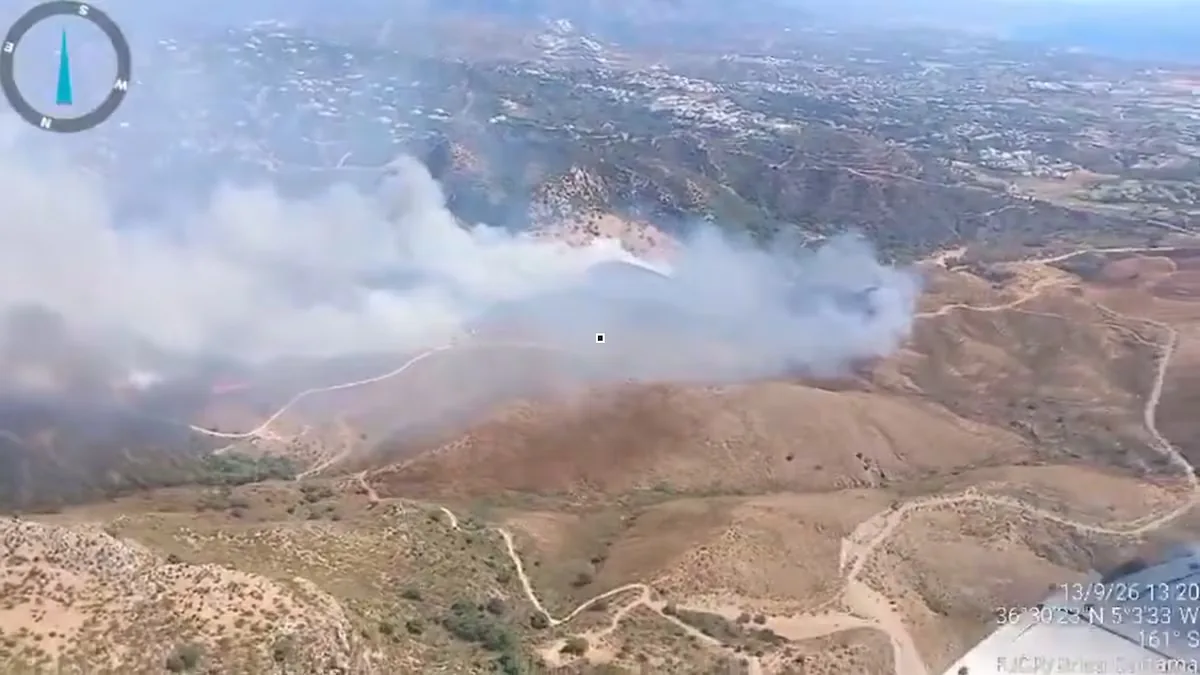






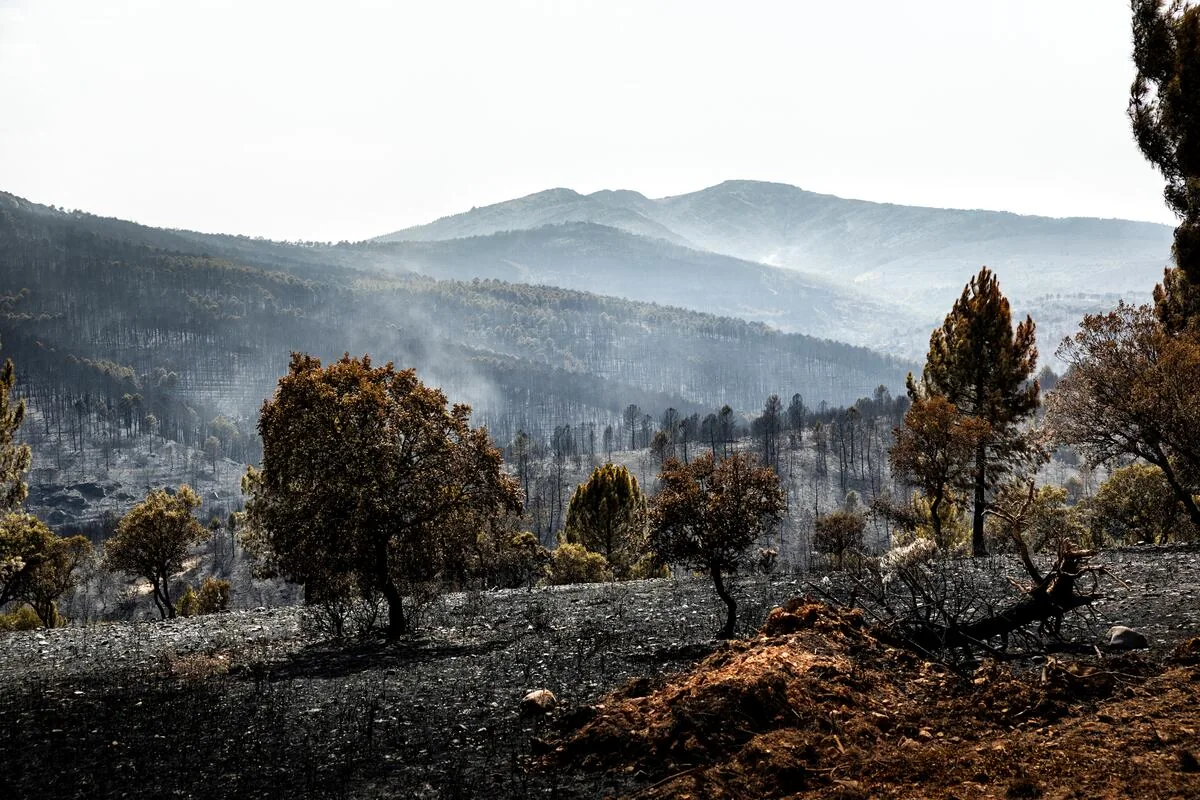
The La Mierla fire (Guadalajara), the largest in the history of Castilla-La Mancha, which has devastated more than 32,000 hectares, has now entered a “stabilization” phase, as announced this Wednesday by the president of Castilla-La Mancha, Emiliano García-Page, from the advanced command post in Tamajón, in a joint statement with the President of the Government, Pedro Sánchez, who visited the affected area seven days after the fire started. Before their statement to the media, both greeted all members of the emergency services, who have been working on extinction efforts since last Thursday. From there, Sánchez once again insisted on the “need” to close a State pact for the climate emergency, as he already did in the Los Gallardos fire, in Almería.
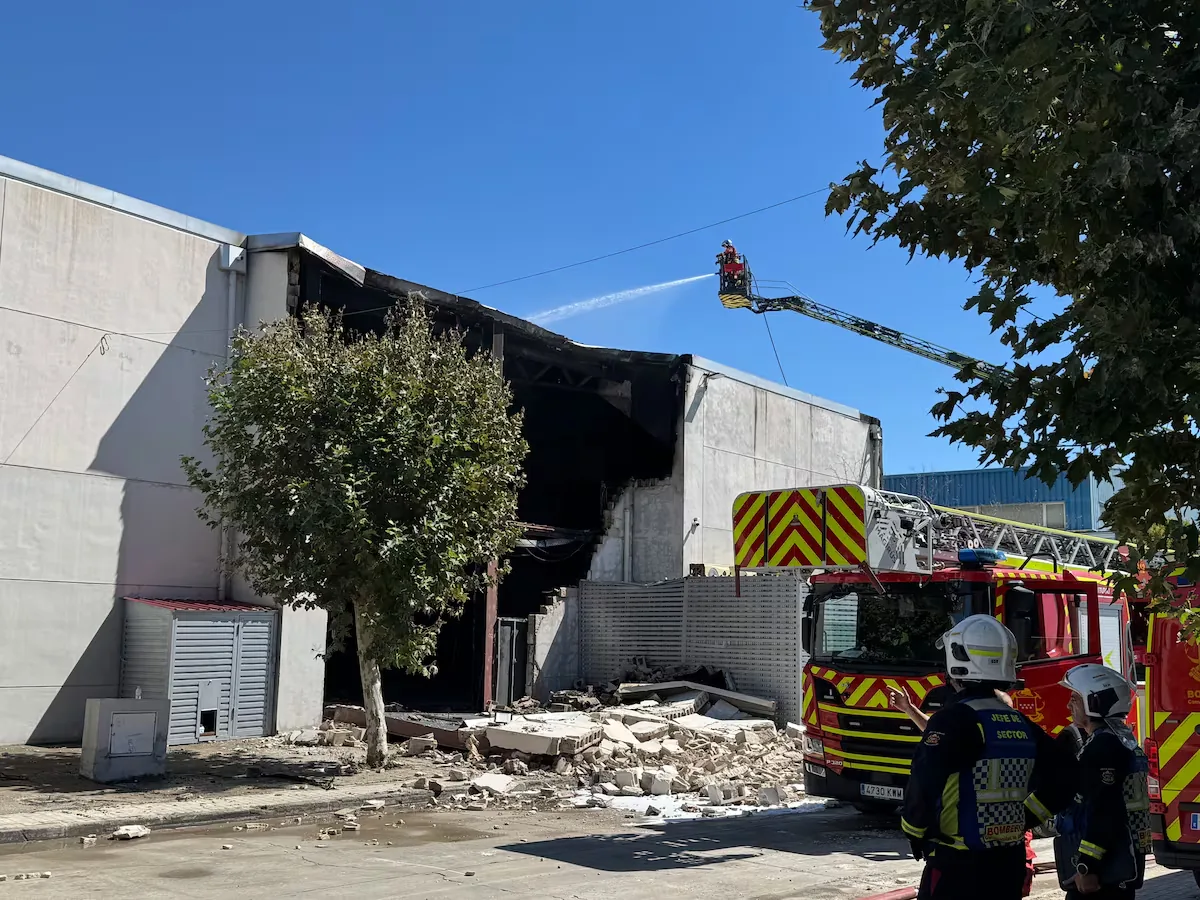
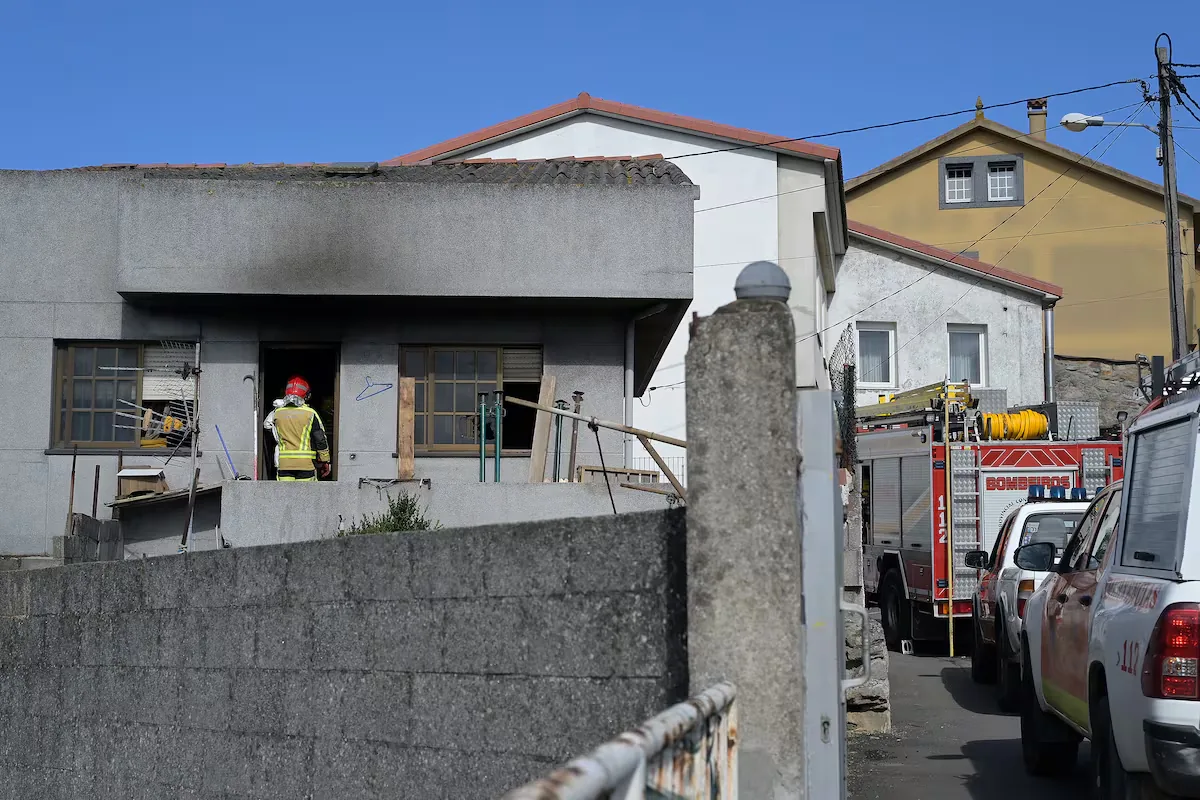
For the moment, seven autonomous communities are on alert due to high temperatures, reaching 42 degrees in some areas, in what is the third heatwave of the summer in Spain. This complicates the extinction efforts for the forest fires affecting the country, mainly in Castilla y León and Castilla-La Mancha, where they are suffering the worst consequences. Around 2 PM this Wednesday, a new forest fire forced the confinement of about 300 residents of the Can Paulet and Les Rovires urbanizations in the municipality of Cervelló (Barcelona). And the Junta de Andalucía has ordered the complete evacuation of Villanueva de las Cruces (Huelva), with about 380 inhabitants, due to the proximity of the flames from the fire that has been affecting an area of the neighboring municipality of El Cerro del Andévalo since Tuesday night.
Although the La Mierla fire has not yet reached the territory of Castilla y León, the Junta could not rule out that the flames would reach the province of Soria, after a fire jump was registered on the western flank of the fire, which has forced the reinforcement of the operation, reports Juan Navarro. In that region, the fire declared last Thursday afternoon in Brieva (Segovia) persists, evolving favorably and reducing its severity to level 1 after burning 3,000 hectares, allowing residents of the towns of Berrocal and Carrascal de la Cuesta to return to their homes.
According to García-Page, the La Mierla fire could be considered “stabilized” by tomorrow, Thursday, despite the wind gusts. This Wednesday morning, he announced, in any case, that the fire is entering a new phase of “reasonable optimism”: “For the first time, we are ahead of the fire. We are beginning to face it with many more guarantees of success.”
The latest calculation of the burned area amounts to 32,000 hectares, and throughout the day, the evacuation order for five municipalities has been lifted: Riofrío del Llano, Cardeñosa, Santiuste, Angón, and Rebollosa de Jayaque. And, probably, throughout the day, the evacuation of La Mierla, the municipality where the fire started, will be lifted. The Manchegan leader praised the authorities for being able to protect 40 population centers, “with serious risk to the lives of the operatives.” According to his calculations, without a special level of protection, between five and six population centers would have been devastated.
Read more Zelensky tries to close the crisis with a shift in how the war is managed
In the Selas fire, also in Guadalajara, the right flank has been perimetered and the left “is at 50%” with the head “completely controlled”. The hectares affected by this fire – which started, according to initial hypotheses, due to a traffic accident on the N-211 – amount to 2,600. The operation has lifted the evacuation of Anchuela del Campo, one of the six municipalities evacuated due to this level 2 fire that keeps about 200 residents out of their homes, re-housed in a pavilion and a nursing home in Molina de Aragón. “It’s something uplifting amidst so much drama,” García-Page highlighted when reviewing the deployment in both fires, in which personnel from several autonomous communities also participate. “We will push as hard as possible today and tomorrow in both fires, awaiting the complication of the winds expected for Thursday,” he said. In Ayna, in the Albacete Sierra del Segura, the third of the fires affecting the region, which has burned between 20 and 25 hectares, is “finished,” he explained. Reports José C. Rejas.

“Spain needs a great agreement, a great State pact against the climate emergency because we cannot remember fires or climate emergencies only when they occur. We have to do it beforehand, we have to raise awareness among citizens,” Sánchez insisted. Along the same lines, the President of the Government insisted that one should not “trivialise the effects of the climate emergency” and that it requires serious treatment from political powers. “That is not politics, it is not ideology, it is science,” he said. The president lamented that from January to July there have been 22 large fires in Spain, “four times more” than the previous year.
“More than 100,000 hectares burned, that is the annual average that Spain suffered in the last decade,” Sánchez summarized, before insisting that the Government “will be there, as it always has been, providing resources for fire extinction, but also providing economic resources for the recovery of affected areas.” For now, he has not quantified this resource support; however, this Tuesday, before the same microphones, the third vice-president and Minister for Ecological Transition, Sara Aagesen, announced that the Government will cover 50% of the recovery after the La Mierla fire.
Both socialist presidents highlighted the coordination between the central and autonomous administrations and the “tremendous effectiveness” in protecting the population and the members of the deployed operation. “The deployment has been historic for Castilla-La Mancha,” added García-Page, who also issued a warning against those who “trivialise climate change” because “they are part of the fuel for fires.”