








EL PAÍS offers the América Futura section openly for its daily and global informative contribution on sustainable development. If you want to support our journalism, subscribe here.
Read more The Government of Peace in Bolivia strips the State of indigenous symbols
When the match ended, Dominican tennis player Nick Hardt could barely stand. After three hours and fifty minutes against Argentine Nicolás Kicker, at Parque del Este in Santo Domingo, cramps started in his quadriceps and ended up taking over his abdomen and back. On the other side of the net, his opponent was vomiting. Neither of them could walk. “I couldn’t coordinate my thoughts well anymore,” recalls Hardt, Central American gold medalist and ATP Challenger champion.
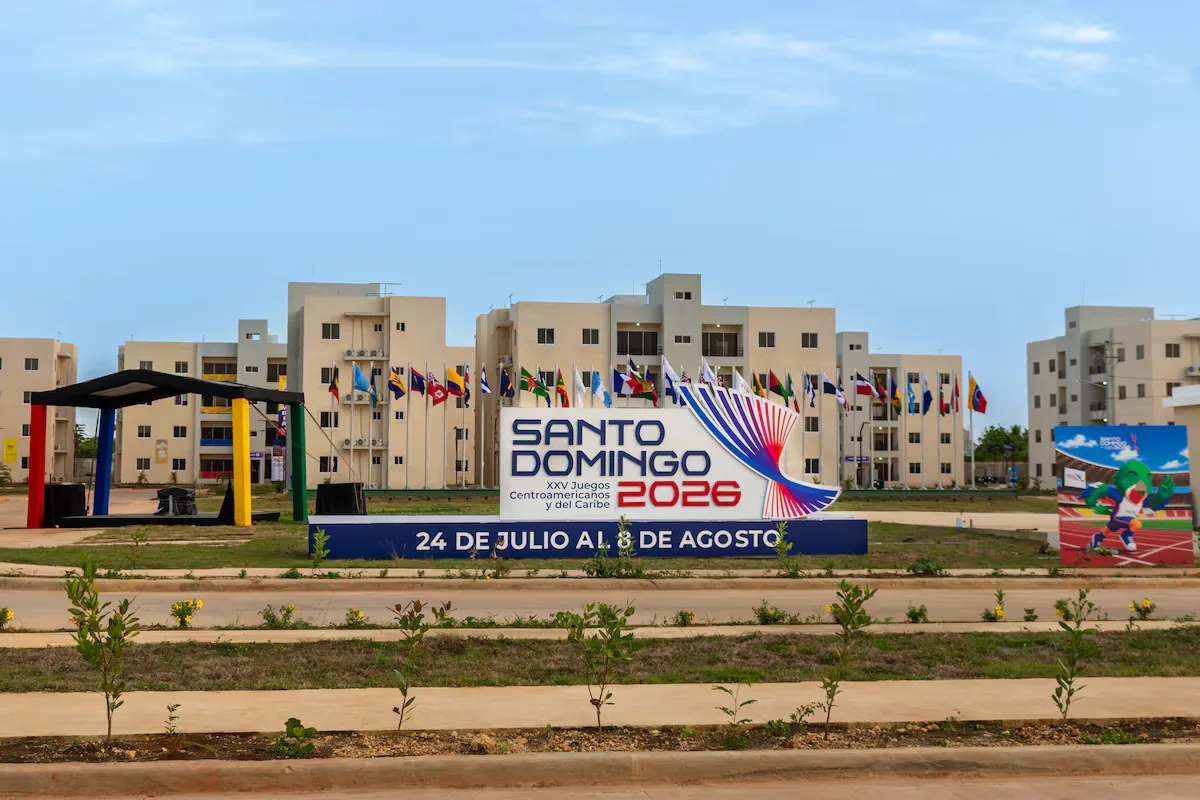
It was June 10, 2021. Santo Domingo registered about 30 °C, humidity close to 90%, and a thermal sensation near 40 °C, while a tropical wave kept the capital under yellow alert, according to historical data from the Dominican Institute of Meteorology (Indomet). Five years later, Hardt will compete again on those same courts during the XXV Central American and Caribbean Games, which will bring together some 6,000 athletes from 40 countries in 56 disciplines, between July 24 and August 8. The event coincides with the centenary of the sporting event, inaugurated in Mexico City in 1926. In addition to his rivals, the Dominican athlete will face a shared adversary: a warmer climate than that which greeted the editions held in the Dominican Republic in 1974 and 1986.
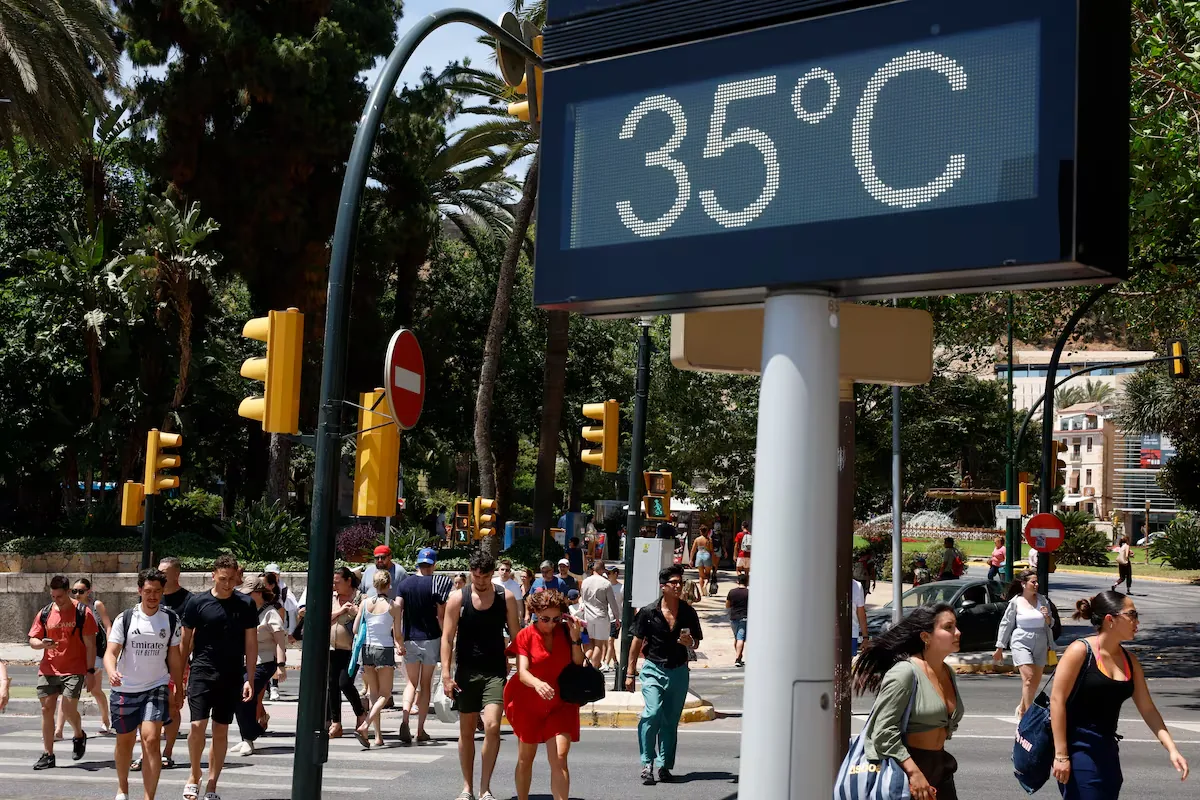
Air temperature only indicates what the thermometer reads. The real challenge for the body is heat stress, which also incorporates humidity, solar radiation, and wind: variables that determine whether the body can dissipate the heat it generates during exertion. Dr. Julien Périard, a researcher at the University of Canberra and one of the leading specialists in exercise physiology in heat, explains that the body relies on sweat evaporation to cool down. When humidity increases, this mechanism loses effectiveness. “Sweat continues to appear, but it remains on the skin instead of evaporating. The body must send more blood to the surface to try to cool down and, at the same time, maintain the flow that muscles need to continue producing effort,” he emphasizes.

This competition for blood flow increases heart rate, accelerates fatigue, and reduces performance. If the exertion continues, he adds, cramps, heat exhaustion, or, in the worst case, exertional heat stroke can occur.
Gloria Ceballos, director of Infomet, maintains that the Dominican Republic is already competing under different conditions than just a few decades ago. And the most significant change does not necessarily occur under the midday sun. The so-called warm nights, where the temperature barely drops and the body recovers less effectively from accumulated effort, increased from about 44 per year in the 1980s to more than 190 between 2021 and 2025.
For those who will compete multiple times during the tournament, that loss of recovery can be decisive. “In the coastal venues planned for the Games, temperatures close to 32 °C combined with humidities of 60 to 80% can translate into thermal sensations close to 40 °C,” he assures.
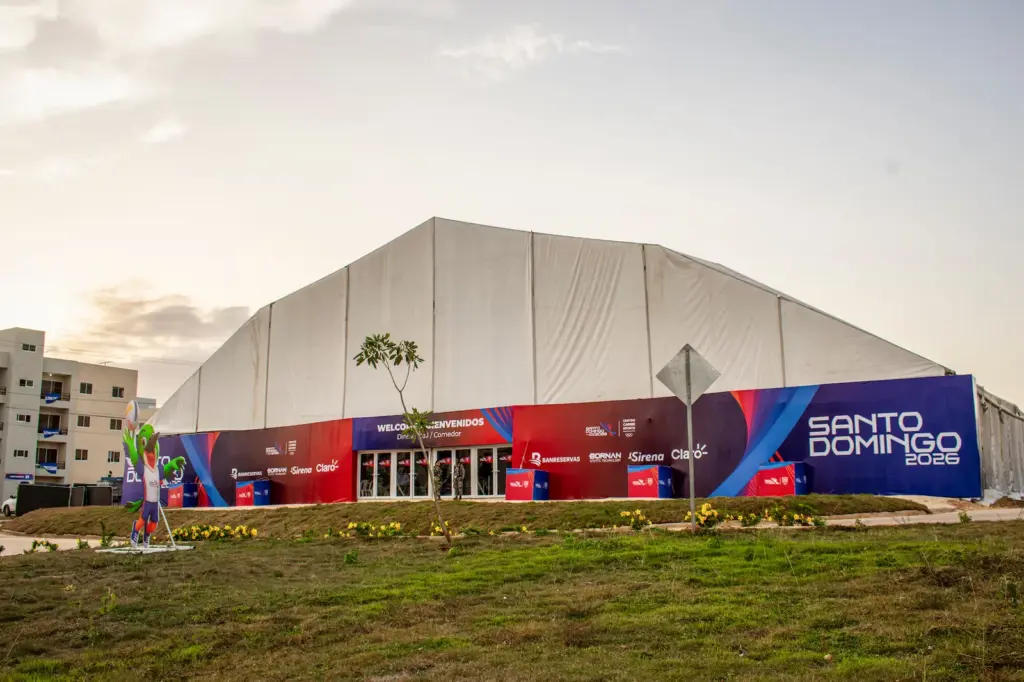
But these are not the only climatic challenges. In addition to humid heat, there are Sahara dust intrusions, the start of hurricane season, variability associated with El Niño and La Niña, and the pressures inherent in densely urbanized cities. “The result demands constant monitoring and instant adaptability, not protocols designed for a single danger,” says Karina Izquierdo, a climate vulnerability specialist and advisor for Latin America and the Caribbean at the Red Cross and Red Crescent Climate Centre.
A challenge that has already tested other Games
Recent experience shows that the challenge is not new. In Barranquilla 2018 and San Salvador 2023, heat and humidity forced a reinforcement of recovery strategies in several outdoor disciplines. Globally, the Doha 2019 World Athletics Championships marked a turning point: only 40 of the 68 athletes finished the women’s marathon, an experience that influenced the IOC’s decision to move the marathon and race walk from Tokyo to Sapporo.
For Izidine Pinto, a researcher at the Royal Netherlands Meteorological Institute (KNMI) and a member of World Weather Attribution (WWA), analyzes the effects of climate change on these figures. “Heat — and especially combined with high humidity — must be incorporated from the earliest planning stages of any major sporting event, just as other essential safety aspects are considered today,” he points out.

Although there is no specific attribution study for the Caribbean yet, Pinto assures that the available evidence allows us to state that athletes will compete in a baseline climate warmer than that of four or five decades ago.
Read more A Louisiana community rebels against a new ICE center to detain and deport families
The WBGT (Wet Bulb Globe Temperature) is the international indicator used to estimate the thermal load supported by the body. Unlike the heat index, it must be measured directly on the playing field. “A distant weather station may not represent the real conditions on a tennis court, a synthetic track, or a beach,” Pinto clarifies.
This criterion coincides with the recommendations of the scientific consensus promoted by the IOC. However, the Olympic entity also does not set a single WBGT value that automatically forces the suspension of a competition. The decision depends on “the type of event, the conditions measured at the venue, and the available medical response capacity.”
Santo Domingo 2026’s commitment
Luis Mejía, president of Centro Caribe Sports —the body responsible for the Central American and Caribbean Games—, explains that the WBGT will be used as a reference to evaluate environmental conditions, although he clarifies that there will be no automatic threshold for suspending a competition. “Any decision will depend on the evaluation of the Organizing Committee and the medical team,” he emphasizes.

Among the planned measures, he mentions schedule adjustments, lighting to move events to less hot times, hydration, ice, and improvements in air circulation. The Central American and Caribbean Village, where some 6,700 people, including athletes and technical staff, will be accommodated, will also have air-conditioned apartments.
Cool first; transport second
Scientific studies warn that having water, ice, and cold towels is not enough when the body stops effectively dissipating heat. Hydration is part of the response, but it does not replace risk assessment or the ability to act quickly when an athlete collapses.
Dr. Douglas Casa, a professor at the University of Connecticut (UConn) and health and heat stress advisor for organizations such as World Athletics and the IOC, summarizes the recommended international protocol with a phrase that has transformed medical response in major competitions: “Cool first, transport second” (Cool first; transport second).
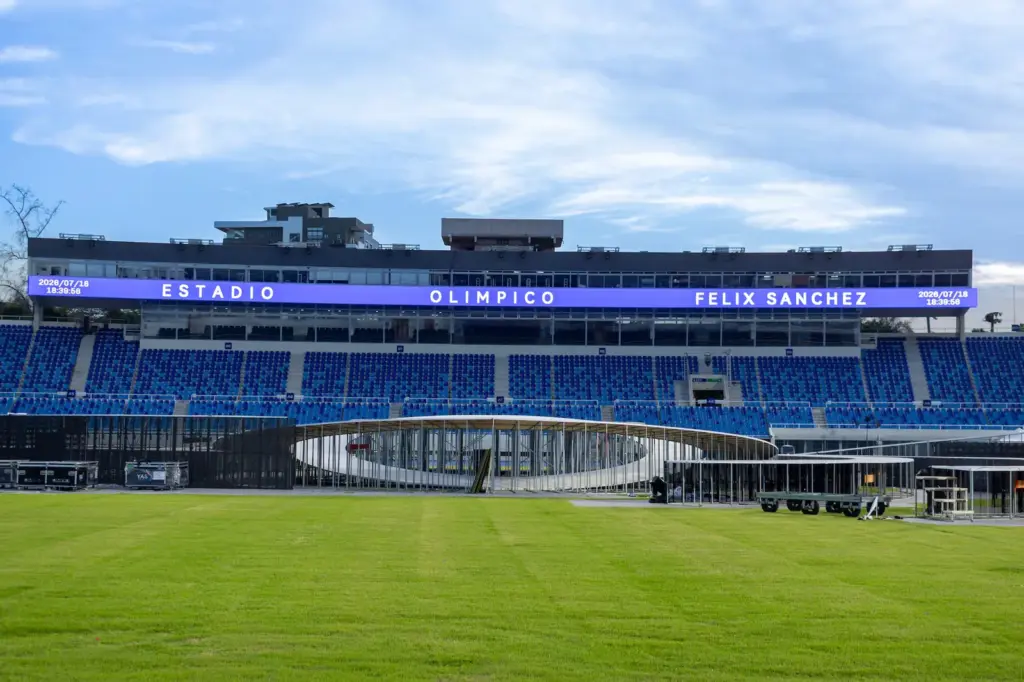
His research shows that survival depends on reducing body temperature during the first minutes after collapse. They also maintain that rectal temperature is the only accurate method to confirm exertional heat stroke, as recommended by IOC and World Athletics guidelines. The medical protocol planned for the Santo Domingo 2026 Games, however, does not contemplate its use.
A rival no one will be able to avoid
Will extreme heat force a rethinking of the calendar for major sporting events? For the president of Centro Caribe Sports, the challenge is not to change the date of the Games, whose calendar is set years in advance, but to learn to compete safely in an increasingly warmer climate.
In a few days, Nick Hardt will return to the same court where he suffered those cramps that almost prevented him from finishing a match. Like him, thousands of athletes from the region will seek a medal in the coming days. They will have trained to defeat their rivals and beat their own records. But none will be able to avoid also facing an invisible adversary: a combination of heat and humidity more intense than what the Dominican Republic encountered when it last hosted these Games.