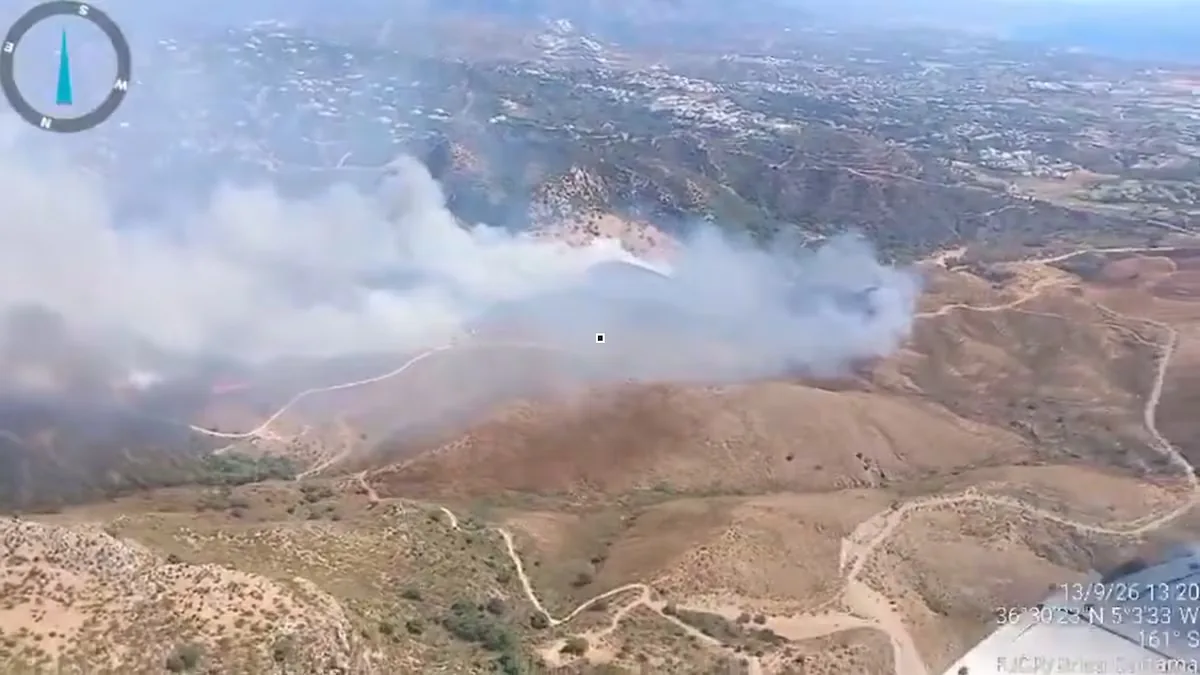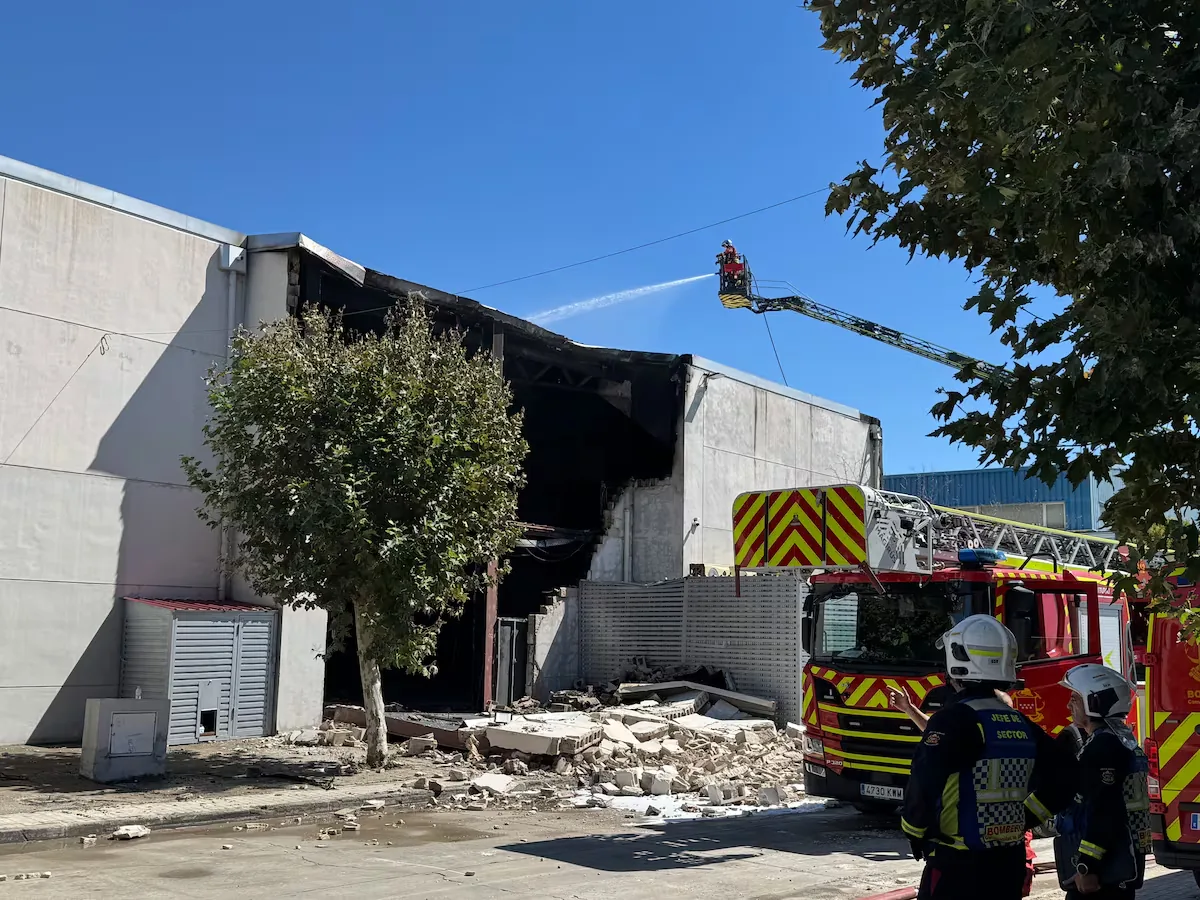






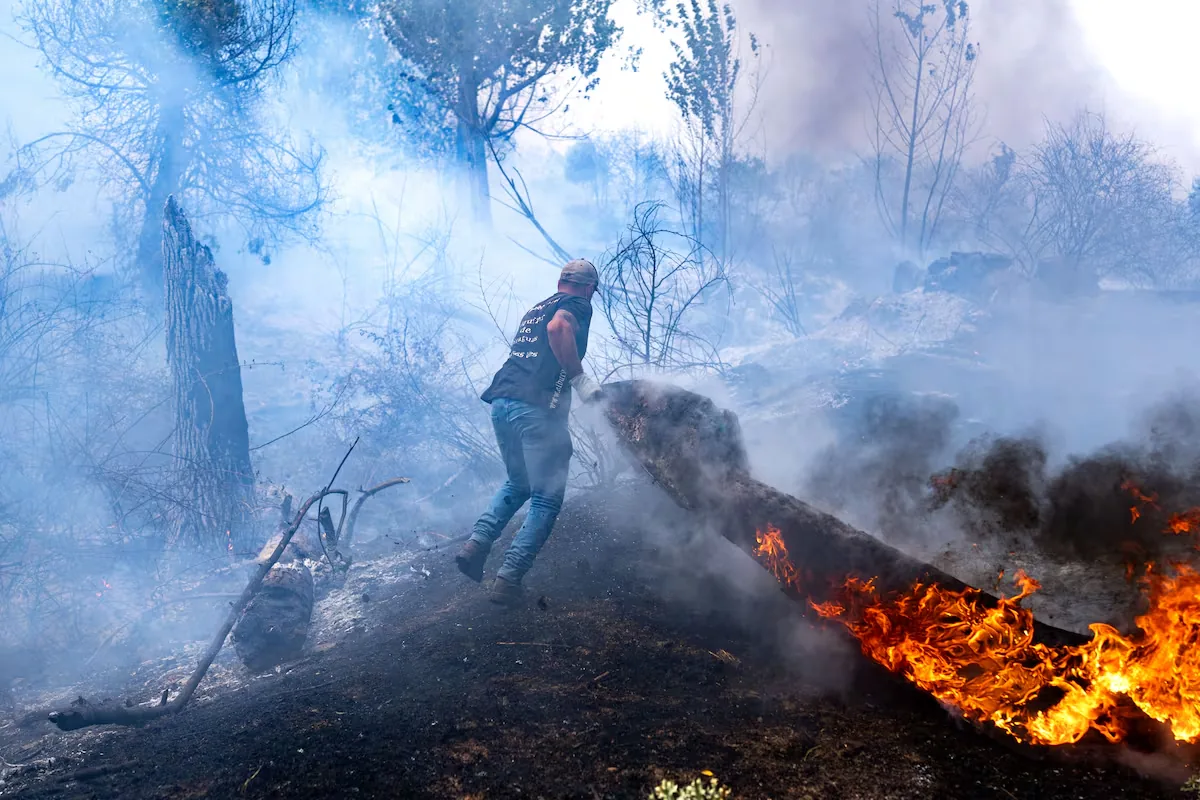
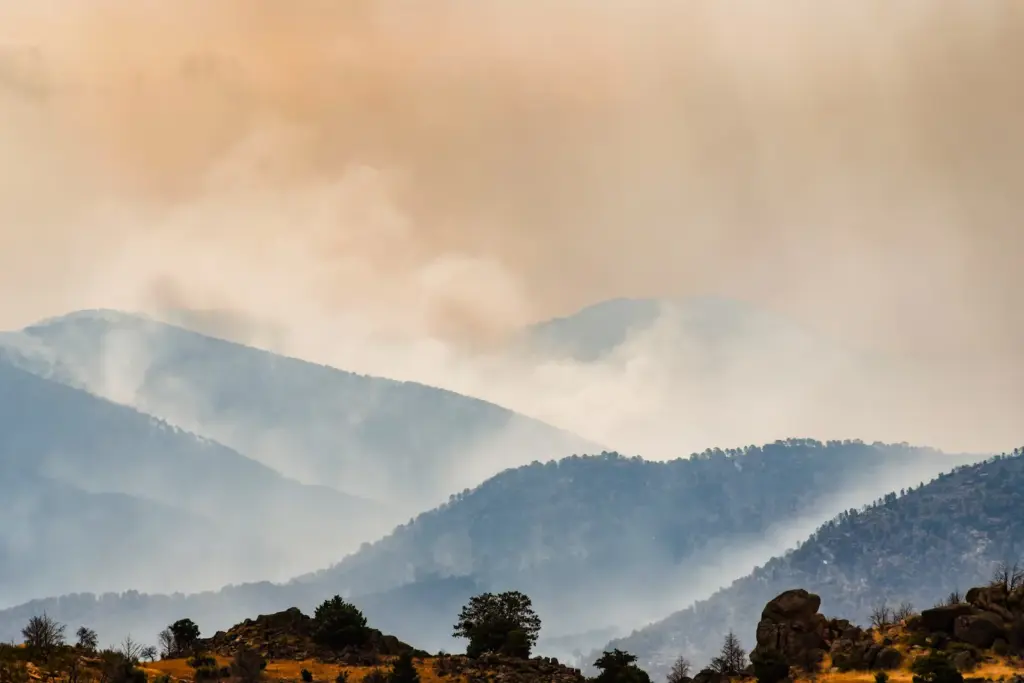
I know there are fires. They are far away, but their effects reach here in the form of smell and that color, which tell you danger. A more or less distant danger, which worries mainly because of the unusual, the unthinkable nature of flames that, without rhyme or reason, without any logic or control, could, if chance helps them, approach, arrive. It is their vengeful return.
Read more The transfer of Cenicientos to Navalcarnero: “The entire area is being evacuated”
Fire made men. In every way: to begin with, there is no origin story that has not been cooked in the heat of a flame. The Greek, for example, tells how a man decided to give his people the knowledge of the gods: to do so, Prometheus stole fire from Olympus and brought it to them. And the others did the same. With fire, men began to be what they would become: the masters of this underworld. With fire, by fire, from fire.
They weren’t just stories to tell around a fire: everything truly changed less than a million years ago, when those bands of fragile scavengers who roamed terrified through plains and hills learned to control flames. With them, they warmed themselves, lit their way, defended themselves from wild beasts, transformed impenetrable forests into hunting grounds, night into day, cold into warmth, cooked: changing their food with fire allowed them to eat so many things they couldn’t before, improve their bodies, develop their brains, become more and more human.
Later, throughout these millennia, fire was the center of our lives. There’s a reason why “hogar” (home/hearth) is called “hogar,” the place of flames. Everything came from fire: cooking, of course, but also heating, agriculture, weapons, cults, stories, light, ways of transforming metal and wood and other materials. Over time, other functions were added: the machines that created great industries ran on steam, the transports that changed the world also moved by burning coal or oil, all forms of fire: fire took us to the Moon. And so it was, until recently: fifteen, twenty years ago.
Read more Richard Carapaz wins in Alpe d’Huez in the penultimate stage of the Tour de France
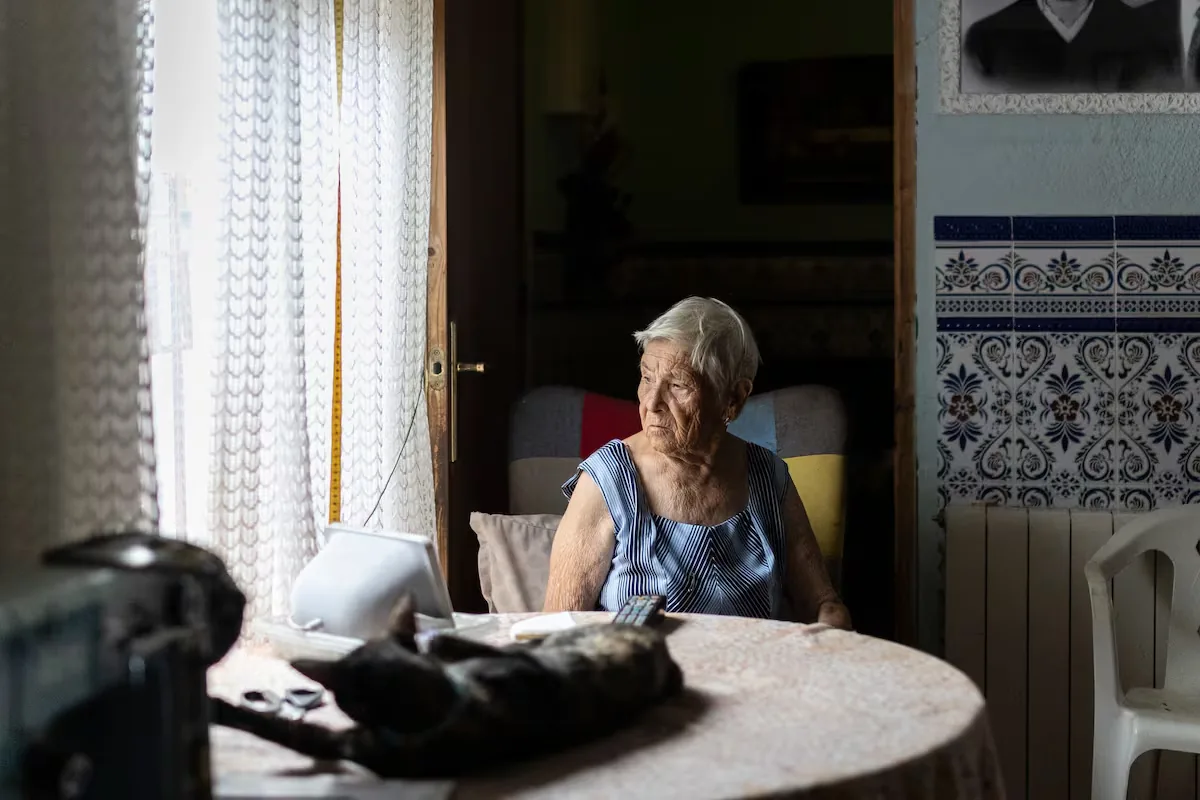
But the Age of Fire is ending. Fire is leaving our lives. At the end of the last century, a house still had its spaces for fire: the kitchen usually used it, heating, the water heater. Now, in rich countries, houses no longer have them: ceramic hobs, air or water heating, electric water heaters; cars will also be electric, trains already are. Fire survives in poverty, where it is still necessary; in wealth, it has a luxurious, nostalgic place: it appears from time to time in a candle or a fireplace or a barbecue, memories of how those things used to be. And the strange habit of putting embers in one’s lungs is languishing: smoking is now for hopeless losers, and the last reason to carry some fire-making device ―matches, lighters― in one’s pocket is also falling into oblivion.
Thus we reach the end of the longest stage in human history: the Age of Fire unravels in silence, with no one to mourn it as it deserves. We strain ourselves trying to record the slightest cultural, social changes; this one, which may be the greatest change of the last millennia, seems to pass perfectly unnoticed. But it happens, it is affirmed, it is confirmed. If fire was the best instrument to subdue matter, an era where matter matters less and less can begin to do without fire. Fire knows how to consume matter; the lack of matter is swallowing fire.
What is ending, then, is the Era in which fire was our tool. It no longer is, or is beginning not to be. From now on, thanks to climate change, it will be quite the opposite: a warning that nature has its power, that we cannot do with it whatever we please. And that it, sometimes, truly can: flames and more flames.