





Sometimes, opting for well-seasoned verdina beans for lunch can be one of the most important decisions of your life. Especially if it’s a joint choice, with a father you haven’t seen in 14 years. The shared creamy strength of exquisite legumes can help rebuild destroyed bridges or soothe the pain of an absence that, despite being healed, won’t help you recover lost time.
Read more The paperclip problem is already here: AIs can unintentionally destroy the world
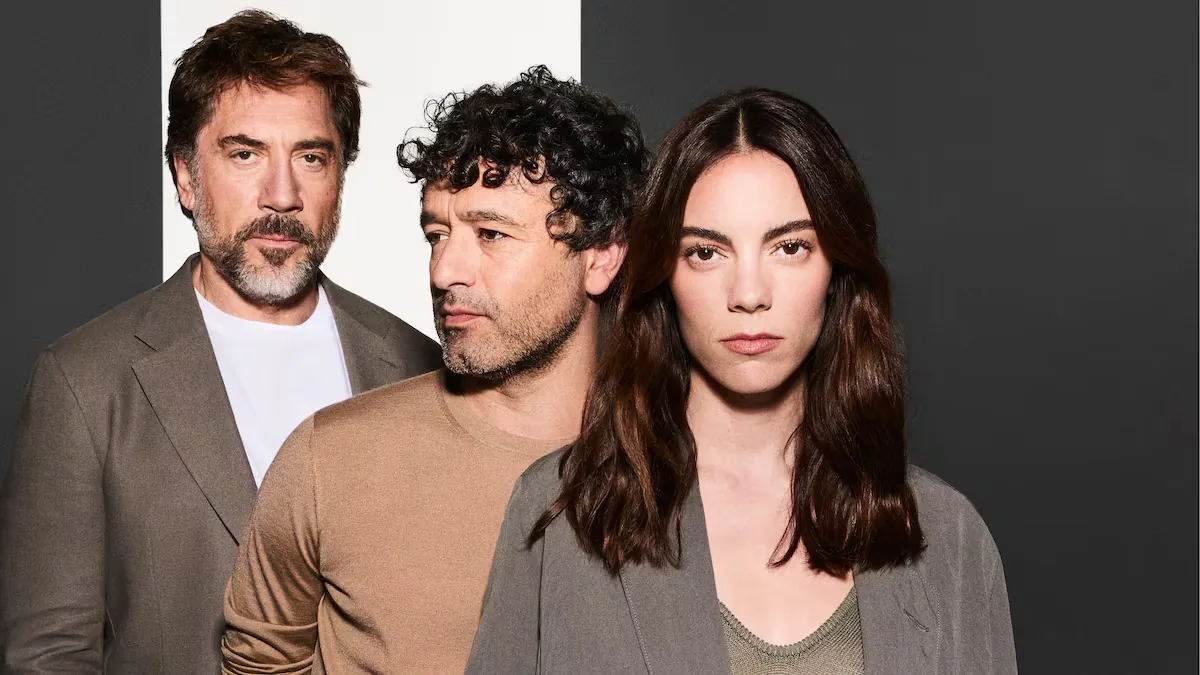
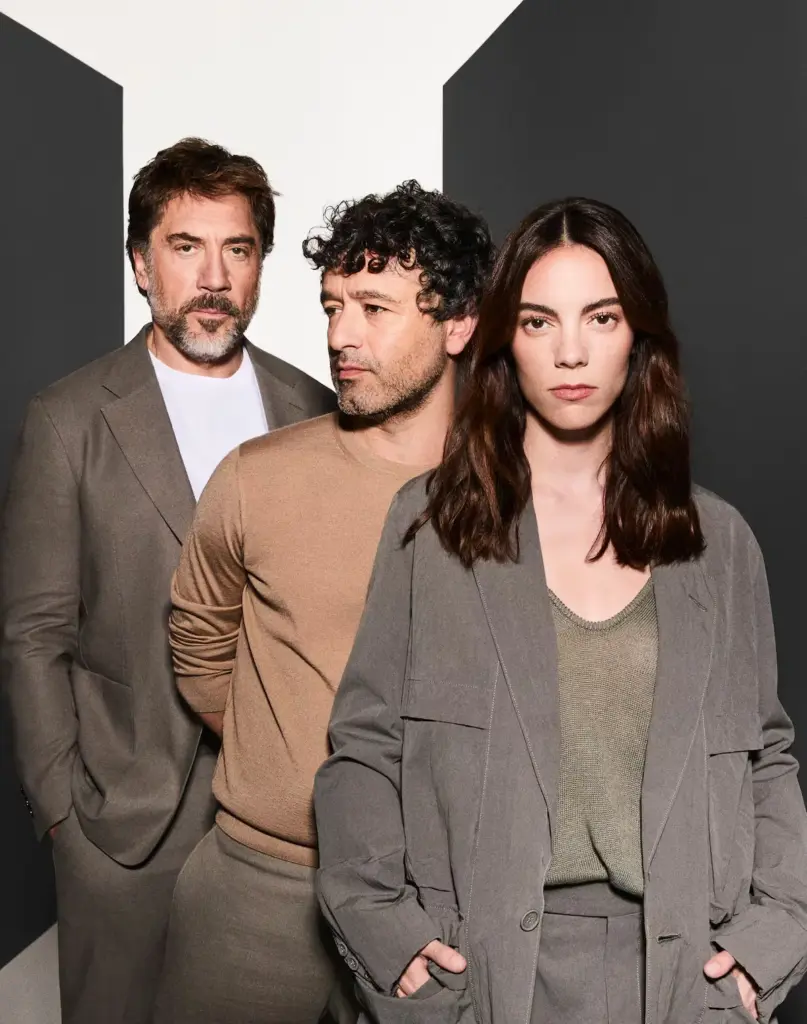
Of these vital dilemmas —and some more— deals with The Beloved. Rodrigo Sorogoyen’s new film (Madrid, 44 years old) delves into the interrupted purity of an unconditional love between a father and a daughter, where all the darkness unleashed by tangled misunderstanding between crossed versions fits. A work with two outstanding protagonists, Javier Bardem and Victoria Luengo, which already competed in the official section of the last Cannes festival and will premiere on August 26 in Spain in cinemas as an Original Movistar Plus production.
The film shows a complex story written by Sorogoyen and Isabel Peña (Zaragoza, 43 years old), a tandem that has revolutionized Spanish cinema in the last two decades. A garden of forking paths where everyone is lost in the midst of volcanic places, enveloped by discreet flashes of fireflies. Burnt tracks where the authors wanted to place the characters to face the crossroads of their neuroses without clearly pointing out the way out.
The Beloved is a real fiction amidst another invented one. The first has to do with family facing a dramatic grief. Almost an emotional western between a parent and their offspring. The other, with cinema conceived as creative metalanguage, that terrain where Sorogoyen has wanted, once again, to renew codes, as he has done before throughout his filmography. These are territories of continuous quicksand, especially for the director, the screenwriter, and the protagonists: four artists addicted to nonconformity.
And the propitious space of shared ambitions where a dream could be fulfilled: working together. Sorogoyen and Bardem don’t remember well who called whom. This indicates that both shared the desire to unite their careers. They just had to wait. The director tried forAs bestas, his previous film. “But his schedule didn’t fit,” comments the filmmaker. Bardem had seen his films and wanted to collaborate with him: “His work with actors caught my attention. He creates very brave, audacious situations, and achieves it very organically.” These extremely sharp codes continuously challenge actors and represent one of the groundbreaking characteristics of the Sorogoyen method.
At 57, the acclaimed actor wanted to get involved in that atmosphere of overcoming by contagion, whose results the director has shown with already legendary choral sequences for films like The Kingdom and As bestas, or the series Riot Police and The New Years. Thus, he could also contribute to building a new step in their respective careers. Bardem, despite his success in Hollywood, has always contributed to the cinema that saw him born as a star and which is going through a brilliant collective streak. At the last Cannes, the film he stars in accompanied Bitter Christmas by Pedro Almodóvar, and The Black Ball by Los Javis, who won the award for best direction, on a large poster: “I have a lot of faith in the talent of my country and I am committed to it. If I have worked abroad many times, it is because what I received here did not interest me. But now I feel like trying with several directors, male and female, within this generational change we are going through.”
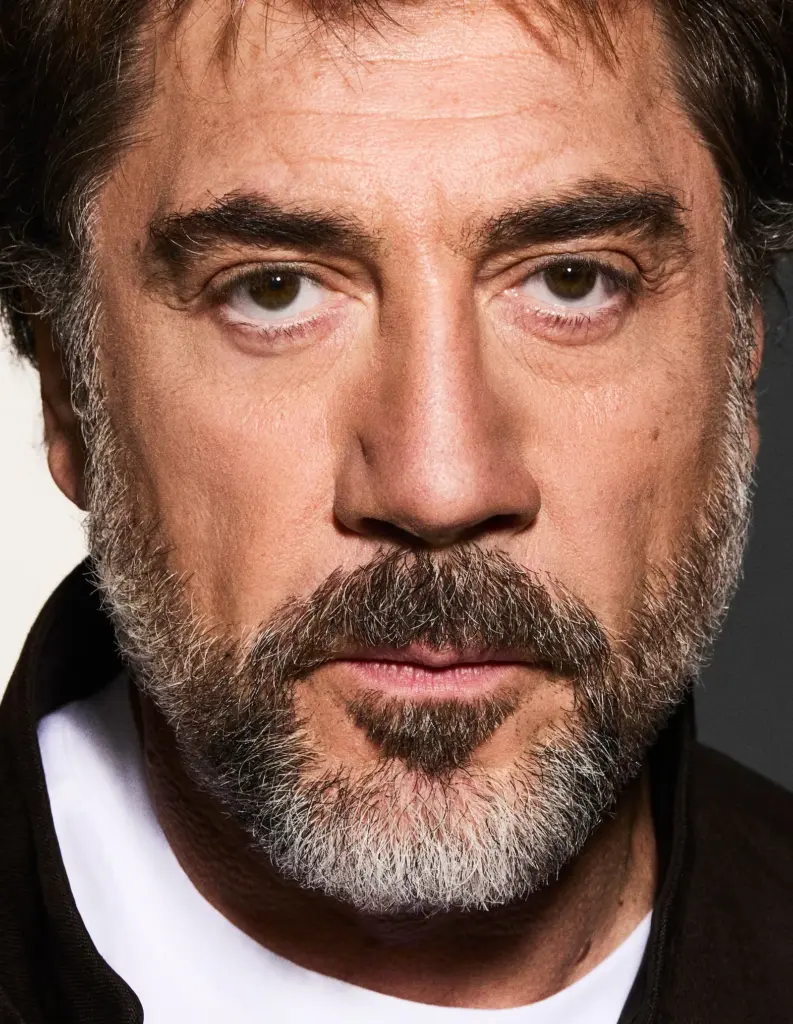
“I have never wanted to live in the United States, I always stayed here and, therefore, paid my taxes in Spain too, despite what some on the right say. When you have several projects elsewhere, you miss working in your language, in an environment where you control the codes. That makes me more relaxed, calmer. On an American set, you have to adapt to their culture, their timings. Everything changes, there’s a different interrelationship. There, each space is more divided and compartmentalized. It’s reduced to pure work, leaving little room for other things. In Spain, I love that culture of the hug, of the five-minute farewell kiss, or the humor that pops up in tense moments…”
Sorogoyen identifies with that. They connected easily: “I put a lot of energy into relaxing the atmosphere. I prefer good vibes. That doesn’t clash with being professional, but for me, anyone with a bad face on set annoys me. I don’t want shouting. I’ve stopped working with some people because of that.”
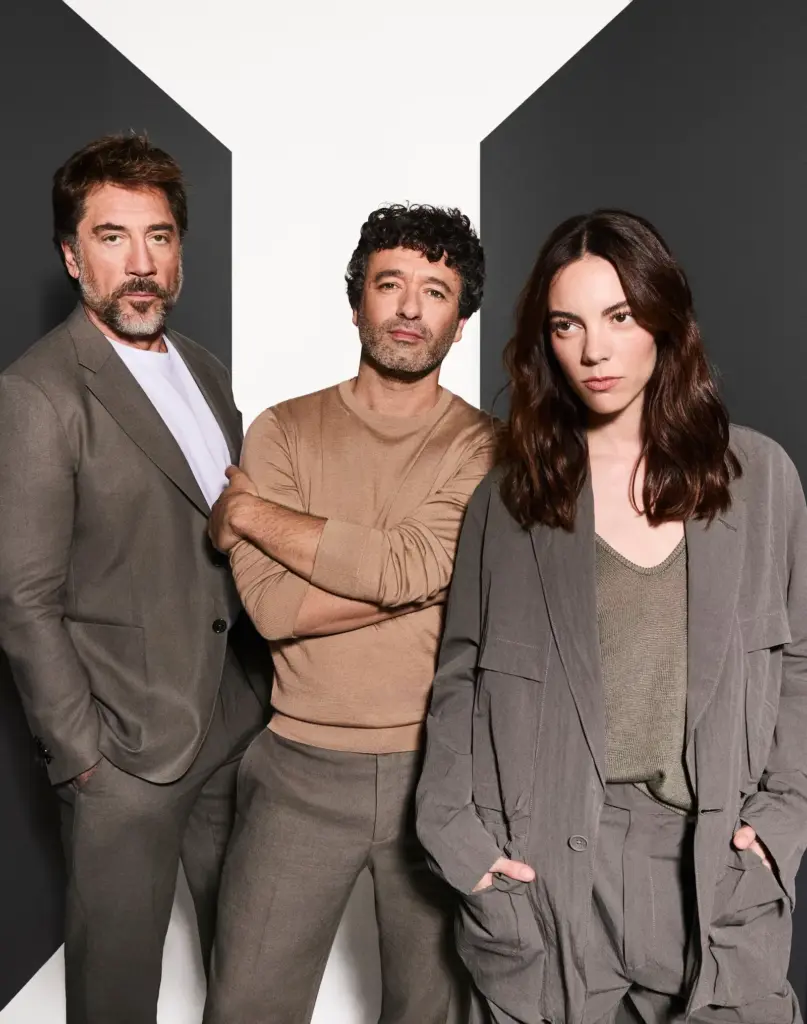
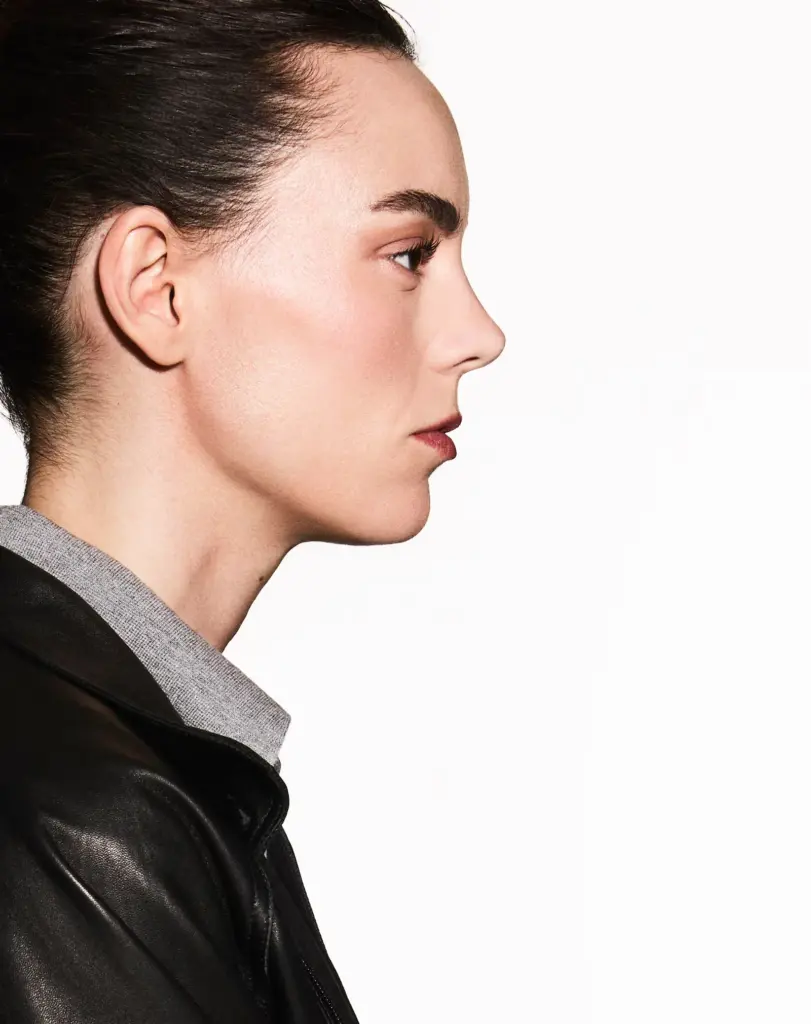
With Victoria Luengo, he repeats. The actress starred in Riot Police with a forcefulness capable of intimidating a whole pack of males with batons, helmets, and badges. Alongside the actress, Peña and Sorogoyen began the germ of The Beloved one day when they went to dinner after traveling to Bilbao to see her perform in the theater. After the show, they talked about their respective relationships between parents and children. “Even then we started dreaming of Bardem,” confesses the director.
They did it as a conspiracy of shared desires. One of those that fill your tank to keep going and reach the goal. That happened in 2021. In five years, the project is served on screen with Luengo as the protagonist, of course. The first thing they outlined was a biography of the two characters. Emilia’s past, brought to life by the actress, was in the process from the very beginning. “We invented what had happened to her since she was born, how she faced her relationship with her father as a child, her sentimental life, her feeling of abandonment,” says Luengo. Details she built with Sorogoyen and Peña but would not reveal to Bardem, just as she would not know those same parts of the paternal biography in the version Javier would handle. “The script is conceived from the beginning for both of them. For their bodies, their voices, and their gazes,” says Peña. “Although that was also a risk. I mean the fact of writing when you know that they represent the only way to tell this story.”
It had to become a film full of personal truths that, when verbalized, would produce surprise in the other’s reaction. And so they devised a game to work with. To begin, from the crucial first scene. The two actors barely knew each other. They were introduced at a party organized at the screenwriter’s house. From then on, they agreed not to have any further contact until they started filming eight months later.

“I like to shoot chronologically, so the first scene was their first encounter after 14 years,” comments Sorogoyen. In a restaurant. They had prepared separately, without rehearsing together. They ordered what was on the menu. The cameras discreetly awaited them. They had about 10 pages of script guidelines, but they acted for an hour and a half, which is equivalent to 90 pages. A first contact for the start of the film, of which 20 minutes of joint chemical explosion remain in the final cut.
Previously, Emilia was scheduled to receive a call from Esteban, her father, for the date. It had to be real: “Well, imagine, sitting down to shoot with Bardem for the first time in my life without having rehearsed. I was shocked, but something beautiful happened. I felt just as nervous when I had to wait the day before for him to dial the phone. I had saved his number as Father, and at that moment, when the mobile rang, I registered everything truthfully and in the present within my memory.”
That’s how, from the outset, Bardem verified what working with Sorogoyen means: “He takes all the risk to create an atmosphere of creative freedom with very solid foundations. In this way, he provides the actor with a very large space to create. Rodrigo is a magnificent director of actors and, furthermore, like Fernando León de Aranoa, a great editor.”
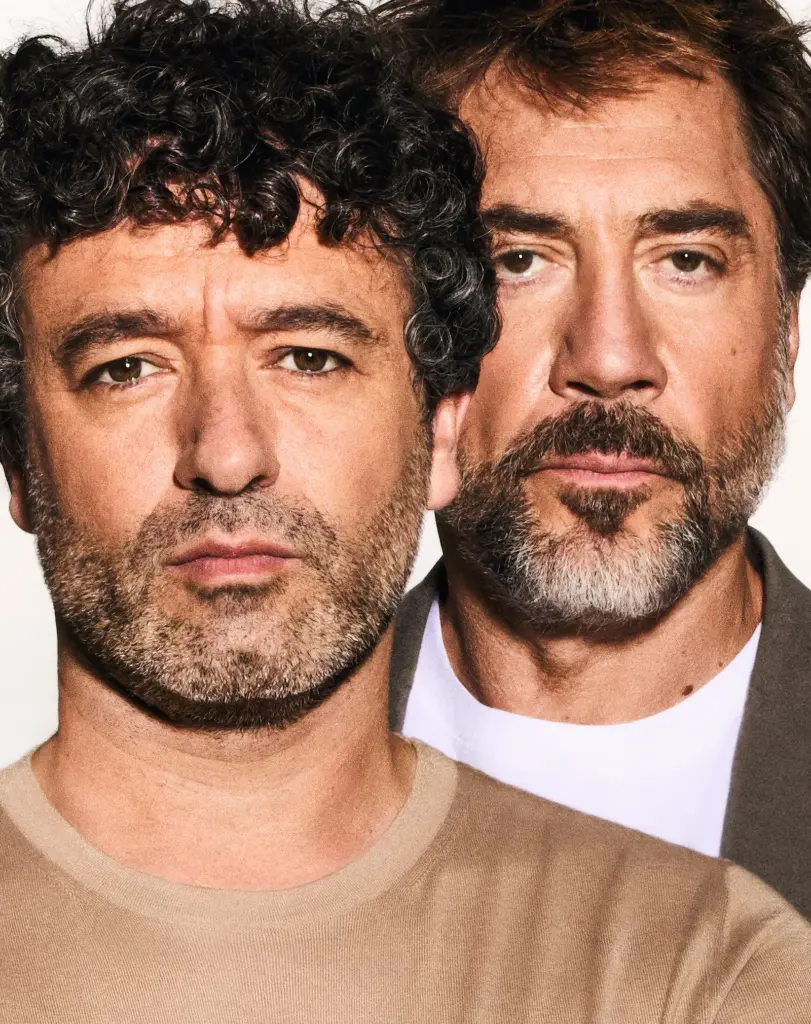
That deepens trust, says the actor. “I’m not so conscious of giving or not giving anything specific; I create an experience and trust that it will be used in the best way in the final result. It’s not easy to trust, but ever since I spoke with him and Isabel, I trusted. When he proposed shooting the first scene like that, he already challenged me to go all in. It denoted in him a whole process that systematically pointed to truth, to the unpredictable.”
In the opening scene, the approach is very simple. This leaves all the ground free to fill it with complexity. That black hole that can become, between a father and a daughter, no less than 14 years without seeing each other. She, from child to adult, living in a shared apartment and with sporadic jobs in her acting career, unsure if she arrived there by vocation or by the rage of wanting to prove something to an absent ghost. He, as a mature man burdened with his puddles of irresponsibility, oblivious to almost everything but his ego and triumphant in cinema, with an Oscar award that she saw him collect on television and dedicate to another partner and other children. The prestige gained before others and a legion of unknown admirers is as great as the discredit before his daughter. That’s why he decides to return to Madrid to settle a debt and makes her an offer: a leading role as an actress in his new film.
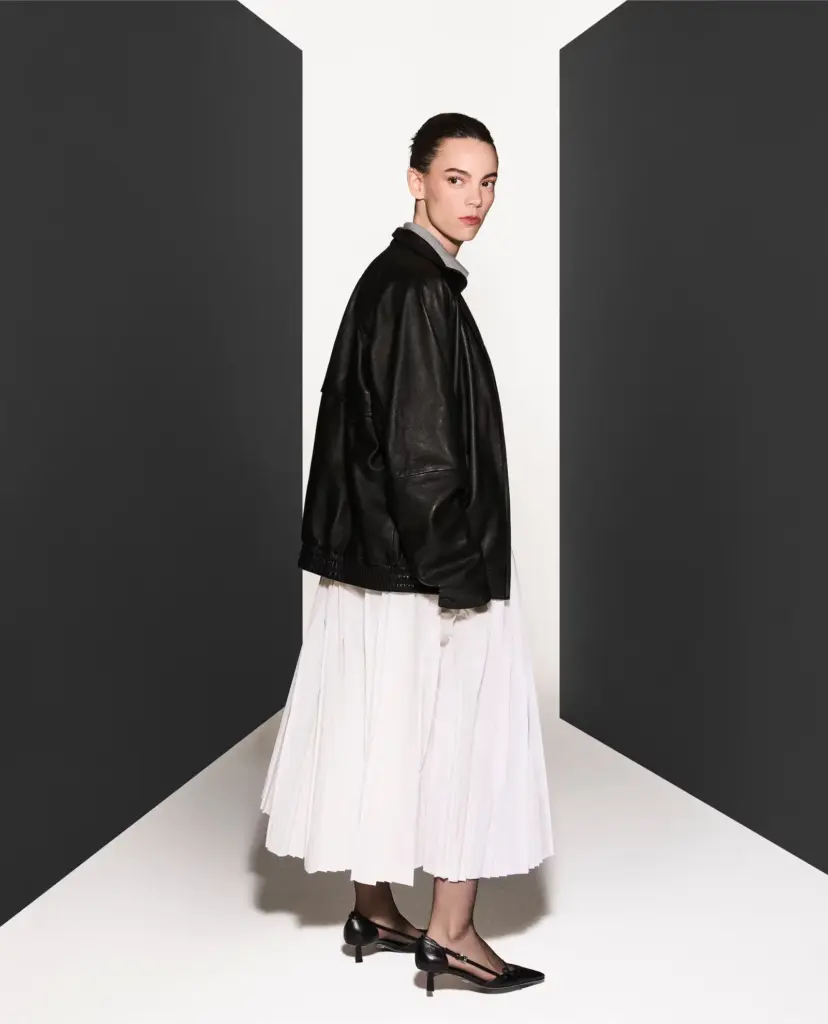
It’s a strategy to build bridges, not to apologize. “Esteban is an intelligent man, but he doesn’t feel he has to; he simply knows that, at this stage of his life, he needs to get his daughter back,” says Isabel Peña. “The film is written by two creators who are children, a specific point of view that doesn’t cloud their vision from another angle,” says Sorogoyen. “From shared experience. We have also trusted that they would give a lot and fully developed the concept of guilt. We are very Judeo-Christian in that sense. Isa and I have talked about it.”
From these elements, hopes and resentments intersect. Permanent justifications that don’t fully cover the balance of frustration. And a sickly inability to utter the word forgiveness because the blindness of your reasons rips it from your mouth… Two characters forced at that crossroads to delve within themselves. As father, as daughter. Separately and at the same time, surrendered to the mediation of a sandwich wrapped in the noisy rigidity of aluminum foil.
In Luengo’s case, an Emilia she defines as complex and to whom she has brought known experiences and emotions. “Perhaps I can’t fully answer what abandonment is, but I know how you feel when you are abandoned. It’s a central theme in the film. Things make sense when they affect you, as you feel them.” Or, as Isabel Peña says when referring to the matter: “The wound that represents the nutrient of her character.”
In The Beloved, the actress takes on a paradigmatic role that has led her to a particular self-analysis: “I believe I am a good daughter, but I have been many different ones depending on the era. That has depended on the degree of understanding of the family landscape and my own level of consciousness as such. When you assume it, it becomes difficult. Family relationships are complicated. We put a lot of mirrors inside. You think there’s something you want to be like and it doesn’t fit. It’s very hard for me to translate what I expect from my parent-child bonds. They are beautiful, but confusing.”
And they can generate damage everywhere. A trail of pain from expectations that are never met. Bardem arrived, in that sense, with fresh homework from the therapy he had undergone the day before our meeting in Madrid: “I go to my sessions basically for that, to dismantle things they have made me believe. Already woven narratives that continue to build a character perhaps based on erroneous and unconscious loyalties. Even if you repudiate them, they become codes that trap you.”
Family builds those intergenerational loyalties, the actor maintains: “Following the path of…, even if you know it’s wrong. Sometimes you have to break it,” he states. “I, for example, am a present father, and mine wasn’t. My children are the most important thing in the world; I give my life for them, even though sometimes they drive me crazy and I them. I know. Every other minute.”
That double circumstance has contributed a lot to the construction of his character for the actor, married to Penélope Cruz, with whom he has two children: Leo and Luna, aged 15 and 13. “If I weren’t a father, it would have been different. There is an awareness of the dimension of love for a child that is not theoretical, but physical. It’s hard for me to imagine myself, now, as an absent father, even though mine was,” says the son of actress Pilar Bardem. “That also helps me empathize with Victoria’s character. The reasons for my father’s absence and Esteban’s were not the same, but the feelings were. Pain pierces you, and from there you create the image of a presence. I, as a father, am different from the character. Very clingy, I really value contact, hugs.”
And we return to mirrors… “You look into them and they reflect an image you must reconsider.” Parenthood often forces you to abandon who you once were. “You might have created a way of being that served you out there. Even combative. Children, on the other hand, ask you to lay down your arms, to relax. Many times, all they demand is simply that you be present and patient, that you are capable of managing your helplessness.”
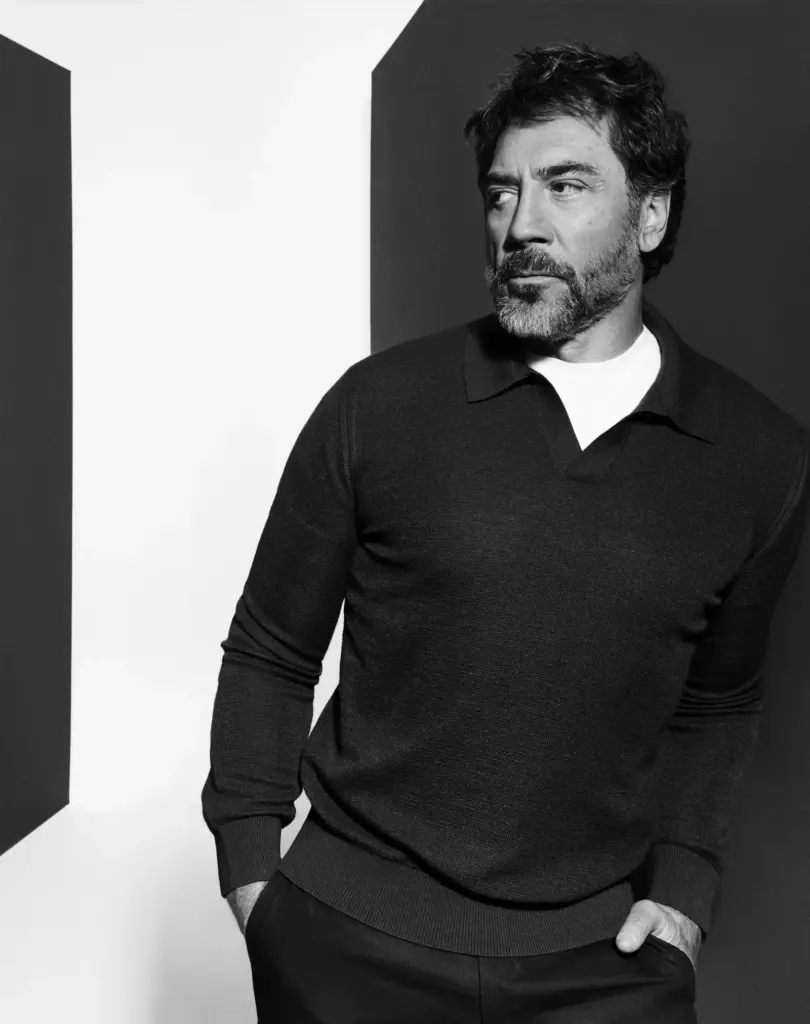
That transformation can lead to a lot of frankness with oneself and, in the case of an actor, to improving one’s work: “As we grow, you tell yourself: who do you want to fool, why do you tell yourself certain stories, what need do you have for people to believe this about you…”. To overcome it, in his case, there is his creative space. “There I allow myself to expose myself more. You leave aside the framework and the social mask. I battle with my own, with the intimate, to build a result that serves someone. In that, I feel I can be useful.”
With his repertoire of characters ranging from a good string of villains to benevolent beings or others traversed by a mysticism where good and evil fit, Bardem has systematically demonstrated powerful and gifted versatility. He has been everything within an immensity of registers that have made him one of the best and most valued actors in the world. But within that enormous catalog of varied psychological labyrinths, he has never stopped feeling, simply, “a small child in an adult’s body.” How? “Because I still have fears and I am very aware of my limitations,” he assures. “I say it because I live with it. I feel quite insecure about my abilities, but I try to manage myself there and not bother anyone.”
Even so, sometimes he does. “Yes, because I also make decisions related to my public figure that, I know, bring a lot of hatred and aggressions that are not easy to deal with.” Other times, he tries to spread enthusiasm, as we saw him do last month, enthusiastically and devotedly following the Spanish national team in several World Cup matches across the United States. In any case, he says: “I feel I must do it. I am a warrior and a pain in the ass, like my mother or my uncle [Juan Antonio Bardem, the filmmaker].” Despite his daring, generally thoughtful and conscious, there are moments when he doubts: “There comes a point where I don’t know how to live with that, but I do it because I am convinced it’s worth it.” At every awards ceremony this past year in the United States, he has appeared with a Palestinian scarf and, with it, has been practically the only voice raised against the genocide in Gaza and the West Bank. “I have been very disappointed with the global film industry. When they state that we are obliged not to take a stand, well, fine, say what you want, but we have reached a situation where not doing so is to side with the aggressor: in the case of Palestine, a genocide. It is very selfish or very cowardly.”
He doesn’t want to be left with the feeling of having been fully aware of a dark period and still remaining silent. Nevertheless, he worries about appearing too pessimistic to his loved ones. “We are more aware of what is coming to us, of how we perceive things. And we express it through the speeches we give at home. That, sometimes, translates into more fear and we can transmit it to our children.”
Although this is not his only concern as a father: “Our eldest son didn’t have a mobile phone until he was 14 and doesn’t use social media. But both live in a technological world, where attention wanes. We see it. That worries me. Creativity, I am convinced, arises from another place.” He also doesn’t want to fall into total romanticism regarding past times. The actor didn’t grow up free from dangers. “I remember myself at 16 and 17… To think now about the things I’ve done or to see that my children could also do them, well… I wouldn’t like that. I try to be as honest as possible. If they were interested in knowing, in investigating how I was, I will tell them the truth.”
To begin with, a student with average grades, except in what interested him: “History, literature, drawing, or English. The latter to translate the lyrics of AC/DC, Iron Maiden, or Bruce Springsteen.” But a halo of mystery, on the other hand, never hurts. In both senses. “We must also account for the things they do that we don’t know about and will never confess to you. Mind you, I count on that and it doesn’t bother me; in fact, I celebrate that they have their privacy. They are not my property, and I hope they can count on me when they need me. I came here to take care of them, but they belong to no one but themselves. When they walk alone and leave, one must feel proud. You give your life for them, but the goal is for them to fly.”
Read more The fauna of the five-time champions welcomes a new animal: Tadej Pogacar