







Neo 2
S20 Lite Drone
HS290
M2C
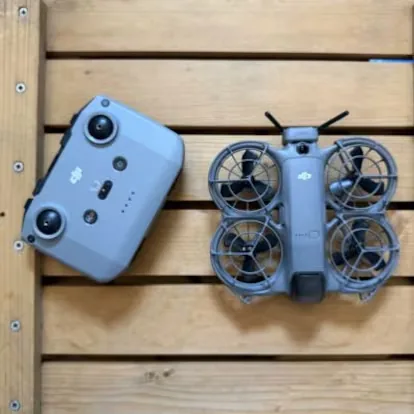
The best drone
Besides its growing professional use —whether to coordinate emergency operations, monitor traffic, or perform technical inspections— drones have become an increasingly popular hobby. And you don’t need to be a pilot or invest a large sum of money to experience the thrill of controlling a device that soars through the sky under your command.
Read more We put the best waterproof backpacks to the test
Thus, on a personal level, drones reveal to us, on a small scale, the sensation of flying: taking off, maneuvering, and contemplating from the air the world around us. Many of these models include cameras that record videos and take photographs, adding a plus of creativity and fun to this experience.
How we chose and tested the products
To prepare this comparison, I set a maximum budget of 250 euros, a price range designed for those who want to take their first steps in the world of drones without spending too much. I tested them for several days in an open space, away from homes, in my place of residence (Villanueva de la Cañada, Madrid) accompanied by a couple of friends experienced with this type of device, who were a great help.
I evaluated them considering the following key aspects:
- Material quality: depending on the type of plastic or metal used, the drone can be more resistant and better withstand impacts or accidental falls.
- User experience: I checked if the drone offers performance according to what the manufacturer promises in its technical sheet or commercial description.
- Ease of handling: it was considered whether the piloting is intuitive, how it responds to the controller’s commands, and if it maintains good stability during flight.
- Recording and photography: although its quality is not comparable to high-end models, it was valued that they at least meet some basic standards in sharpness, resolution, color, and brightness.
- Battery life: although most only allow short flights, some models offer a bit more usage time, which is an advantage.
- Extra equipment: many include additional propellers, protectors, and other accessories that help extend their lifespan or facilitate their use.
Why can you trust me?
I have been in tech journalism for two decades. During this time, I have had the privilege of witnessing how technology advances to make daily life easier and have been able to report it in various media. Although I have lost count of how many products have passed through my hands, I confess that the enthusiasm and feelings remain the same. Laptops, tablets, phones, cameras, activity trackers, smartwatches… I set no limits when choosing a device and make the most of its possibilities as a true tech consumer.
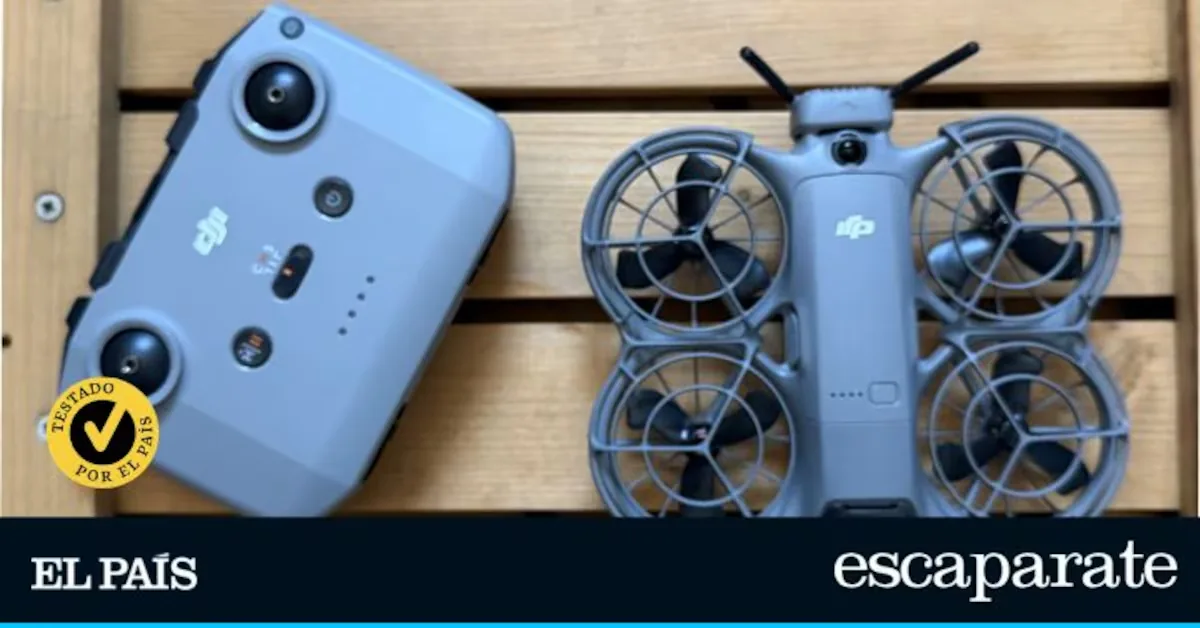
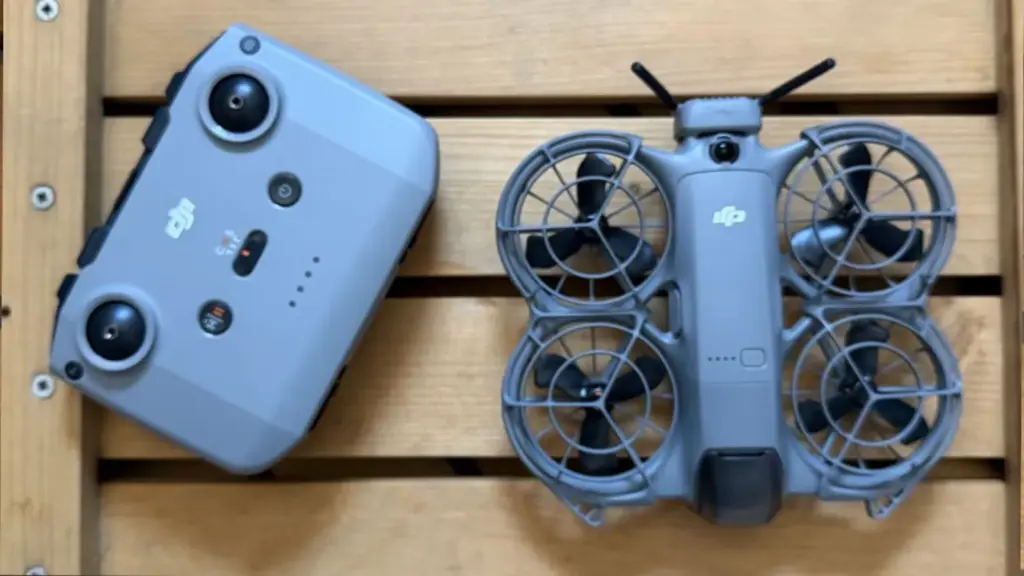
Omnidirectional obstacle detection: DJI Neo 2
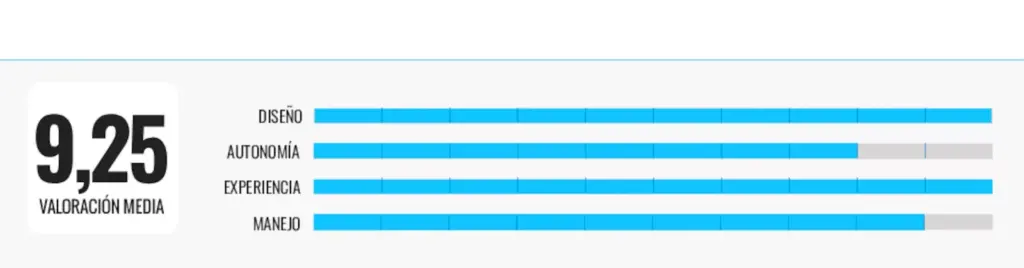
Who it is for: if you already have some experience with drones and want a model that offers you a superior quality plus
Why we chose it: from the moment you take it out of the box, the quality feel is unquestionable. The first thing I noticed were the guards surrounding the propellers. They not only reinforce its visual identity but make simple gestures like taking off from the palm of your hand or picking it up when landing feel more natural.
Its external antennas also stand out, perfectly integrated into the whole: besides improving range stability, they promote more reliable communication between the drone and its controller. On both sides of the front camera, there are two small windows. The left one integrates a front obstacle detection system using LiDAR technology. It’s not infallible but adds extra safety and performs well in most situations. Meanwhile, the right one shows the selected flight mode, drone status, and other relevant data. I didn’t imagine I would use it so much, but it’s very practical because it allows you to check essential information at a glance without needing to use the phone (DJI Fly app) or the controller.
The experience has been very positive, especially due to the precision of the automatic tracking and the two-axis mechanical gimbal. Together, they produce videos with a very professional look; still, if you spend time practicing and learning the possibilities it offers, it will always help you achieve better-executed and creative shots. Image quality is another plus. Recording in 4K at 60 fps provides a level of detail and sharpness that performs well in most situations, whether to immortalize a trip, a getaway, or create content for social media.
Its weak points: it is the most expensive option in the comparison. Added to this is a battery life that, although adequate, is below what I expected for a drone of this level.
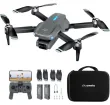
Sony 4K camera: Ameta S20 Lite Drone
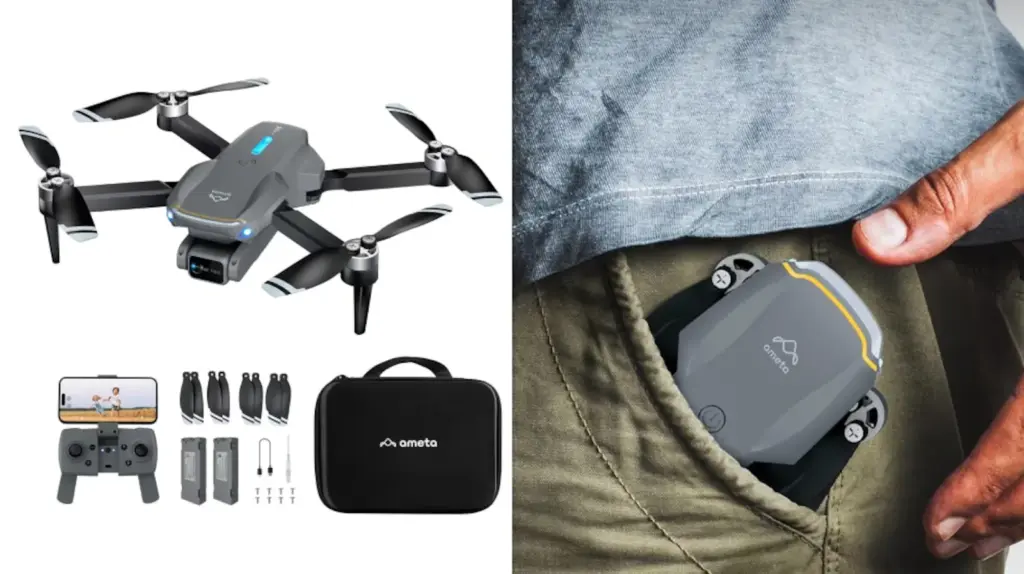
Who it is for: ideal for those who already have basic flight knowledge and want a drone that, without costing too much, guarantees fun, control, and good results.
Why we chose it: it comes in a compact, hard case, and assembling it is very simple: just unfold its arms and legs until you hear a click and place the battery at the back; to remove and replace it with the spare, just press a tab and slide gently.
The controller has two analog joysticks that offer good response and travel, buttons for automatic takeoff and landing, speed selector —slow, medium, or fast— and an emergency stop button in case of problems. I was surprised by how quickly it reacts when switching to fast speed, so caution is advised near trees or other obstacles. It also includes buttons to activate preconfigured acrobatics like flips and rolls, adding extra fun.
In the image section, it mounts a more than decent camera for this price range that can tilt up to 90º from the controller or through an app to better adjust the framing. In low and stable flights, sharpness is good; although, as usual in affordable drones, noise appears in low light conditions.
This app allows you to see in real time what the camera captures thanks to the wifi connection established, with a slight delay that does not prevent comfortable piloting. Videos can be saved directly to an SD card for better quality. Additionally, it stands out for being quiet, quite stable, and incorporating a headless mode that facilitates orientation and an automatic return key that brings the drone back to the takeoff point with just a press.
Its weak points: it would have been nice if the manufacturer included a third battery to further improve the experience in this area: it comes with two, each with almost 13 minutes of autonomy, which is not bad. It does not come with batteries for the controller.
Adjustable camera: Holy Stone HS290
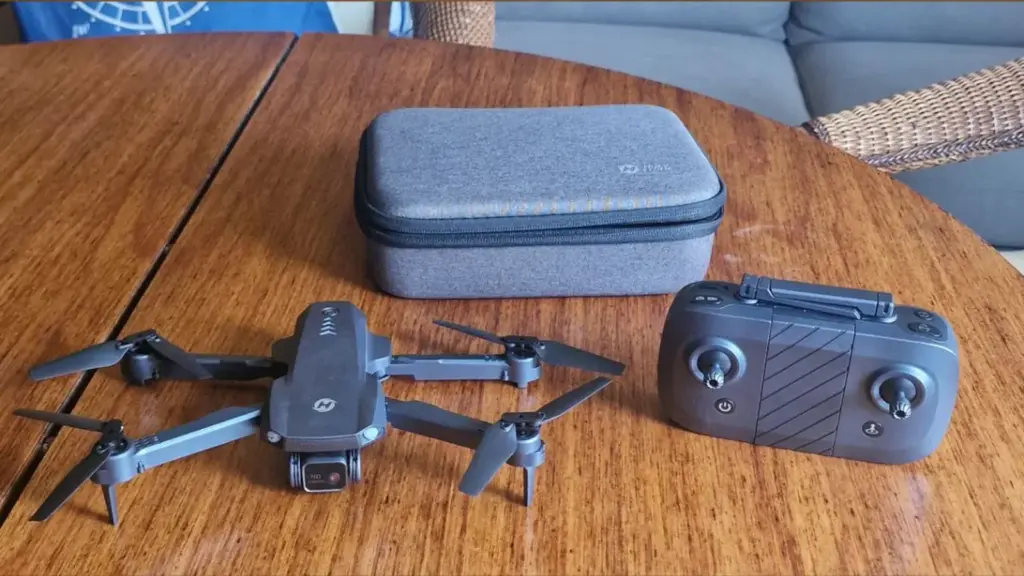
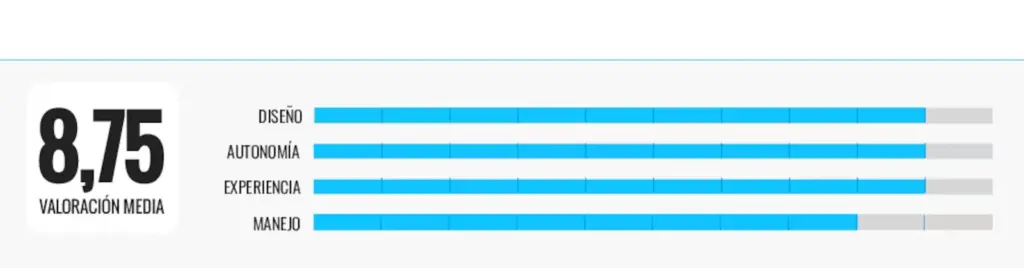
Who it is for: if what you are looking for is an affordable drone that stands out from the usual and offers uncommon features in this range, such as voice control or capturing photos and videos through gestures.
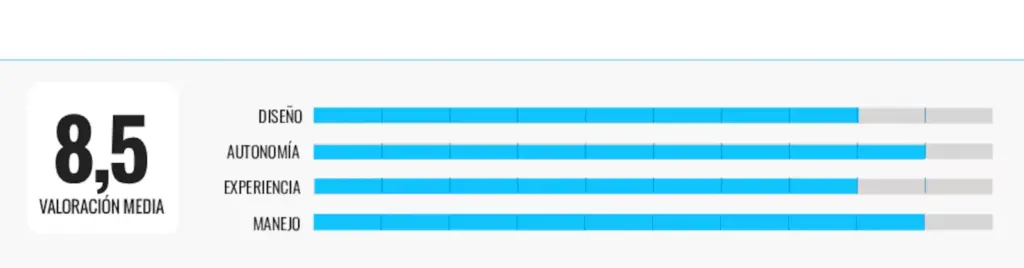
Why we chose it: despite being made entirely of plastic and being in such an affordable price range, I was surprised by the quality of its finishes: the structure is well assembled and the foldable arms deploy firmly. I also appreciated that the startup was so simple and, as with drones of this type, before the first flight it is advisable to calibrate the gyroscope to improve stability during takeoff.
Read more Latest news on wildfires, live | The fire in Madrid remains without spread during the night
This ease continues once it is in the air. From the first minutes, you have a strong sense of control thanks to automatic takeoff and landing with a single button, intelligent altitude maintenance, and its optical flow positioning system: it keeps the drone surprisingly stable when flying at low altitude, as long as the wind is not too strong. In my tests, its movements were smooth and predictable, while the three speed modes help you gain confidence progressively.
Beyond its basic functions, it incorporates some smart options that add an extra point of fun. One of the most interesting is Tap Fly, which allows you to draw a path on the mobile screen for the drone to follow automatically. It also includes photo capture and video recording through hand gestures, a particularly practical function when you want to appear in the image without depending on another person to trigger the shutter; that said, I recommend practicing so everything comes out as you want. Added to this is voice control, although in this case its usefulness is more limited, as it only recognizes commands in English. Each of its batteries provides between 10 and 12 minutes of real flight, a figure very close to that announced by the manufacturer.
Its weak points: its wind resistance is more limited compared to drones with brushless motors. The FPV transmission (first-person view) can suffer interference when the drone moves too far away.
With three spare batteries: Avialogic M2C
Who it is for: Looking for a simple drone with eye-catching lights? Don’t miss this offer!
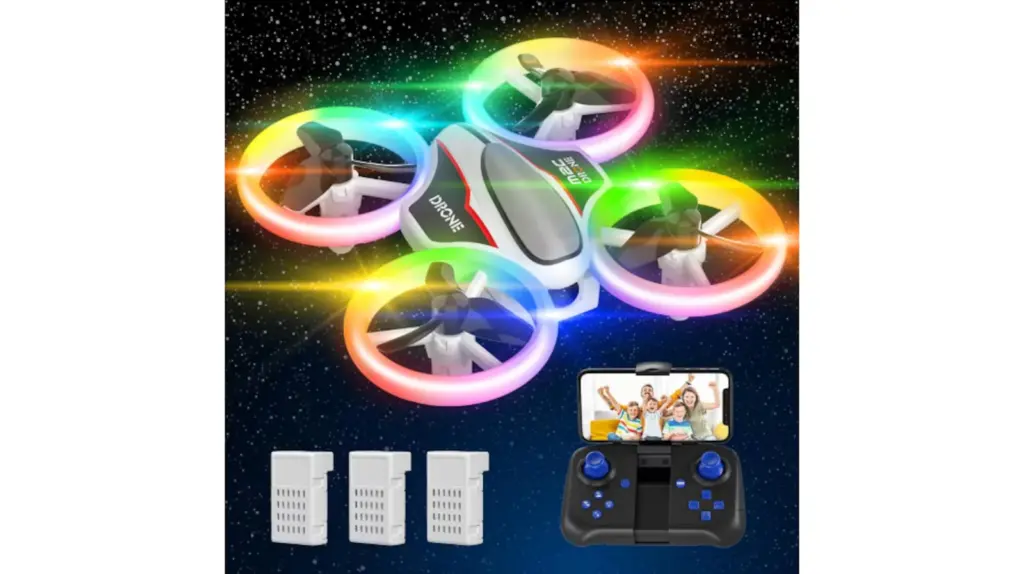
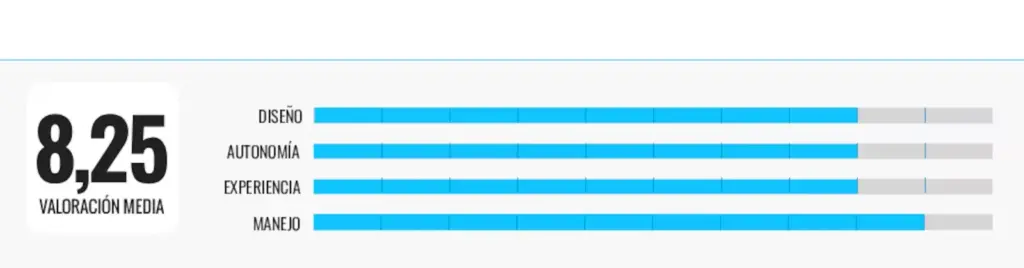
Why we chose it: it has an automatic takeoff and landing mode that makes handling much easier. During tests, I found the control responds precisely, offering three speeds to suit different skill levels. It also includes a Headless mode that helps maintain orientation even if you lose the front reference of the drone.
Another detail that caught my attention was the multicolor LED lighting integrated into the body; the lights change color creating attractive visual effects that add fun and spectacle during flight.
The plastic used is suitable for basic use but is vulnerable to stronger impacts. For example, in an accidental test against a bench, a propeller was damaged, and I had to use one of the spare parts included in the box. Besides the propellers, this box includes a tool to remove them and a small screwdriver. The battery guarantees an autonomy close to six minutes.
It works, on the other hand, with a controller that includes a foldable support for the mobile, allowing comfortable holding. Meanwhile, to calibrate it, I held down the button below the left stick for a few seconds until I confirmed the process was complete.
In optimal light conditions, image quality is not bad, but with low light or fast movements, it tends to distortion.
Its weak points: its instruction manual is quite detailed but only in English. The controller needs three AAA batteries that are not included, so they must be purchased separately.
Frequently asked questions about cheap drones
Which drones can be flown without a license in Spain?
You do not need a specific certificate or license if it is a model weighing less than 250 grams, provided its use is exclusively recreational and it does not have a built-in camera. However, if the drone, even if so light, carries a camera or any device capable of capturing images or personal data, then the pilot must register as an operator with the State Aviation Safety Agency (AESA).
What is the maximum height to fly a drone?
Spanish legislation, adapted to European regulations, establishes that the maximum allowed altitude for a drone is 120 meters above ground level. If for professional or technical reasons it is necessary to exceed this limit, a special authorization must be processed with the competent authorities.
Where is it prohibited to fly drones?
There are several areas where drone flight is completely restricted: near airports and heliports, military areas, strategic facilities such as power plants or dams, and over crowds or densely populated urban areas. Additionally, certain protected natural areas may also have specific restrictions.
Is insurance mandatory for a drone?
According to European regulations governing drone use, it is mandatory to have liability insurance for any drone weighing more than 20 kg. For lighter drones, insurance is highly recommended to cover possible damages to third parties.
[Remember that if you are an Amazon Prime user, all purchases have free shipping. Amazon offers a free, no-obligation trial period for 30 days.]
*All purchase prices included in this article are updated as of July 29, 2026.
You can follow EL PAÍS ESCAPARATE on Instagram, or subscribe here to our Newsletter.
Read more Man arrested in connection with the violent death of his partner in Barcelona