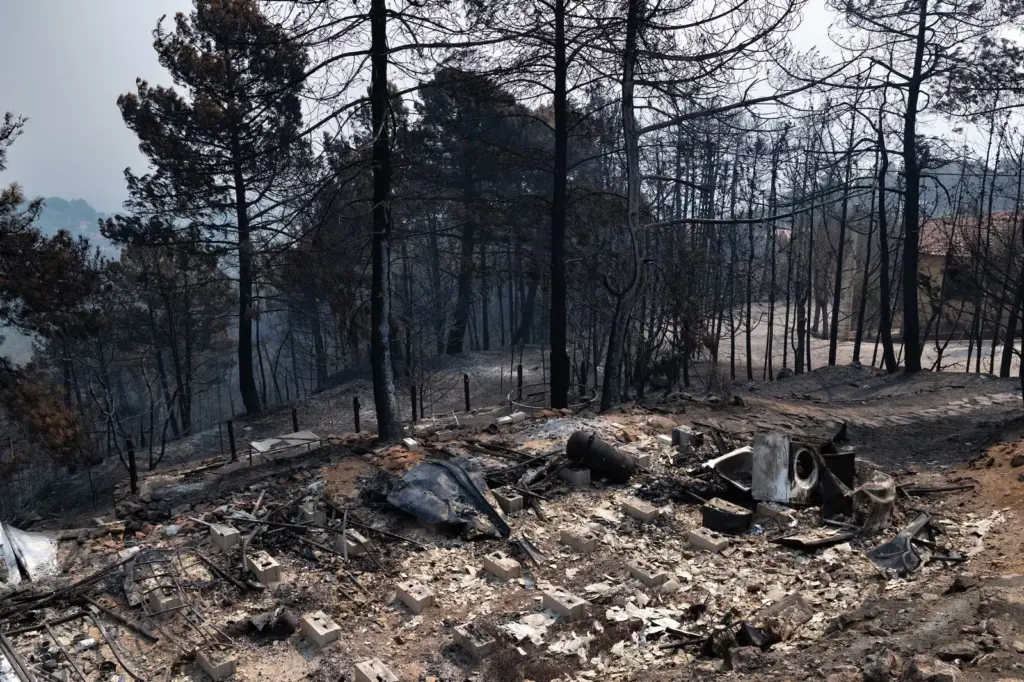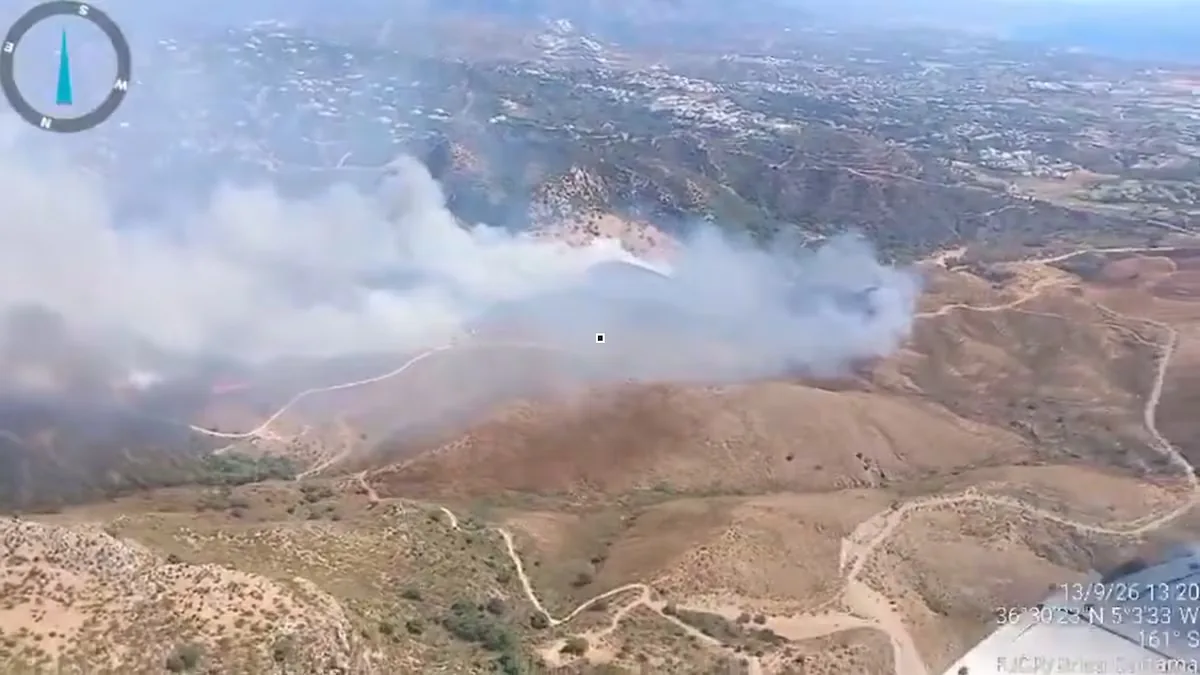







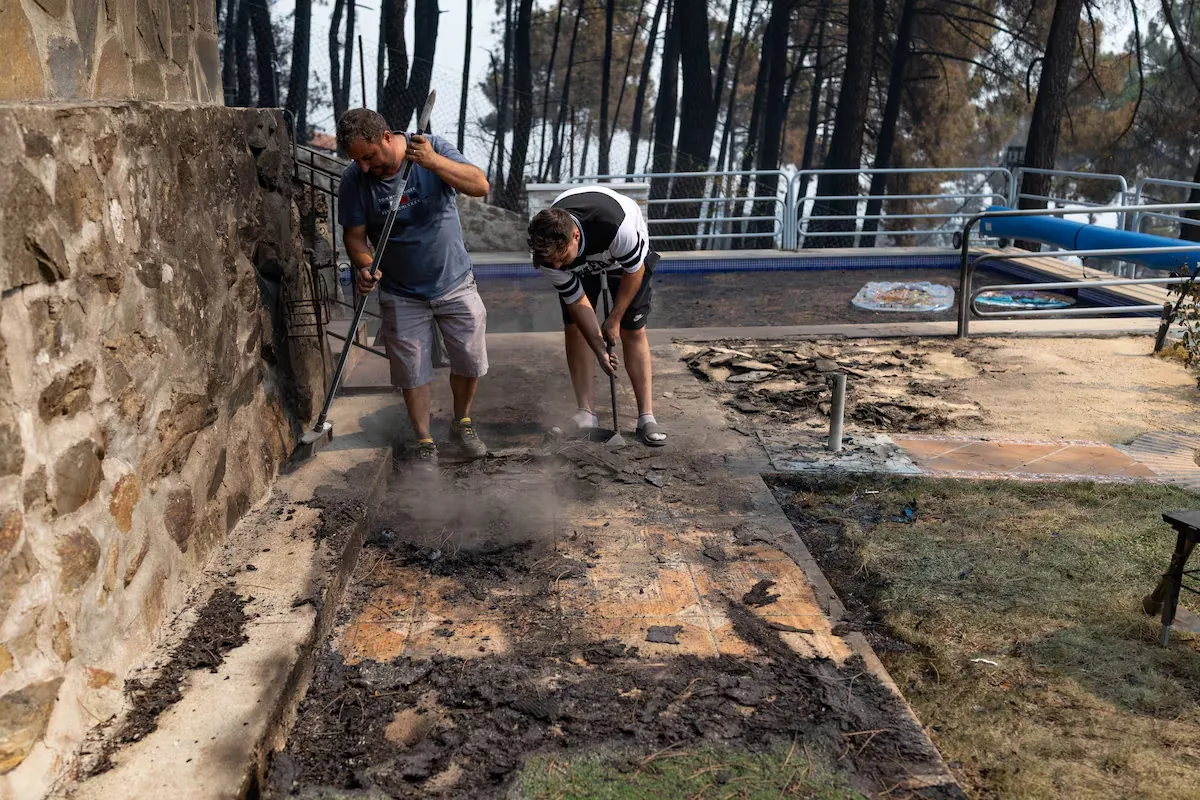
“Who would have thought that, let’s be honest?”. Iván George, 22 years old, throws that question into the air while sweeping his chalet in La Atalaya, a residential area in El Tiemblo (Ávila, 4,500 inhabitants), at the foot of the pine forest from where the fire tongue came down. Here all the neighbors know they live in the middle of a forest, that summers are getting harsher, that the forest is neglected, that it can be a trap if the fire starts but, like George, no one really wanted to believe that those fires seen on television would enter La Atalaya. Until they do and ravage, uncontrollable, leaving a blanket of desolation and ash that they now try to collect with a broom and dustpan. The damage still smokes among these streets and houses with only a few neighbors wetting grounds or calculating losses, not only caused by the flames: thefts have occurred taking advantage of the absence of residents.
Read more A Brazilian ‘influencer’ accuses a ski resort instructor in Chile of xenophobia
George has come from Madrid, where many of the owners of La Atalaya live, along with Iván Costica, 46, both busy trying to mitigate the effects of the catastrophe. George resigns himself: “It never happens to you until it finally does.” Philosophy of calamities. Costica explains that they saw the fire live through security cameras that devastating Thursday the 23rd and that they came as soon as they could between closed roads and police checkpoints.
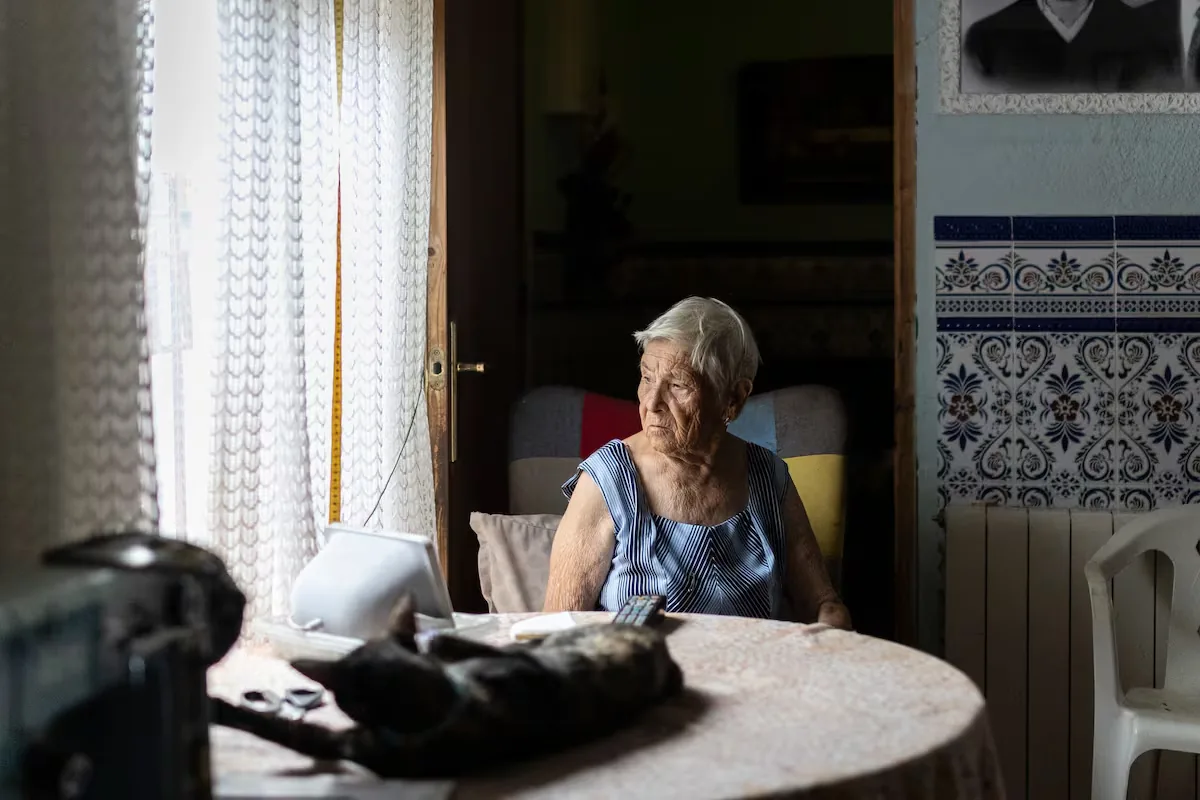
The impact is noticeable on the large pines, some already cracked, and on a small kitten that will hardly survive due to burns and smoke. The environmental drama multiplies in the very large perimeter of the Ávila fire, with nightmares like this in every corner. The two cats of a lady from the neighboring house look curiously from inside their home, sheltered by their owner before she left without knowing if her house would be destroyed like others in the province. Next to it, a stump burns and smokes like a crater.
Walking through those steep alleys, among pine forests, reveals the damage. Luisa Hernández and Javier Torres, 61 and 63 years old, say the only thing they will be able to harvest from their charming garden will be roasted tomatoes, they resign themselves, with the red fruit blackened. “Even the pool tiles have cracked,” they show, with the terrace melted by the blowtorch, while they take out all the spoiled food from the fridge. Despite everything, “the Virgin appeared to us,” they consider, because the building has resisted despite many wooden beams or roofs. “We ask for prevention all year,” they add, and more firefighters like those they missed on Thursday and Friday.
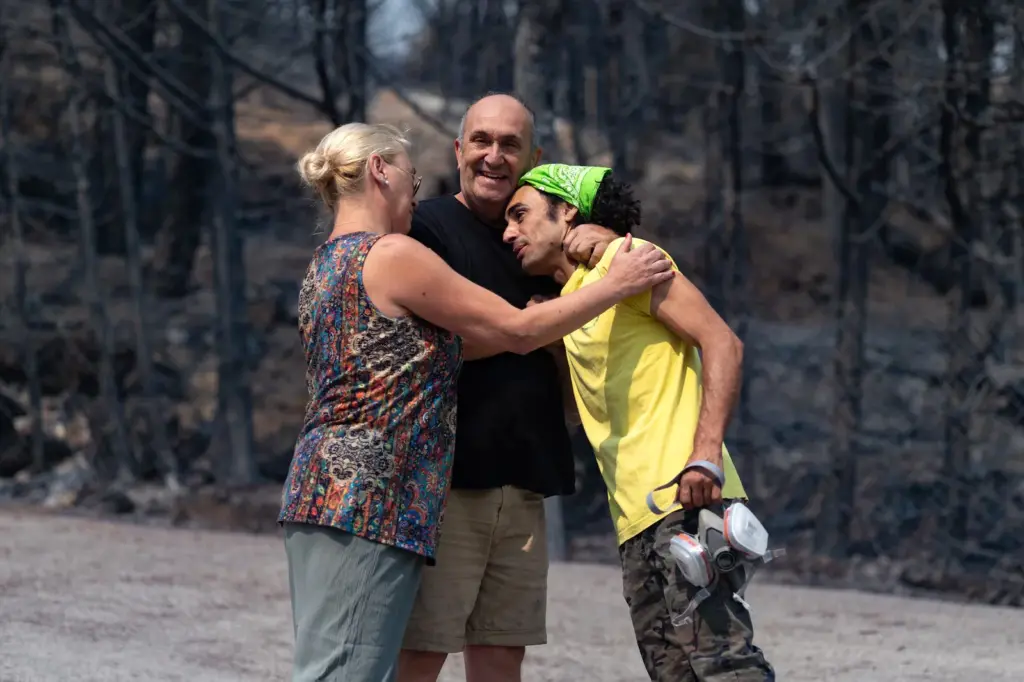
Fatigue shows on their faces, where their eyebrows rise, amazed, to talk about Julio, “a hero” who during the crisis went through the plots extinguishing outbreaks and mitigating the tragedy. “Julio, ahem, César Blázquez,” the hero chokes, who, from breathing so much smoke, has a hoarse throat as well as tired eyes and body, more driven by adrenaline than by the energy he has already consumed.
“I live in El Tiemblo and have a house here, on Thursday you could see smoke and it suggested that the fire would come, but we did not expect that terrible, wild fire that ran through the forest in 10 minutes,” the man from Ávila still marvels, with excitement in his eyes.
The neighbors and he spent that night relocated in the Cebreros sports center and, as soon as he could, he went “to defend what he could.” Everything, manually, with brooms, with buckets of water from pools or with hoses from patios. “It was a powder keg, what I have lived through is not even in the worst nightmares,” he adds these days while attending calls from nervous neighbors, asking about their properties and the extent of the fire on them, and hugging those who come in person to thank him.
Read more The disaster in the warehouses spans from the Tiétar Valley (south of Gredos) to El Escorial
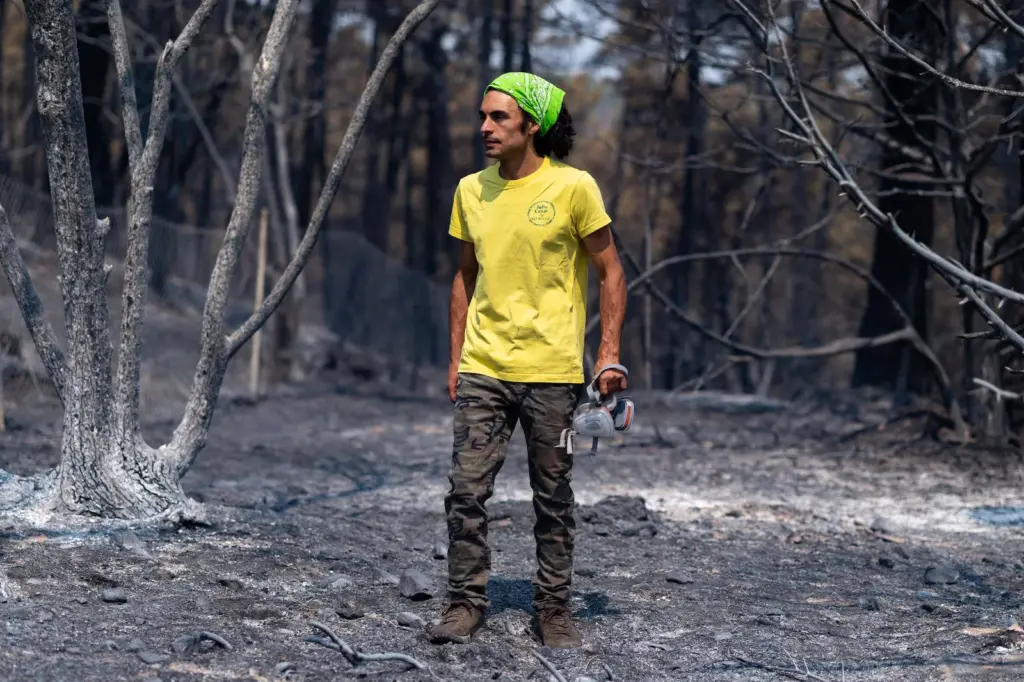
Another family saw how the flames approached their property thanks to an adjacent abandoned plot, with pines and undergrowth overgrown: tinder for any spark to devour them and take away what other people have bothered to maintain.
Miguel Ángel and Yolanda Torrado, 52 and 54 years old, observe the horror with the relative fortune of having preserved their house. It would have been worse, they criticize, if they had not confronted the owner of the neighboring plot, whose trees extended their branches over the Torrado’s roof: “This plot has not been cleaned in years!”
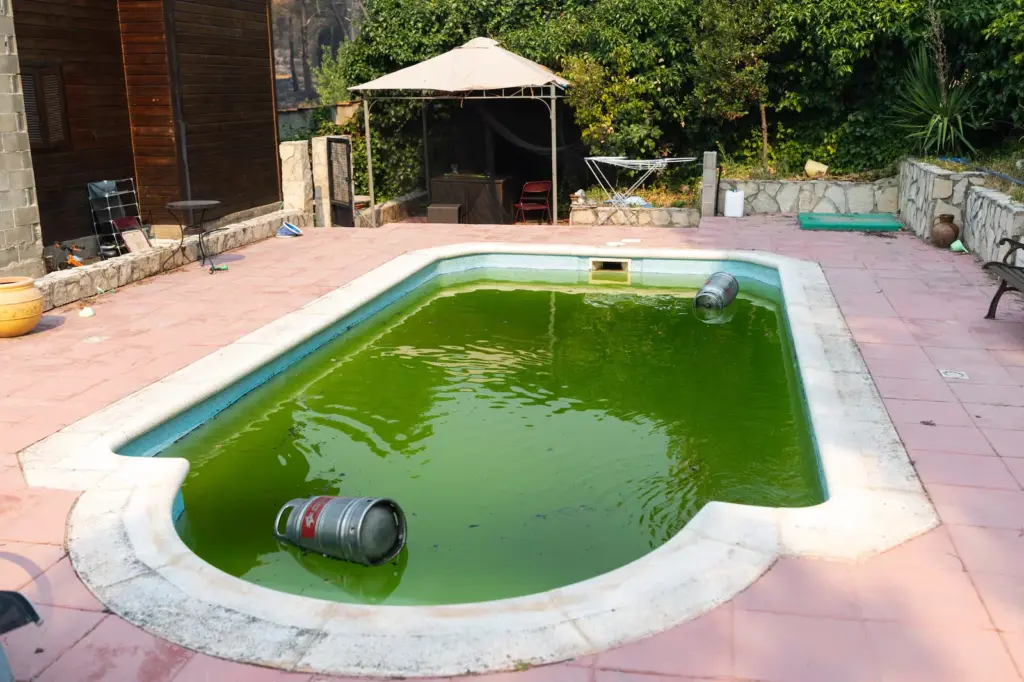
They fought and won, thankfully, because that wood would have allowed the fire to easily approach this second home, from which it is easy to see that everything that could burn, burned: the garbage containers have melted and leave shapeless tears of softened plastic, the hoses distributed at fire hydrants helped somewhat and on the charming neighborhood pools there are even butane gas cylinders, which rarely explode but whose owners wisely threw them into the water. In Casavieja, on the other diagonal of the fire, they exploded.
A Civil Guard patrol appears in La Atalaya because in the presence of journalists it has scared some of the people who are on the roofs or in the gardens. They believe that reporters could be thieves like those recorded in this and other areas of the perimeter affected by the fire, both in Ávila and in Madrid.
There is tension. The agents report that there have already been several complaints, with thieves taking advantage of the chaos and the absence of inhabitants to sneak in where they can, with many houses open to facilitate the work of the firefighters, and plundering what the flames did not engulf. Julio César Blázquez, amid unrepeatable comments about the moral character of the thieves and what he would do with them, growls through his teeth before returning to the task: “People losing their lives and these… bad blood is needed.”
Read more Chess analysis | The prodigious Sivanandan