





With most of his European tour canceled and in the midst of controversy, Kanye West finally lands in Spain. The American rapper, currently known as Ye, will perform tonight at the Riyadh Air Metropolitano stadium in Madrid, one of the few dates that have managed to stay standing after the chain of controversies he has starred in recent years. In interviews and social media, the artist has praised Nazism: he has praised Adolf Hitler on several occasions — he even titled a song Heil Hitler — and has designed t-shirts with swastikas. He also called the anti-racist Black Lives Matter movement a “scam.” These controversies have cost him concerts in countries such as the United Kingdom, France, Poland, Switzerland, and Italy in recent months.
Several groups have tried to add Spain to that list of bans. Especially after the first announcements of cancellations in Europe last April, the Federation of Jewish Communities sent a letter to the Minister of Culture, Ernest Urtasun, requesting institutional reflection and the cancellation of the event. Yesterday, this same organization again expressed in a statement its “deep concern and rejection” of the concert. “We have written to the Ministry, the Community of Madrid, and the City Council, and they told us they could do nothing as it is a private event,” said a spokesperson for the organization to EL PAÍS, recalling the decisions made by other European democracies, which “have understood the danger of individuals who use their notoriety to launch dangerous proclamations.” And added: “Spain must not be an exception or a refuge for those who have contributed to spreading messages that fuel anti-Semitism.”
The Ministry of Culture also reiterated to this newspaper yesterday the position it has maintained for months: Urtasun called the artist’s statements “repugnant” at the time, although he emphasized that it is not up to his department to prohibit his performance. The situation would be different if those statements had been made in Spain, where they could constitute a hate crime, according to the Penal Code, but the legislation does not contemplate prior censorship for words said outside the territory.
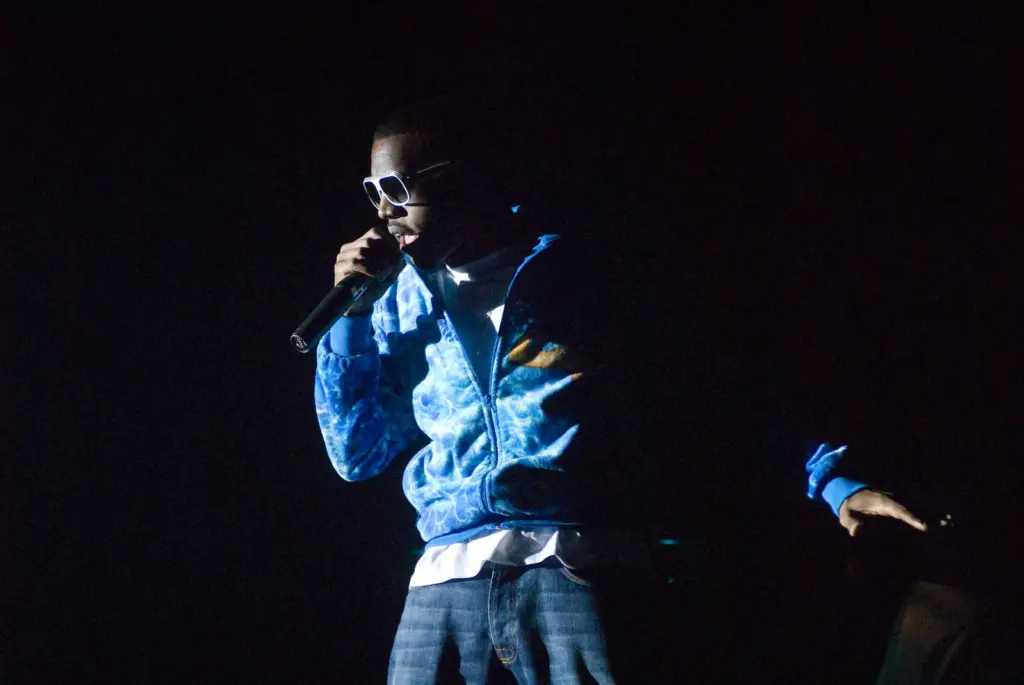
West has only performed once in the country, two decades ago, at the Razzmatazz venue in Barcelona, before about 2,000 attendees. Now, the rapper — also known as Ye — will appear before about 65,000 people, according to sources from Roller Group, one of the three promoters of the event. It is expected that many of them will be those rejected from cancellations in other European countries. As of Thursday, around a thousand tickets were still on sale, priced between 200 and 300 euros.
View this post on Instagram
The Metropolitano stadium will host a “huge setup that has taken up all the space down below and people had to be moved to the stands,” explain the promoters. That is, there are no floor seats. In return, the show will adopt one of the largest formats of the tour. According to the promoter, this depends on each venue. In Istanbul (Turkey), Arnhem (Netherlands), Tbilisi (Georgia), and Tirana (Albania), the last cities where he performed, the deployment was different.
What Kanye West himself (Atlanta, 49 years old) had planned as his big comeback in 2026 — with the release of his new album, Bully, and an international tour — has been marked by controversy. The rapper has tried to apologize several times. The most recent was a post on X last April, in which he appealed for reconciliation: “I know it takes time to understand the sincerity of my commitment to make amends,” he wrote ahead of several European shows that ended up canceled. “I take full responsibility for what’s mine, but I don’t want to put my fans in the middle of all this. My fans are everything to me.”
I know it takes time to understand the sincerity of my commitment to make amends
— ye (@kanyewest) April 15, 2026
I take full responsibility for what’s mine but I don’t want to put my fans in the middle of it
My fans are everything to me
Looking forward to the next shows
See you at the top of the globe 🌏
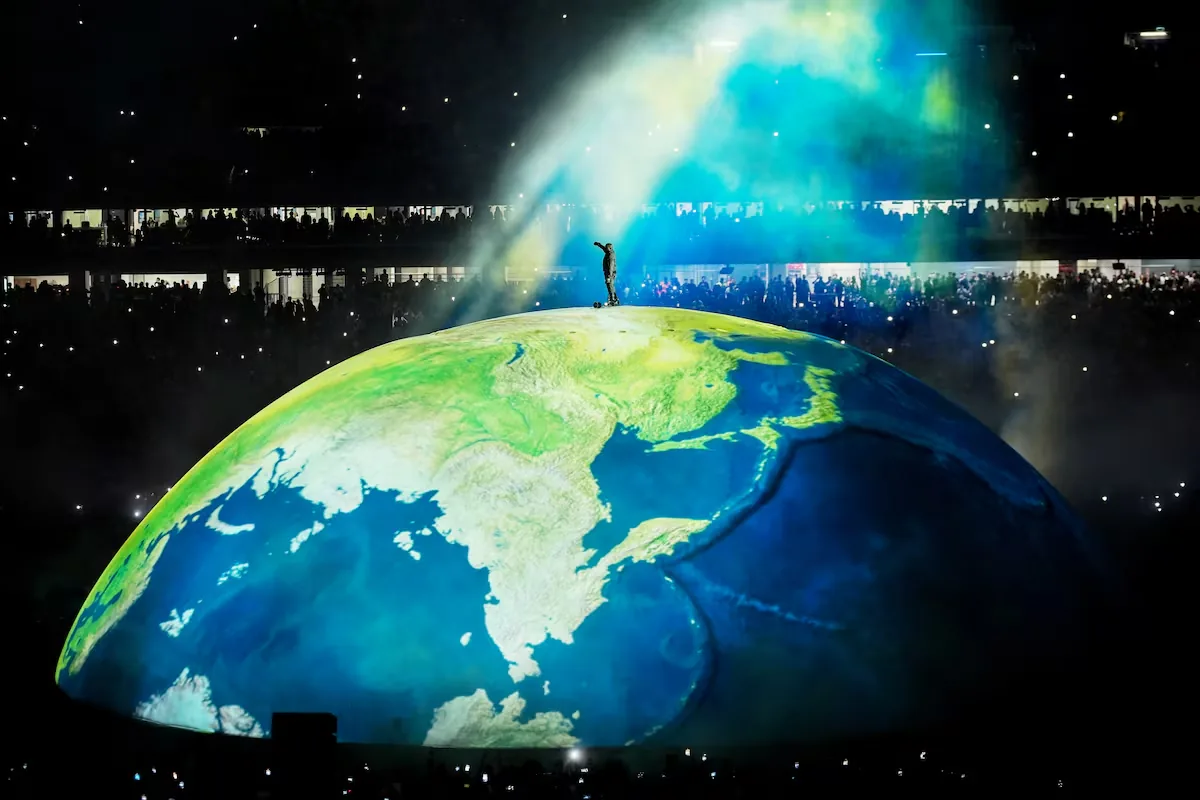
In that same text, West says he is “looking forward to the next concerts.” The scheduled — for now — after the Madrid date are: August 7 in Almancil (Portugal), August 14 in Almaty (Kazakhstan), and August 28 in New Orleans (United States); September 3 and 4 in Chicago and October 24 in Jakarta (Indonesia). “See you at the top of the world,” he added, in a phrase that also refers to the most striking element of the Ye Live show, a huge sphere (almost 30 meters in diameter) that simulates the Earth, raised in the center of the venue and turned into a screen with projections and light effects.
Another attempt at amends was the letter he published in January titled To those I’ve hurt. The announcement, a full-page ad in The Wall Street Journal, included an apology in which the artist attributed part of his behavior to his diagnosis of bipolar disorder type 1, which, he explained, caused him “a four-month manic episode with psychotic, paranoid, and impulsive behavior.” “That destroyed my life,” he added. “I lost touch with reality.”
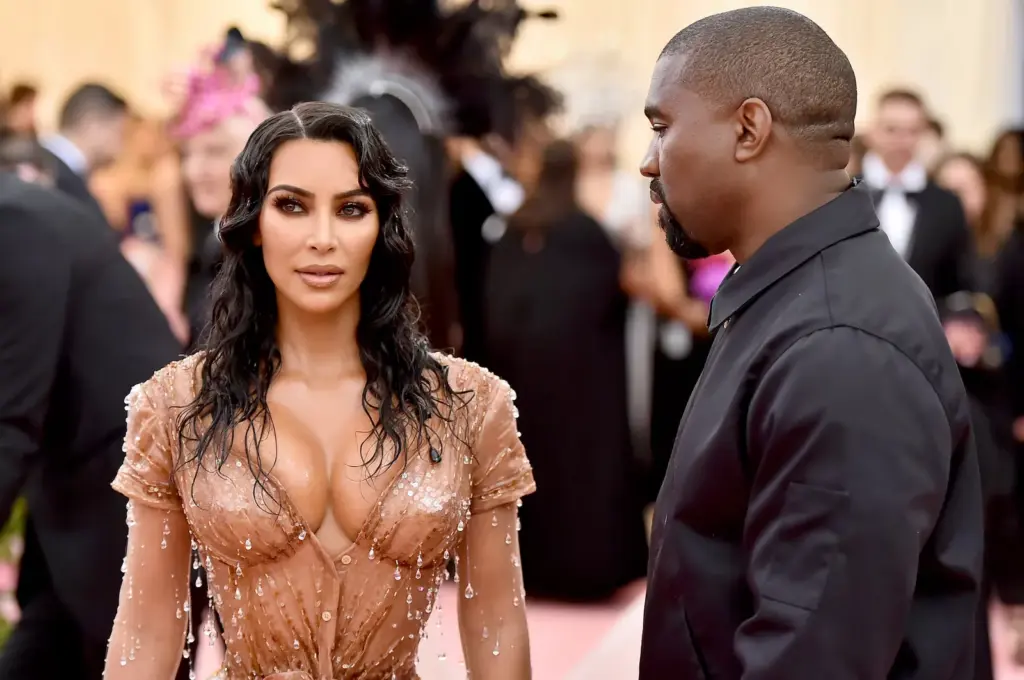
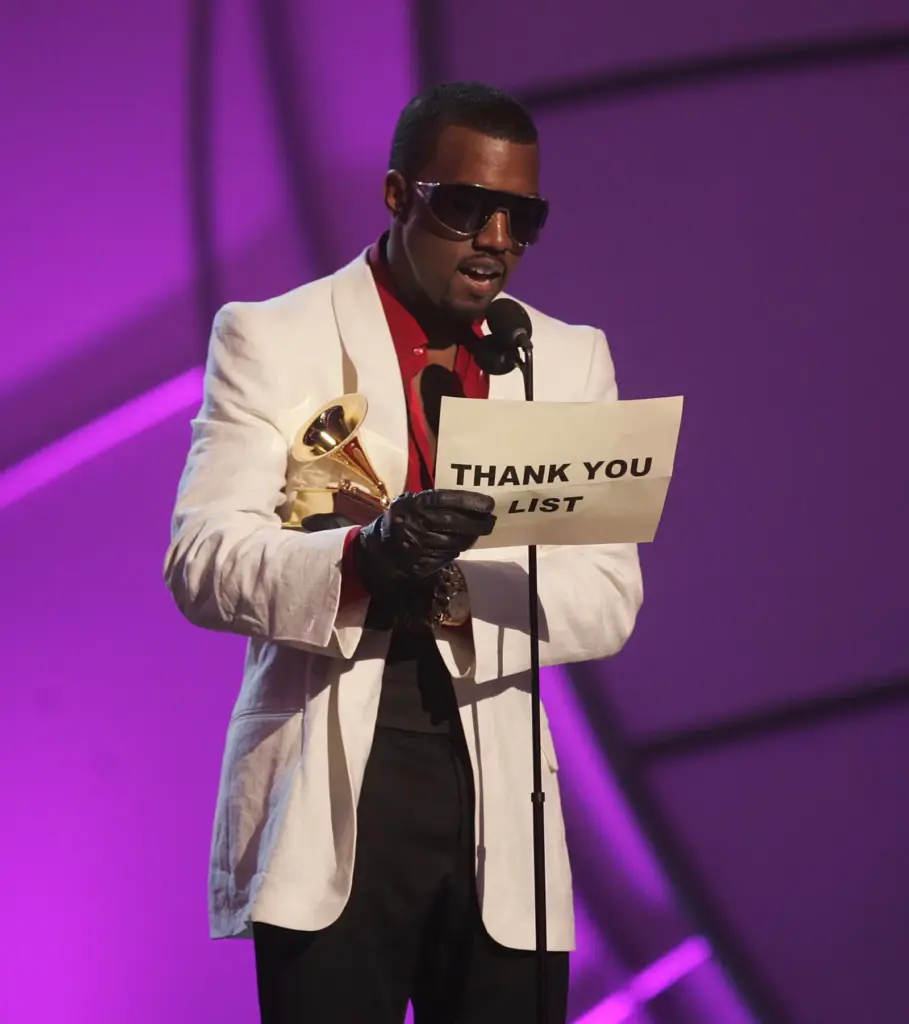
West, ex-husband of businesswoman Kim Kardashian, with whom he had four children during seven years of marriage, did not specify in that text to whom his apologies were addressed. Beyond the controversy, he remains one of the most influential figures in contemporary hip hop. Winner of 24 Grammy Awards, he is the genre’s artist with the most trophies in the history of these awards, only slightly surpassed by Jay-Z. He consolidated his worldwide success with albums like Late Registration (2005), Graduation (2007), and especially My Beautiful Dark Twisted Fantasy (2010), and has signed some of the biggest hits in the industry, such as Stronger, Gold Digger, and Runaway.
Read more The secret weapon with which mosquitoes are winning the war against humans: bypassing insecticides
Praises of Nazism, swastikas, and racism
This dazzling career has been overshadowed by controversies. In 2022, Kanye West and several models wore t-shirts with the slogan “White Lives Matter” — a slogan associated with white supremacist sectors and opposed to the Black Lives Matter movement, which arose after the murder of George Floyd — during a presentation of his Yeezy brand in Paris.
Additionally, Twitter (which at the time was not X nor owned by Elon Musk) canceled his account for inciting hatred after posts that included a swastika superimposed on the Star of David. These actions cost him, weeks later, the cancellation of his lucrative deal with the German firm Adidas. The breakup was a severe economic impact for the rapper, who dropped out of the billionaire list.
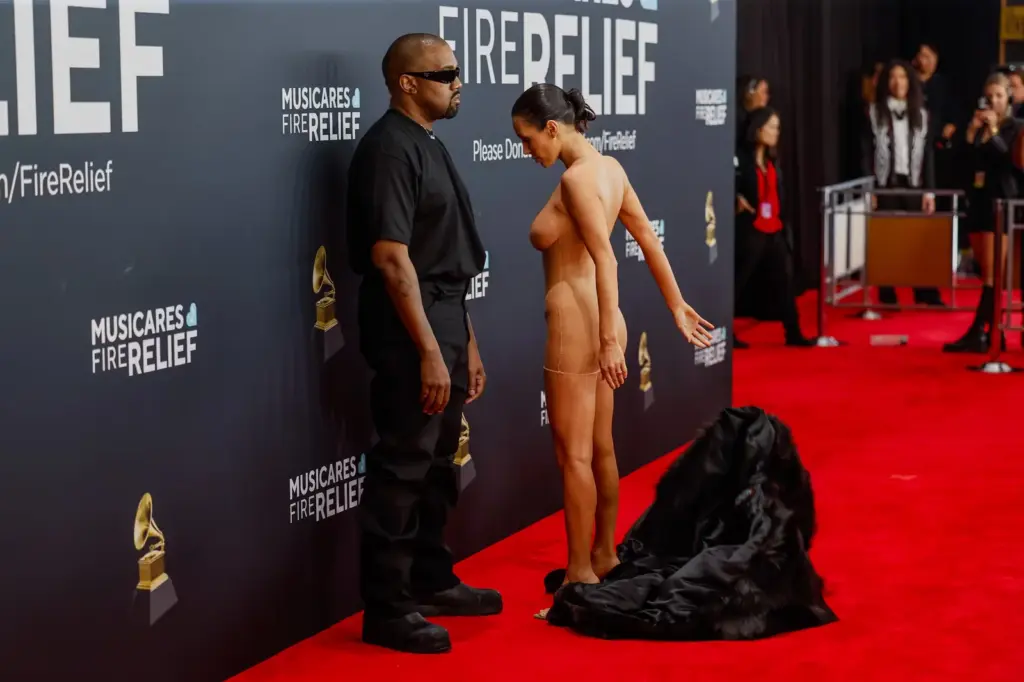
Among West’s controversies, his repeated praises of Nazism and Adolf Hitler stand out, expressed in interviews and social media. In 2025, Australia’s Minister of Home Affairs and Immigration, Tony Burke, revealed that his office canceled West’s visa after the release of the song Heil Hitler. Earlier that year, the artist posted a series of messages on his social media for hours that included comments about his then-wife, Bianca Censori — “I dominate my wife” — and anti-Semitic slogans like “I love Hitler” or “I am a Nazi.”
Also in 2025, through his X account, the singer announced — as “his last piece of performative art” — t-shirts with a swastika in the center. On his website, the rest of the Yeezy brand’s garments disappeared, and those t-shirts became the only item for sale, cataloged under the reference HH-01 (associated with the Heil Hitler salute).
The ban in Europe
Last April, the UK government prevented West from entering the country to headline a festival. In France, the rapper himself anticipated and canceled the recital after the Interior Minister, Laurent Nuñez, said he was seeking “legal measures to prevent it from taking place.” In Switzerland, the venue — owned by the Basel football club — backtracked and stated: “In accordance with our values, we cannot offer a platform to the artist in this context.” Poland also took the initiative following a recommendation from the Minister of Culture, Marta Cienkowska, who said: “In a country marked by the history of the Holocaust, we cannot pretend this is just entertainment.” Italy has been the last European country to cancel the American’s concerts, citing security, public order, and political controversy reasons.
But not all dates in Europe have been canceled. The rapper performed in Istanbul (Turkey) on May 30, his first concert on the continent in more than a decade, before more than 100,000 fans. The artist himself described the event as “the biggest stadium concert in history.” On June 6 and 8, West performed in Arnhem (Netherlands), after local authorities granted the necessary permits for both concerts, despite political opposition and Jewish organizations due to his history of “reprehensible” anti-Semitic statements.
On June 12, the artist continued his tour in Tbilisi (Georgia), where he gave a sold-out concert (70,000 attendees), as part of Starring Georgia, an initiative promoted by the government to attract tourism and project the country’s image through major international events. At the stop in Tirana (Albania) on July 11, the Albanian government allocated four million euros of emergency funds to avoid the concert’s cancellation, a decision that generated criticism for the use of public money in favor of an artist marked by controversy. The show was held in a temporary venue built specifically for the occasion, with a capacity of about 60,000 people, although only around 25,000 tickets were sold, mostly to foreign audiences.
To cover the difference and guarantee the event’s celebration, the government purchased a batch of tickets. Socialist Prime Minister Edi Rama defended the measure as an investment and not an expense, considering that it would help project the country’s image and attract income to the tourism sector. “Some still talk about a four million euro expense for one night, but only someone who refuses to understand does not see that those four million are an investment that will be recovered,” he said in a message on social media, referring to the impact on hotels, restaurants, and other services in the days leading up to the event.