


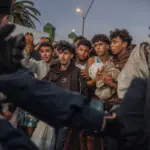
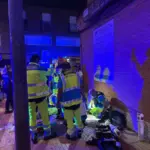


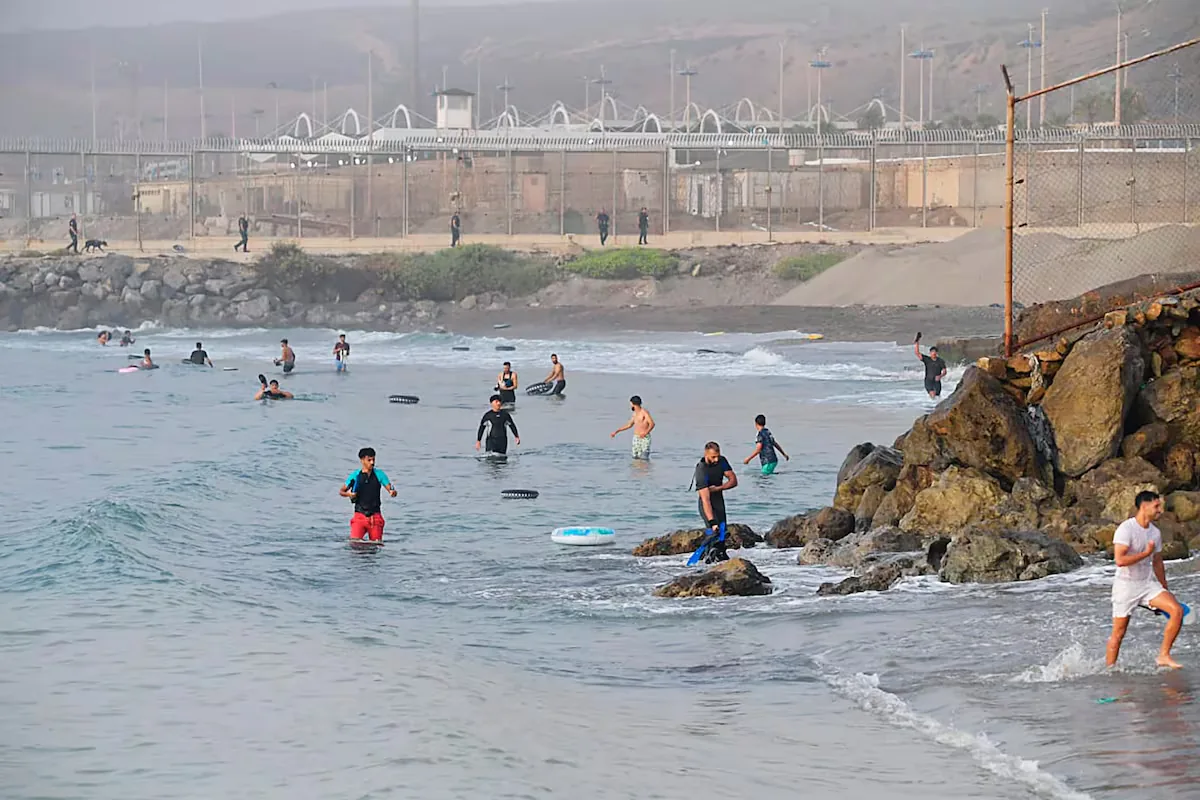
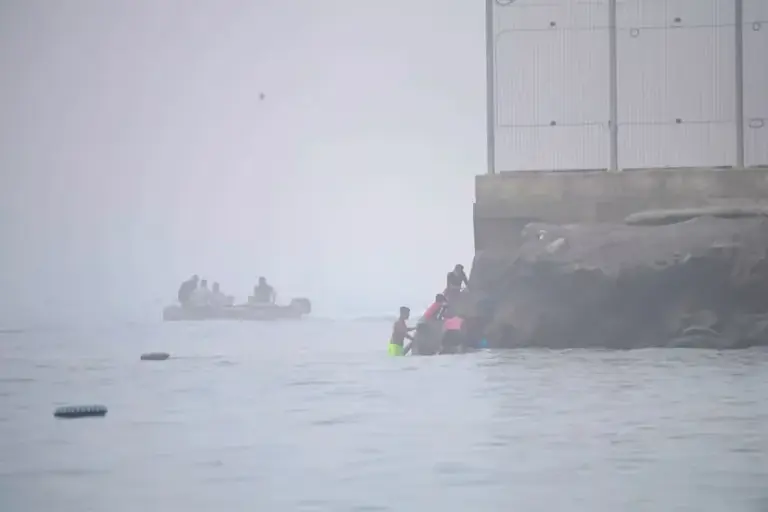
Thousands of people crossed from Morocco to Ceuta without control at noon this Thursday. Many more are waiting on the other side of the border. The migrants, among whom there were women and children, surrounded the breakwater that marks the border and headed uphill to the reception center on Monte del Jaral. The Civil Guard and emergency services, overwhelmed, only attend to the injured. The agents had to open the gates because the immigrants were jumping the fences and they wanted to prevent a bottleneck from forming.
Read more Russia launches a combined drone and missile attack on several cities in Ukraine
Families enter, parents carrying children on their shoulders, women, girls, some just out of the sea. The migrants who pass stop to kiss the ground and run along the road that has not yet been closed, shouting “Long live Spain!”. The agents of the armed institute limit themselves to observing and letting the crowd cross the border.
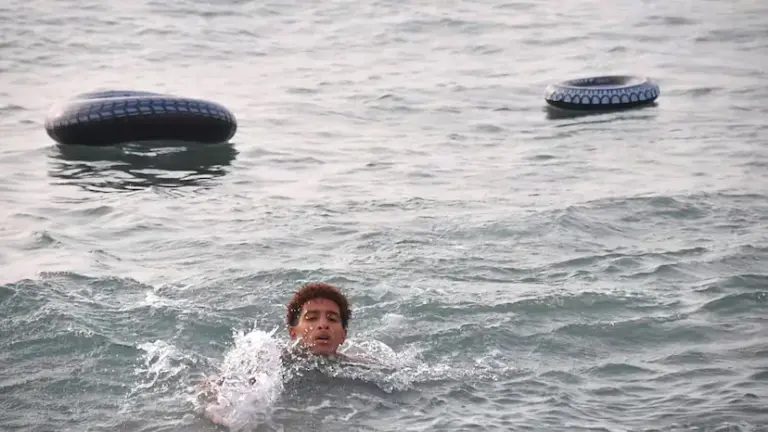
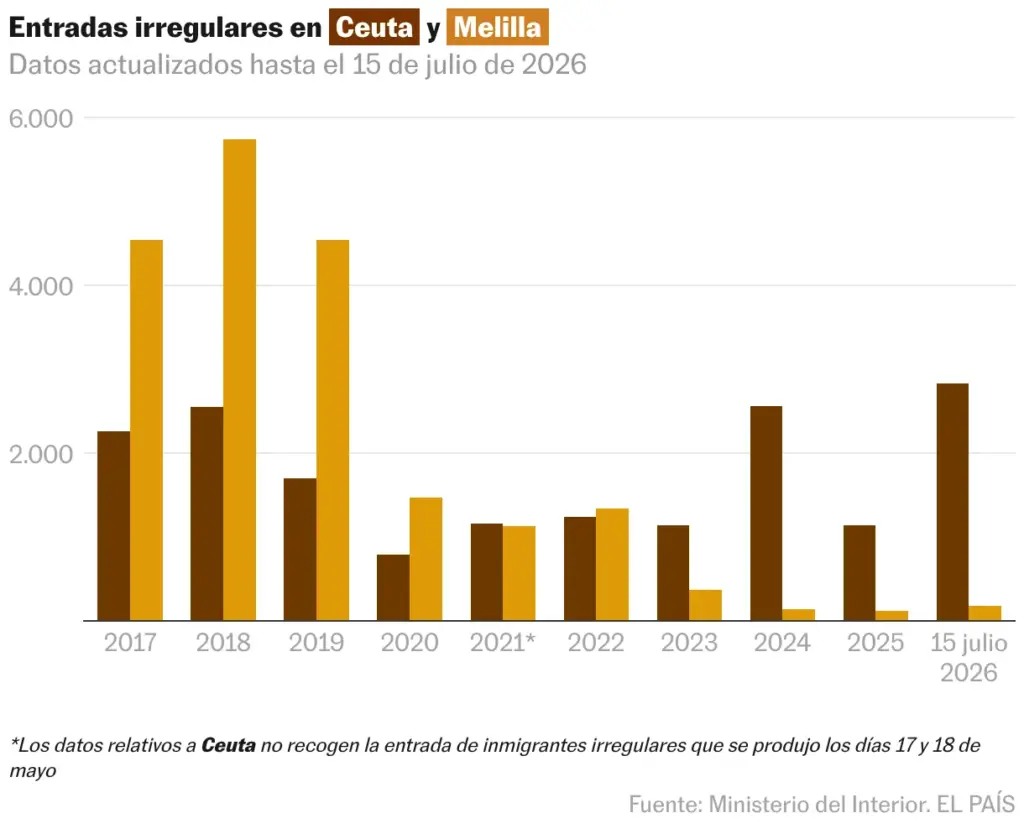
This latest wave comes after a restless night, when hundreds of people entered by swimming along the coasts, mostly young, Moroccan, and male. In recent days, around 1,500 people had swum around the breakwater that separates the borders between Morocco and Spain, images that have awakened the ghosts of the 2021 crisis, when at least 5,000 immigrants managed to cross in one day by skirting the breakwater. The initial figures, reported this morning by Ceuta authorities, are completely surpassed by the uncontrolled entries of this Thursday.
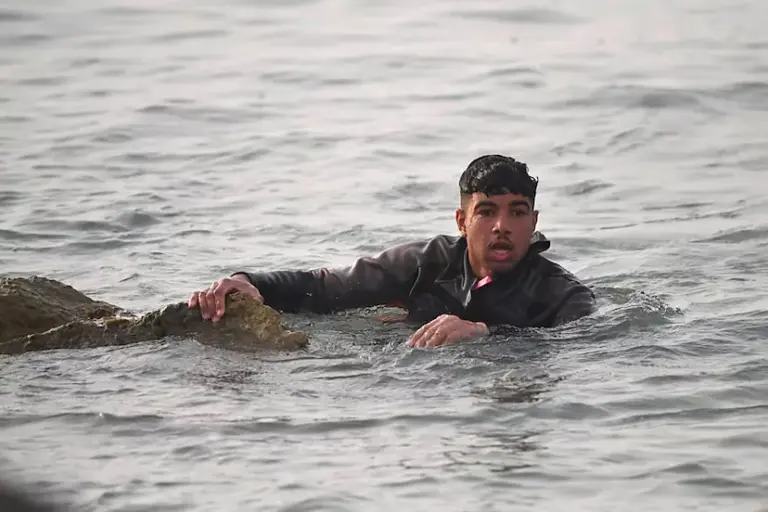
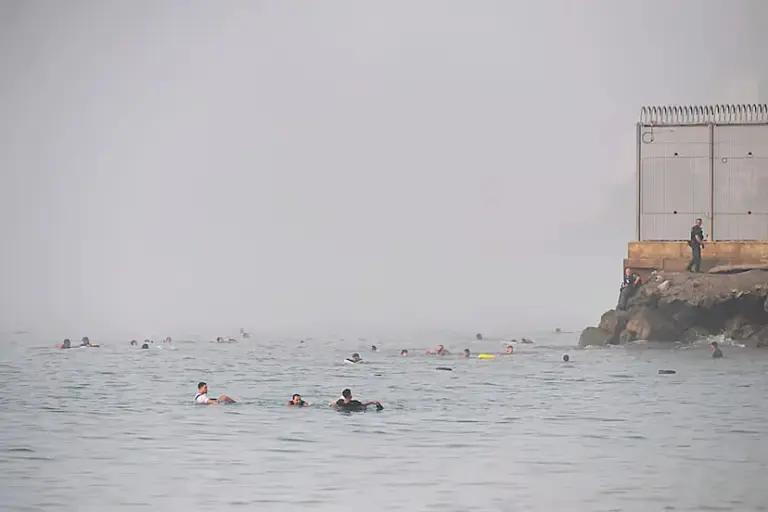
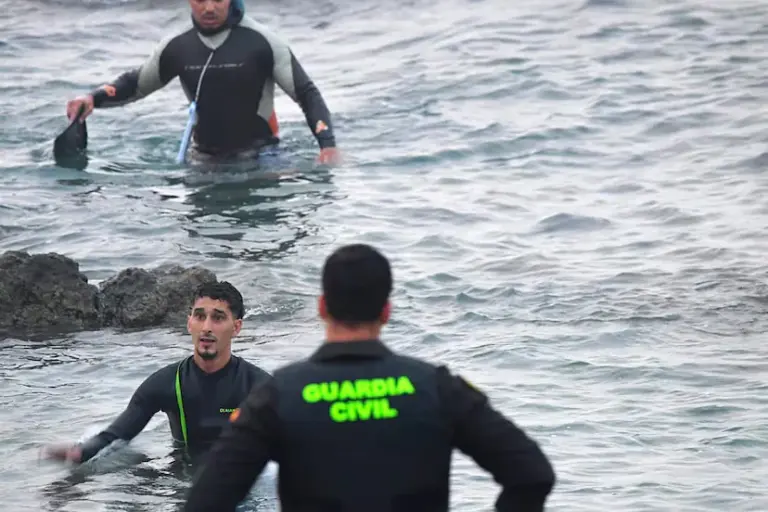
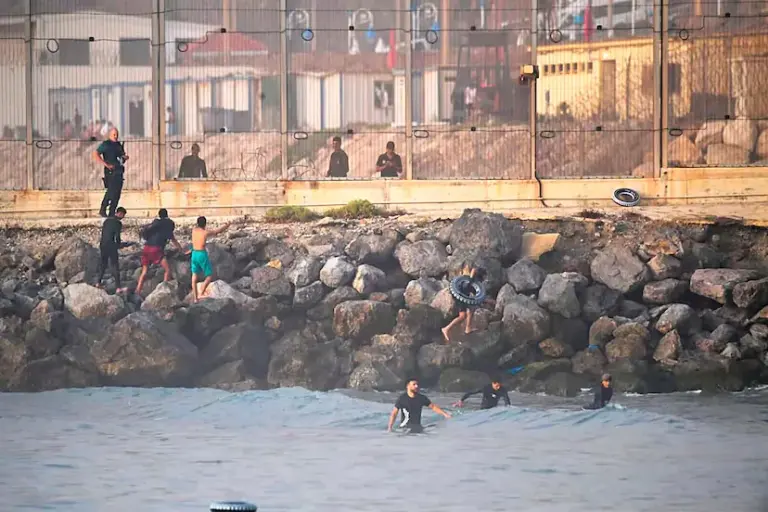
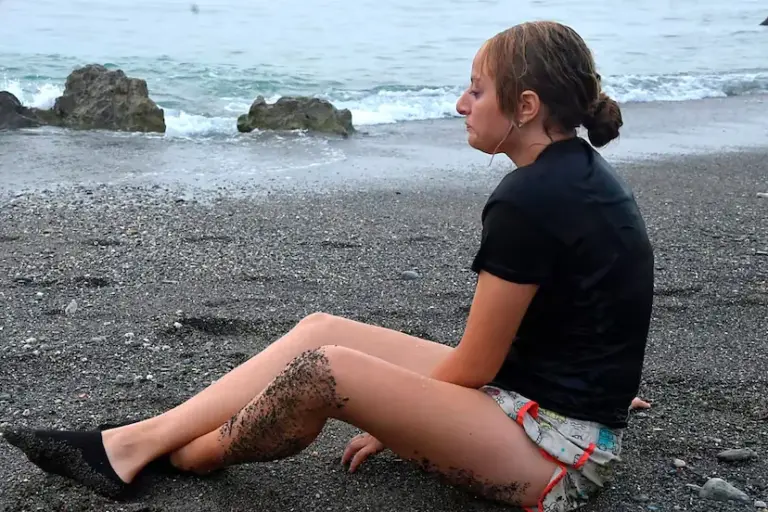
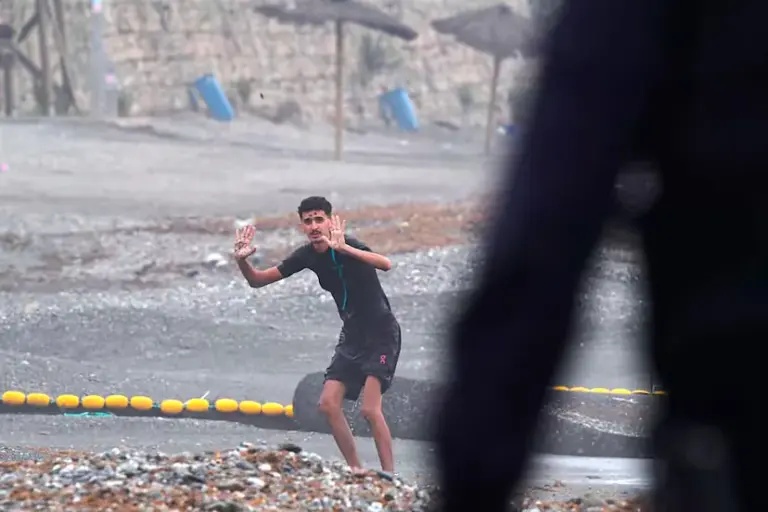
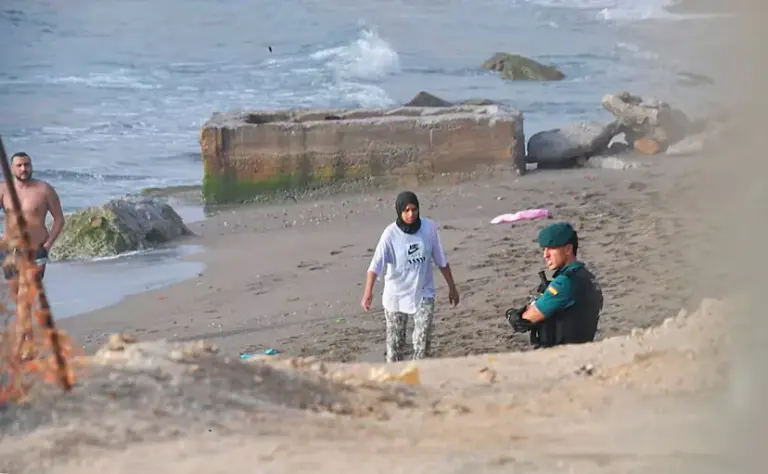
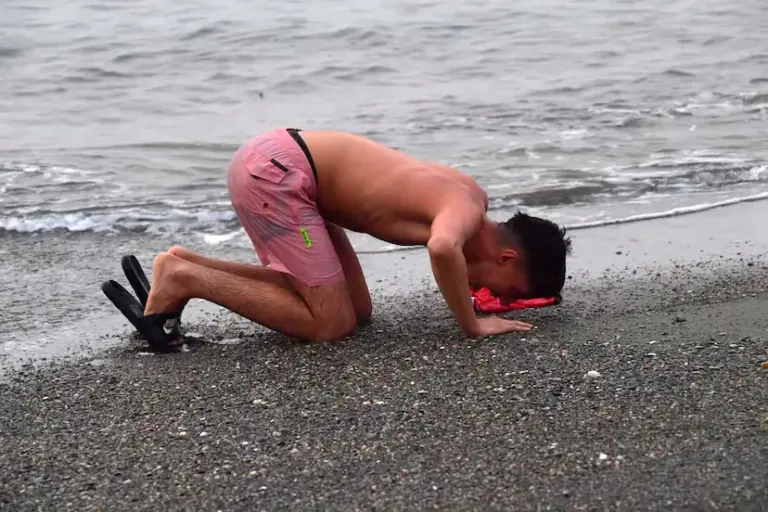
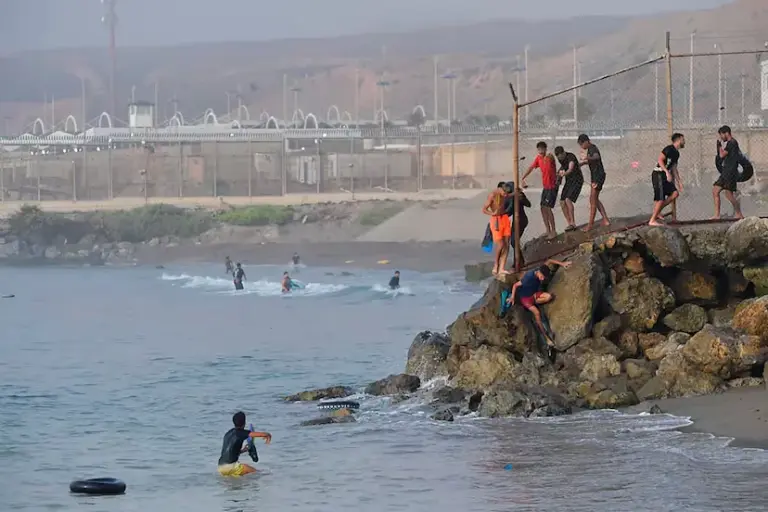
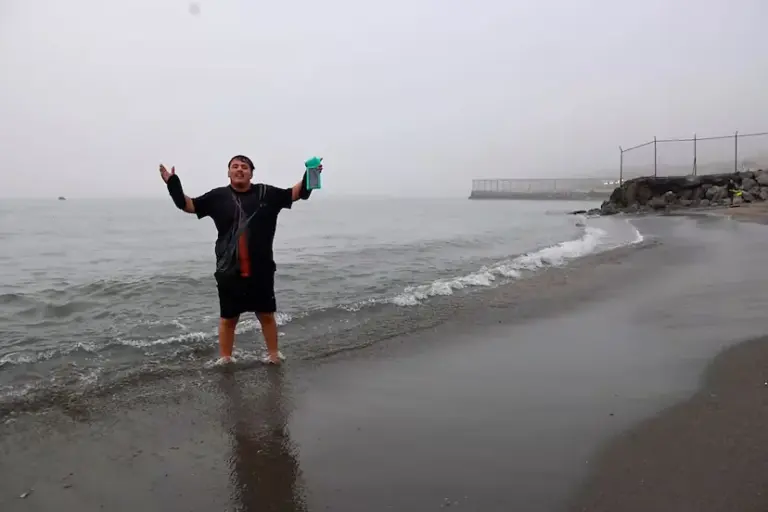
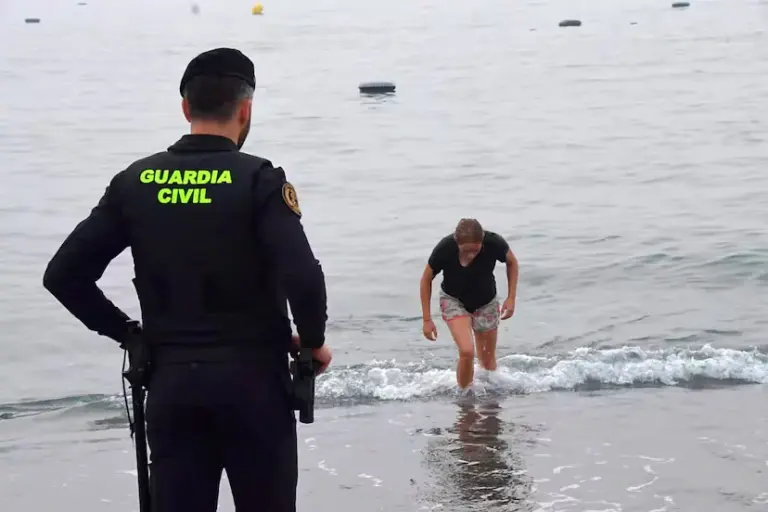
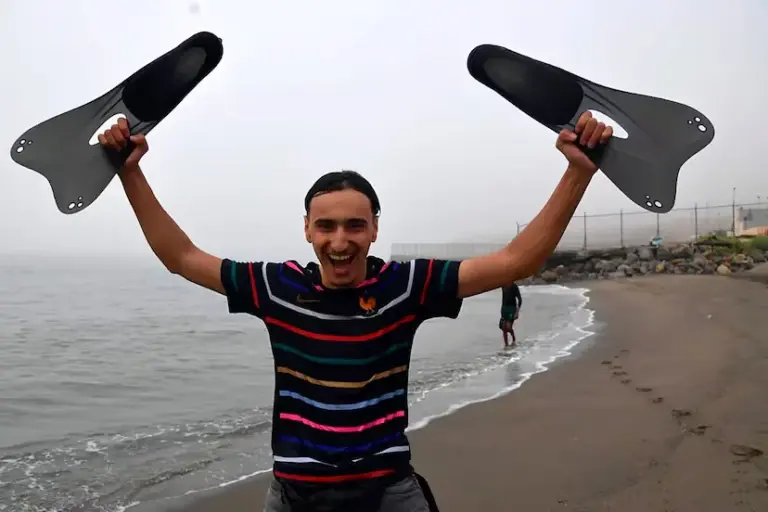
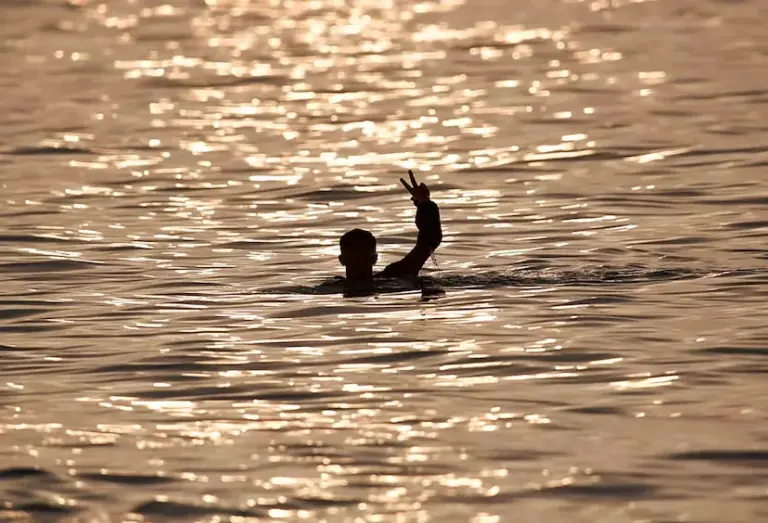
At first, before the situation got out of control, the Civil Guard accompanied them to their facilities with the aim of taking them to the temporary reception center, but some young men did not trust and fled uphill through ravines. Before noon, the agents released all the migrants they had been hosting throughout the night from their facilities at the El Tarajal border. They ran out.
They were not detained, only gathered in an attempt to organize the situation, but they do not understand this, nor do they understand the Spanish in which the police speak to them (and they, in turn, do not understand the Arabic in which they respond). The immigrants arrived tired but happy to touch the coast. The sea and the beach fill with floaters, fins, and wetsuits.
It is another day of a crisis that has been ravaging the autonomous city for at least a week. In the last 10 days, between 1,500 and 2,000 people have entered Ceuta, according to its president, Juan Jesús Vivas, who declared this Thursday that he has requested the Government to declare a national emergency and assume sole command.
The young Moroccans who have arrived in recent days line up by the hundreds along the steep path that climbs to the immigrant reception center of Ceuta, on Monte del Jaral. The young men doze on the sidewalks, smoke, look at their mobile phones, and immediately cluster when they see someone who might help them. The Civil Guard, Maritime Rescue, and humanitarian organizations strive to give a dignified welcome to these people, mostly Moroccans, who arrive, according to some, in the summer days, as they have done in other years.
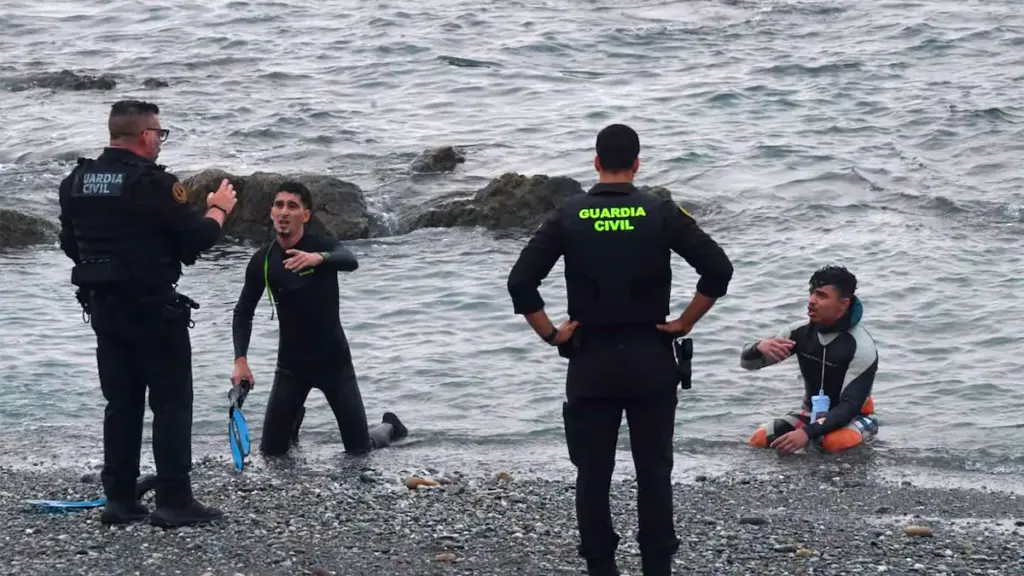
And, according to others, due to the call effect caused by the Supreme Court ruling that prevents the immediate return of those who reach the coast without violating the border protection elements. The express rejection is only applicable, according to the court’s ruling earlier this month, “to those who try to do so by overcoming the established border containment elements, such as the fences.”
In the week and a half that this migratory contingency has lasted, Ceuta had about 2,000 people who have arrived on its coasts. Such a large number of immigrants in such a short time has burst the seams of the city. Ceuta has to attend to those who claim to be minors, about 40 or 50 new each night, according to data from the local Presidency. But adults enter by the hundreds every day, and humanitarian organizations face a complete challenge. This Wednesday, the Civil Guard recovered the bodies of two men drowned while trying to enter the autonomous city. There have been 29 deaths so far in 2026, according to the armed institute’s count.