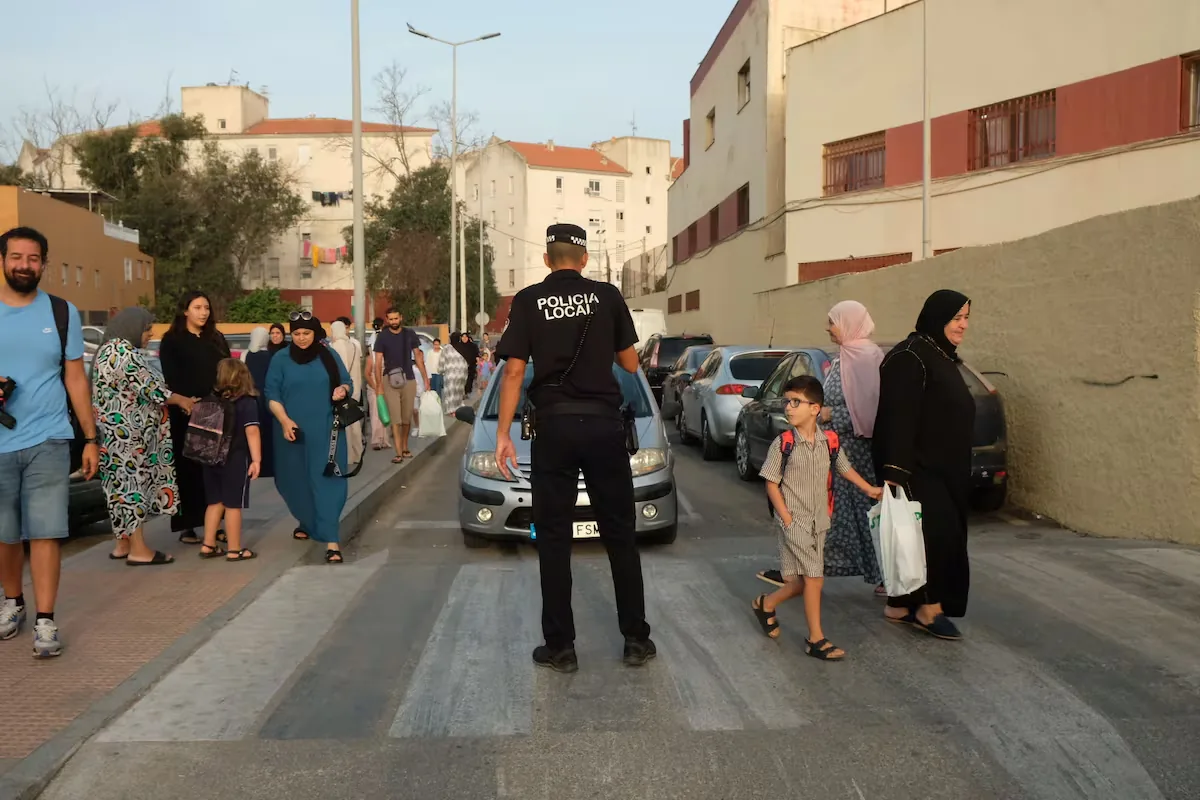







Whether Ceuta wants to recover normality or not, it makes no difference. Nothing is remotely normal. Five days after the swimming entry of more than 60,000 migrants, the city has been split in two. On one side, the more central areas where the strong police presence has achieved an apparent cosmetic calm, a custody that allows tourists to return to the streets that just two days ago were traversed by hundreds of migrants. The Army keeps them out of that kind of unofficial but evident exclusion zone. The Government estimates that 2,500 people remain in the city after having crossed the border irregularly these days.
Read more Daily ONCE coupon: check Monday, August 3 draw
This Monday, Tarajal beach, the scene of the massive entry last Thursday, received bathers, the first since it all began. From the sand, they looked towards the border, which also presented an unusual image: barely two armored vehicles and half a dozen Civil Guard officers, far from the deployment of previous days. But outside that artificial core, the reality is different and overwhelmed, although much less than in previous days. A few kilometers along the coast, near the Benítez neighborhood, at Trampolín Beach, dozens of migrants crowd under umbrellas, in the shadows of the promenade, on the sand, on abandoned sun loungers. They are no longer hundreds, but the flow continues.
They have nowhere to go; the Temporary Stay Center for Migrants (CETI), just three hundred meters away, is overwhelmed. Sub-Saharan, Bangladeshi, and Syrian migrants crowd at its entrance waiting for a free spot that will not come. The center’s director enters with his car and can hardly get past them. The residents of the La Colina housing estate have placed fences to prevent access. The tension is dense, suffocating.
Read more Eurodreams: check Monday, August 3 draw
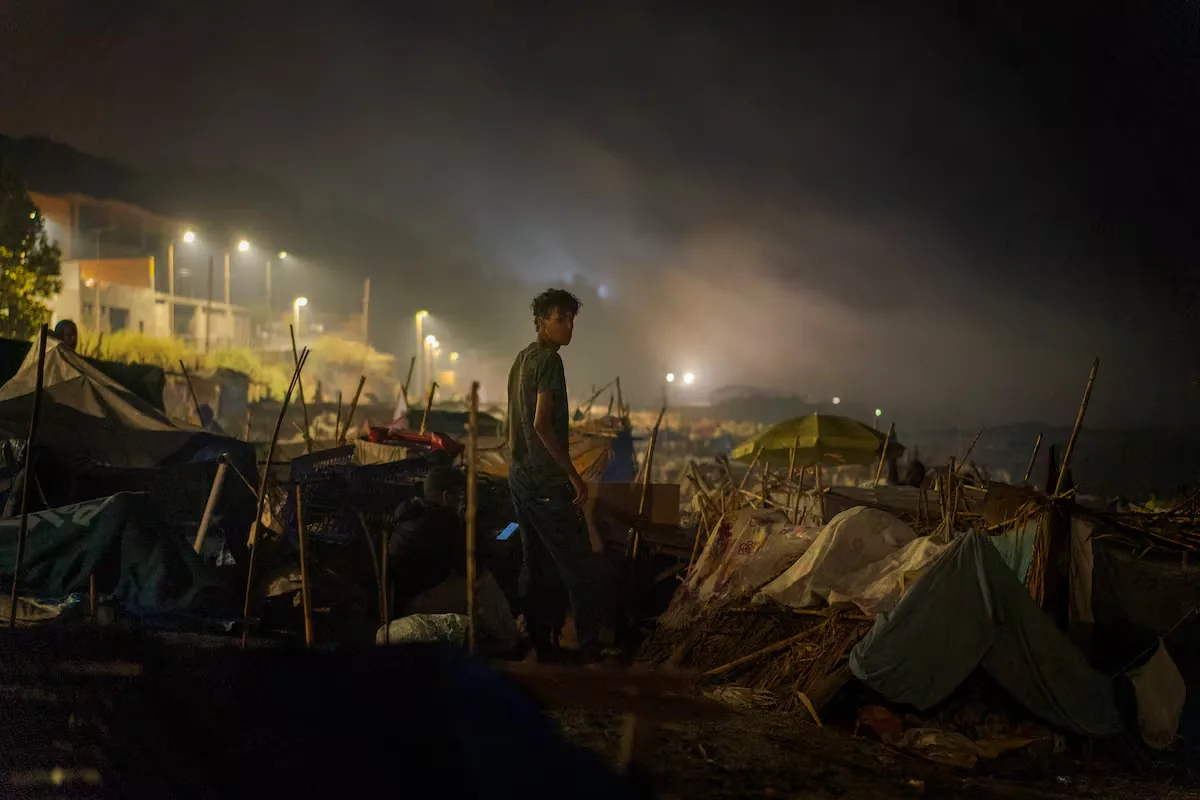
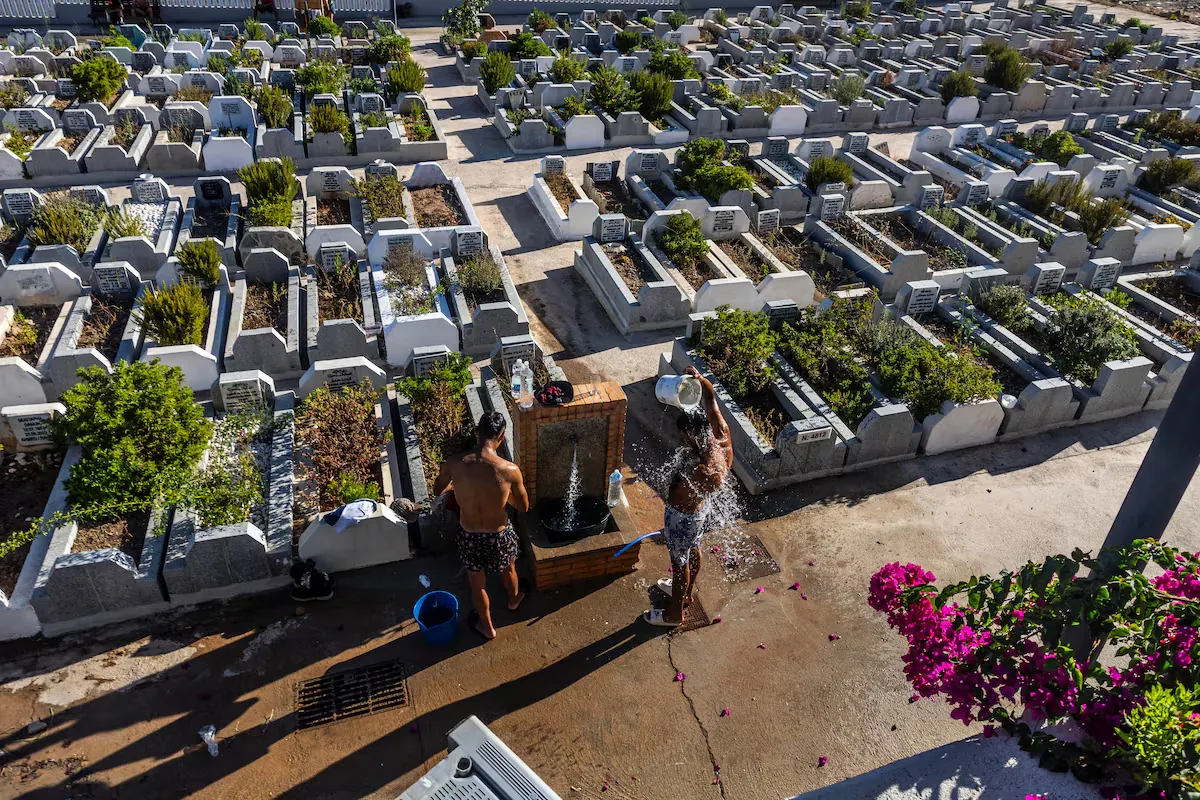
There is no corner that does not reflect what is happening; there are men of all ages wandering aimlessly, carrying cardboard, plastic bags, looking for where to spend the night. The bakeries in the neighborhoods still have no bread and issue tickets to exchange when there is some, whenever that may be. The white walls of the old Muslim cemetery of Sidi Embarek are full of dark marks, evidence that it has been climbed for days. It is one of the places where migrants have found refuge, or something that might resemble it. Inside the cemetery, they pile up their belongings, shower with maintenance hoses, set up makeshift beds among the tombstones. They are mostly Moroccans, and like everyone in the city, they already show a very revealing weariness with the press.
Alí, a 32-year-old Ceutan who lives in the Hadú neighborhood, where many have gone in search of food, says that these days he has seen journalists from all over the world, “even Chinese and Russians.” This is confirmed by the strange arrangement that has been created along the coastline, by the promenade next to the sea: every thirty meters, a soldier, two steps further, a television camera, then another soldier, and it starts again. While some look for non-Moroccan migrants to redirect them to the CETI on foot or in vans, others require them to face the camera. They sleep outdoors and the next day, it starts again.