The arrival of the eclipse on the upcoming August 12 will become a social phenomenon that will involve up to 1.5 million road trips, as it will be visible in a wide strip of peninsular territory and partially in the rest. This makes Spain one of the main international destinations for its observation, especially since it is the first one visible in the country since 1905, out of the three expected until 2028. The Directorate General of Traffic (DGT) has released today, Thursday, a series of tips to reduce traffic jams and avoid road accidents, as an increase in traffic is expected — especially on secondary roads — ranging from 30% to 100%. They emphasize extreme caution while driving during the eclipse itself, planning the trip well in advance, and, as much as possible, staggering the return.
A study by the Ministry of Economy, Commerce and Business highlights that 8.4% of people traveling to see the eclipse in the best visibility strip plan to travel to a province different from their residence. The arrival of 446,700 additional visitors is expected between August 10 and 16 (164,000 foreigners and 282,700 nationals).
The DGT has classified the eclipse as a High Traffic Impact Event (EVAAT) for which it has designed a specific plan to guarantee road safety. It has been preparing it for months together with other involved administrations. The plan includes continuous monitoring from traffic management centers, which will be supported by the Aerial Media Unit — helicopters and drones — that will transmit real-time images to the DGT.
Within this operation, the Directorate General of Traffic considers the eclipse a High Traffic Impact Event (EVAAT) and has designed a specific plan to guarantee road safety that will combine preventive measures, on-site surveillance, and permanent information to users.
On the ground, agents of the Civil Guard Traffic Group will monitor the main routes to observation points, prevent vehicles from parking in dangerous places, manage traffic, and facilitate the passage of emergency services. And a clear warning for all drivers: these officers will conduct preventive drug and alcohol checks at points with the highest vehicle concentration.
The DGT has reminded that the strip where it will be fully visible includes 36 provinces spread across the communities of Galicia, Asturias, Cantabria, Basque Country, Navarra, La Rioja, Castilla y León, Community of Madrid, Castilla-La Mancha, Aragón, Catalonia, Valencian Community, and Balearic Islands. The main risks to road safety consist of vehicle concentration, improvised stops on the road or shoulders to observe or photograph the eclipse, and the presence of vulnerable users — pedestrians or cyclists — on the road or near observation points.
Among the main road safety risks associated with travel to observe the eclipse are vehicle concentration, especially at the end of the totality phase, improvised stops on the road or shoulders, distractions while driving to observe or photograph it, and the presence of pedestrians on the road and near roads at observation points. Among the recommendations made by the DGT are:
· Avoid unnecessary trips. The eclipse can often be observed from the place of residence or a nearby town, without the need for long trips. The phenomenon can be enjoyed without traveling to points where the duration is maximum.
· Plan the trip well in advance. If travel is necessary, it is advisable to organize it ahead of time and not leave it until the last minute. One option is to use public transport. It is also advisable to check the road conditions and weather forecasts beforehand and stay informed through official channels and navigation systems.
Read more A single week of scorching heat caused 9,600 deaths in Germany in June
· Choose a suitable place to observe the eclipse. Authorized or enabled locations should be chosen, with sufficient parking areas and adequate access. The autonomous communities have presented more than 360 safe observation points. As much as possible, it is advisable to avoid secondary roads — with only one lane per direction — or spaces with limited capacity that may become easily saturated with a massive arrival of vehicles. It is important to be extremely cautious due to fire risk at observation points located in natural environments.
· Absolute prohibition of stopping the vehicle on shoulders or road to observe the eclipse. Stopping the vehicle anywhere can cause serious traffic accidents, especially since it will be night and visibility will be drastically reduced. Therefore, the most correct thing is to leave the traffic lanes and park in designated points or where it is allowed.
· Pay extreme attention while driving. The eclipse can distract the driver, with the consequent risk of suffering a road accident. Traffic has asked all drivers for the following recommendations: increase the safety distance and adapt speed to traffic conditions, do not handle mobile phones, cameras, or other devices to take pictures, keep dipped headlights on during the darkening phase, do not look directly at the sun or use specific observation glasses while driving, and use the vehicle’s sun visor, if necessary, to avoid glare.
· Special attention to vulnerable users. It is normal in these situations that pedestrians are on the road near observation points, so it is advised to reduce speed and be especially cautious about the possible presence of vulnerable users, which also includes cyclists and scooter drivers.
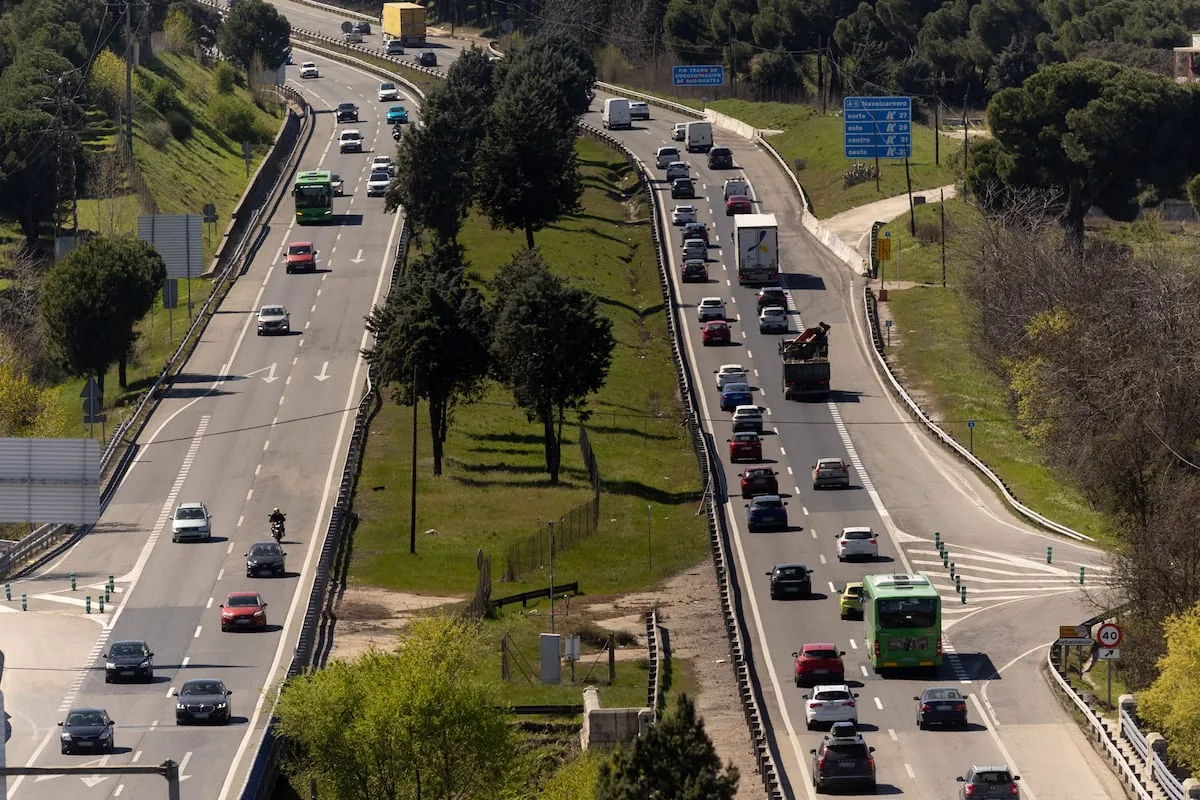
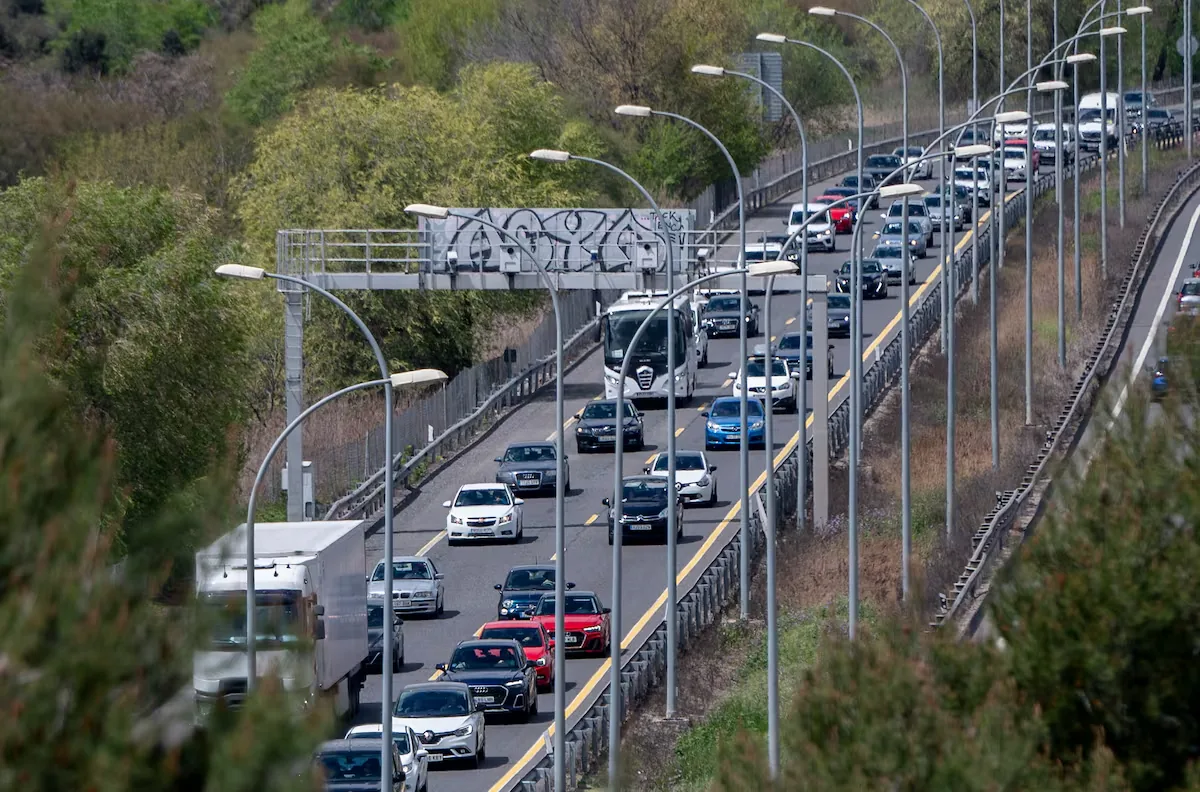
· Plan the return. Normally, once the eclipse has ended, traffic jams will occur during the return, especially on secondary roads, as all travelers leave the observation points at the same time. Therefore, and to avoid this critical moment, the DGT has asked to stay some time in these areas and stagger the return.
· Respect special traffic measures. The DGT has also informed that in some cases it may be necessary to adopt specific traffic management and regulation actions around observation points to guarantee safety and maintain traffic flow. Therefore, it asks to respect in any case the instructions of the agents, road signs, and messages broadcast through variable message panels. Catalonia, Navarra, and Basque Country have established special measures with restrictions and limitations on heavy vehicle traffic around the eclipse time.
· Consult official information before and during the trip. The Directorate General of Traffic will keep updated information about traffic conditions and possible incidents related to the eclipse through its official channels. Among them is the official web viewer. Traffic status and incidents map (https://etraffic.dgt.es/etrafficWEB/) where users can check traffic status, cameras, incidents, weather, and restrictions; official social networks, such as X (@DGTes) and navigation systems. Information will also be provided through road message panels, radio bulletins, and the 011 telephone service.
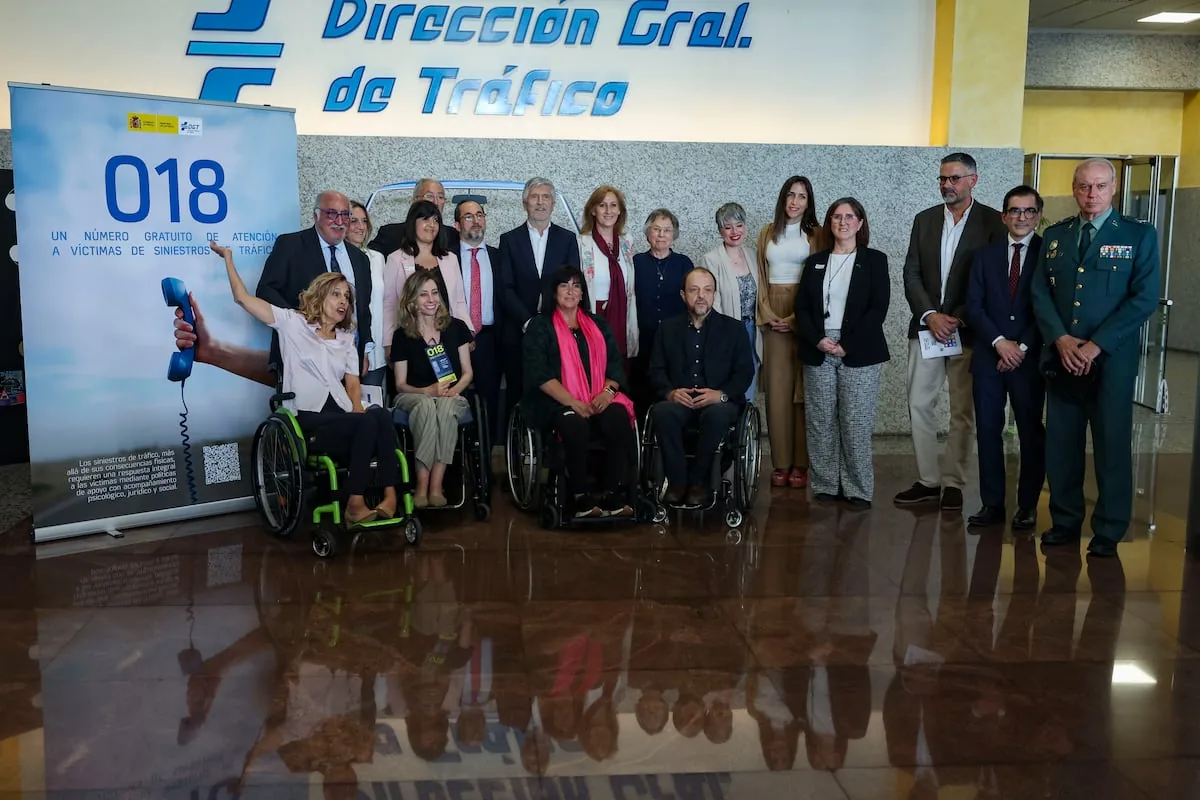
The Directorate General of Traffic has the phone 018 to assist victims of road accidents. It offers information, guidance, and support to victims and their families. It is free, accessible, with national coverage, and attended in more than 50 languages. It operates between 8:00 and 21:00 every day of the week. It can also be contacted via WhatsApp at number 645 713 823, by email at victimastrafico@dgt.es, or on the DGT website.