This Wednesday, the regulation on packaging and waste (PPWR, by its English acronym) begins to be applied in all countries of the European Union. This legislation, which replaces a 1994 recycling directive, aims to gradually reduce container waste from now until 2040. The implementation of all the measures included in this new law is gradual, but it covers all packaging and its waste throughout the entire community territory. These are the key points of the new regulation, which has set a target for 2030 that all packaging must have a minimum recyclability of 70%.
What comes into force?
From this Wednesday, the restriction of PFAS substances (perfluoroalkyl and polyfluoroalkyl) in packaging that comes into contact with food and beverages comes into force. These are chemical substances used to make certain containers resistant to grease or water. From August 12, packaging with these products can no longer be manufactured, but those marketed previously can continue to be sold.
PFAS can be found, for example, in some fast food wrappers or packaging for prepared foods and “pose a serious pollution problem because they accumulate in the environment,” denounces the Consumers and Users Organization (OCU).
How does the new regulation affect consumers?
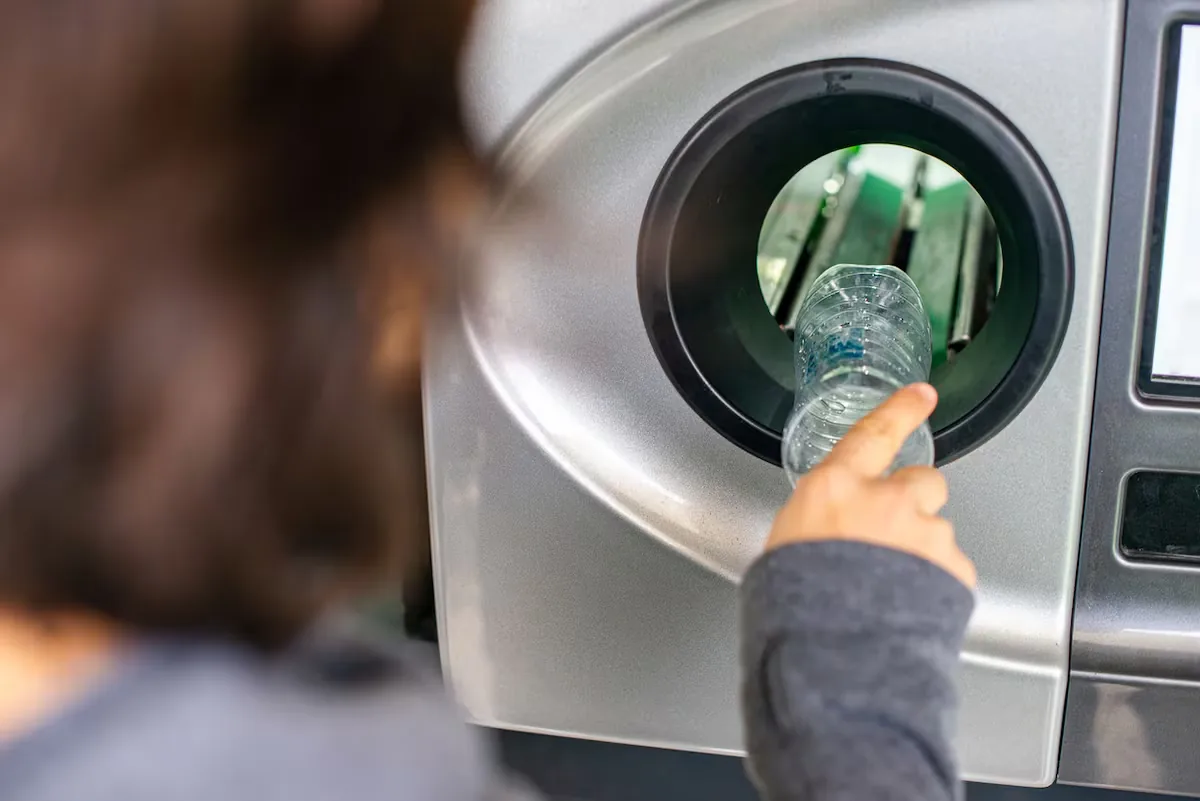
Starting this Wednesday, a schedule begins for the measures with the greatest impact to become mandatory, but there are still a few months left for that. Thus, from February 12, 2027, when buying food or drink to go, establishments must allow consumers to use their own containers. One year later, on February 12, 2028, these establishments must also offer an alternative in a reusable container. This implies that customers will have to return them and establishments must ensure their cleaning and recirculation. Additionally, containers (also bottles or jars) will have a small deposit added to the price that will be recovered when returning the empty container. This surcharge is pending approval but is expected to be about 10 cents per container, according to Ecoembes.
From that same day, packaging for certain products that are usually discarded along with organic waste, such as tea bags, certain coffee formats, or adhesive labels placed on fruits and vegetables, must be compostable. And from January 1, 2030, refillable packaging cannot exceed 50% empty space (for example, a bag of potato chips). Also, supermarkets will not be able to sell fruits and vegetables under 1.5 kilos packaged in plastic nor use certain plastic rings to group products, like those used on beer or soda cans. Individual condiment packets will also disappear; and small bottles of shampoo, gel, or cream in hotels.
Will plastic sachets for sauces still be sold?
The PPWR does not establish a general ban on all single-dose products sold in supermarkets. The ban only affects single-use plastic sachets used for individual portions of condiments, preserves, sauces, sugar, or coffee creams in hotels, restaurants, cafeterias, and caterings (known in the sector as the horeca channel) and also for consumption on the premises. This means that these sachets will continue to be sold in supermarkets and the formats marketed for domestic consumption will continue to exist. In the case of olive oil, there are still doubts about the specific scope of the measure, as the single-dose sachet was a major demand of the sector at the time.
Are there exceptions?
The short answer is yes. European legislation states that microenterprises may be exempt from the ban on single-use packaging for food and beverages consumed within the premises if there are no viable alternatives. Additionally, member states have the option to exclude additional sectors, allow distributors to form groups, and exempt those operating on small islands or in low population density areas.
Will there be changes in labeling?
From August 12, 2028, new packaging must carry a harmonized European label that informs about the materials they contain and facilitates their correct separation. However, the number of bins for waste disposal does not change. This means that they will no longer only carry an icon indicating which container they should be deposited in (yellow, blue, green…), but a matching system will be implemented. A beverage can will include a gray logo (metal) and that same logo will appear on the yellow container, where it should be thrown. A rigid plastic bottle will have a yellow logo reading rigid plastic and that same logo will be on the yellow container, where it should also be deposited. A milk carton will carry an orange logo, and that same orange logo will appear on the yellow container, where it must be thrown.
What objectives does the regulation pursue?
The main objectives pursued by this legislation are three, according to the legal text itself: “Avoid unnecessary packaging and promote reuse, refilling, and recycling; harmonize national measures to avoid trade barriers and competition distortions; and contribute to the circular economy and climate neutrality by 2050.” To this end, a recycling rate of 70% must be achieved by 2030 for all container waste, with specific targets for different materials. Additionally, it is established that plastic packaging will be reduced by 5% by 2030 and 15% by 2040.
Read more Seven thousand days without Madeleine McCann, the disappearance that shook the world