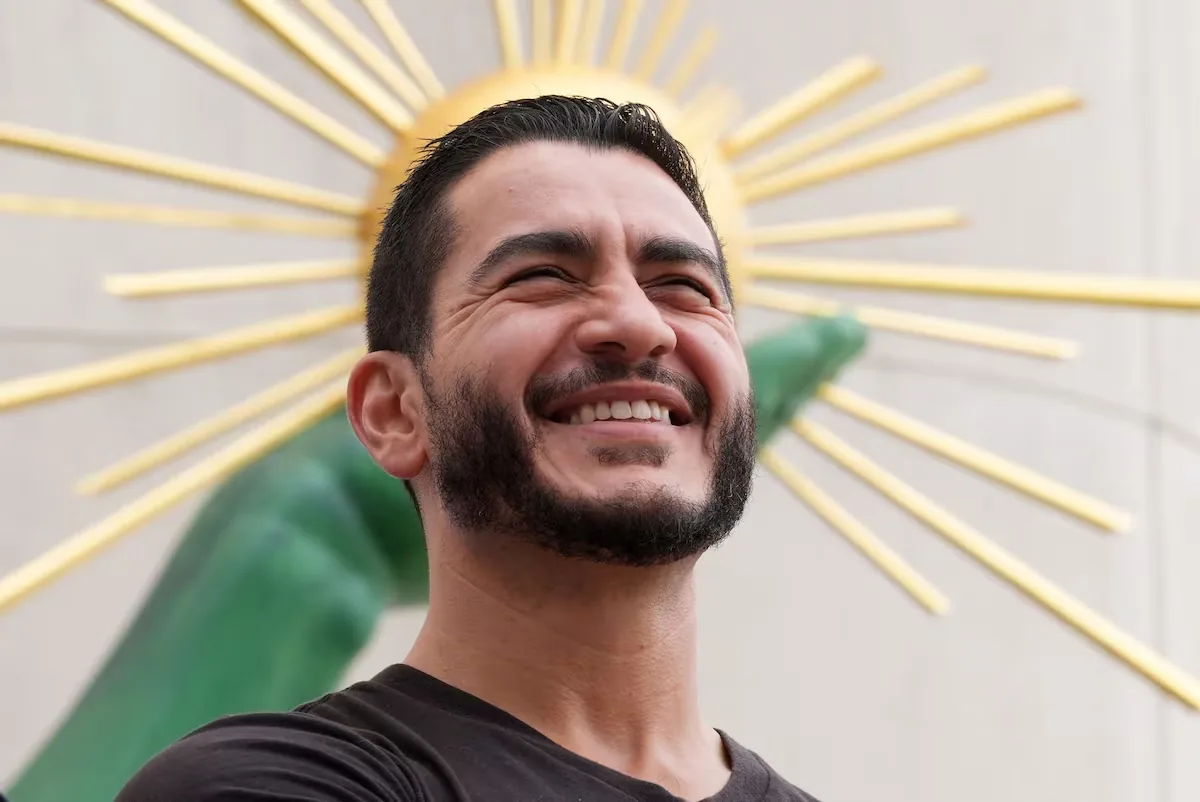
The metaphor was perfect. Three and a half hours after the polls closed this Tuesday, each of the candidates had 39.9% of the votes, with a difference of less than 200 ballots. Hours later, with 98% counted, centrist David Crowly led socialist Francesca Hong by just 0.4 percentage points — 39.9% to 39.4% — in the Democratic primaries to become governor of Wisconsin, too close to declare a winner at that stage of the count. The tight scrutiny shows how divided the party is between its two souls: the centrist and the progressive. Less than three months before midterm elections in which Democrats hope to take control of Congress and tie Republican Donald Trump’s hands, doubts are growing about the party’s future direction.
Read more North Korea fires its second ballistic missile in six days
As happened last week in the Michigan Senate primaries, the race in Wisconsin this Tuesday was much closer than polls had anticipated. In Michigan, leftist candidate Abdul El-Sayed won by a narrow margin. Both Michigan and Wisconsin are swing states, the kind that usually decide presidential elections. In Wisconsin, they had to choose their candidate for governor this Tuesday to face the Republicans in the November 3 elections.
In recent days, Hong had occupied much of the US news for controversial statements she had made in the past. She has distanced herself from some of them. The media have brought up opinions she expressed on social media in the past, such as cutting (fully or partially) funding to the police, abolishing the Immigration and Customs Enforcement Service, better known as ICE, or for sending messages against holidays like Thanksgiving, Valentine’s Day, or July 4, the United States’ Independence Day. Many Democrats had been warning for days that a candidate like Hong had little chance of winning in November in a state where Trump won in 2024 by less than 30,000 votes.
Hong, 37, is a socialist. This is a difference from El-Sayed, who is part of the party’s progressive wing but not the increasingly powerful Democratic Socialists of America or DSA. This former restaurant owner has faced many attacks after messages surfaced, such as one in 2020 calling to stop celebrating Thanksgiving, perhaps the most important holiday in the US, to stop “celebrating colonialism.” Days after an interview on CNN in which she did not give a convincing answer to this controversy, she told the newspaper Politico that she did not want to cancel Thanksgiving, and that in fact it was one of her favorite holidays. “Actually, I love it,” she told the paper.
Fran Hong tells me she’s “kind of a curmudgeon when it comes to holidays,” but that Thanksgiving is her favorite. Her preferred dish? Stuffing. https://t.co/l9MHkfiPLE
— Irie Sentner (@iriesentner) August 5, 2026
Beyond more or less sterile controversies, Hong has insisted in this campaign that she wants to focus on the problems of Wisconsin’s working class, with proposals such as fighting against the installation of data centers, which have become the bane of many citizens, both Republicans and Democrats. She also supports universal free healthcare as well as raising taxes on the rich.
Another battle for the soul of the party was also fought in Minnesota, this time with a victory for the progressives. Democrats had to find a replacement for Senator Tina Smith, who decided to retire. Two women represented the battle there between leftists and members of the establishment. Lieutenant Governor Peggy Flanagan, with support from names like Senator Bernie Sanders, won with 59% of the votes. Congresswoman Angie Craig had the backing of former (and very likely future) presidential candidate Pete Buttigieg, as well as well-funded coffers thanks to donors who have not revealed their identity. But it did her little good. In the end, she obtained only 40% of the votes.
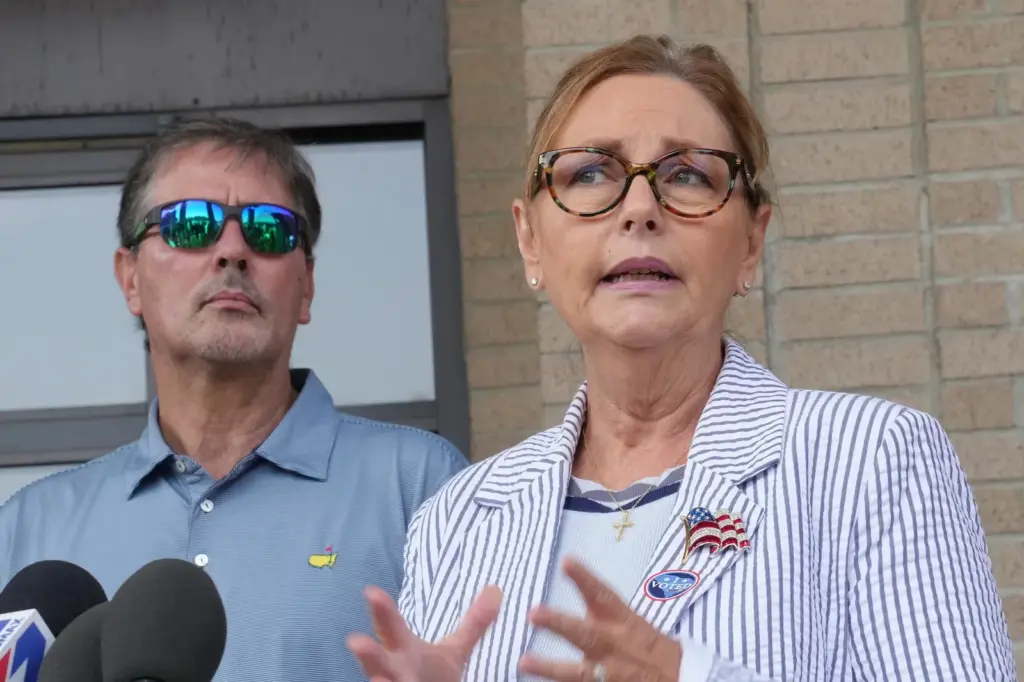
Besides Wisconsin and Minnesota, four other states held primaries this Tuesday. On the Republican side, the focus was on South Carolina. There, Darline Graham ran in a special election to choose the Republican who will replace her brother, Senator Lindsey Graham, who died last July 11.
The state governor had selected Darline Graham to temporarily replace the veteran conservative politician. And now she had Trump’s support to consolidate the seat in the next legislature. But the president’s backing was not enough to settle the discussion. Darline Graham, with no political experience beyond her kinship with the veteran senator, came in first, but since she did not reach 50% of the votes, she will have to go to a runoff in two weeks. We will have to wait until August 26 to see if the Grahams establish a dynasty of senators in South Carolina.