









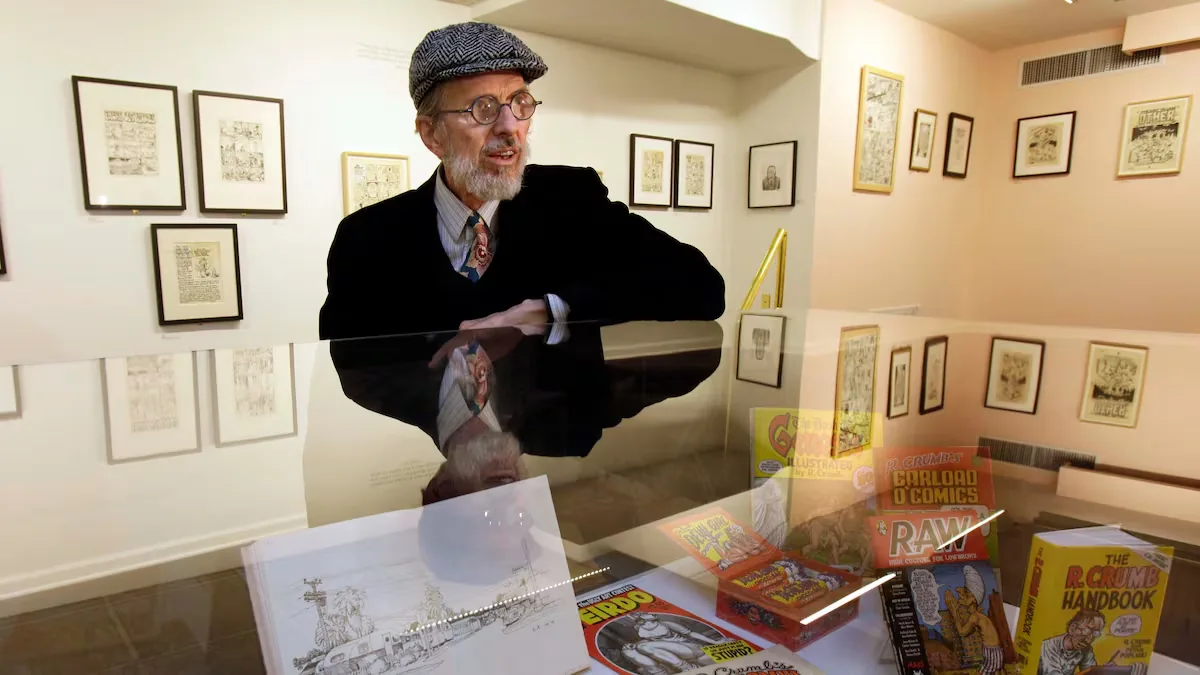
Alert, alert. There is a danger when collecting records, especially if they are 78 rpm discs: the temptation to relive those distant musics. There may be an evangelizing impulse underlying it, the feeling that it is a treasure too powerful to remain asleep in those old grooves. Bob Hite, aka The Bear, and his bandmates from Canned Heat understood that the African American audience, the incubator of the blues, lacked nostalgic reflexes, while among the more or less hippie long-haired crowd, they adored everything that sounded authentic and/or old.
Read more The ethical turn: how to change savage capitalism from within to do good
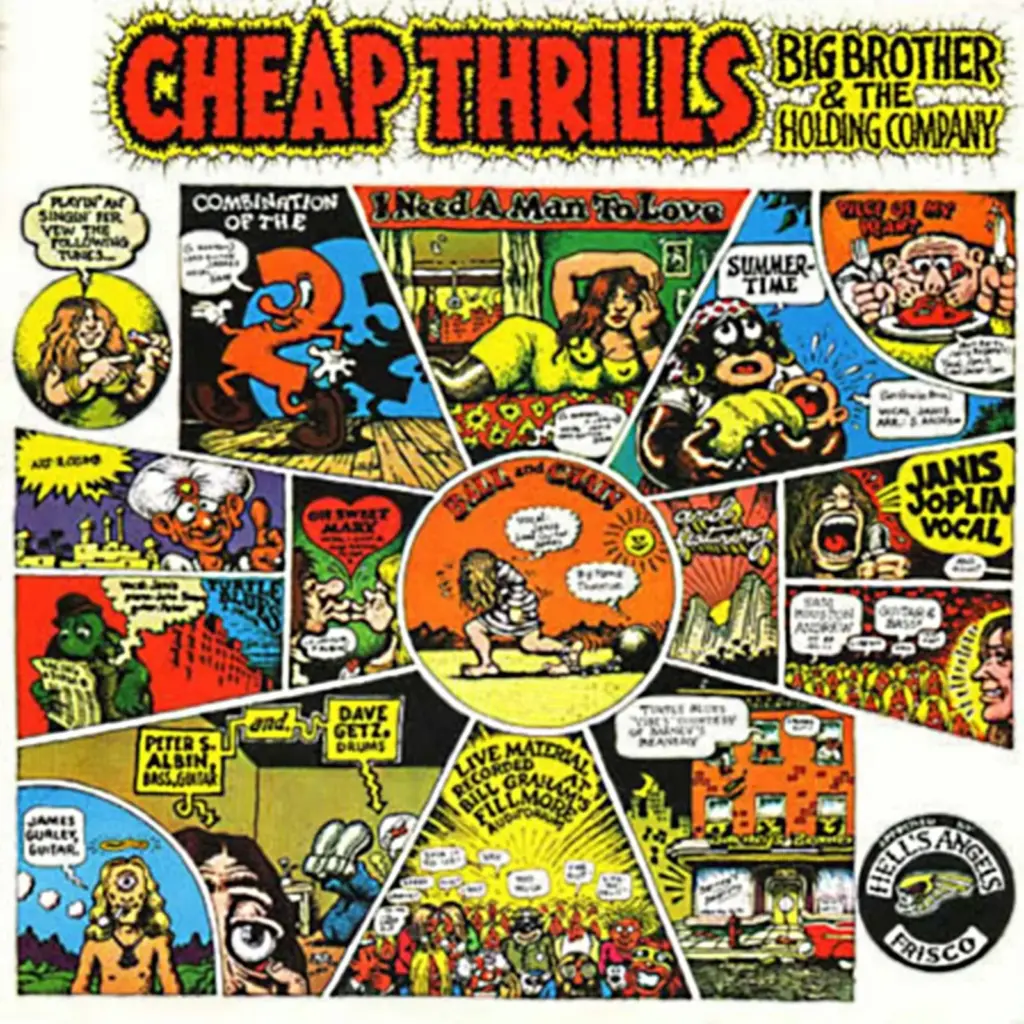
The case of Robert Crumb is more problematic. He came to us thanks to his cover for Cheap Thrills, the LP by Big Brother and the Holding Company, the group that launched Janis Joplin to global stardom. The cartoonist and musicians met in Haight-Ashbury, a San Francisco neighborhood that in 1967 functioned as a magnet for all kinds of lost American souls. Robert stood out there in the emerging world of underground comix, but the environment upset him after some bad LSD trips. Plus the realization that it was not the promised paradise of free love, especially for someone shy who dressed in second-hand clothes.
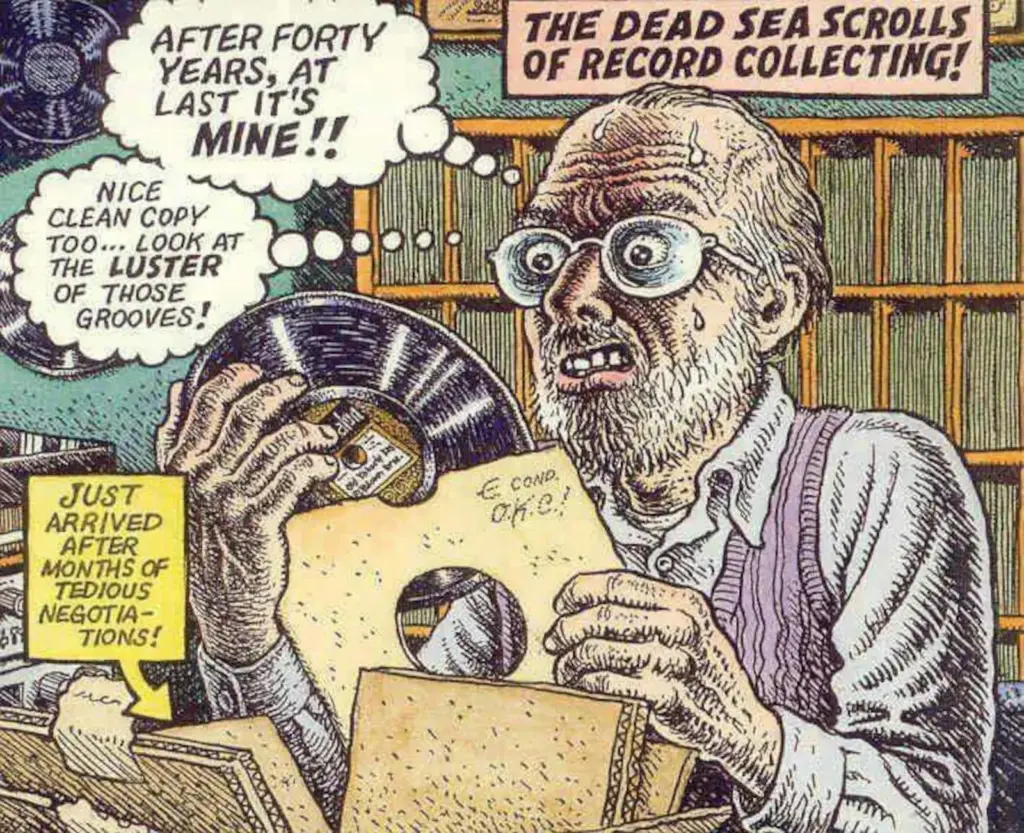
We reveal nothing by saying that Crumb had a hyperactive libido: this has been the theme of many of his comics, apart from those drawings where he portrayed himself insignificant next to enormous amazons who laughed at his arousal. Few artists had been so frank in reflecting such intimacies of their personality. No less shocking was his hobby: he rummaged through store drawers to get 78 rpm records, visited neighbors’ houses who were moving and liquidating everything they had accumulated. He bought all the most unusual things, driven by the delight of entering unknown worlds. Jazz and blues, of course, but also hillbilly music, the predecessor of country, plus Hawaiian airs and other exotic recordings. From 1991, already settled in the south of France, he expanded his interest to bal musette, the dance music preferred by workers during the first half of the 20th century.
Crumb ended up jumping onto modest stages performing a repertoire that reflected his findings. He sang and played banjo or mandolin with R. Crumb and His Cheap Suits Serenaders, where Terry Zwigoff participated, the director of the most extensive audiovisual portrait of the character: the documentary Crumb, where art critic Robert Hughes connected his creations with Goya’s monsters.
Read more 50 years of ‘Who Can Kill a Child?’: the other boom of horror cinema in Spain
Already in Europe, he founded another retro group with a strong name: Les Primitifs du Futur. Obviously, Crumb was not seeking musical success, nor any other kind. After the impact of Cheap Thrills, he could have aspired to become a luxury cover artist: he rejected a juicy offer to illustrate Sticky Fingers by the Rolling Stones. His work in that field has focused on dressing reissues of minor labels, like Yazoo. For other objects, such as collectible card games, he insists on the highest quality standard… and is savvy enough to later recycle them into books.
In some way, Crumb ended up sabotaging himself. He portrayed the neuroses of collectors, their antisocial life, the reluctance of the women around them, the questionable morality of paying a dollar per record to people who ignored the value of that material. But he also turned those expeditions in search of rarities into a cool activity.
In due time, he realized that clouds of vultures were getting ahead of him. In the mysterious way these things spread, word got out that those fragile discs were worth money. Suddenly, they wanted a record by Marika Papagika, a Greek vocalist who triumphed in New York (and who recorded nonstop during the twenties), to sell as expensively as any of the twelve 78 rpm records published by Robert Johnson, the most mythologized of the rural bluesmen. And Crumb decided to stop.
Read more This adjustable travel pillow helps prevent neck strain during the journey