









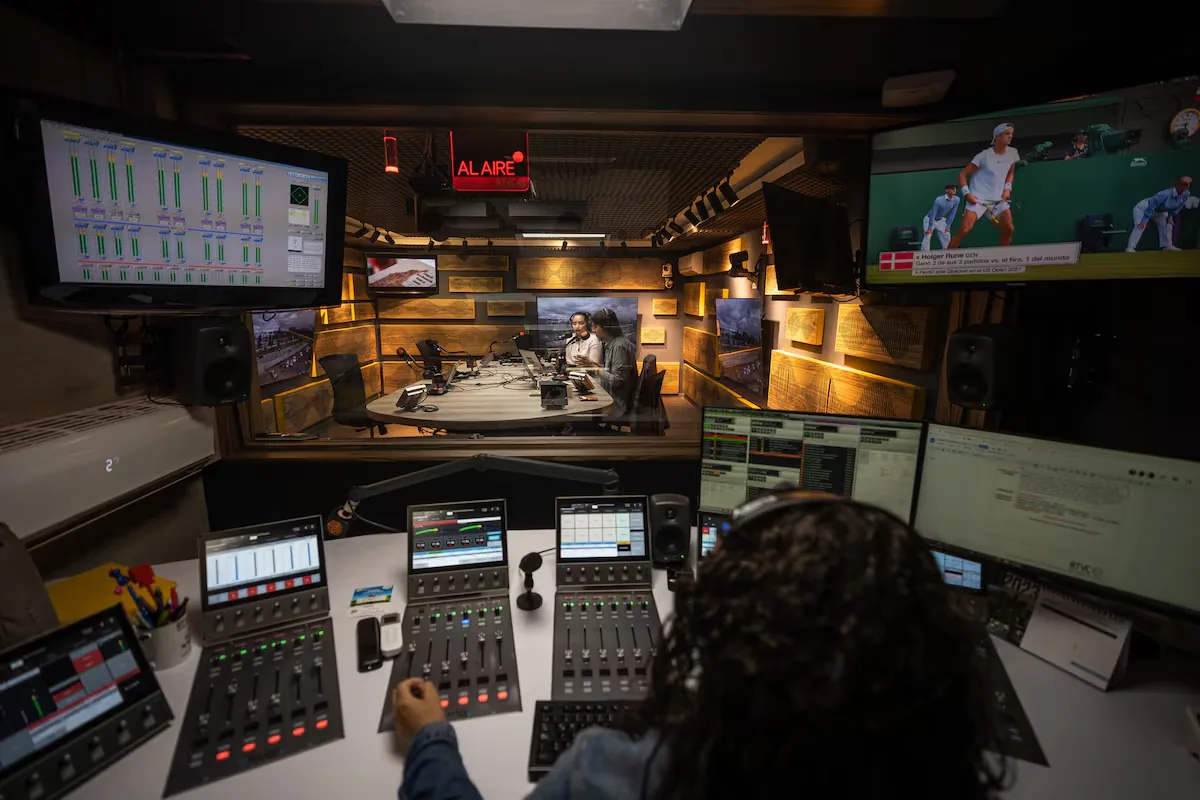
The 20 radio stations created by the 2016 Peace Agreement, which inform the territories most affected by the conflict in Colombia, have stopped broadcasting news, bulletins, regional, cultural, and educational programs. Since last week, they have had an exclusively musical programming centralized from Bogotá. This was decided by the new administration of Inravisión – formerly RTVC, the public media system – which has explained that it will review the schedule of these stations, as well as its other 11 decentralized frequencies and its television programs. The decision, implemented on August 18, has already provoked questions from the Ombudsman’s Office, a tutela announced by former presidential candidate Iván Cepeda, and a political control debate in Congress.
Read more The value of support: what UMCE classrooms reveal about PACE
The announcement comes after members of Abelardo de la Espriella’s government, which has not yet completed three weeks, argued that the media had become a “propaganda apparatus” during Gustavo Petro’s government. Right-wing politicians have joined these accusations. Senator Enrique Gómez, from the National Salvation Movement, who endorsed De la Espriella in his presidential run, claimed that these stations were “official megaphones of the FARC to indoctrinate regions.”
Although it is a temporary suspension, the government has not given a date to resume the regional and informative character. Moreover, it is not a procedural adjustment due to the change of government. The peace stations are the only commitment of the 2016 Peace Agreement that reached 100% compliance, and have been so since December 2024.
That 100% is not simply reflected in inaugurating 20 frequencies. According to the Agreement, they must operate and produce content in the territories. In fact, the Commission for Monitoring, Promoting, and Verifying the Implementation of the Final Peace Agreement in Colombia (CSIVI) monitors airtime, the weight of local programming, and the content produced, which must involve, among others, indigenous and peasant communities.
“We are concerned, but we are waiting for the government’s final decision. The stations aim to address the components of violence in Colombia, including cultural violence. That is why the Peace Agreement proposes, in a sui generis way, to create this network of stations, which allows promoting information about the status and progress in the implementation of the Peace Agreement and developing initiatives that promote coexistence and reconciliation, and stimulate the reconstruction of the social and community fabric,” explains Federico Montes, delegate of the demobilized members of the former FARC in the CSIVI. He also explains that they must continue until 2030.
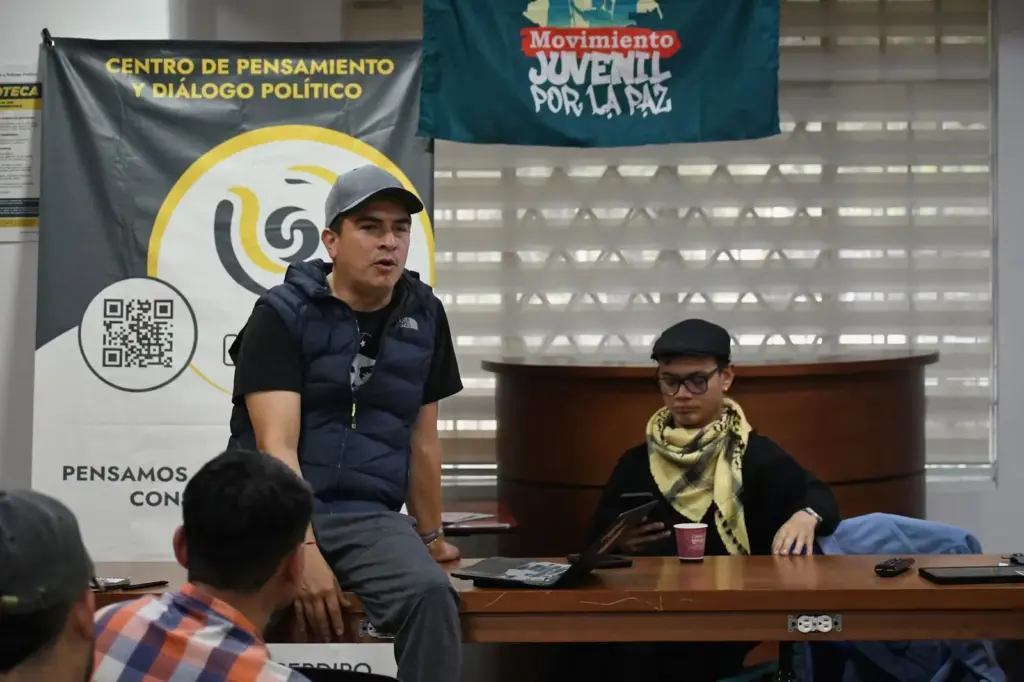
Journalists who have worked at these or other stations in the system, and who ask not to reveal their names for fear of contractual reprisals, defend that local programming was not limited to news bulletins. “It included conversations with communities, cultural content, service information, issues related to peasants, victims, social leaders, and processes of implementing the Agreement. They also functioned as support for national informative programming with reports from the regions,” says one of them. Another states that in the early days of the government, before the suspension, they were asked to remove words like “compañero” from broadcasts or not to interview indigenous populations.
The 31 RTVC frequencies that are paused have 230 contractors to operate – 114 in the peace stations, and 116 in the decentralized ones. Some of those contracts have end dates between October and December.
Alexei Castaño, director of Radio Nacional de Colombia, spoke on his X account. “Public radio is not just programming. It is an essential service that informs, guides, accompanies, and connects citizens, especially in territories where other media have limited presence. This decision is made precisely when Colombia faces an emergency situation due to an earthquake. In circumstances like these, timely information and permanent contact with the regions can be decisive for communities,” he stated.
Read more Enrique Inzunza, without Rocha and without Morena
To date, I am still director of @RadNalCo. But I make this message as a journalist and citizen. I feel there are moments when one cannot remain silent. Thread begins 1/7
— Alexei Castaño Kostin (@AlexeiCKostin) August 21, 2026
According to consulted sources, the new manager of Inravisión, Ángela María Mora, has proposed the need to review programming before establishing a new schedule. EL PAÍS tried to contact Mora to get her version of this decision, but she did not respond to messages.
The suspension occurs amid a broader review of Inravisión. The Ministry of ICT and the new management have questioned the previous administration. On August 22, Minister Alexandra Falla reported that they found agreements signed with the Ministry of Education and the Administrative Department of the Presidency for around 7.255 billion pesos, which were used for “advertising, plan and/or digital content” services. According to the Ministry, part of these resources was executed during months coinciding with the 2026 presidential campaign, which they see as a suspicious act of improper use of the system. The ministry announced it will continue reviewing the contracting.
Beyond that review, so far the government has not indicated whether the peace stations are related to those agreements nor has it indicated that they have engaged in any irregular conduct. The Ombudsman’s Office reminded them of this on Sunday. The entity responsible for defending human rights requested that the suspension be reevaluated as a priority and reminded that these frequencies “are not ordinary public stations.”
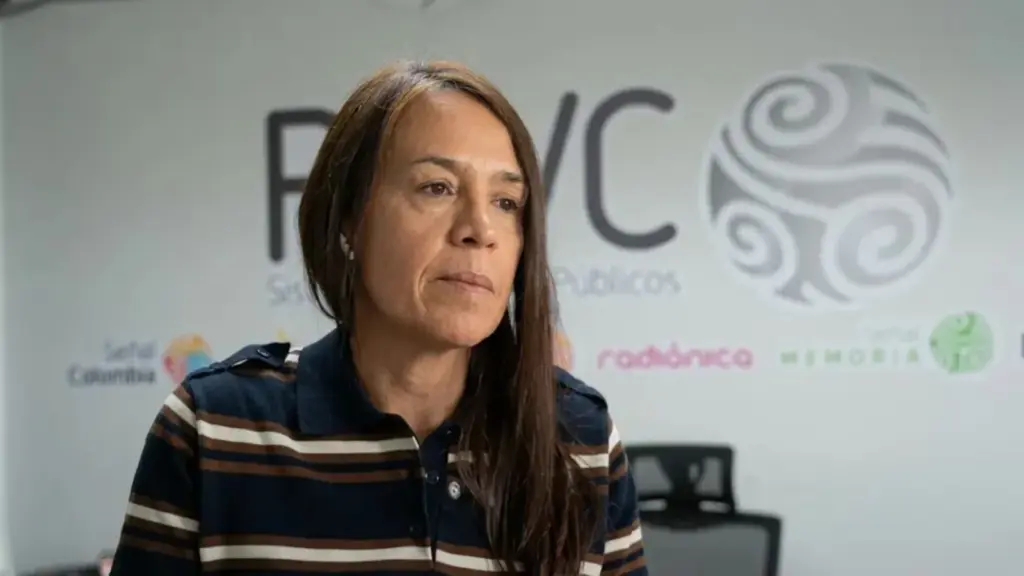
The suspension has already opened two institutional fronts. Left-wing congressman Alejandro Toro announced a political control debate with Minister Falla and manager Mora. The politician from the Historic Pact, the party of the previous president, says the decision could imply a breach of state commitments in the Agreement and affect the right to information of the communities receiving the signals, which total nearly half a million Colombians. He also questioned other decisions in the reorganization of the public media system.
In parallel, senator and former presidential candidate Iván Cepeda, from the same party, announced a tutela action against MinTIC and Inravisión to lift the suspension. According to the congressman, this violates fundamental rights to information, freedom of expression, and peace.
The decision occurs in the context of the “cultural battle” announced by President Abelardo de la Espriella to dispute public narratives, social values, and reclaim some traditional messages to confront a more progressive agenda. Although that “cultural battle” has not translated into a concrete policy on public media, the government has proposed a change of direction in state content and has questioned what it considers an ideological orientation of the previous administration. This Monday, RTVC’s social networks promoted a day of prayer for the victims of the August 10 earthquake, a signal some interpret as part of that new editorial direction.