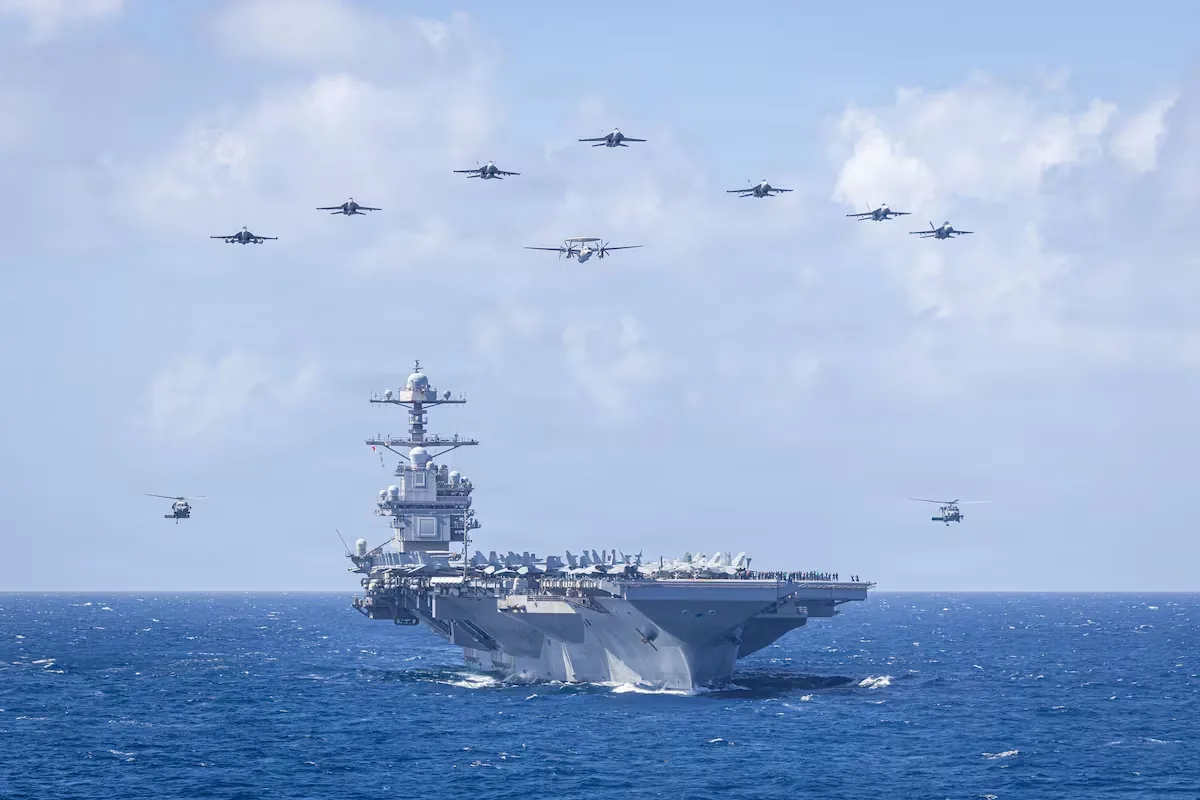
The USS Abraham Lincoln is about to end one of the longest deployments of a U.S. aircraft carrier in recent decades. A Thai official shared with Reuters that, after spending more than 250 days practically without touching port and remaining for months in the Middle East amid the war with Iran, the ship will make a stop in Thailand in early September.
Read more Canada imposes new tariffs between 15% and 50% on the United States in retaliation for Trump’s
The stop will provide a brief respite for the nearly 5,000 sailors and Marines aboard the Nimitz-class aircraft carrier. The Royal Thai Navy described the visit as a routine stop intended for rest, personnel recovery, and logistical support, with no military exercises planned during the stay.
The Thai official, who spoke to Reuters on condition of anonymity, said the Lincoln will arrive next week so its crew can rest after their prolonged journey. The Thai Navy did not provide a specific date, citing security reasons.
The information coincides with messages shared by family members of crew members and obtained by USA Today. In one, dated August 18, a sailor asked a relative to send hotel recommendations in Thailand. In another exchange, a family member expressed excitement that one of the crew members might finally get to know the country. The U.S. Navy did not confirm the details of the stop and has stated that it does not provide information about future movements or operations for operational security reasons.
The USS Abraham Lincoln departed San Diego, California, on November 21, 2025. Originally, the crew expected to remain deployed for about six months, but the aircraft carrier was later sent to the Middle East to support U.S. military operations during the war with Iran.
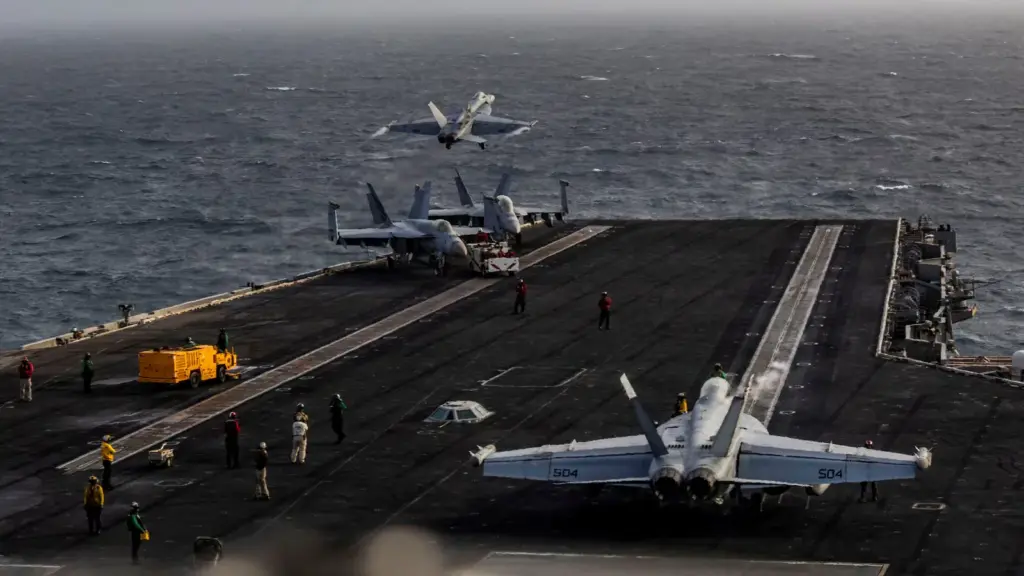
During the deployment, the ship only made one stop in Guam, in mid-December. Since then, it accumulated more than 250 consecutive days at sea, a period that made its mission a record for a U.S. aircraft carrier without a new port call.
The Lincoln had not made a port visit in over 200 days, and the period exceeded the usual patterns of naval deployments, which typically last between six and nine months, although they can be extended during conflicts.
The return to the United States began after the USS George Washington arrived in the Arabian Sea. The Lincoln is now heading toward San Diego and, according to reports, could take between four and five weeks to reach the continental U.S. if no unexpected changes occur.
Conditions onboard raise concerns
The long stay at sea has also focused attention on the living conditions of the crew. Family members of the military have reported problems such as cold showers, clogged toilets, and shortages of some supplies, as well as difficulties with mail and intermittent availability of hygiene products and fresh food.
Read more Damián Valenzuela, the Argentine that Keiko Fujimori hid during the campaign in Peru
CNN and Navy Times also reported suicide attempts and a decline in morale among the crew. These concerns led two Democratic senators, Patty Murray and Chris Coons, to request an independent strategic review from the Pentagon of the conditions on the Lincoln and other ships deployed in relation to the conflict with Iran.
The lawmakers asked that the review examine operational readiness, personnel, quality of life, mental health, shipboard culture, and communication with families. They also requested recommendations to improve future prolonged deployments.
The concern is not limited to the Lincoln. The USS Gerald R. Ford also recently completed an exceptionally long deployment and suffered a fire that started in the laundry and took about 30 hours to control, leaving about 600 sailors without access to their bunks. Another destroyer, the USS Benfold, spent four days without electricity in the South China Sea due to an engineering failure.
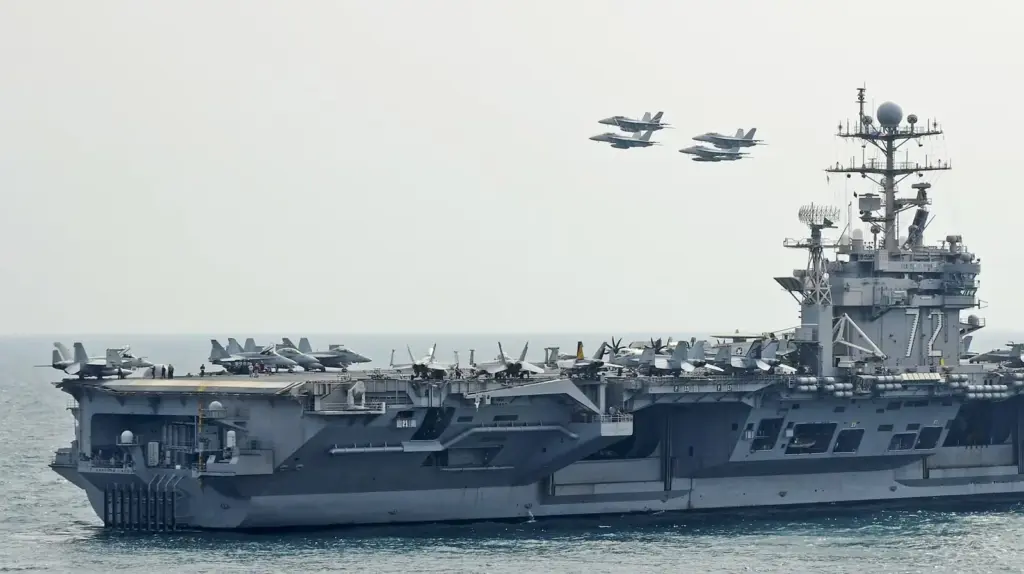
CNN has also noted that aircraft carrier deployments exceeding the Navy’s seven-month target have become more frequent in recent years.
Hegseth acknowledges deployment wear
Defense Secretary Pete Hegseth acknowledged on Monday that the Lincoln’s mission had been difficult. During a visit to a defense contractor in Wisconsin, he stated that the sailors had not had as many port calls as would have been desirable and that the deployment had been longer than usual.
“It’s a tough deployment,” Hegseth said, while praising the crew for fulfilling their mission in an environment he described as especially demanding. He also said he expected to personally welcome the sailors when they returned to the United States.
Hegseth has previously defended the conditions on the aircraft carrier, while Navy officials have praised the resilience of its crew. However, complaints from family members and the request for an independent investigation keep questions open about the cost the prolonged deployment had for the sailors and their families.
As the Lincoln heads to the United States, the family of one of its crew members also faces an immigration issue. Luis Manuel Avilés Roa, father of Florida military member Joshua Avilés, was detained by immigration agents during a traffic stop in Key West. The 48-year-old Nicaraguan has lived in the United States for 19 years and had a driver’s license, Social Security number, and work permit while awaiting a response on his permanent residency application. The Department of Homeland Security stated that he had entered the country illegally and will remain in ICE custody while his deportation process advances.