Andy Burnham is about to say goodbye to the summer of love to fully enter the autumn of harsh economic reality. The British Prime Minister has managed to win the support of citizens and climb in the polls for the Labour Party since taking office in mid-July, through cheap but popular moves, such as capping public transport prices or reducing VAT on energy bills, and by wisely pacing his presence in the media and social networks. The image of a head of government constantly touring the country, attentive to people’s needs, has worked.
Read more ‘Cannabis’ and ‘The Face of Vengeance’, drugs and passion
About to start a new political and parliamentary term, Burnham must now live up to the English saying that recommends “putting your money where your mouth is.” The British economy, like the rest of Europe, remains stuck in weak growth of 1.3% in 2025, with similar figures for the current year. The Prime Minister is tied and committed to an electoral program (the one that led his predecessor, Keir Starmer, to victory in 2024) that ruled out any increase in income tax, VAT, or social security contributions paid by workers.
“The legacy [Burnham has received] presents many challenges. The UK remains the G-7 country with the highest debt cost; the energy shock has consumed almost all the planned fiscal cushion; spending plans have been eroded by inflation, and commitments made to increase defense spending or help households face the high cost of living also weigh heavily,” warns David Aikman, director of the National Institute of Social and Economic Research.
Social housing
A large part of Burnham’s early success among voters has been his apparent boldness. Against the cautious and gradual change offered by Starmer, the new Prime Minister uses grandiloquent rhetoric promising “good growth” that will end “40 years of neoliberalism,” return powers to authorities, redistribute power territorially, and focus on social investment.
When he launched his strategy to replace Starmer, which began with the battle for the Makerfield seat that allowed him to return to the House of Commons and aspire to Labour Party leadership, Burnham showed the first signs of boldness: “Let’s not be shy or evasive. This is about reclaiming public control,” he said when presenting his plan to invest more than 45 billion euros in a housing plan. What did he mean? That all the planned apartments and houses would belong to municipal authorities, as in the 1960s. They would be the ones managing and setting the rent. A project as ambitious as it is costly.
This Tuesday, economic reality brought a bit of a cold shower. Many media outlets accused Burnham of backtracking on his promises and pointed out that the first measures announced are a copy of those Starmer once put on the table.
70,000 new homes will be built in the coming decades as an initial part of a plan aiming to increase that number to 300,000, dedicating more than 45 billion euros to this effort. But only 60% of the new buildings will be council houses (municipal authority housing), which usually means rent less than half the market price and much more restricted access for citizens. The rest will use formulas such as collaboration with builders or real estate companies, or shared ownership.
“We have opted for a pragmatic approach. We want the money to start being used. And there are developers and other providers willing to participate in the public tender and ready to start delivering homes,” defended Matthew Pennycook, the British Secretary of State for Housing, who rejected the accusation that Burnham had backtracked on his promises.
Read more Time lost in Ceuta
In return, the Prime Minister has strengthened the powers of mayors and municipal corporations to promote these construction projects, and has not only given them money but also the ability to bypass bureaucratic and legal obstacles that delay any housing project for years.
The ghost of taxes
Starmer’s first budget was, for many of his critics, the first step in his political downfall. The decision to increase social security contributions paid by employers ended up causing an economic halt and general discontent from which neither the then Prime Minister nor his Economy Minister, Rachel Reeves, managed to recover.
Now, Reeves’ successor, John Healey, faces presenting the autumn budget with the urgency of finding money from under the stones, but with hands tied by electoral commitments that Burnham wants to respect. The promise of increased defense spending, the war in Iran, or the economic giveaways announced this summer by the new Prime Minister have put pressure on public accounts. And he himself has had to admit that a tax increase is on the table.
“I will try to help [citizens] as much as I can, and we have already done things in their favor. But people must understand that I will not stop being realistic. Our position is delicate. Everything we approve must have public funds to back it,” the Prime Minister said this week, not ruling out the option of raising tax pressure.
His allies in the party suggest raising the tax on large fortunes or on capital gains. And Minister Healey has already indicated to his government colleagues that new cuts are coming.
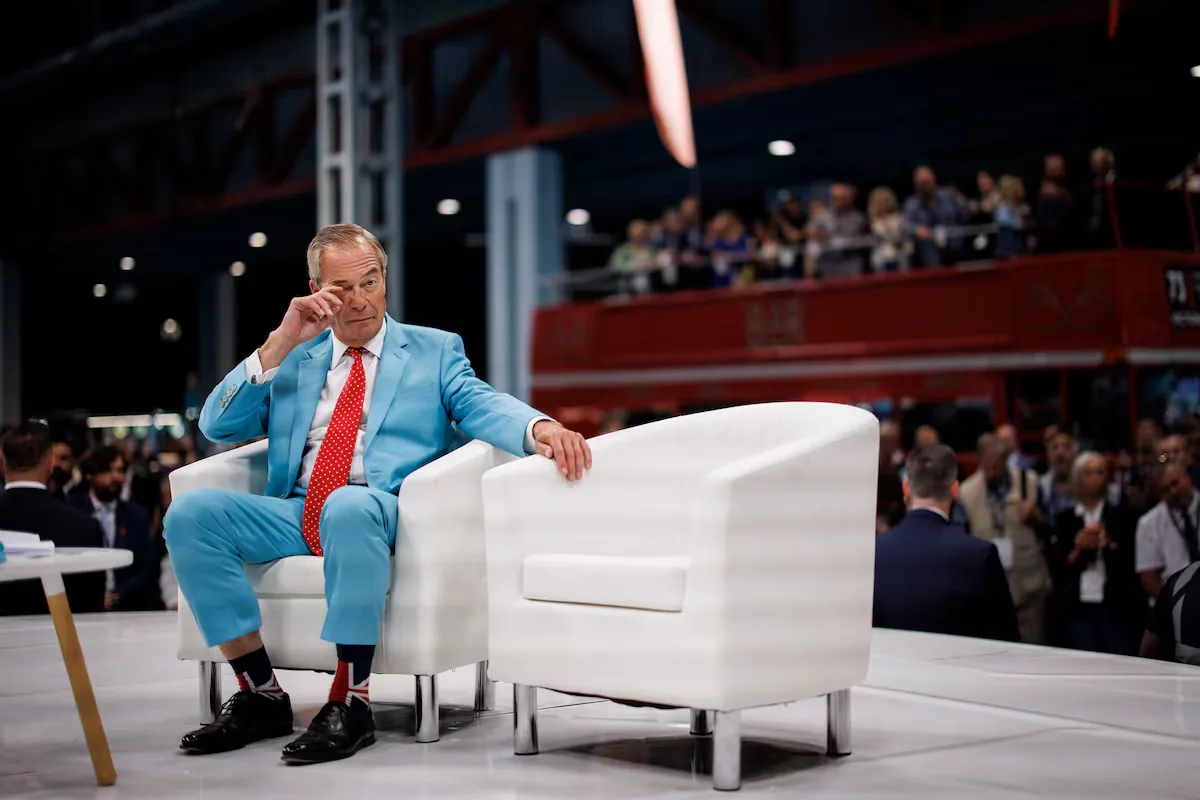
For now, however, Burnham continues to enjoy his romance with citizens. Almost half of Britons (47%) have a favorable opinion of the Prime Minister (an almost impossible achievement in recent years), and the gap with Reform UK, Nigel Farage’s party that has led the polls uninterruptedly since 2025, has narrowed to a tie.
The autumn of economic decisions will show whether the Prime Minister can maintain his streak of popularity or is heading, like all his predecessors, toward a new winter of discontent.
Read more What Spain still owes Ceuta