The Duelists; Alien, the Eighth Passenger; Blade Runner. Few cinematic career beginnings are as brilliant in the history of film. They could be counted on one hand, and perhaps not even the other is needed. Between 1977 and 1982, Ridley Scott forged his figure. Almost 50 years after that Conradian debut of the “two mad artists, determined to gild gold or dye a lily” through fights, the British filmmaker is still standing. At 88 years old and five films in the last six years. Not all good, far from it. None negligible.
Read more The economic reality of the United Kingdom threatens Burnham’s romance with the British
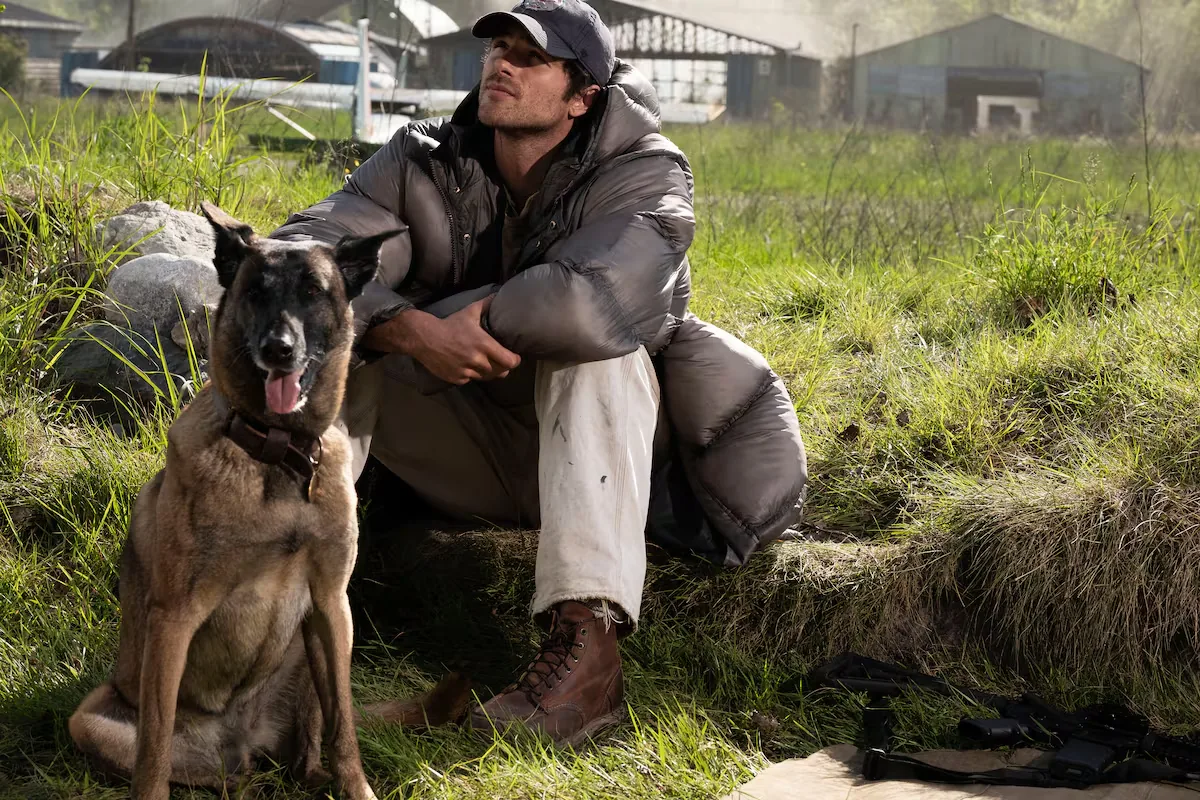
The latest is The Dog Star Constellation, based on the novel of the same name by Peter Heller, published in 2012. A post-apocalyptic dystopia, terrifyingly close in time (mid-2030s), which offers nothing new in a thematic and metaphorical universe that, pandemic notwithstanding, has been repeatedly visited in film and television in recent years. But with which, without reaching joy, the viewer can take comfort that a filmmaker like him maintains his storytelling power. This time, sober, calm, with some bursts of fury and action, but more settled in the intimacy of quiet conversation and the chimera of the placidity of the landscape in a ruined world, years after another damned flu that wiped out civilization (if it wasn’t already wiping itself out before).
A film grounded in the earth and the concepts of home and community, increasingly out of use, supported by a beautiful collection of country songs that fit its evidently conservative values, deployed amid a hell of solitude and a world with hardly any survivors, The Dog Star Constellation begins in the line of titles like The Last Man Alive and its remake, I Am Legend. However, after the peaceful beginning, it soon shifts towards a story halfway between the Greek epic of the search and defense of home and road movies (in this case, sky, as the protagonist’s means is a small plane), with its structure of trials and successive encounters, also linked to the Greeks.
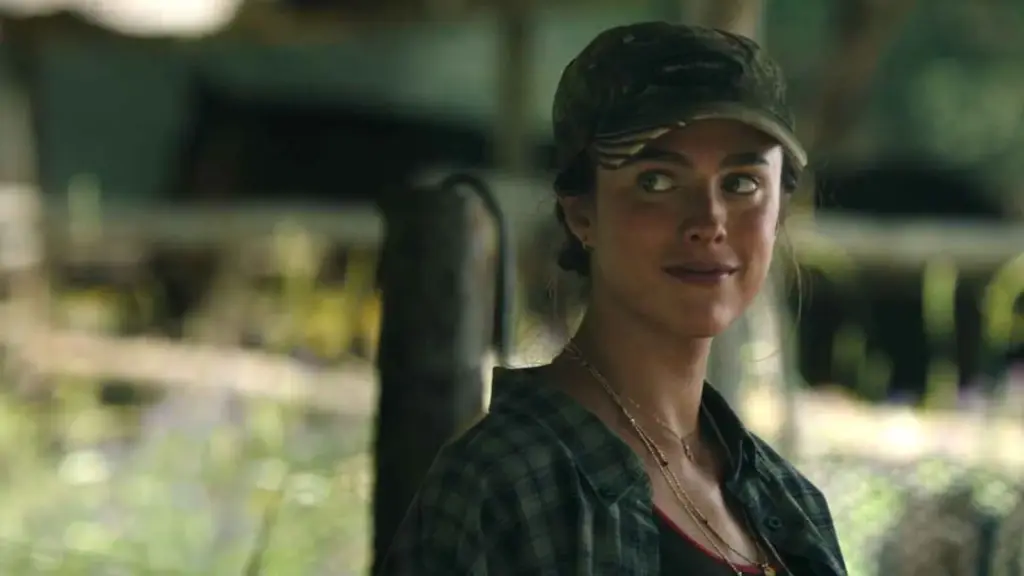
Scott directs with a steady hand, although rarely accompanying the shot with classic resources that elevate it. That said, he offers a course in minimal ellipses within the sequence that series creators who need six-minute sequences to tell nothing could well study. He adds beautiful inserts that end up becoming short flashbacks as the film progresses. And he feeds off the enormous charisma of his cast, led by an excellent Jacob Elordi.
Read more ‘Cannabis’ and ‘The Face of Vengeance’, drugs and passion
Meanwhile, at its core, the essence of Heller’s novel, adapted by the merely competent Mark L. Smith (The Revenant, The Midnight Sky, Twisters), can be critically exploited with that planet where those who knew how to work with their hands survived, the lifelong workers, while money lost all relevance. And through that singular division of the few who still breathe after the viral holocaust: highway savages, traditional religious supported by community spirit, and simple fops given to shine and false appearance.
By now, few expect another extraordinary film from Scott, and even less at this pace of filming. Hopefully it will come, but he is no longer expected at the top, and that is the fairest thing we can do with work like his, which we should almost thank on our knees. Hannibal, Black Hawk Down, American Gangster, Robin Hood, Mars and The Last Duel, titles of this 21st century, were remarkable or more than remarkable works. The Dog Star Constellation is a step below, but besides the boldness of memorable films, it is necessary that we celebrate the merit of simple and plain good films, of which he has nothing left to prove.
Read more Time lost in Ceuta
The Dog Star Constellation
Director: Ridley Scott.
Cast: Jacob Elordi, Josh Brolin, Margaret Qualley, Guy Pearce.
Genre: science fiction. USA, 2026.
Duration: 118 minutes.
Release: August 26.