









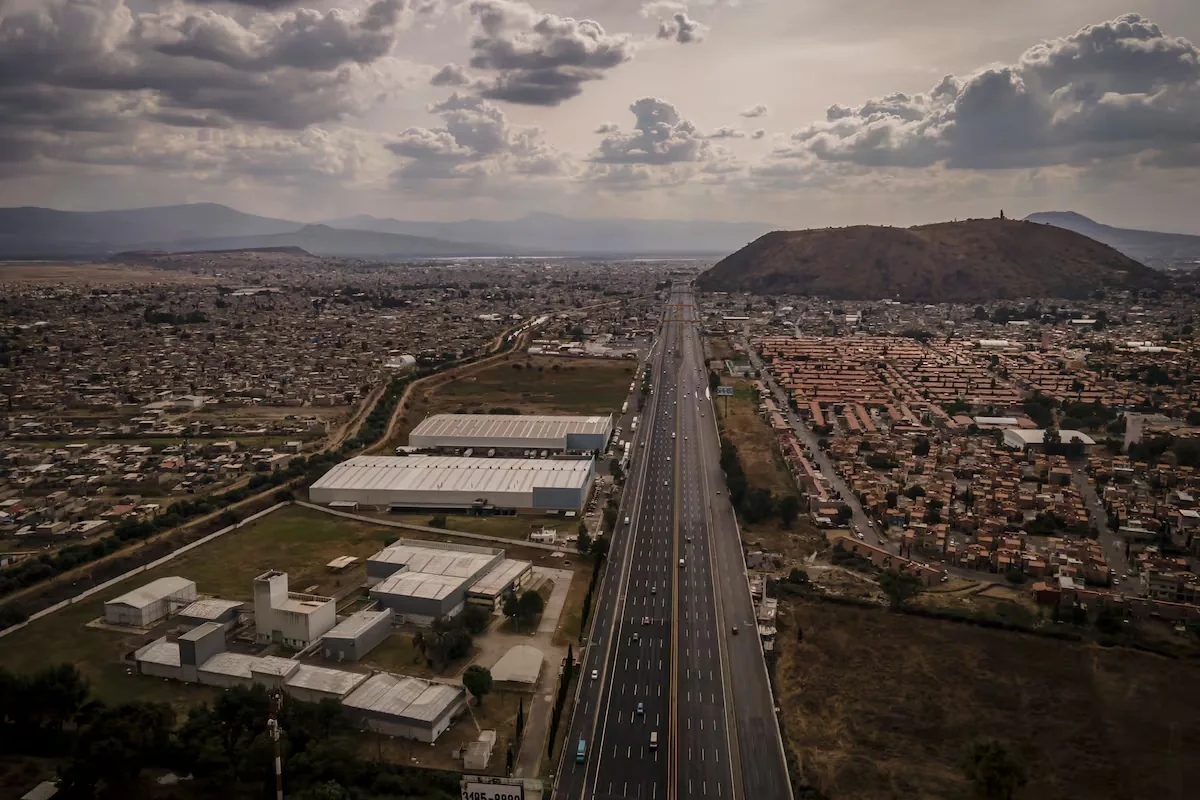
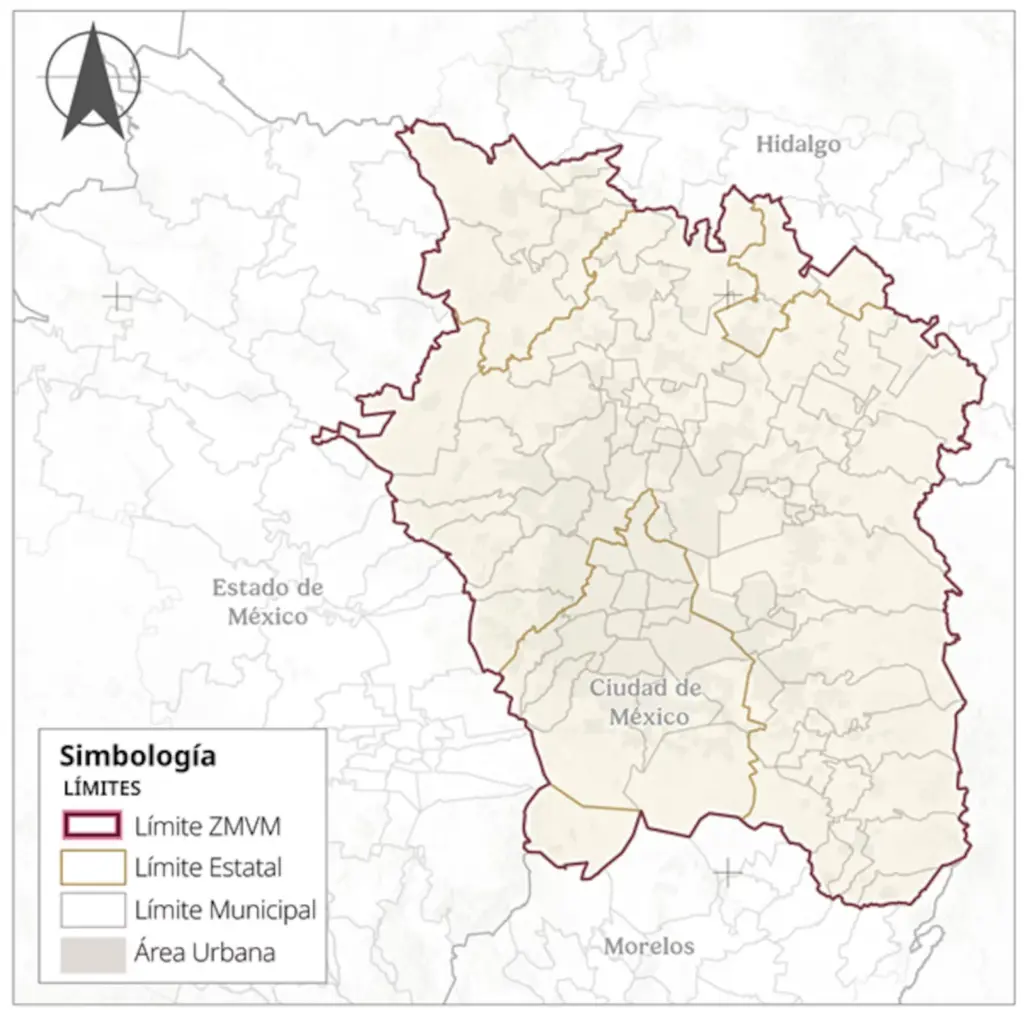
The Metropolitan Area of the Valley of Mexico (ZMVM) officially expands its limits. For the first time, it incorporates a municipality from Morelos. The new delimitation also adds seven municipalities from Hidalgo, bringing the region from 76 to 84 territorial demarcations, including the 16 boroughs of Mexico City, 59 municipalities from the State of Mexico, eight from Hidalgo, and one from Morelos.
Read more This is how a humanoid robot manages to do a backflip without hands
The modification was agreed upon on August 3, 2026, and comes into effect this August 26. At that time, the Head of Government, Clara Brugada, said she saw the decision as an opportunity to build “democratic governance in the Valley of Mexico” and create metropolitan institutions that transcend current governments.
Which municipalities are integrated?
The change is concentrated in Hidalgo and Morelos. The seven municipalities of Hidalgo that are incorporated are:
- Atitalaquia
- Atotonilco de Tula
- Tepeji del Río de Ocampo
- Tlaxcoapan
- Tolcayuca
- Tula de Allende
- Villa de Tezontepec
With them, Hidalgo is represented by eight municipalities in the ZMVM, also maintaining Tizayuca, which was already part of the delimitation.
The other municipality that is incorporated is Huitzilac, in Morelos. It is the first time that Morelos formally forms part of the Metropolitan Area of the Valley of Mexico.
Why was the Metropolitan Area of the Valley of Mexico expanded?
According to the declaration, the inclusion responds to the growing territorial, economic, social, environmental, and mobility interdependence among the entities that form the metropolis. The federal government and the four entities justified the new delimitation based on the evolution of human settlements and the links that exist between the territories.
Read more Felicia Schröder brings Madrid closer to the Champions League
According to the analysis of the declaration, factors such as urban growth, housing, infrastructure, public services, mobility, sociodemographic and economic aspects, as well as environmental and hydrological conditions, were taken into account. The study also identified the ZMVM as a region with the potential to receive a significant portion of future urban growth.
What does it imply for the incorporated municipalities?
The main effect is the incorporation of these territories into a joint metropolitan planning logic. The Metropolitan Area of the Valley of Mexico is not a new government, nor does it imply that municipalities lose their administrative autonomy. It is a territorial unit to coordinate policies, projects, and actions among different levels of government.
This means that the incorporated municipalities become part of the ZMVM’s planning instruments and discussions on matters with regional effects, such as mobility, transport, housing, infrastructure, water, environment, and territorial management.
Subscribe to the EL PAÍS México newsletter and the WhatsApp channel and receive all the key information about the current events of this country.
Read more The judge dismisses the complaint filed by Errejón against Mouliáa for slander