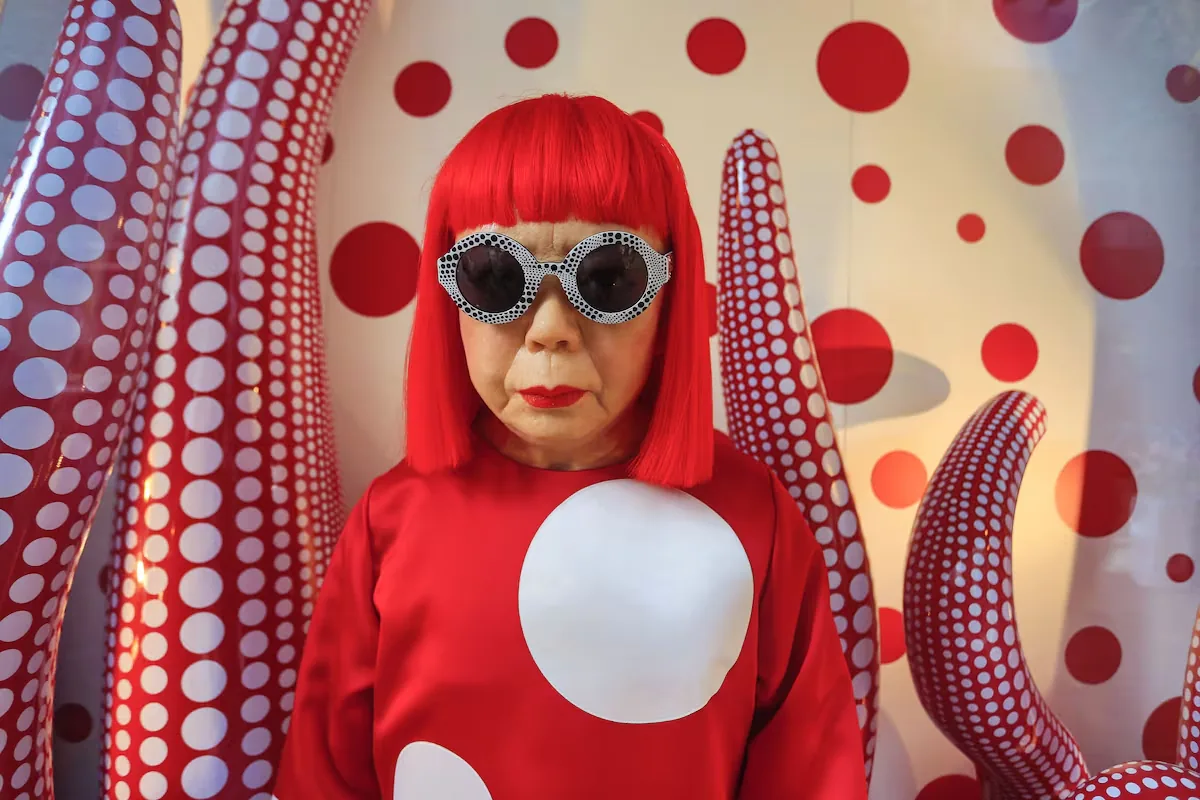
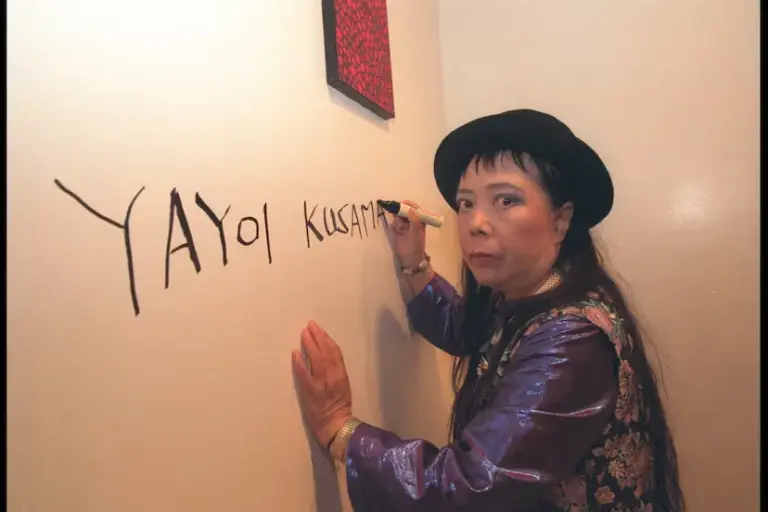
The world of contemporary art mourns this Thursday the death of Japanese artist Yayoi Kusama, one of the most relevant artists of the last century, who transformed the polka dots that haunted her hallucinations into her personal brand and one of the maximum exponents of psychedelia.
Read more The strange death of an Irish couple in the jacuzzi of a house in Cullera (Valencia)
A native of the mountainous Nagano region, northwest of Tokyo, Kusama passed away at the age of 97 on August 14 in a hospital in the Japanese capital, according to a publication on her website, which provided no further information on the causes of death. Kusama “continued painting until her last days, never putting down her brush, and continued exploring eternal love and the immortal soul,” the text stated.
Often criticized by critics, few artists in recent years were able to generate the same queues (and waiting lists) to enter her exhibitions. This happened, for example, in June 2023 at the Guggenheim Bilbao with a retrospective of 200 of her works titled Yayoi Kusama: From 1945 to Today.
Her works conceal several youthful traumas: war, the terrible relationship between her parents, or her first psychotic breaks in that rural environment, where she experienced various hallucinations that made her understand “the agony of flowers,” as one of her poems states.
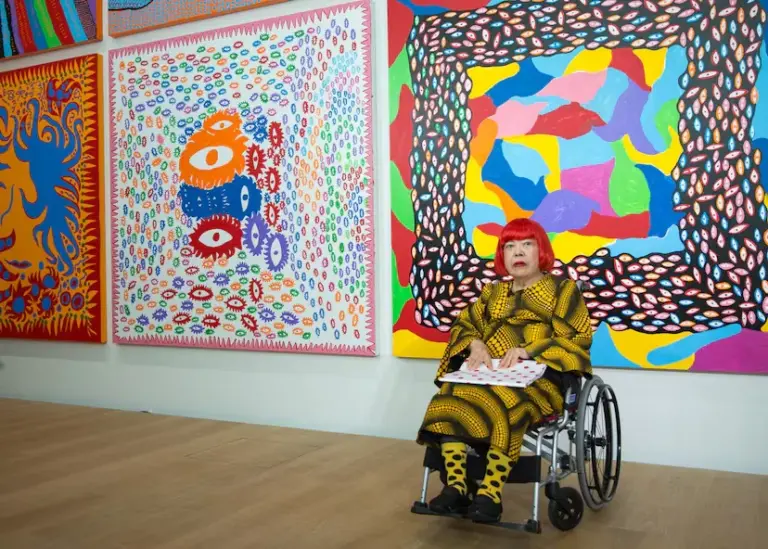
Born in the city of Matsumoto on March 22, 1929, the artist began painting around the age of ten, using the obsessive repetition of polka dots, her polka dots, and patterns like nets and arches, which she rendered in watercolors, pastel paintings, and oils. Conceived within an affluent merchant family, Kusama suffered from hallucinations and obsessive-compulsive disorder with suicidal tendencies since childhood, a period in which she confessed on multiple occasions to having suffered physical and psychological abuse from her mother, who destroyed her works and forced her, for example, to spy on her unfaithful father.
The Japanese artist used this cocktail to fuel her art, to which she clung as a mode of survival and therapy, and transformed polka dots and vibrant tones into an exponent of global psychedelia. From early on, her style was characterized by a tendency towards pop art, Performance, contemporary, abstract, and feminist art, with a markedly avant-garde style.
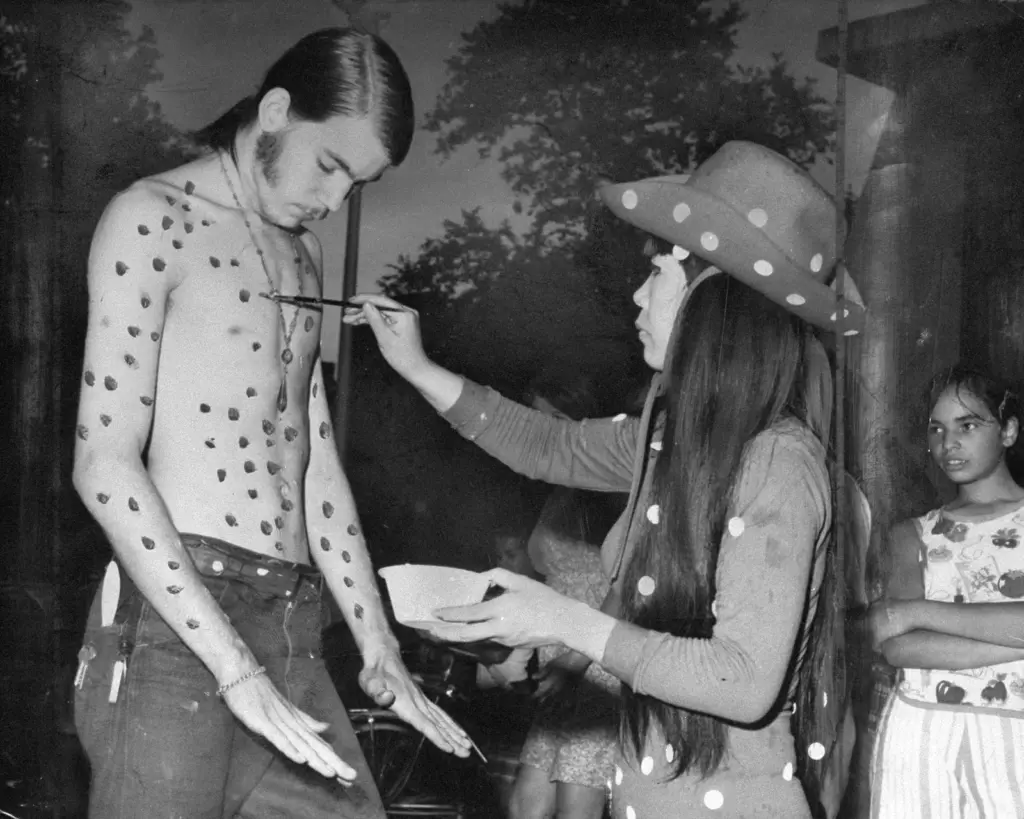
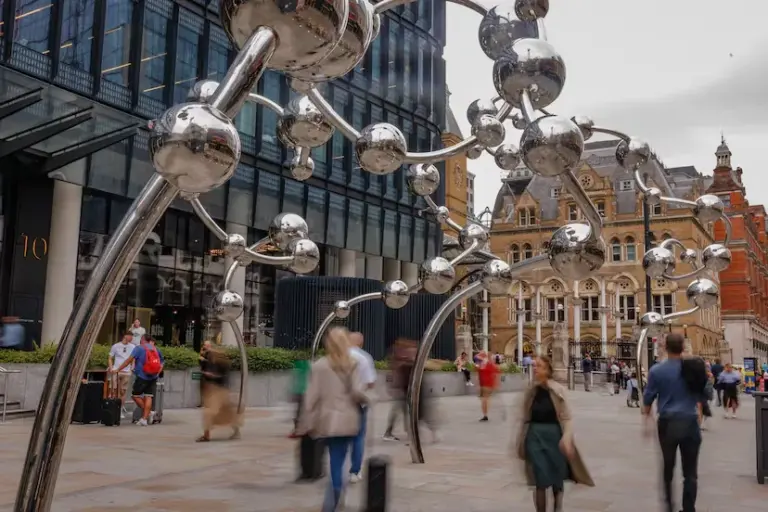
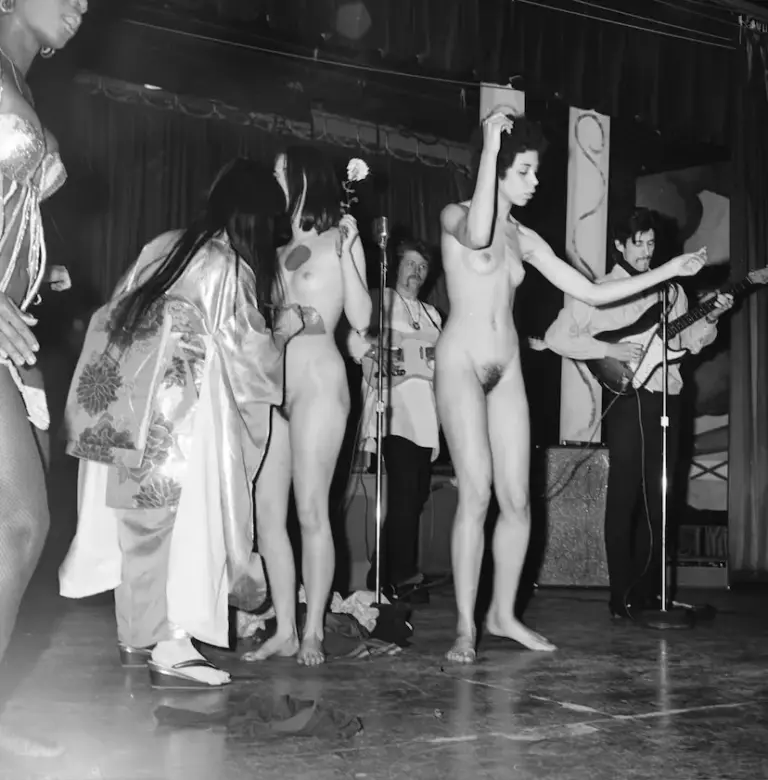
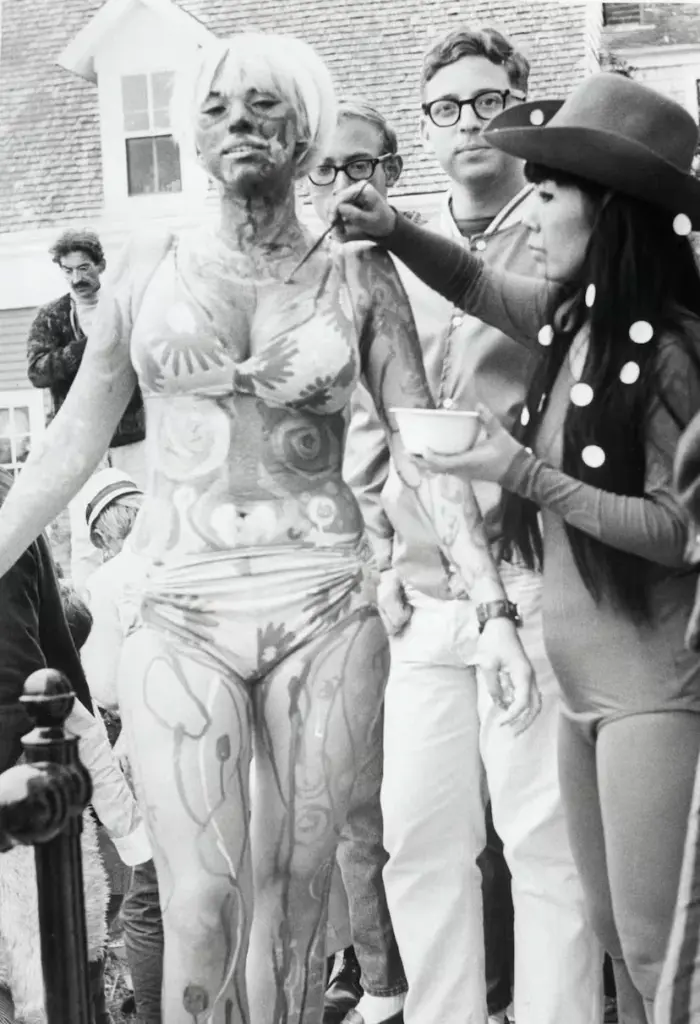
Trained in Nihonga, a traditional Japanese painting style defined in the late 19th century, at the Kyoto Municipal School of Arts and Crafts (west), Kusama emigrated to the United States in the late 1950s, fleeing the rigid formalism of the Asian country and to make a name for herself among the artistic avant-garde. There she began to explore her characteristic immersive installations, exhibited large-format paintings, sculptures with mirrors and electric light, and experimented with body painting, fashion, and even cinematography and media.
Read more Partial lunar eclipse: when, where and how to see it this August 28
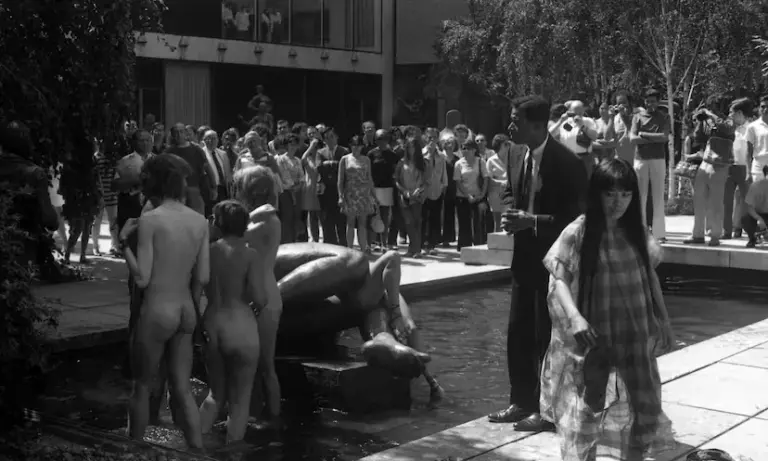
In the Big Apple, she began creating artworks in public spaces, such as Central Park, where she developed activities as a protest against the Vietnam War. The Japanese artist’s anti-war activism was well-known at the time. The war marked Kusama’s psyche; she was 16 when atomic bombs were dropped on the cities of Hiroshima and Nagasaki at the end of World War II.
Consecration and mental health problems
Despite her success in the US, where she influenced contemporaries like Andy Warhol and Claes Oldenburg, Kusama returned to Japan in 1973 after her mental health problems worsened. While continuing to produce and exhibit artworks, she published several novels and anthologies. In 1990, she voluntarily admitted herself to a mental institution, from where she continued to produce works in various formats.
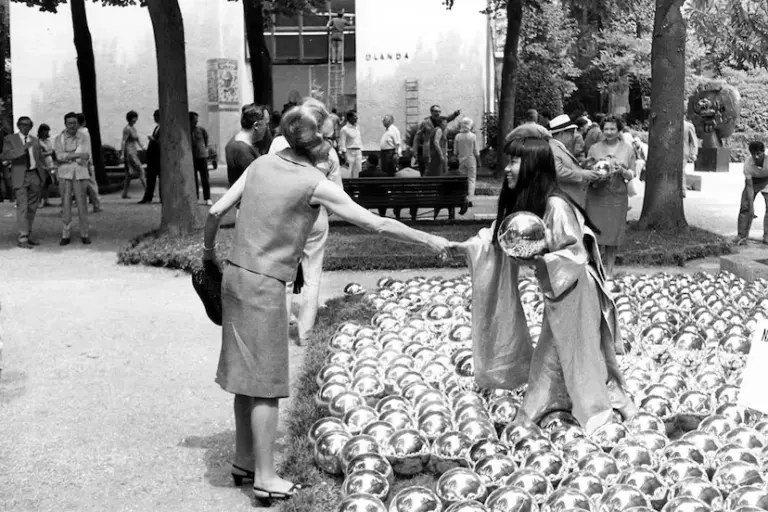
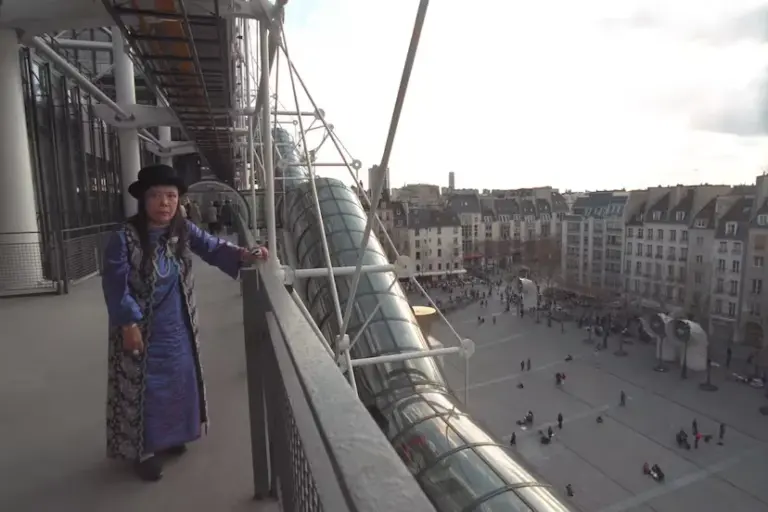
Some of her most famous works include: Narcissus Garden (1966), Gleaming Lights of the Soul (2008), and collections such as Dots Obsession (2008), Ascension of Polka Dots (2013), or Tulips of Shangri-la (2004), the latter exhibited in numerous museums worldwide. Institutions that have hosted her exhibitions include the Venice Biennale, MoMA in New York, the National Museum of Modern Art in Tokyo, the Museum of Contemporary Art in Sydney (Australia), Tate Modern in London, the Museo Nacional Centro de Arte Reina Sofía in Madrid, and the Centre Pompidou in Paris.
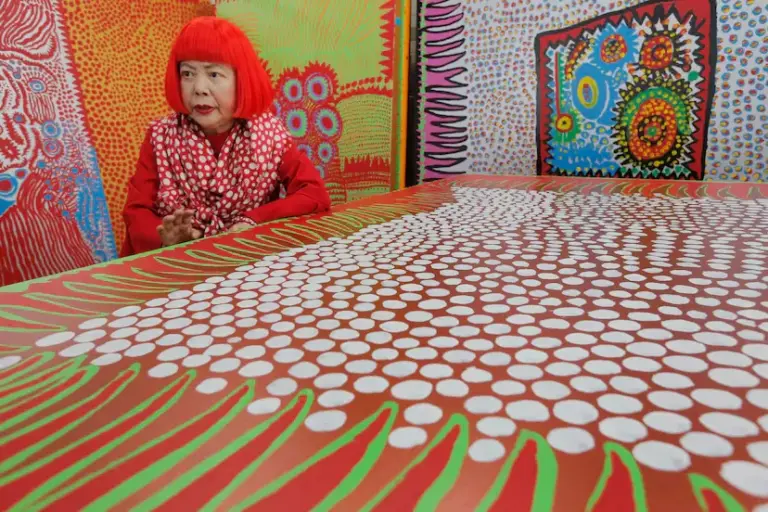
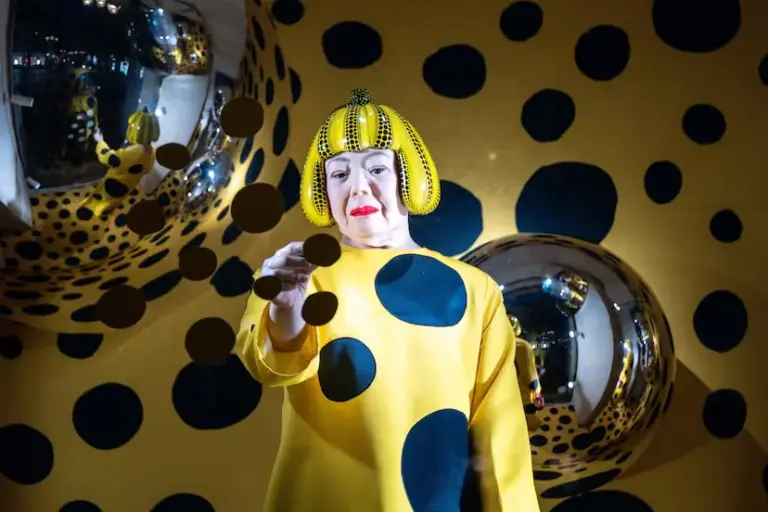
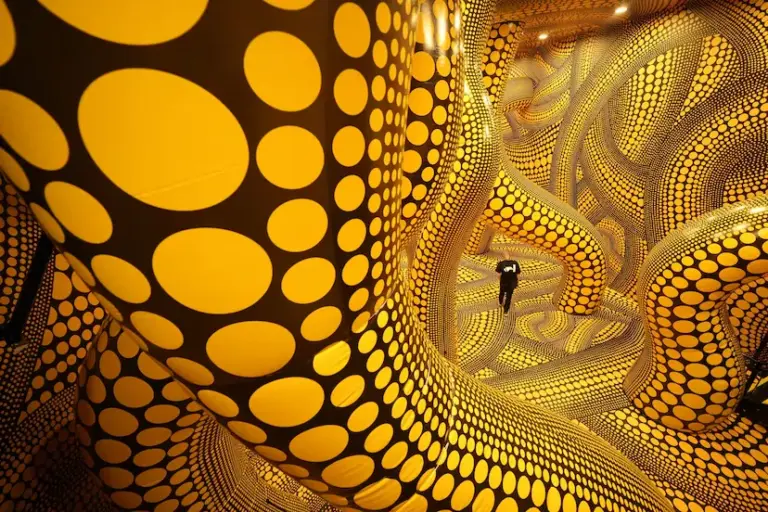
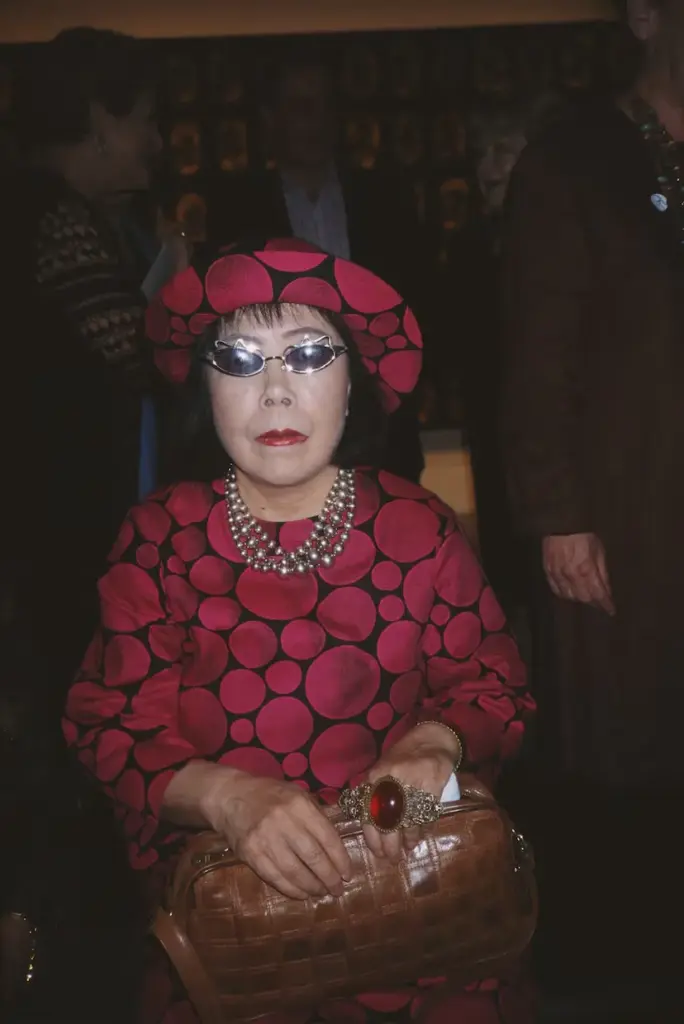
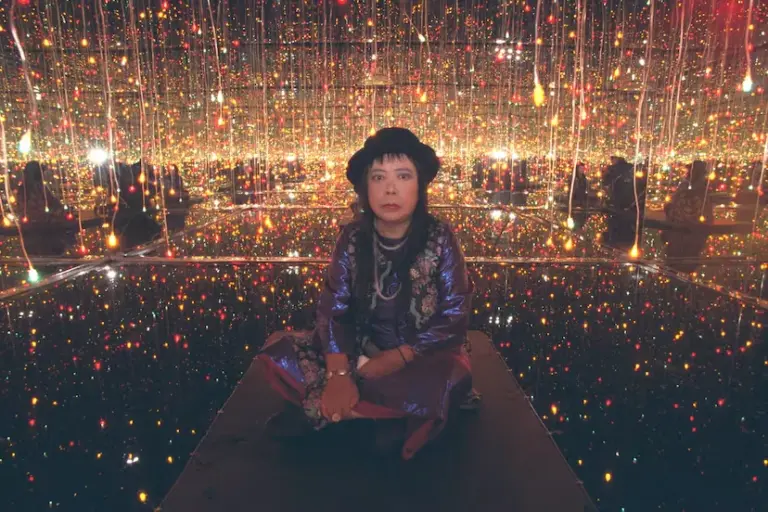
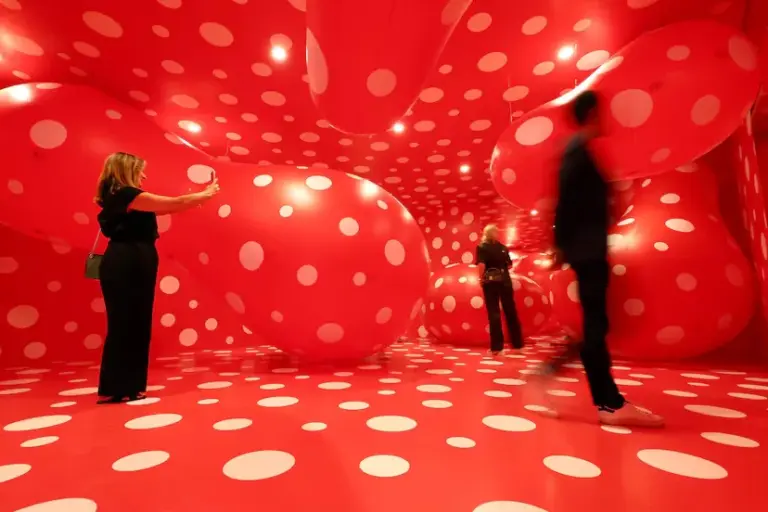
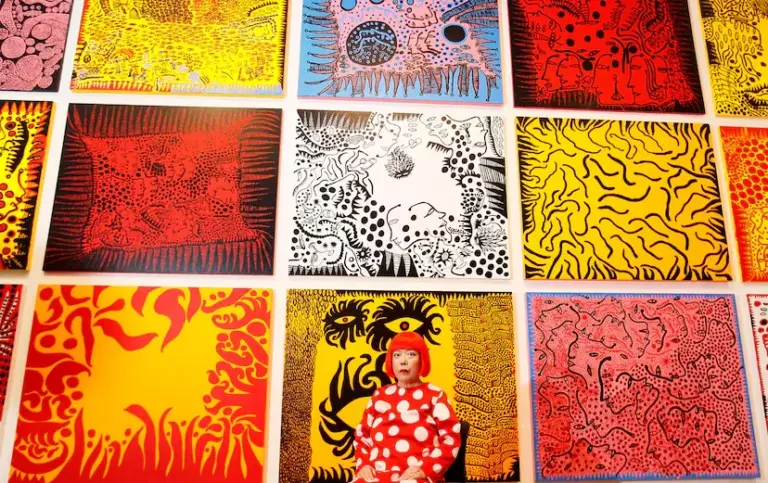
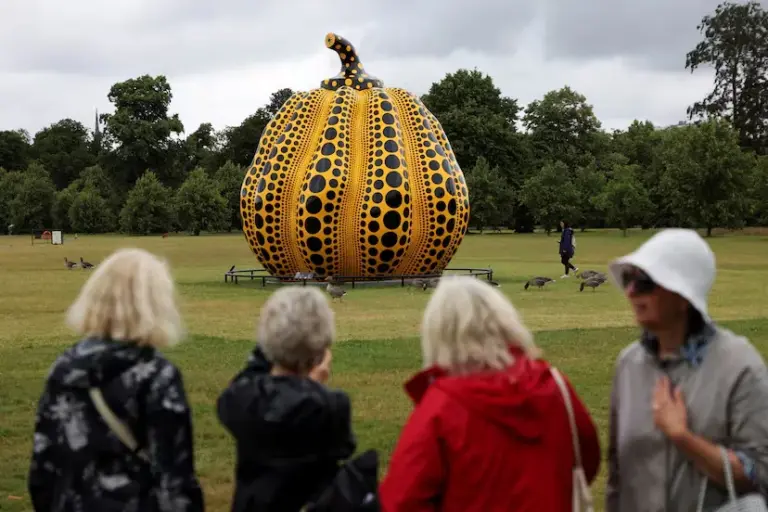
Her most extensive painting series, My Eternal Soul, which spans from 2009 to 2021, comprises approximately 900 works. Her enormous spotted pumpkin located near the coast at the Benesse Art Site on Naoshima Island remains one of the main landmarks of contemporary art in the Japanese archipelago.
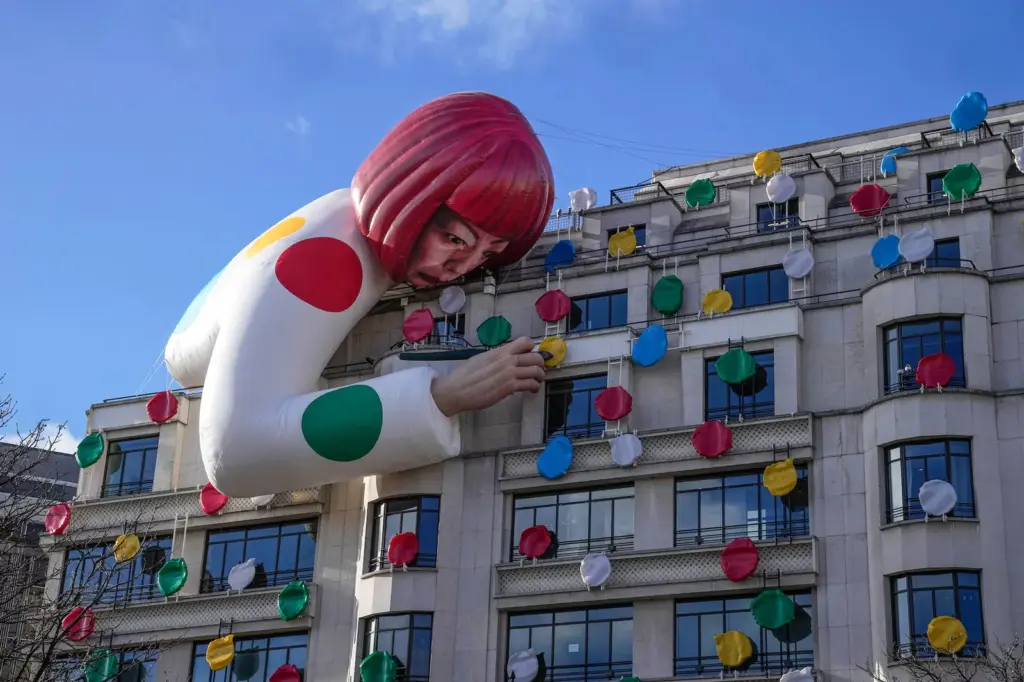
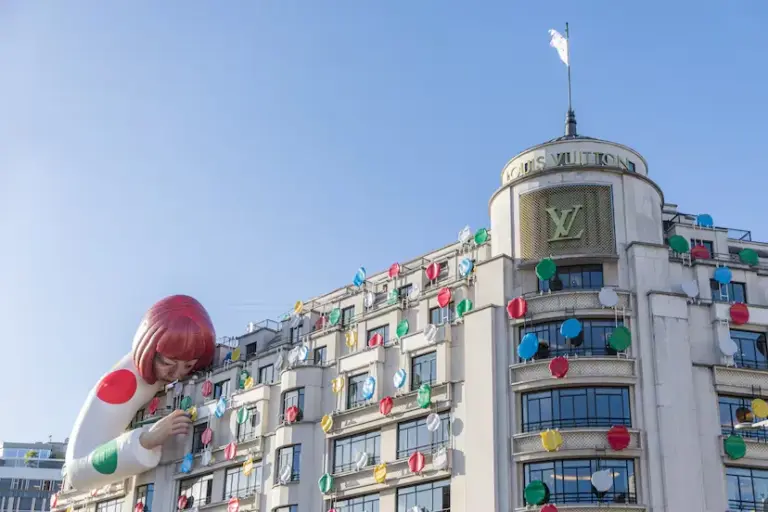
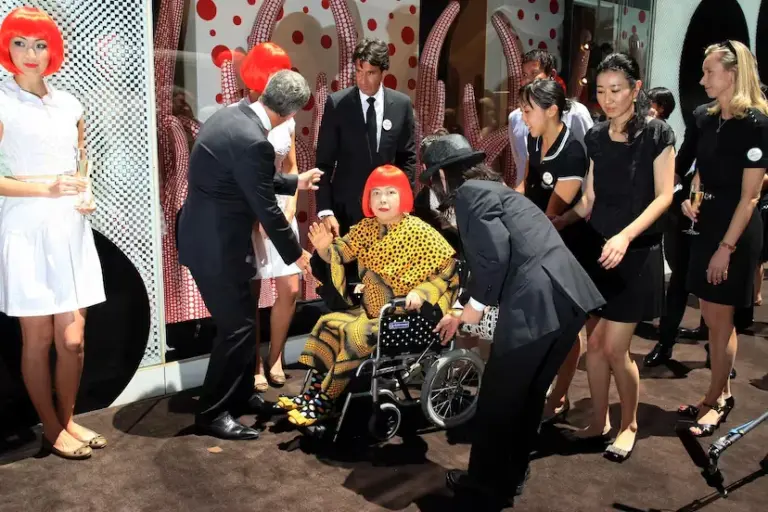
Beyond art and literature, Kusama was responsible for designing the exterior of the Louis Vuitton corporate building in New York in 2012 as a collaborative work. In 2014, she opened her own museum, the Yayoi Kusama Museum, in Tokyo. Throughout her life, she received multiple accolades, such as the Asahi Prize, the Order of Culture of Japan, and the National Lifetime Achievement Award of the Order of the Rising Sun. In 2006, she became the first woman to receive the Praemium Imperiale from the Japan Art Association, one of the most prestigious international art awards in the world, and in 2016, she received the Order of Culture.