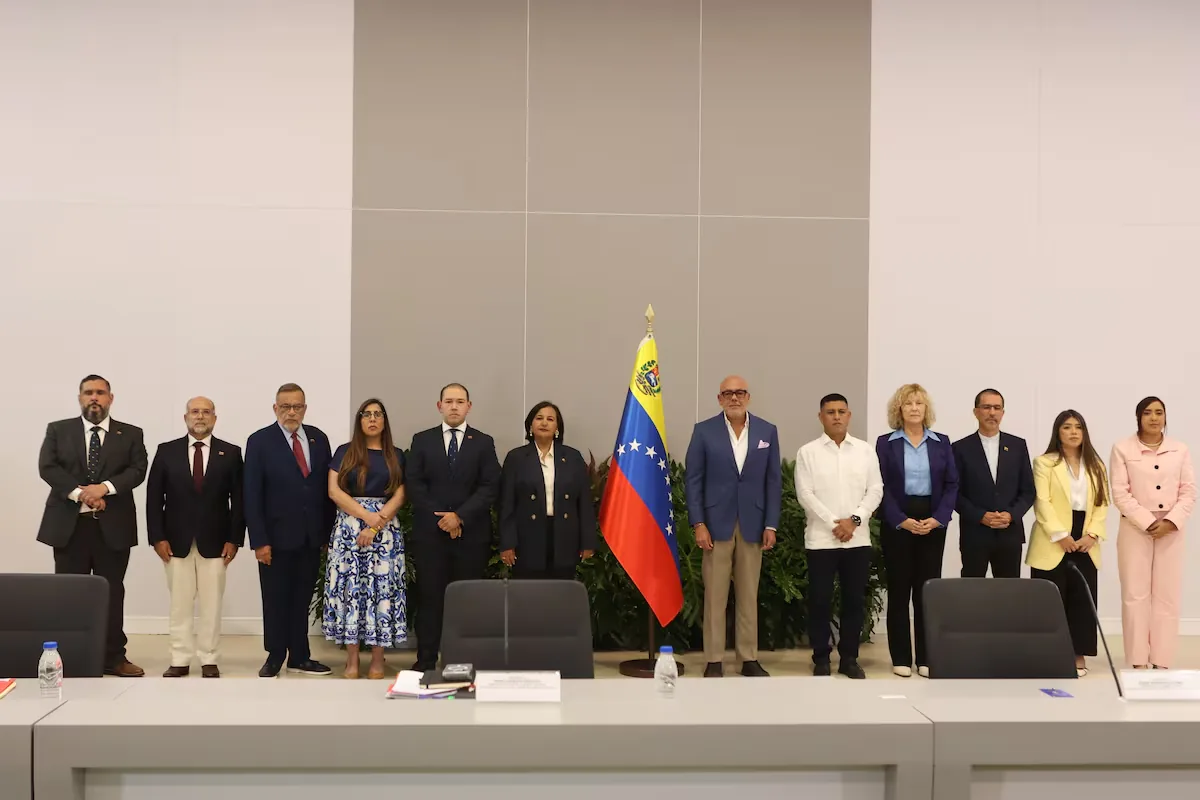
The National Assembly of Venezuela unanimously approved, in first reading, the partial reform of the Supreme Court of Justice (TSJ) Law. This is a legislative step within the political dialogue agreements being advanced in Caracas by delegations from the Government and the opposition under the tutelage of the United States Government. This process should lead to the formation of a new high court, a step that the opposition considers essential to reinstitutionalize the country and establish an electoral roadmap.
Read more Lunar eclipse of August 27, 2026: schedule and how to see the red Moon from Mexico
This is the second Supreme Court reform initiative promoted this year by the Venezuelan Parliament, controlled by Chavismo. Last May, the Chamber modified the number of TSJ magistrates and removed several judges most committed to the interests of Nicolás Maduro and Cilia Flores, some of whom held leadership positions and faced serious corruption accusations.
The new modification seeks a more demanding reform in the composition of the highest court, a key demand of the U.S. mediation. All these changes are a direct consequence of the U.S. military attack that resulted in the arrest of Maduro and Flores last January 3, an event that was not mentioned once during the legislative debate, nor in many previous ones.
In the parliamentary session, it was agreed to modify article 65 of the law, related to the election mechanisms. The objective is to execute a “structural adjustment of the number of representatives and proportionality of the Preliminary Commission, increasing its composition from 21 to 23 members, assigning 12 seats to representatives of civil society and 11 to legislative representation,” according to the explanatory statement from the Chamber Secretariat. From the work of this body, a Nominations Committee will emerge that will present the final proposal with the new magistrates before the TSJ plenary. During the second reading, the articles will be debated individually, where more significant modifications are expected.
“Some time ago we created a front to fight against corruption in the justice system,” said Pedro Infante, deputy of the United Socialist Party of Venezuela (PSUV) and member of the dialogue table, when presenting the reasons for the initiative. Infante highlighted the political opening measures, amnesty, and institutional reform advanced by Delcy Rodríguez, the acting president, since she took office: “This year we have made changes in the Prosecutor’s Office, in the Ombudsman’s Office. We have advanced steadily, with great awareness of the need for a justice system reform that is up to the political moment Venezuela is living,” he said. The previous attorney general and ombudsman, Tarek William Saab and Alfredo Ruiz, respectively, had not completed their constitutional terms.
Read more La Primitiva: check draw for Thursday, August 27
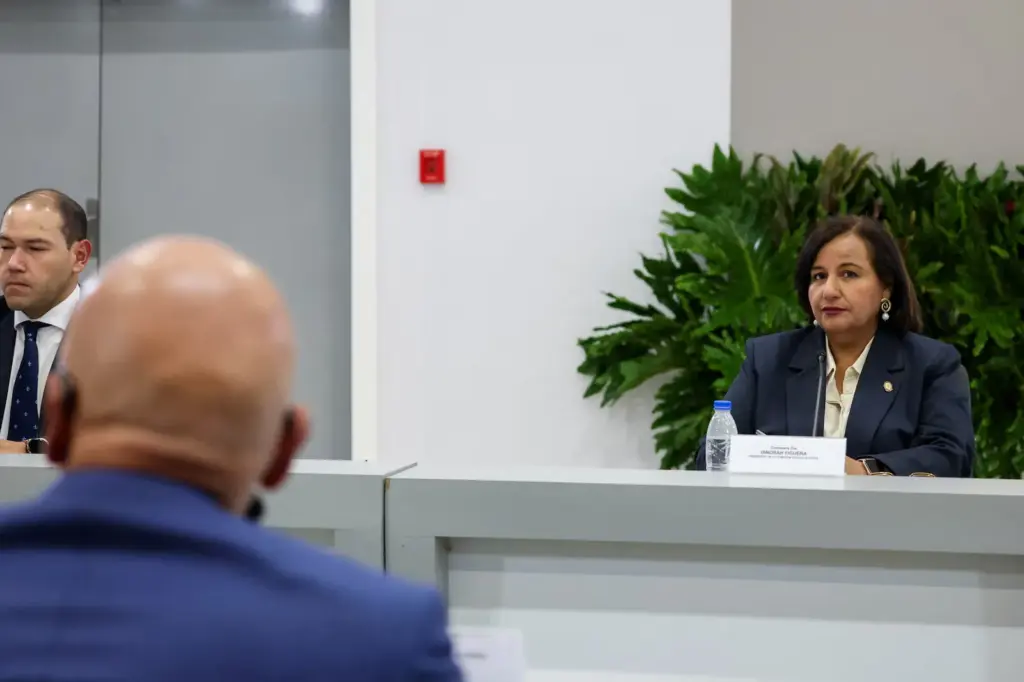
Infante made an effort to project the idea that the ruling party was already working on these issues and that now it is about incorporating the opposition. “On August 12, the Government and a sector of the opposition agreed to continue with the reforms, and one of the points was to join efforts to transform the justice system in Venezuela,” he added.
For his part, Jorge Rodríguez, president of the National Assembly and a PSUV executive, took the floor to emphasize that these initiatives of political détente and institutional adjustment have been promoted by “this National Assembly,” in response to sectors that question its legitimacy due to the fraudulent origin of its election. “If anything has characterized the governments the country has had since 1999, from the times of Commander Hugo Chávez to date, it has been their vocation for constructive dialogue. We are holding these sessions sovereignly, without any foreign mediation imposing them on us,” he stated, avoiding the thorny issue of U.S. presence in the country.
Rodríguez also recalled the mediation of the Norwegian Government — which acted as facilitator in one of the various frustrated dialogue stages in recent years — to describe its role as a “disaster.” “Thank God we got rid of those people,” he added, while attacking some NGOs dedicated to defending political prisoners, accusing them of “charging inmates to appear on the lists they publish.”
From the opposition minority bench, Luis Florido, parliamentarian of Un Nuevo Tiempo (UNT), welcomed the ongoing project and emphasized that it must result in a Supreme Court that is “qualified, honest, and independently verified.” “If there are no fundamental changes, this process will have failed. Let the judges with political colors end. Let the only color of the judges be that of the Venezuelan flag,” he said.