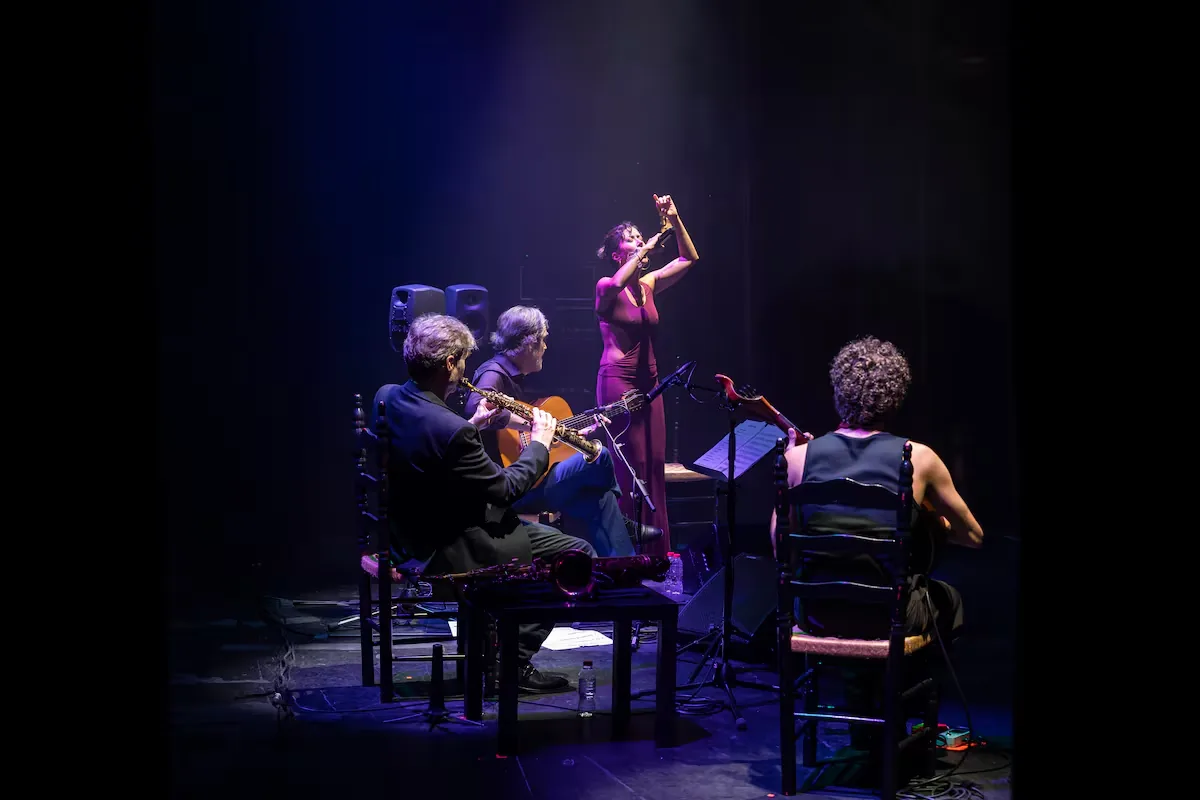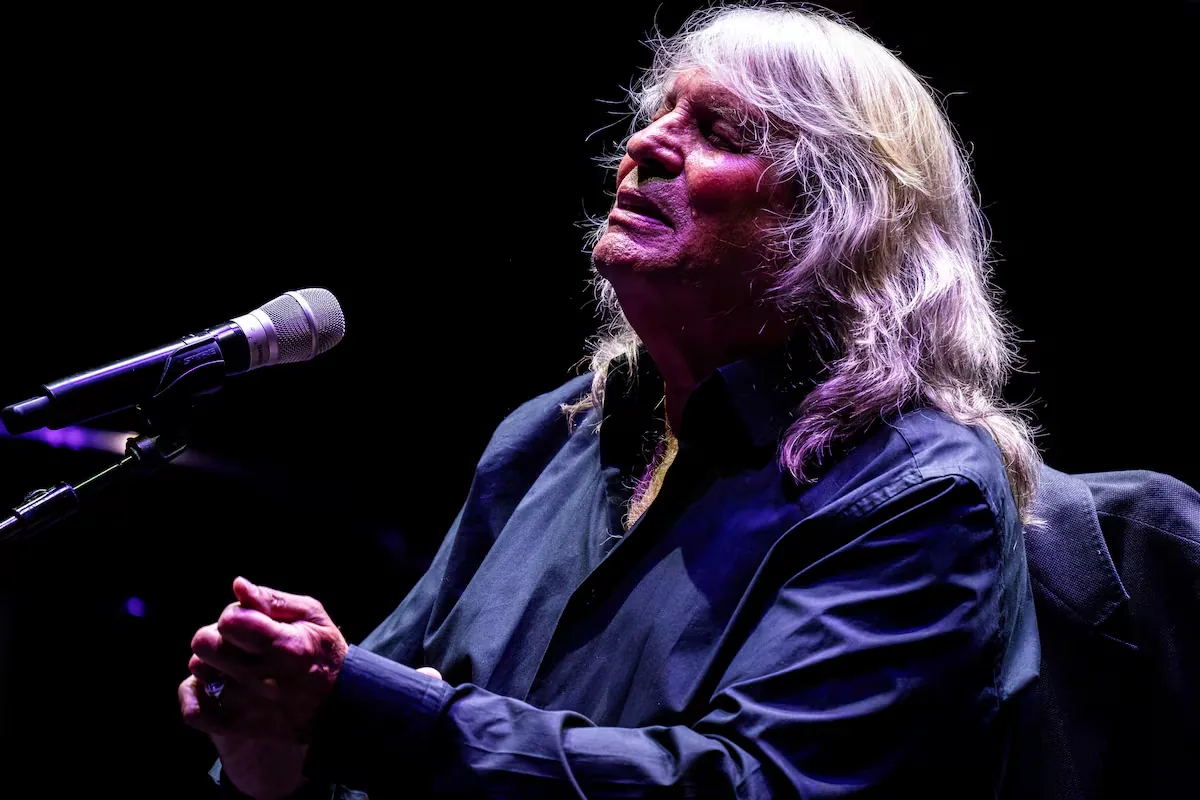
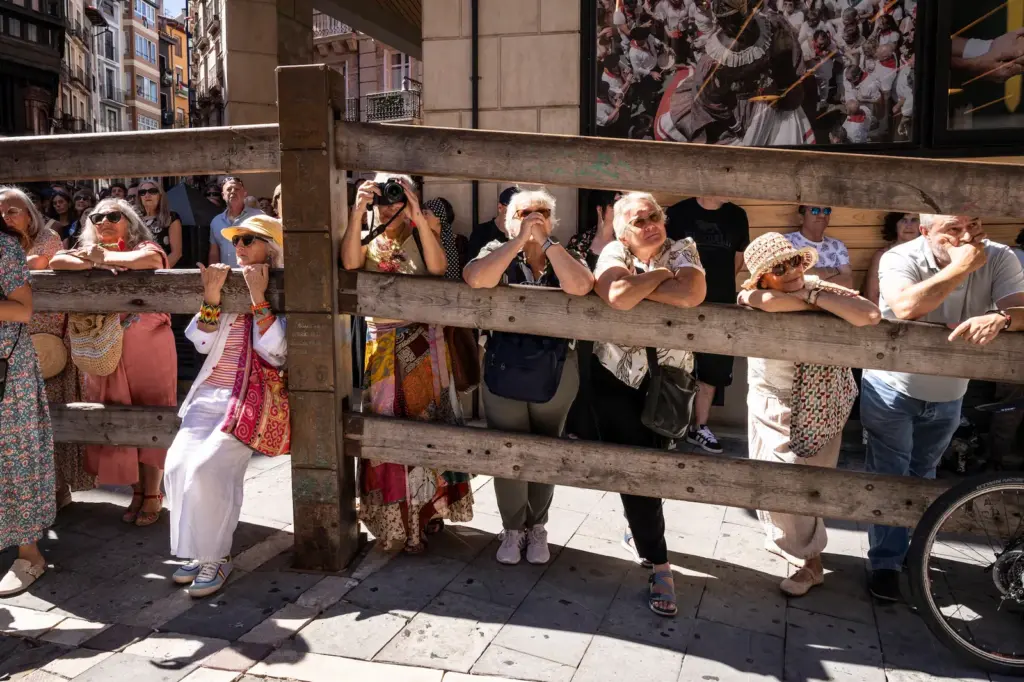
A visitor unfamiliar with what Flamenco On Fire means (from August 26 to 29 in Pamplona) will be immediately surprised by what happens in its streets during the central hours of the day. Those who are regulars already know what those rivers of people gathering in one square and then, shortly after, walking en masse to another, along the same streets where the running of the bulls takes place in July, but this time without bulls or races: from the town hall square to the Castle square, the two places where this event is expressed in the most popular way, offering flamenco singing and guitar playing from their balconies.
Read more Flick responds to Mourinho: “It’s not my job to campaign. I’m not a fan of individual awards”
The attendance at this listening ritual and the dynamic it entails are another of the hallmarks that identify the event, with features that, despite being repeated, never cease to impress: that successive combination of silence and respect followed by the festive celebration of what has been experienced. A phenomenon that the enthusiastic audience of Pamplona can feel proud of.
This was how Pedro El Granaíno’s singing was received from the town hall balcony — the only one we will refer to — at noon on Thursday, connecting, with a full square, through tangos and bulerías, styles among which he intersperses old songs with others from contemporary masters. He had showcased his art the previous night in the nighttime cycle, the tablao at the Hotel Tres Reyes, as this festival offers the possibility of enjoying the same artists with or without buying a ticket.
The same happened with the Cordoban Manuel Moreno Maya El Pele, who, after also starring in a performance the previous night, took that balcony on Saturday. He decided to start by flamenco-fying the popular zamba Alfonsina y el mar, then, after thanking the respectful silence, devoted himself to the old seguiriya and the cante por soleá.
A special mention goes to the very popular José Mercé, who arrived at the same place on Friday and was received — or rather acclaimed — as the media figure he is. He performed very traditional Cádiz alegrías, personal fandangos, and a set of bulerías interspersed with cuplés, songs that must have felt too short because the audience seemed unwilling to leave the square asking for more. The singer had offered a long recital the previous night at the Baluarte auditorium as part of the Grandes Conciertos cycle. With the hall almost at full capacity, his performance can be described as a resounding success.
He came to present his adaptation of the songbook of the Jerez composer Manuel Alejandro, recorded last year, performing half a dozen of his songs, brought to the style that is his own. But also, as usual, he made a flamenco stop and, moreover, a canonical one with El Mellizo’s malagueña doble, a set of soleares dedicated to the memory of his first cousin Enrique Soto Sordera, who passed away that same afternoon, and the usual seguiriya from Torre followed by some alegrías. His anthems were not missing either, those versions he introduced in his early 2000s albums —Al alba, Aire— which have given him so much popularity, pieces ideal for prolonging the acclaim in the encores.
Read more Barcelona ties Gabriel Jesus at the last minute
Also, within the same Baluarte cycle, on Friday night, the company of dancer and choreographer Manuel Liñán brought to Pamplona their show Muerta de amor, a much-applauded work, a feast of dances and songs, almost a danced musical or a sung dance show, with tremendous strength and commitment combined with a daring and transgressive beauty. It was the only choral dance contribution of the festival and its reception was very warm, with endless applause from an audience as devoted as moved.
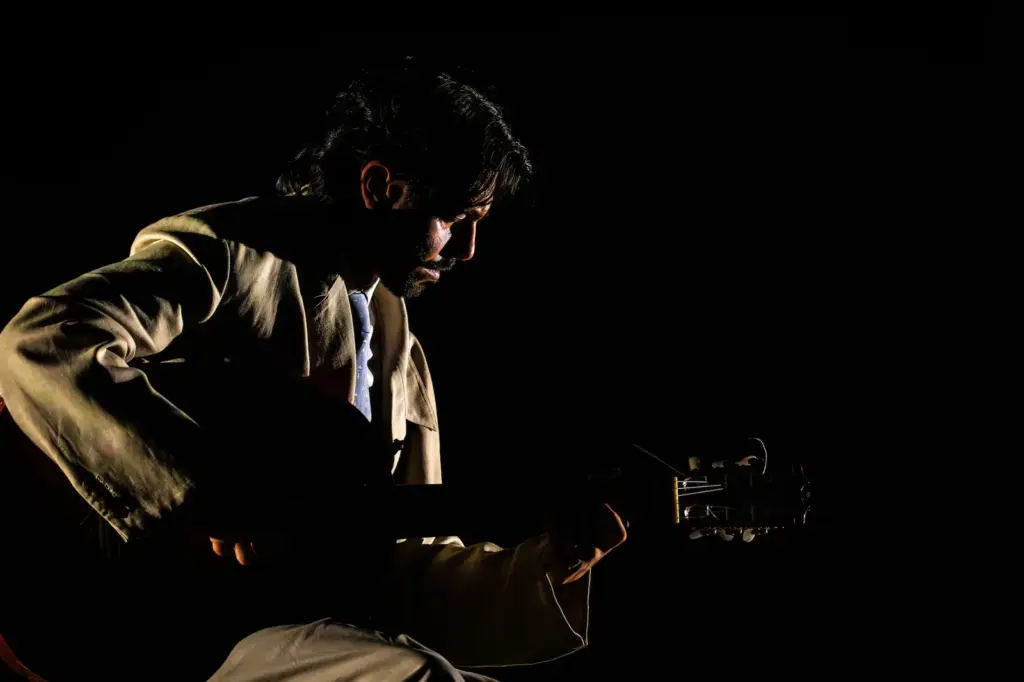
The flamenco concert guitar, with the Espacio Sabicas cycle, is another of the pillars of this event and — after illustrating the act of connection with the territory, with Juan Diego Mateos on Wednesday afternoon, and lighting up the same night from the balcony of the Palacio del Reino —, on Thursday afternoon it arrived at its usual venue, the Civivox Condestable. Both in the nighttime event and in this last one, the protagonist was the veteran artist of the Madrid school Felipe Maya. Patriarch or precursor of what would later be known as the “sonido cañorroto” of the guitar, his playing is classic and settled to the point of overwhelming. On the afternoon at Condestable he shared the stage with his son Jerónimo, guarantor of the lineage’s continuity.
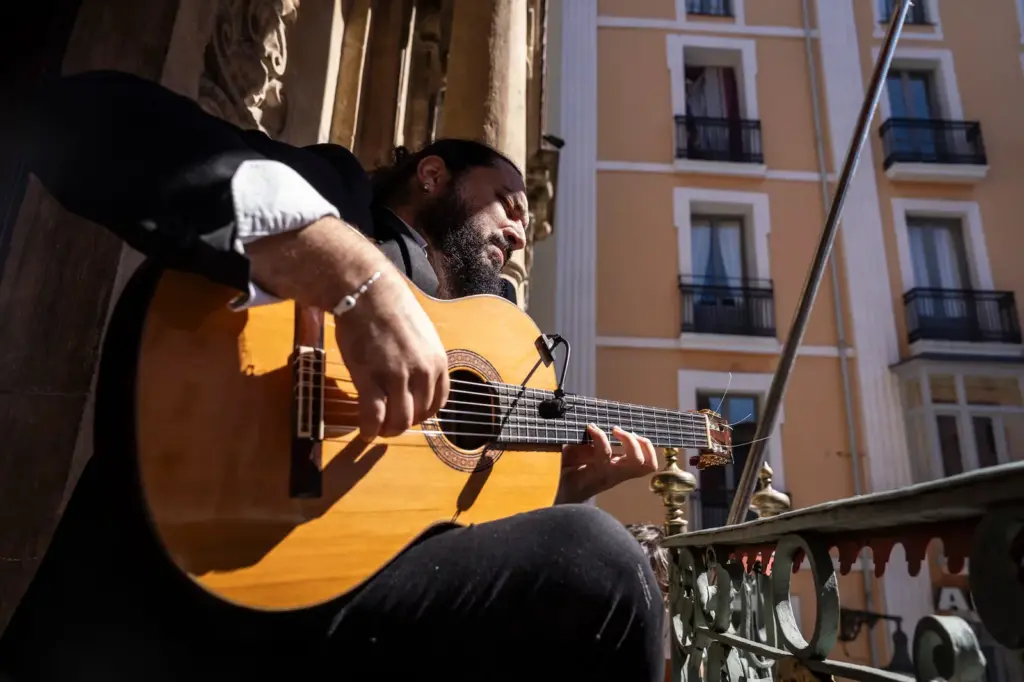
Following them on Friday was Joselito Acedo from Triana, who began by paying homage, with class and pause, to the school of his land, represented by Manuel Serrapí Niño Ricardo, before presenting his own arguments in a classic yet renewed soleá, among other pieces of his own. The cycle closed on Saturday afternoon with the Alicante native Alejandro Hurtado, who approached various facets and styles of the discipline in an undeniably virtuosic way with a proficiency that does not diminish his ability to convey. He remembered many masters — Montoya, Sabicas, or Ricardo — showed his own compositions, and gave his all by astonishingly performing Francisco Tárrega’s Gran jota.
With concerts like this and the previous ones, the Flamenco On Fire festival in Pamplona returns to its origin, the defense of flamenco guitar championed by the Pamplona native Sabicas and which, with its varied interpretations, finds, and must continue finding here, an unassailable stronghold for its preservation and defense.
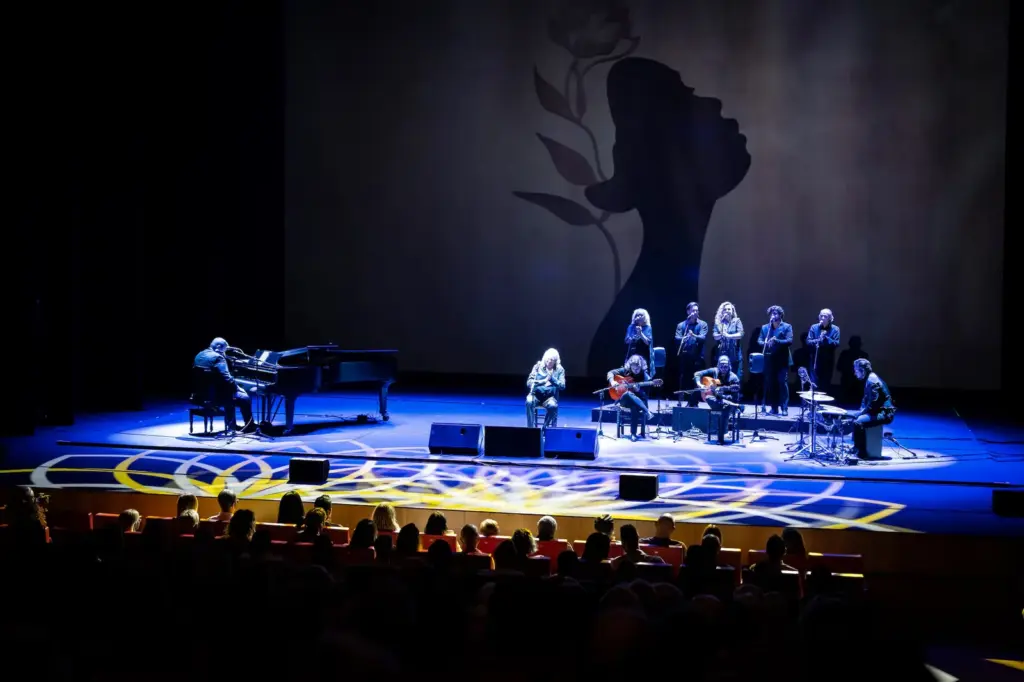
Before the closing of this edition with the nighttime tablao cycle, the Del Baluarte auditorium hosted the last of the major concerts, with Yerai Cortés, possibly the most media-exposed flamenco guitarist at the moment. The Alicante native was announced solo, a format for which he is not precisely known nor has become popular, such as his choral guitar, where he was supported by the clapping and rhythm of six female voices. Stripped of that attire, his discourse is similar: there are no noticeable innovations, but despite the familiarity of his language, his mastery of timing to present it is undeniable, a value that enables him to use silences intelligently, playing with repeated chords, syncopations, and off-beats, flying over flamenco styles as if it were a soundtrack — even with light and sound effects — but only penetrating them in a few moments. A concert, without a doubt, friendly and for all audiences (is that what they call mainstream?), which was again warmly received, something that will always be good news for flamenco.
Read more Real Madrid — Málaga live | The match begins at the Bernabéu