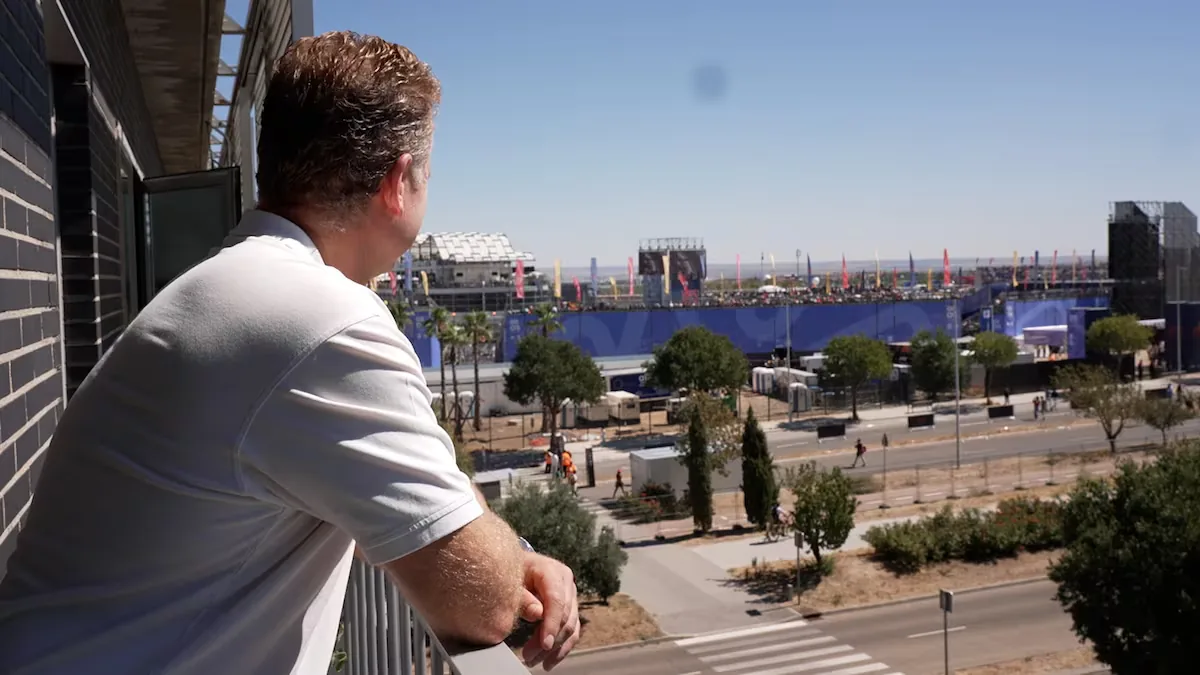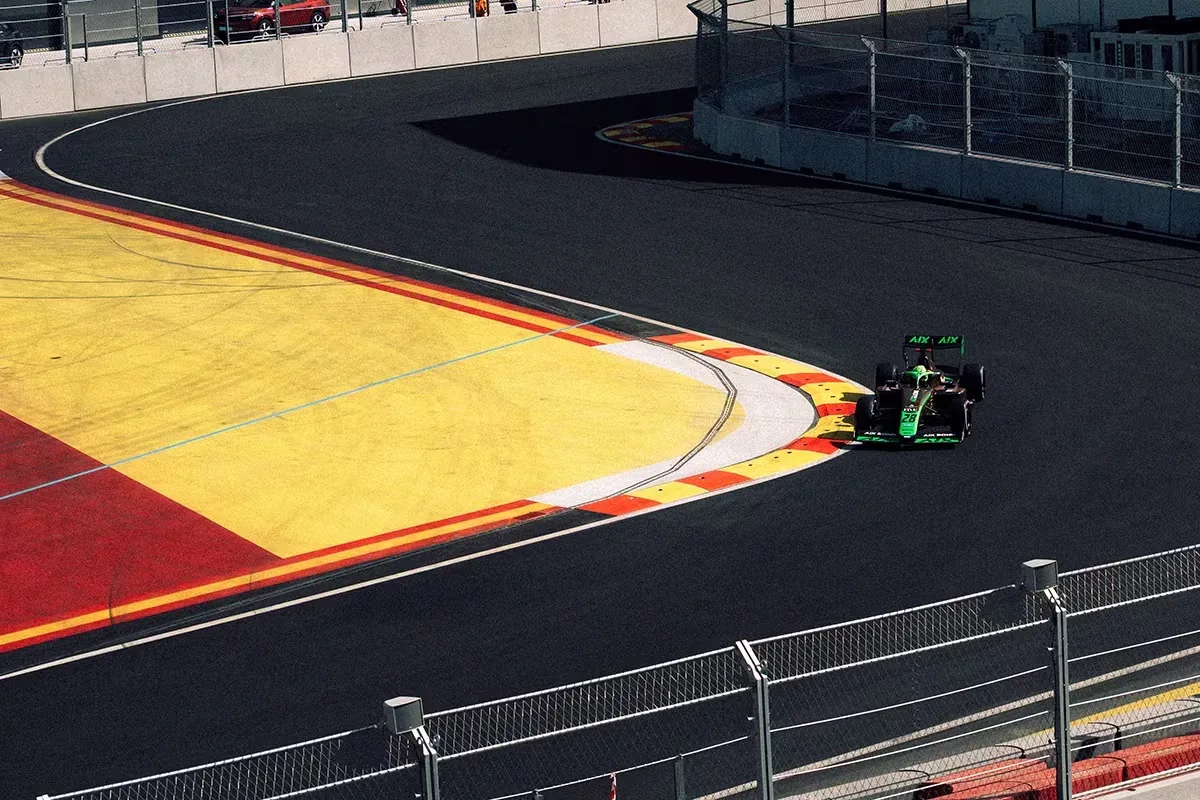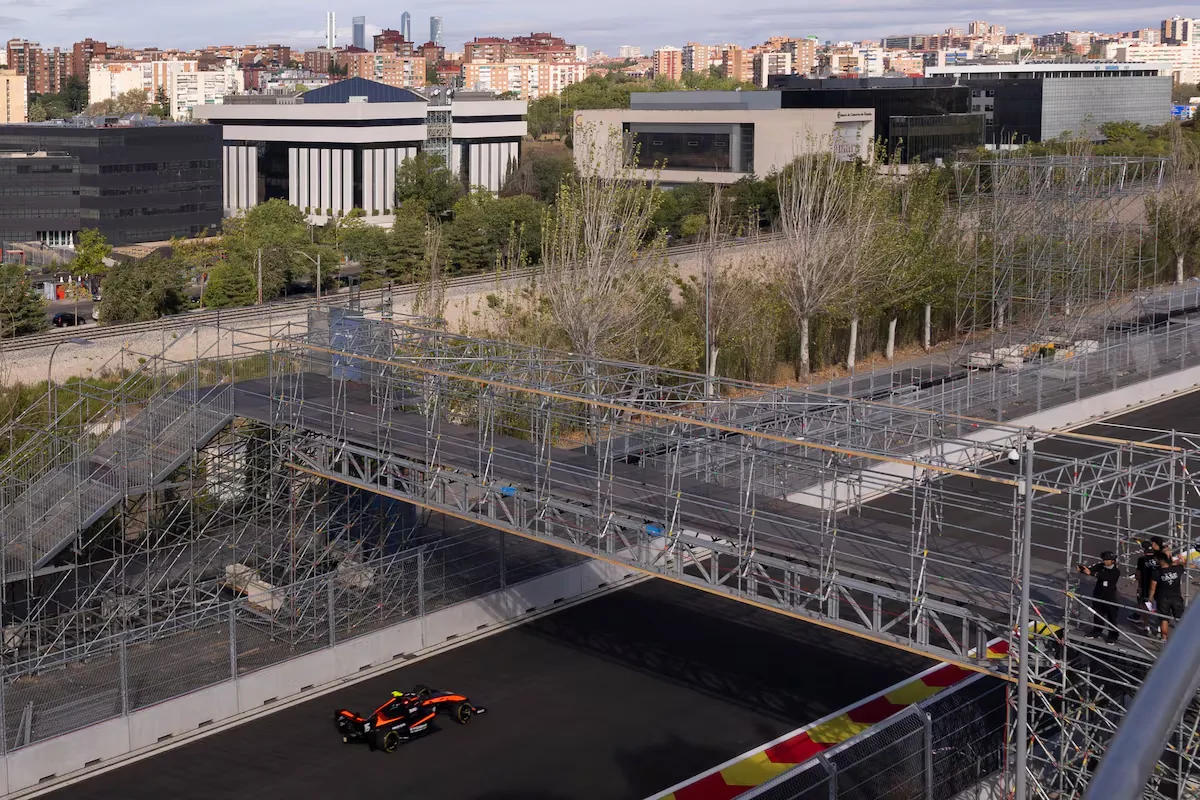
The Madrid City Council will impose mandatory accreditation so that residents closest to the Madring circuit can access their homes by vehicle during the Spanish Grand Prix of Formula 1, which will be held from September 11 to 13 at the Ifema fairgrounds. The restriction will affect about five hundred homes in the San Antonio de Las Cárcavas neighborhood. Specifically, all those located on streets perpendicular to Francisco Umbral street, which has a section integrated into the circuit and is the avenue that separates this residential area of the Hortaleza district from the layout built on a large plot in the Valdebebas area, northeast of the capital. To be able to reach their homes by car during the three days of the event, which will be attended by tens of thousands of spectators, residents must place distinctive stickers in a visible place on their cars.
Read more “The reaction of the Moroccan authorities on Ceuta seems vile to me”
Each family will have a maximum of three stickers, which they can collect from this Tuesday at the Las Cárcavas-San Antonio neighborhood association and from next week at the counter of the Madrid Congress Palace, located next to the fairgrounds. This measure is the first to emerge from the mobility plan that the José Luis Martínez-Almeida City Council has yet to make public, although there are only nine days left for the Formula 1 cars to start their engines on the new Madrid circuit. However, it was Ifema, promoter of the Madring, that notified the restrictions to the residents of the Las Cárcavas neighborhood by letter.
It explains that the City Council’s mobility plan aims to guarantee the “coexistence” of the event with the mobility of the tenants of the homes adjacent to the layout. With that objective, the blocks surrounded by Maruja Mallo avenue, Margarita Xirgú, Emma Penella and Francisco Umbral streets, as well as Camino de Montoro, have been perimetered.
The intention is to prevent the entry of vehicles of attendees to the Spanish Grand Prix, although in this way the transit of customers of some businesses in the area is also prevented for three days, where there is also a municipal nursery school. The restriction affects the homes that suffer the most inconvenience from the construction works of the circuit — which have lasted for more than a year — such as traffic cuts at the neighborhood entrances or the diversion of a bus line for weeks.
“The neighborhood is trapped and the Formula 1 project is a disaster. We won’t be able to move, it will be difficult to leave the neighborhood and almost impossible to return: chaos. And a sticker is not the solution. The solution would be to take the circuit out of a residential area,” laments Constantino Blanco, spokesperson for the Stop F1 Madrid neighborhood platform and resident of the area that will have these restrictions during the Formula 1 competition, which will be imposed on a few streets of Las Cárcavas, a quiet neighborhood of single-family homes where a vehicle invasion is feared next week, as when the Ifema plot where part of the circuit has been built hosted the massive Mad Cool music festival during 2018 and 2022.
Read more Presidential possession and miracle homeland (III)
In that same venue, before the Madring works, other major musical events were held such as a concert by the American band Metallica. In addition, it hosted two editions of the Vox party event, attended by foreign ultra leaders such as Italian Georgia Meloni or Argentine Javier Milei before they came to power in their respective countries.
In recent months, Ifema has held regular meetings with the Las Cárcavas-San Antonio and Valdebebas neighborhood associations to keep them informed about the progress of the circuit works, in which the public-private consortium that manages the Madrid fairgrounds has invested just over 80 million euros.
The five and a half kilometers of the Madring layout, which aims to host the Spanish Grand Prix of Formula 1 for ten years, also run through sections of public roads that have been remodeled — causing the felling or transplanting of dozens of trees — to adapt to the competition’s requirements, although they will be reopened to the circulation of regular vehicles weeks after the event.
On August 24 and 25, the first race of the brand-new circuit was held, with Formula 3 cars that were heard more than a kilometer away. In some of the homes closest to the Madring, noise levels above 100 decibels were recorded, well above legal limits, according to the Stop F1 Madrid neighborhood platform, which intends to take to court the noise that the races of the world’s best drivers will cause in their neighborhood.