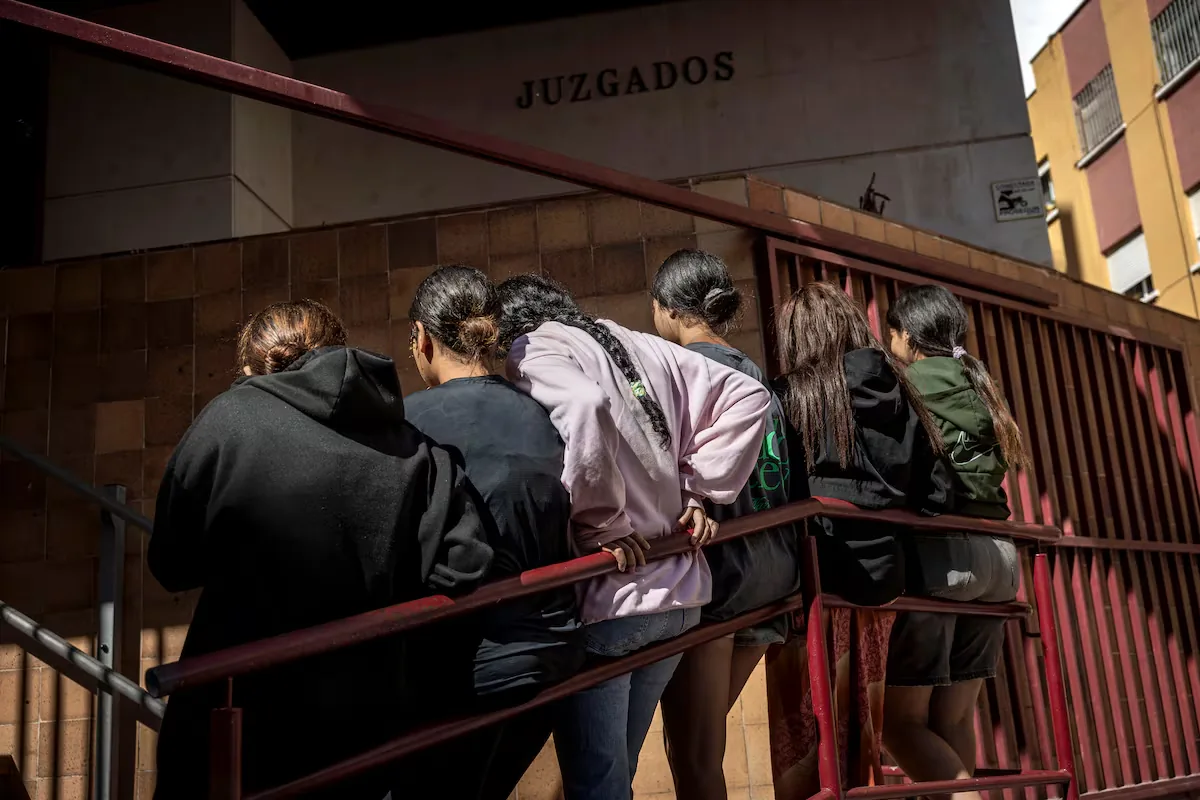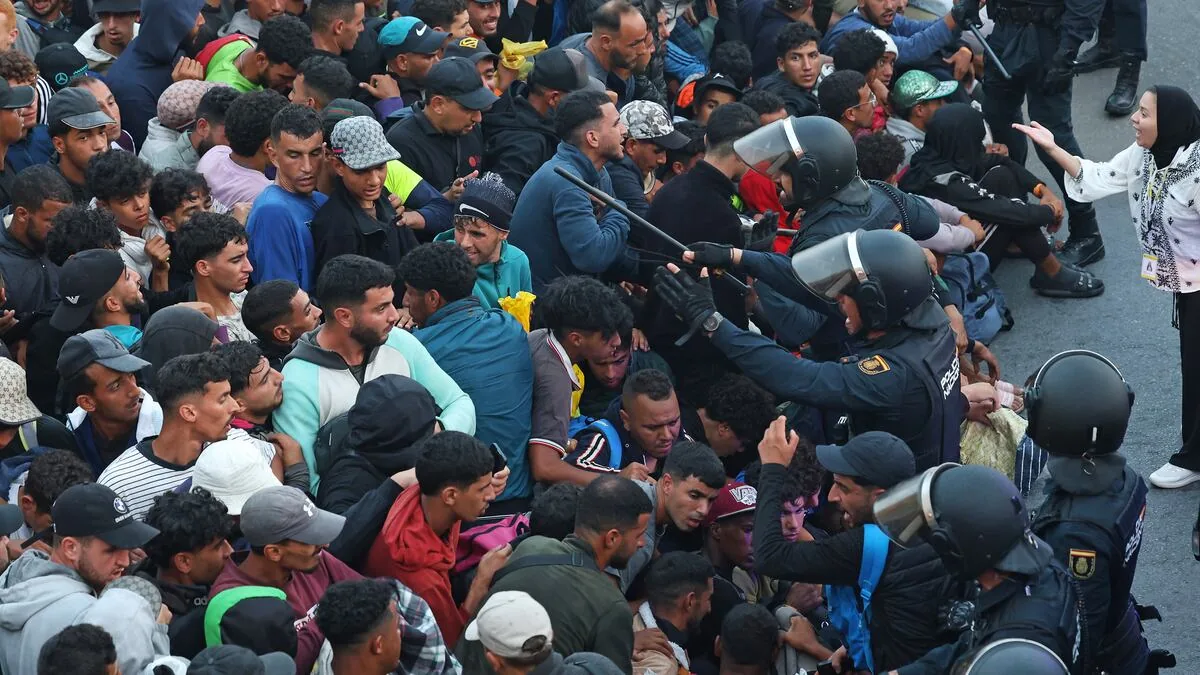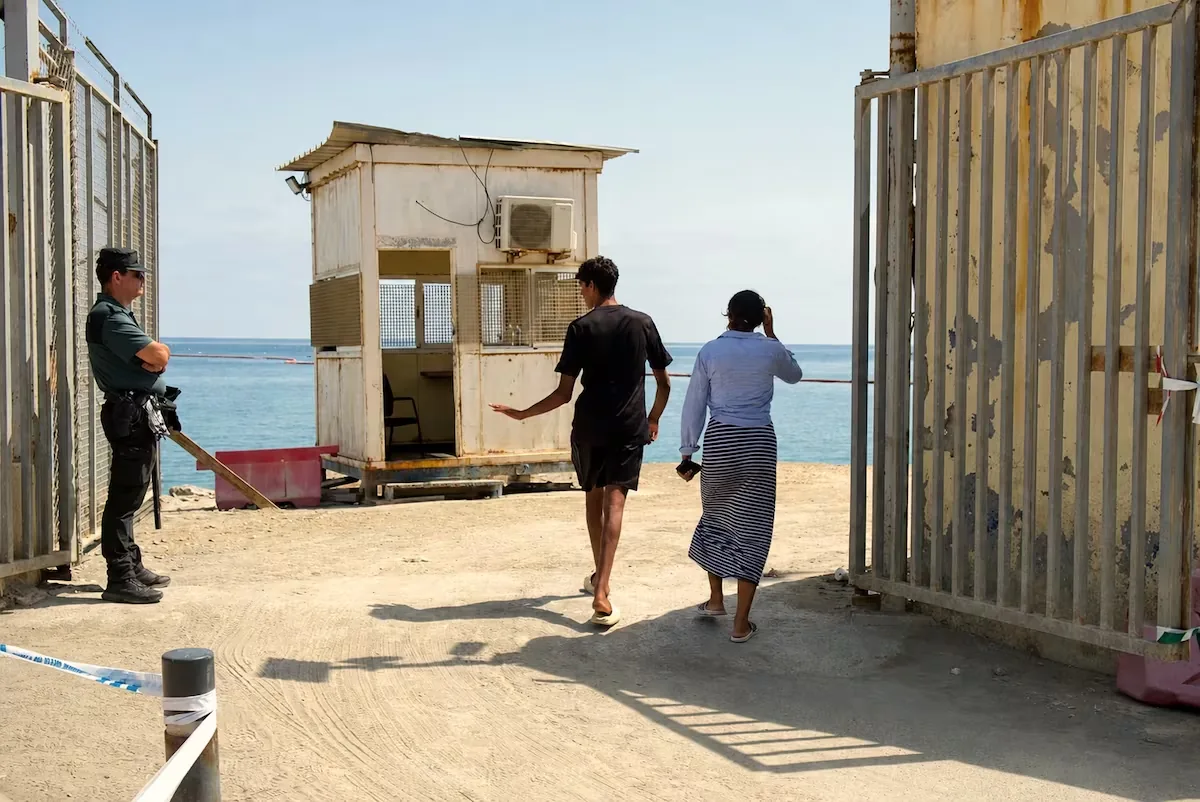
Tarek and his sister Salma arrive looking at the ground and dragging their feet. They came to Ceuta with nothing and leave with nothing through the border. Not a tear nor a glance back when they leave Ceuta. Both describe the last month as “the worst” of their lives. However, broadening the view, their adventure has broken a city, is framed in a crisis with international ramifications, with Russia, Israel, and Italy in the spotlight, and has put Pedro Sánchez’s Government facing its greatest migration emergency. “I can’t take it anymore, I’m leaving. I still don’t know why I came,” says Tarek, 20 years old, before leaving Ceuta towards Morocco by a dirt road — the only one enabled for those who entered illegally and decide to return — beside the passport control. “I want to go back to school,” adds his sister Salma, 17 years old, who decided to join the caravan to enter Spain without really knowing why. Tarek and Salma have spent a month together protecting each other and this Monday they begin their return to Oued Laou, two hours by car from Ceuta and five from Melilla along the coast.
Read more Breaking ties with family: why many people choose zero contact
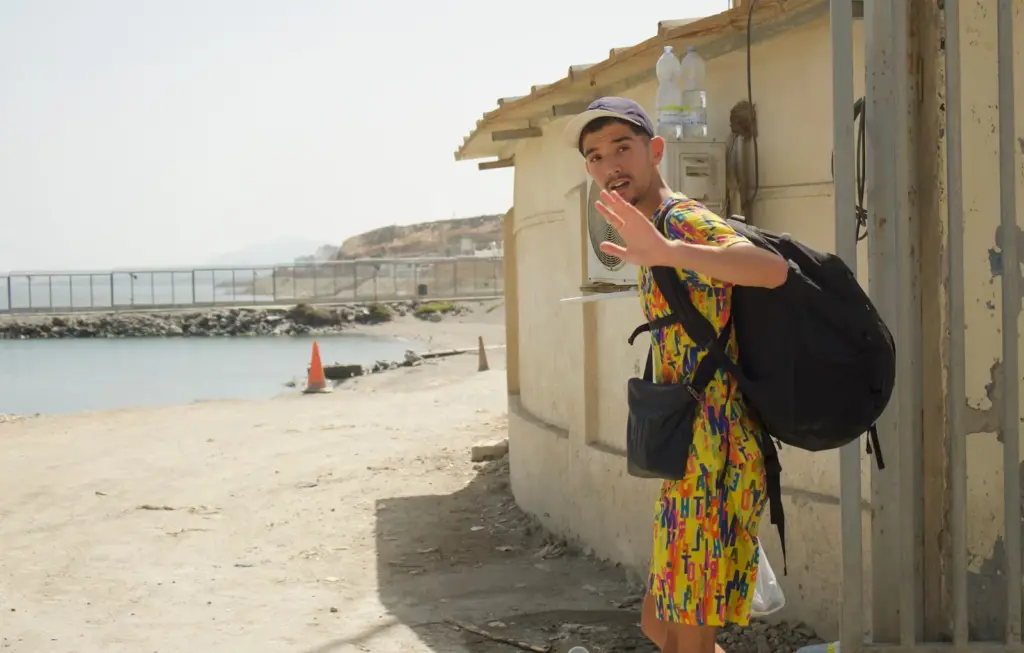
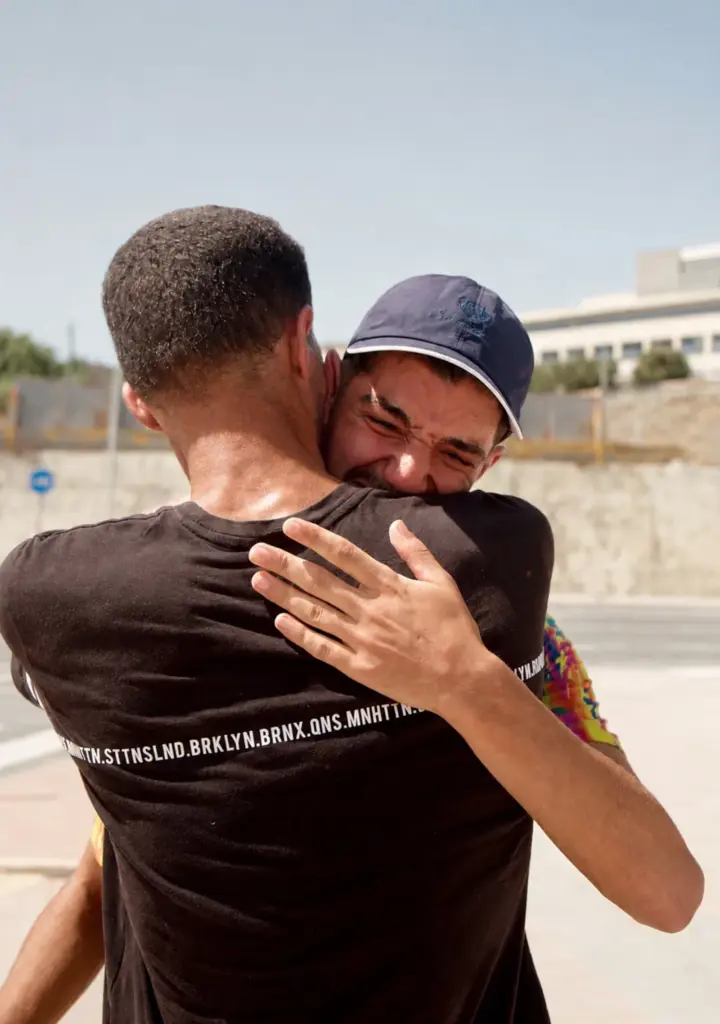
Half an hour later, Karim Molahid appears. He is 20 years old, alone, and limps when walking. Someone hit him at night with a stick and his ankle is swollen. “This is not life. I’ve been living like a rat for a month. Sleeping on the street, eating what I can or what they give me. My body hurts and my phone is broken,” he says showing a phone with a cracked screen. “My mother has gotten sick and I want to go back,” he says crying before starting the journey to his village near Casablanca.
It is not hard to spot those leaving Ceuta. Swimsuit, flip-flops, defeat on their faces after 30 days sleeping outdoors. Some more, some less, but most carry some injury: a wound on the back, a bruise on the leg, three stitches on the head. Some got them trying to reach Ceuta the day more than a hundred people died and others got them during the night. “This way,” a civil guard tells Karim so he knows he must leave by the dirt road and not through the official booth with scanner and passport control.
According to the Government Delegation and sources from the unified command, about 162 people leave Ceuta voluntarily every day. The figures collected without greater scientific rigor than daily observation, data from the newspaper El Faro, and the gaze of the agent who watches the strange border under the sun are lower. On Tuesday, August 25, a week ago, 60 people left during the day and 30 at night. Last Thursday, 60 teenagers and on Friday 50 boys during the day and 10 at night left Ceuta voluntarily. If the official data is accurate, of the nearly 8,000 people in Ceuta, discounting about 2,000 minors, the crisis would have ended alone in five weeks.
“They will all end up leaving,” says Abdl Kazar, 32 years old, before turning his back on Ceuta and starting the journey back to Jadiada, a village near Rabat. Kazar arrived swimming, but carries a leather bag with clothes hanging from his shoulder. “A relative from Holland brought me the clothes,” he explains. “My uncle was returning from Morocco after the summer, so he took the opportunity to come to Ceuta with his European passport and gave me clothes for these days and then left,” he details. “But I can’t take it anymore,” he says before starting to walk towards Morocco.
Every day there is a trickle of teenagers returning home, which contrasts with paradoxical scenes. On Sunday, a boy no older than 11 years arrived walking at the border to return to his village “because he didn’t want other boys to keep hitting him,” says the affected border agent. However, he was not allowed to leave. The protocol requires that, if a minor, the National Police come, take his data, and send him to a youth center.
The President of the Government, Pedro Sánchez, attributed the massive entry of almost 80,000 people into Ceuta to the spread of “rumors and misinformation from social networks linked both to Russia and Israel and to an ultra-right international,” he said on Cadena SER. When the teenagers explain the reasons why they were encouraged to come, they are quite similar to this. They all agree that they were encouraged to come on any given day and with no more preparation than a backpack, a couple of t-shirts, and the phone. “My mother called me and told me she heard on the radio that the Ceuta border was open,” says Tarek. “I read it on Facebook,” explains Karim. “I heard people from my village talk about this and I got encouraged,” recalls Abdl.
When they explain why the rest of the Moroccans do not leave Ceuta, Abdl says they prefer “to hold on there rather than return defeated to their village after stepping on Spain.” Others, however, say they do not understand that, if they are going to be expelled, they have set up such large tents and there are so many Red Cross vehicles attending them. “Maybe they are preparing to take us to Madrid,” he says.
“Do you understand the anger of the people of Ceuta?” “Yes, they are right,” says Tarek. “I only came to work, but this is not what I thought. The fault is the King of Morocco’s,” he says resigned.
The Tarajal border is one of the places where some of the boys fare best. Moroccans with Spanish passports enter here who take pity on them and give them bread, some coins, or some clothes. Others resist on the Spanish side crowded next to the fence that separates both countries because it is the only point where they can catch the Moroccan phone signal. It is the only thing they care about from the country they left.
Read more “The reaction of the Moroccan authorities on Ceuta seems vile to me”