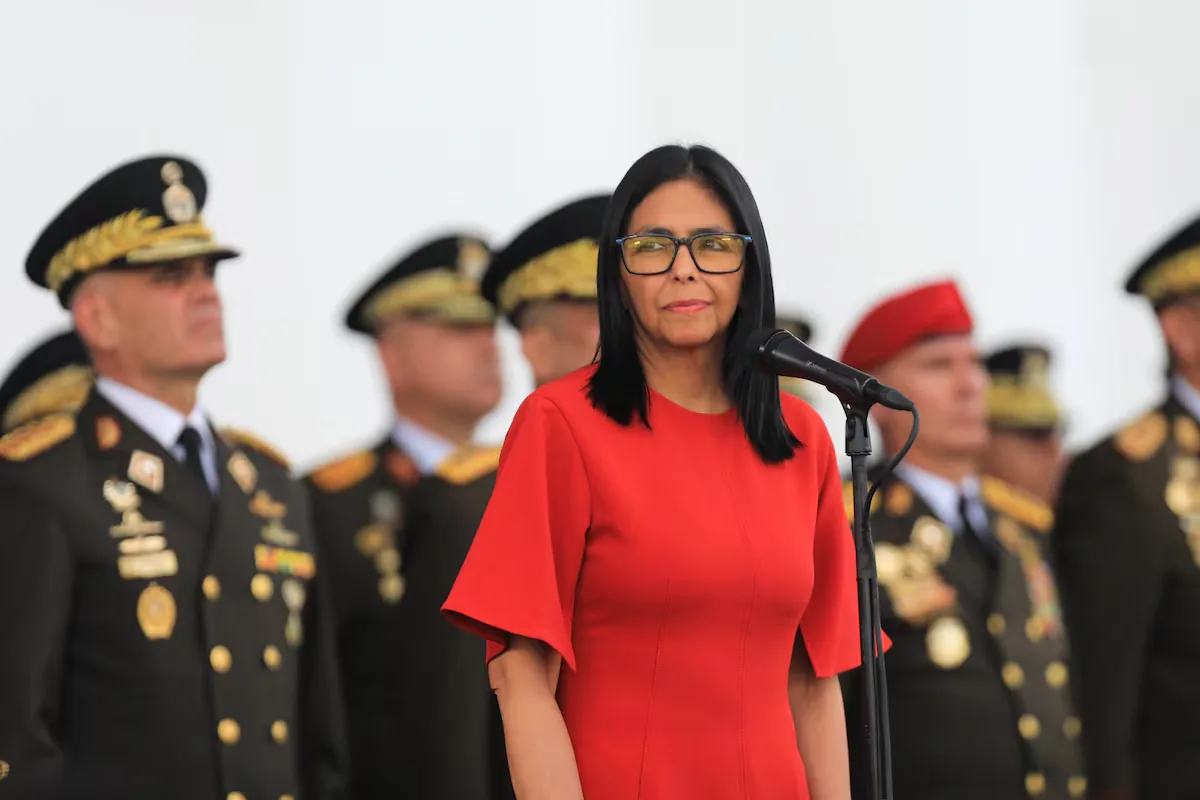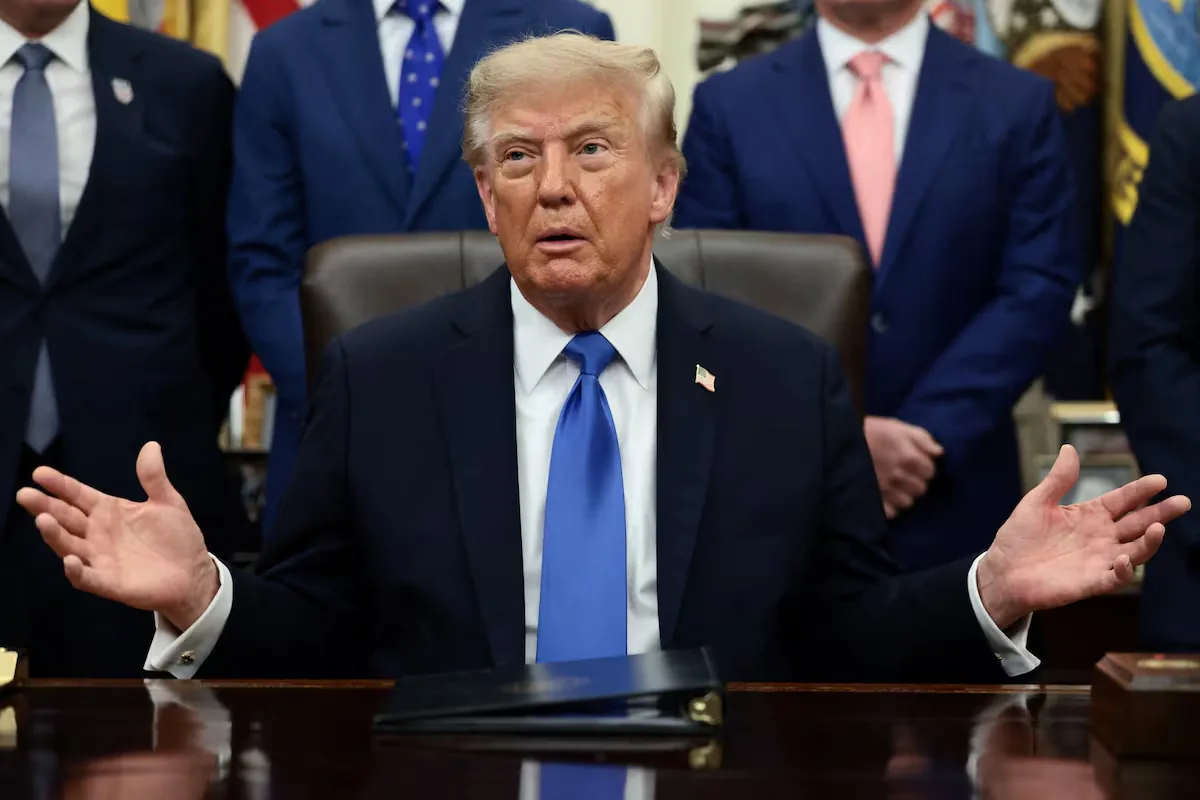
When will Venezuela hold elections? The President of the United States, Donald Trump, has made it clear that we will still have to wait. In statements from the Oval Office, the Republican assured that the South American country is still “not ready” for elections, although he hopes they can be held soon. According to him, the interim president, Delcy Rodríguez, “wants” them to take place and he does too.
Read more The United States Secretary of Energy promotes new oil agreements in Caracas
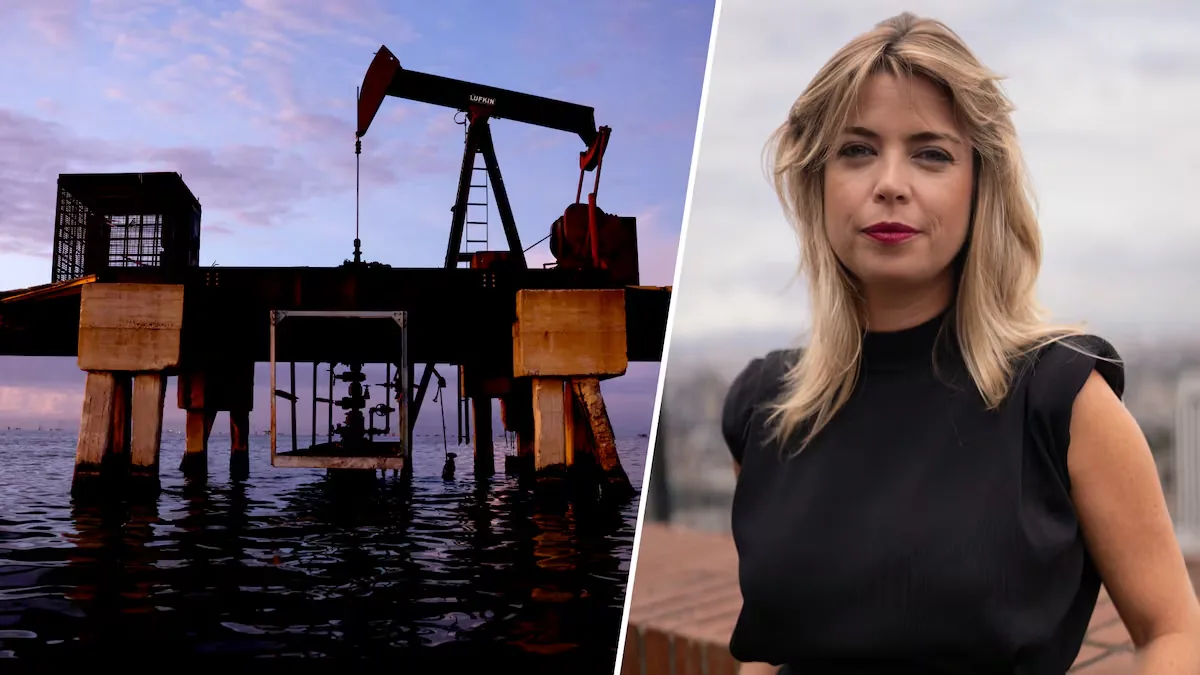
Trump spoke after the agreement that gives the United States control over one-fifth of Venezuela’s oil reserves. The pact, through which the U.S. Administration will take a stake in the Venezuelan private company Nabep, owned by millionaire Alejandro Betancourt – investigated in Switzerland and Spain – has received numerous criticisms. Among them, the possibility that it could serve as an incentive to keep the interim government in power and delay or discard the democratic transition process.
“I don’t think they are ready yet. It’s [a Venezuelan government] very new, we took them out of a dictatorship and we get along very well with the Government. Delcy, as you know, is doing a very, very good job. She is very respected and we want that [elections] and they want it too. Delcy wants it, but they are not ready yet,” the president told the press.
The Republican added that, although he considers the country is not ready yet, he believes elections could happen soon. “We hope to be able to do it soon,” he said. He did not specify what he considers necessary to happen in order to call elections, nor if he is considering any kind of deadline.
His statements reiterate what has been his government’s position since the military operation that captured Nicolás Maduro on January 3 to transfer him to New York to be tried on drug trafficking charges. The Republican Administration, which has assumed guardianship of the South American country, claims to follow a three-stage roadmap, in which the first two are the reconstruction of the oil sector, the country’s economic engine, and stabilization. The third phase of the transition would include holding elections.
In statements to the press on Tuesday, a senior U.S. Administration official who spoke to the press on condition of anonymity ruled out setting a deadline for holding elections in Venezuela. “It would be an artificial deadline,” the official said. “But we want it to be as soon as possible, once the conditions for it are met.”
The U.S. representative asked for patience, recalling that Maduro was deposed nine months ago. “It’s not just about holding elections. It’s about holding elections that will yield a lasting republic, that will lead to a stable country.” He also referred to the importance of the dialogue process between the interim government and opposition representatives, which will hold new sessions in mid-September.
And he added: “Elections by themselves do not solve all problems. They are a precondition for democracy, but democracy is more than elections. It is the stability that allows a country to function in economic and legal areas. It is having a free press. It is having political parties that have had enough time and space to organize. It is having a clean electoral process that people can trust. It is a legal system that does not disqualify candidates.”
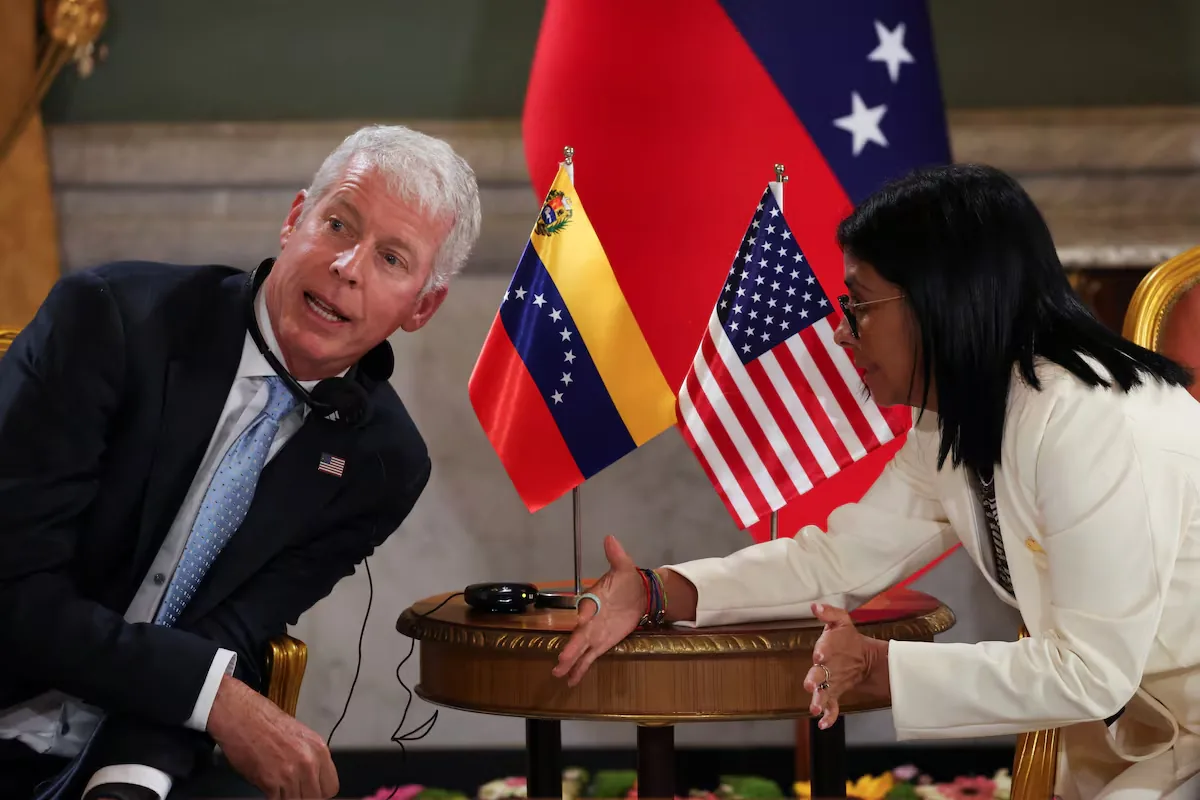
After the United States captured and deposed Nicolás Maduro last January, the Trump Administration strengthened relations with the new Government of Delcy Rodríguez, who was vice president of the Chavista Executive, and restored diplomatic relations with Caracas.
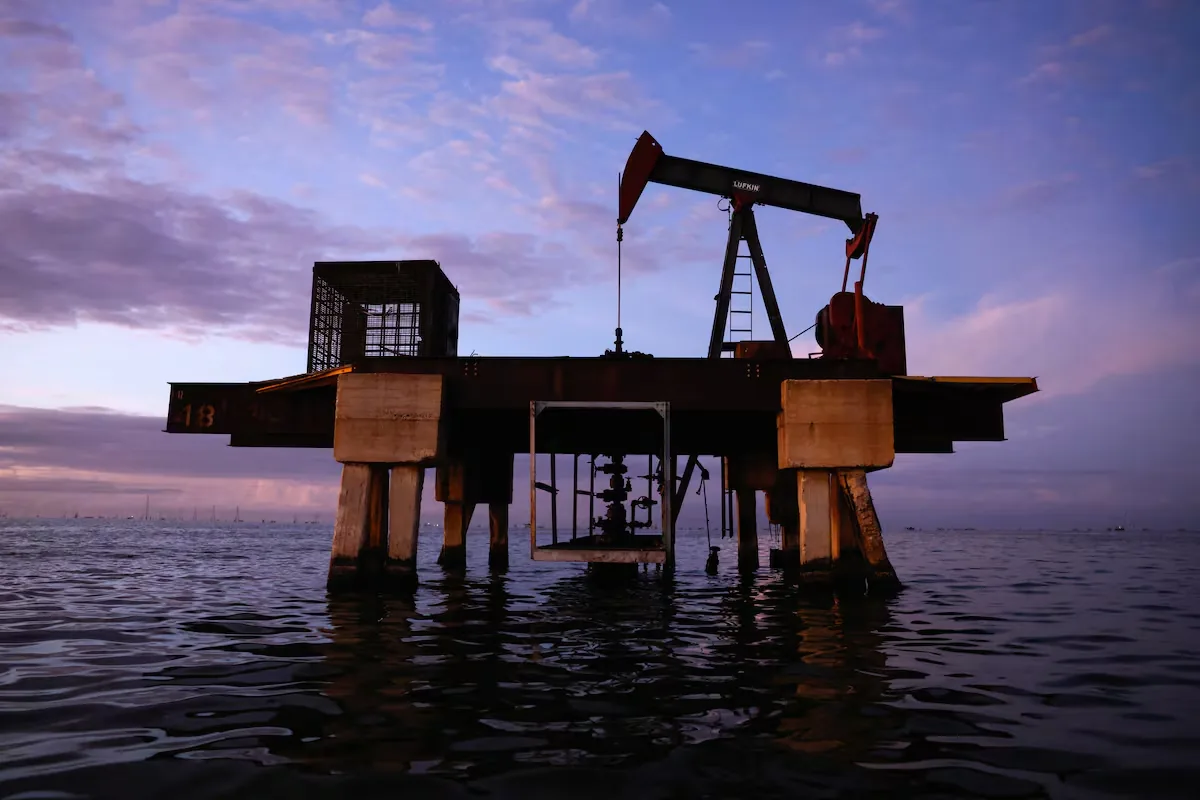
Trump announced last week an agreement, which he called “historic,” under which the United States will have control over the exploitation of 17 oil fields in Venezuela that hold about one-fifth of the country’s crude oil reserves.
The agreement has been criticized by sectors that consider the pact shows that Washington is not interested in the democratization of Venezuela, but only in gaining access to its oil. The Trump Administration officially maintains that it continues to seek elections in the country, but that first its economy must be revitalized through this oil agreement.