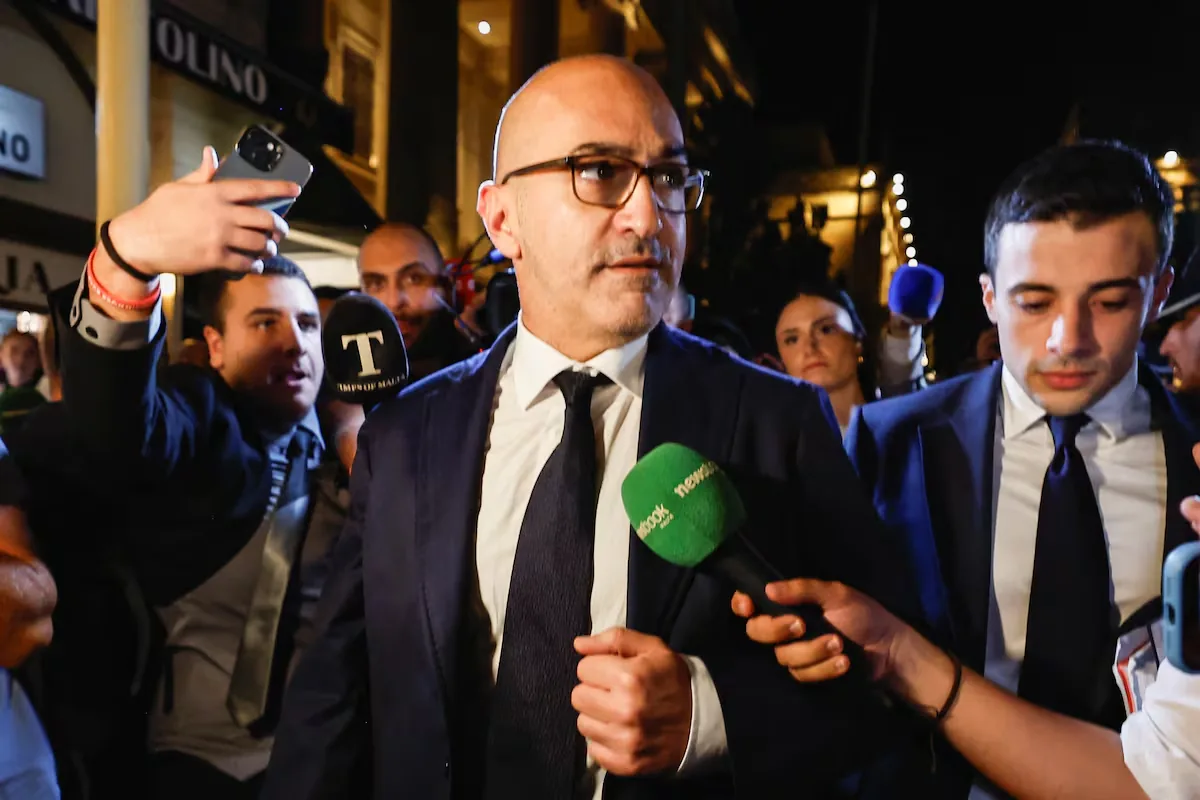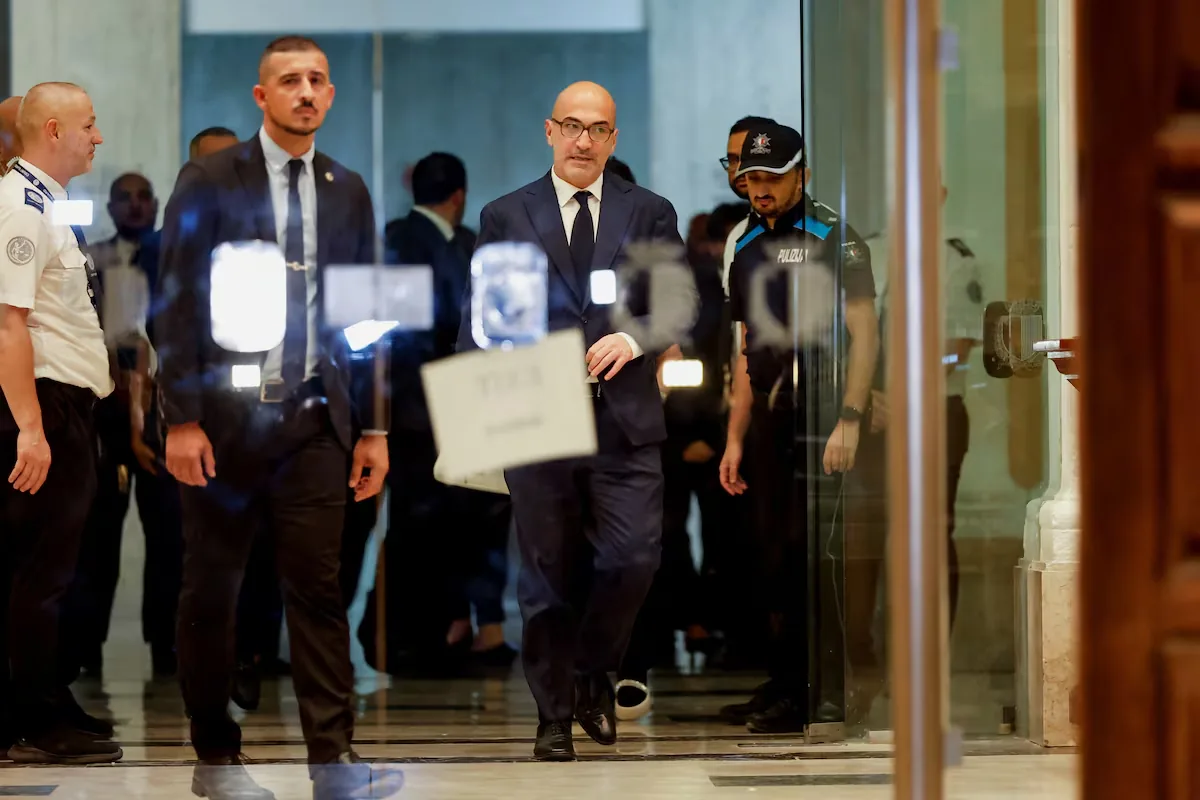
The acquittal of businessman Yorgen Fenech leaves the family of Daphne Caruana Galizia without an answer about who ordered the journalist’s murder, nine years after her death. A jury in Valletta, the Maltese capital, declared the businessman not guilty of the two charges of conspiracy and complicity on Wednesday, by eight votes to one. The family has stated that “justice means that no person should ever face the same risks again.” Faced with the unknown identity of who ordered the murder, they lament: “Our country did not protect Daphne’s life. It has the obligation to prevent more lives from being lost.”
Fenech left the courthouse amid shouts from those present who called him “murderer,” “trash,” and “mafia.” A few meters away, Caruana Galizia’s three children and her husband left the building in silence, without making statements. Hours later, the family issued a statement saying that the acquittal leaves open questions about corruption and accountability. They also maintained that, had she not been murdered, the journalist would have investigated the corruption links between Fenech and then Energy Minister Konrad Mizzi, as well as with the Prime Minister’s chief of staff, Keith Schembri.
The family has also been engaged in another legal battle since 2017. When she was murdered, Caruana Galizia had more than 40 defamation lawsuits related to her investigations open. In Malta, these lawsuits can be inherited, so her children and husband have had to take on her defense and continue the proceedings on her behalf.
In 2019, Maltese Melvin Theuma was arrested for money laundering. In exchange for a pardon, this taxi driver confessed to being the intermediary in the plan to murder the journalist and pointed to Fenech as the person who ordered the crime. The businessman was arrested while trying to leave Malta on his private yacht. The crisis sparked massive demonstrations on the island and ended with several resignations in the government, including the departure of the Prime Minister, also from the Labour Party, Joseph Muscat in January 2020.
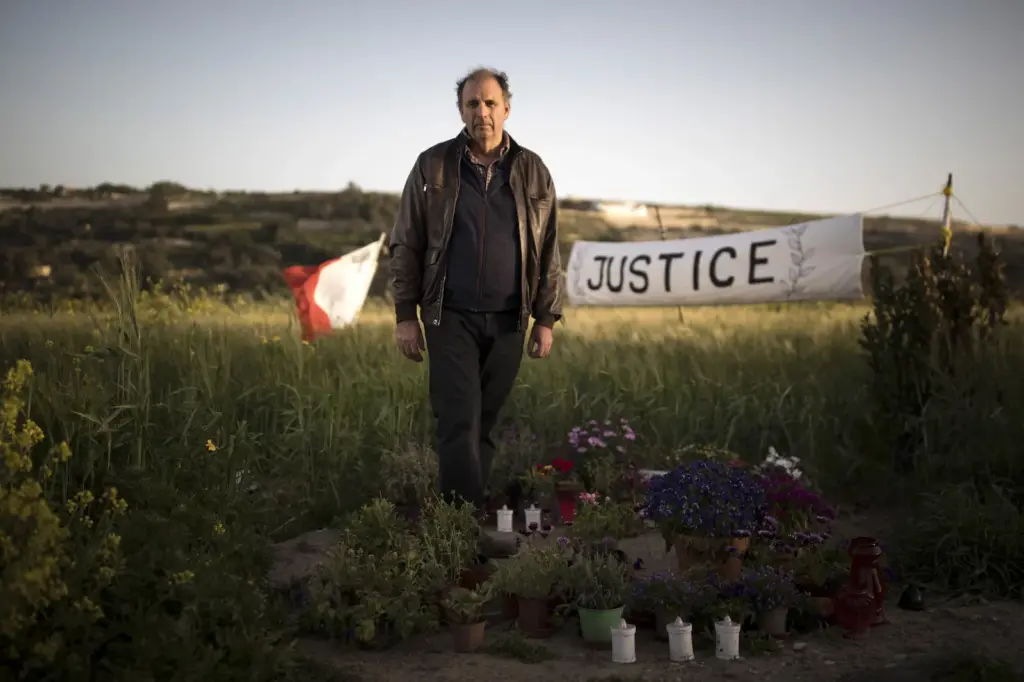
Maltese civil society shares this demand. Repubblika and Occupy Justice, two organizations that defend human rights and democracy, have called for accountability and pointed out that the verdict leaves unanswered questions about corruption, impunity, political interference, and state deficiencies. Repubblika has called in a statement through its spokesperson for a “national review of justice” regarding the corruption case the journalist was working on. The Maltese Journalists Institute has also expressed its disappointment and demanded that the police exhaust all lines of investigation, including those that may involve former political leaders.
The opposition has also demanded explanations. Alex Borg, leader of the Nationalist Party, has called for a silent demonstration in front of Parliament and requested an urgent session to debate the trial’s outcome. Borg has maintained that the case cannot be considered closed and has questioned the State’s performance in the investigation.
Read more El Valencia, in a war economy, pins its future on the New Mestalla
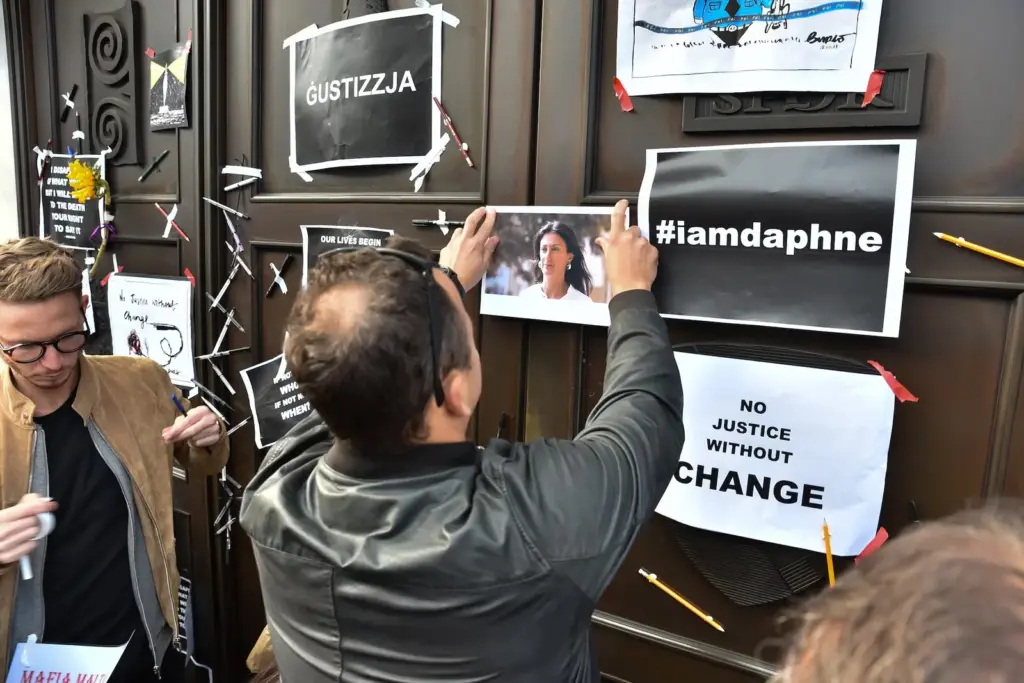
The Maltese government, led since 2020 by Labour’s Robert Abela, has limited itself to noting that it has taken note of the verdict, has called for “prudence,” and has promised new rule of law reforms, without specifying them.
Caruana Galizia’s murder is attributed to her investigations into corruption within Maltese power. In 2016, following the Panama Papers, she revealed that the Energy Minister and the chief of staff had created secret companies in tax havens. She also investigated the Maltese companies Electrogas and 17 Black, the latter created by Fenech in Dubai, which received 5,000 euros in daily income. The family believes the murder sought to prevent investigations into the shell company 17 Black and its financial operations.
This network is the subject of a judicial case separate from the murder. Fenech, Mizzi, Schembri, and others are accused of bribery and corruption related to the Electrogas project, while Fenech also faces a charge of bribing a police officer.
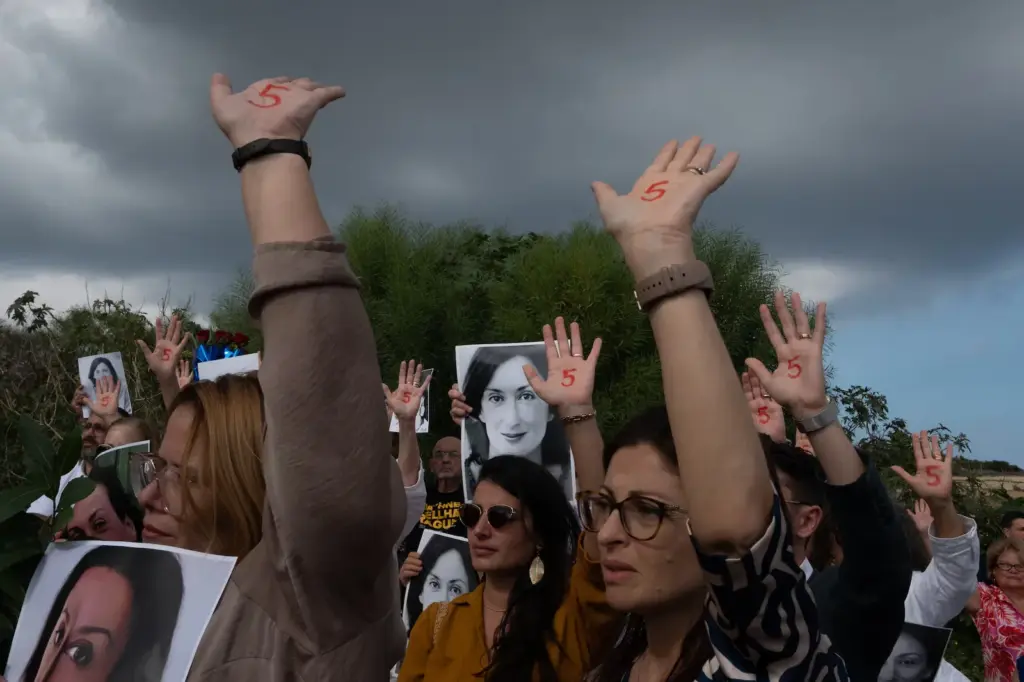
Caruana Galizia was murdered on October 16, 2017, with a bomb placed under the seat of her car. Five men have been convicted of carrying out or participating in the crime, but no one for ordering or financing it. Nine years later, that remains the main mystery of the case. The family has denounced that Daphne “has been denied justice” and has demanded accountability for all those who “allowed, facilitated, or protected” her killers.
Read more United States sanctions a grandson of Raúl Castro and key sectors of the Cuban economy