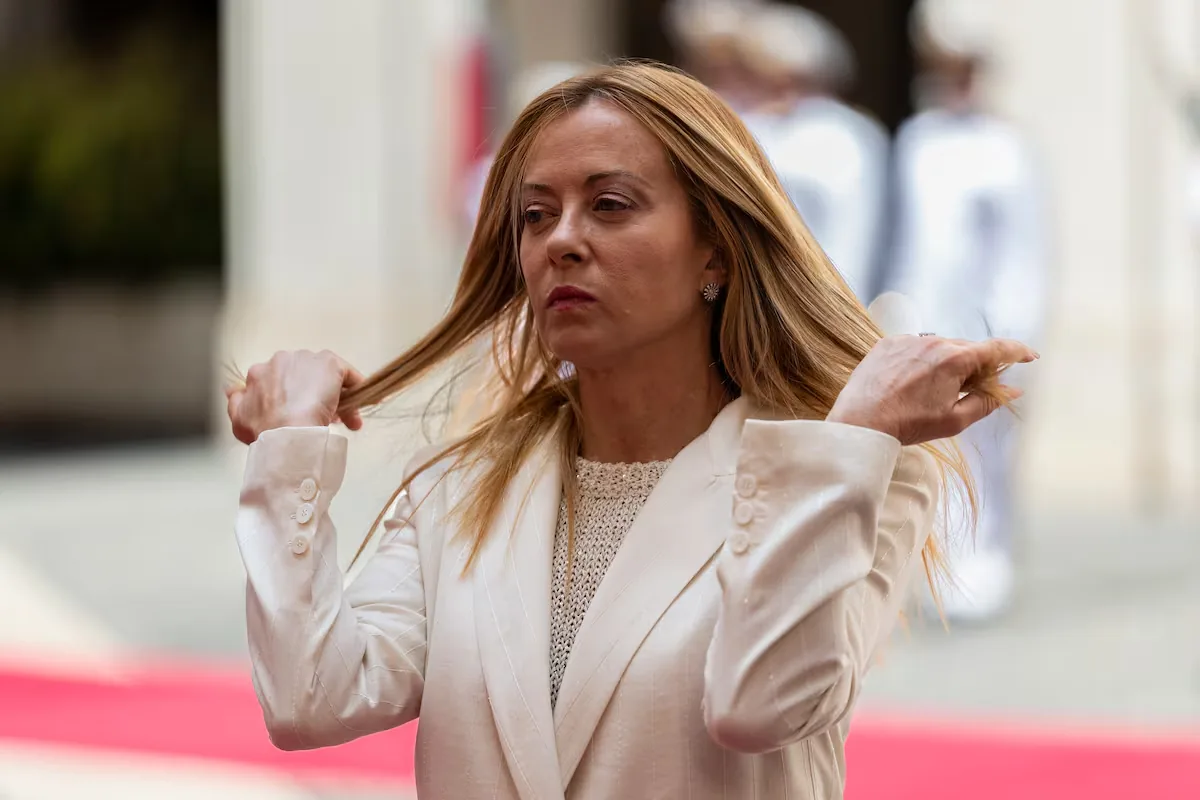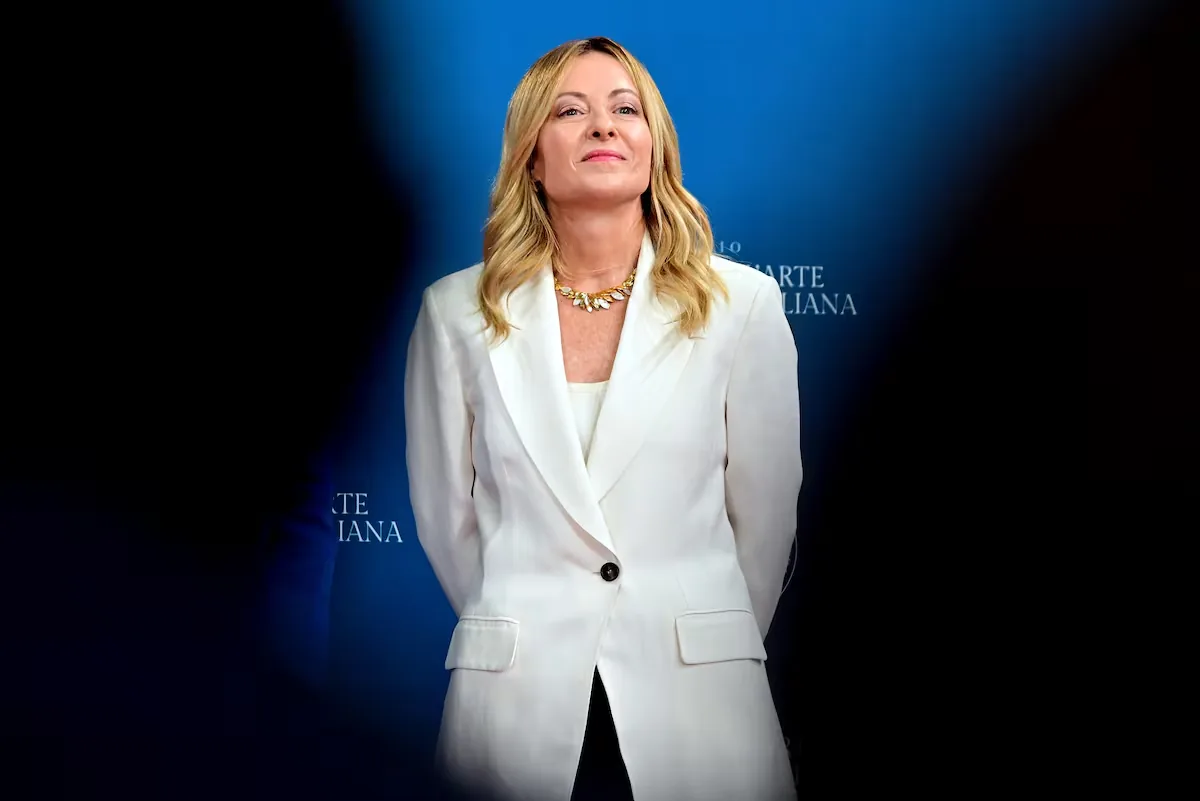
Remaining in office is Giorgia Meloni’s greatest achievement, in a country that for decades had an average government change every six months, and this Friday she celebrates a record: hers is now the longest-lasting government in modern Italy, since the post-war period. A total of 1,413 days (three years and ten and a half months), which already surpass the second government led by Berlusconi between 2001 and 2005, although in reality it continued for another year with a cabinet change, but technically it was already another government. The problem is that this record of the far-right leader is a double-edged sword, because during all this time, and having had more opportunities than anyone so far to undertake major reforms, the balance of her management is rather poor.
Read more The ideological differences between Le Pen and Bardella threaten the far right
Most analysts agree that Meloni’s main virtue has been maintaining the accounts in order and calming the markets, but she has barely impacted society. She has lowered the risk premium from 233 points in 2022 to today’s 80 and reduced the deficit from 8.1% when she took office to the current 3.1%, although she is still under an EU infringement procedure. And yet she is also criticized for the fact that the hidden stability is the result of total immobility. GDP growth is feeble, unemployment is 5.6%, but wages are low, and Italy’s spending is the lowest in the EU on education and among the lowest on healthcare.
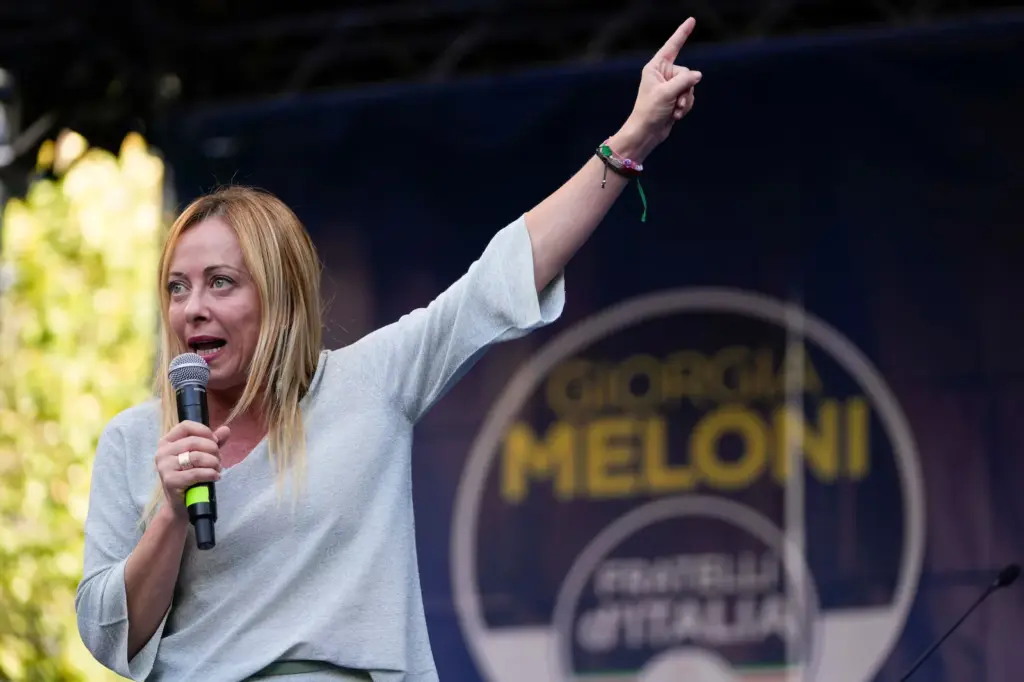
“Stability is a tool, not a goal; the goal of a country is to grow, and the truth is that Meloni has had no economic policy, the deficit has fallen without her doing anything,” says Veronica De Romanis, economist at LUISS University in Rome, very critical of the government. “The country is stagnant, and in economics that means going backwards. She has done nothing to avoid touching the interests of the groups that voted for her. Her priority has been to maintain consensus,” she explains in conversation with foreign journalists.
That is actually Meloni’s most astonishing achievement: in four years her party, Brothers of Italy, has not suffered wear, it remains at 26%, a unique case in Italian political history, and it is her two partners, Matteo Salvini’s League (also far-right) and Forza Italia (right-wing), who are suffering.
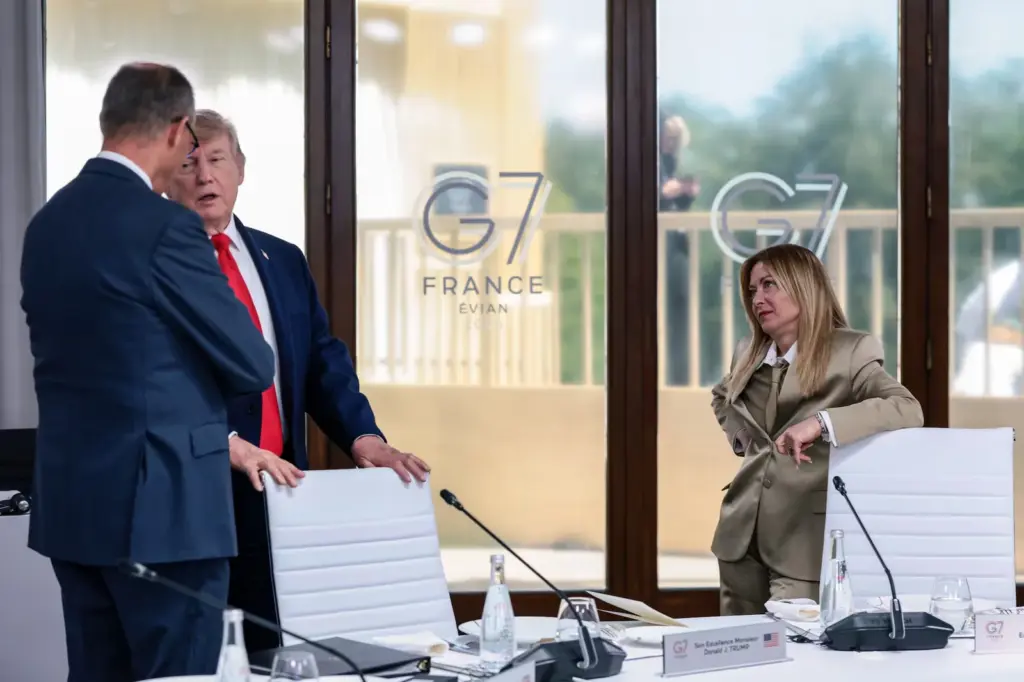
She has opted for pragmatism and the truth is that all her major projects to transform the country have failed: she abandoned federalism along the way, rejected by the Constitutional Court in 2024, and a new institutional design of the prime minister’s role to give it more power; the immigrant detention center in Albania failed, paralyzed by Italian and European justice; her justice reform was rejected in March in a referendum and marked the beginning of her disconnection from part of the electorate. She was also going to reform pensions and has not touched them, and was going to lower taxes but the tax burden is already 43.1%, the highest in a decade. Abroad, her biggest bet, the laudatory policy towards Donald Trump’s excesses turned out to be a boomerang when the magnate ended up snubbing her as well before summer.
Festive event in Bari to celebrate the government’s duration
Stability is precisely one of the few achievements she can boast of, although largely it is not her merit, but the electoral system that made it possible. With a seat bonus for the most voted coalition, and thanks to the left running divided in 2022 (and that is why the government now intends to change the voting system). In any case, Meloni has decided to celebrate her record in style with a massive event at the port of Bari, in the south of the country. In few countries in the world would simply lasting in power be celebrated, but in Italy yes: the event’s slogan is “The most stable government, the strongest Italy.”
The message to her voters is that she will need another five years. The electoral race for the general elections in April or May, if they are brought forward, which is most likely, or in October if the legislature runs its course, is already open. The event will serve the coalition to have a night of self-esteem and tribute in uncertain times. According to polls, it is not at all clear that they can win the elections again, something that would also be a record, as no one has repeated a legislature for decades. Governments always disappoint and another is tried.
Read more Sánchez opens up to Morocco’s authorship to ease the pressure
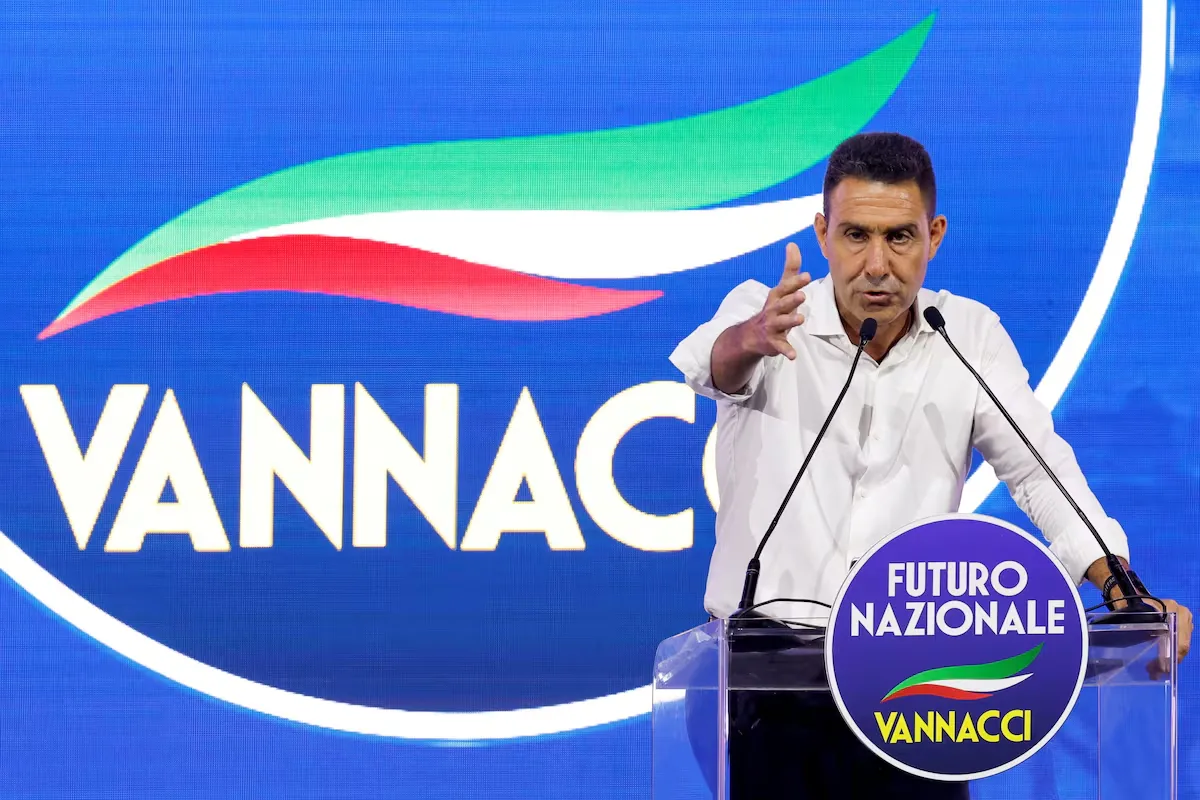
Meloni’s main nightmare is called Roberto Vannacci and his new party National Future, which proclaims itself as the authentic far right and competes every day to say more radical things than the government, which it calls soft and accuses of having disappointed expectations. It grows every month in the polls, which already place it at up to 12% of votes, even above Forza Italia and the League, a party in full leadership crisis and with a declared internal war.
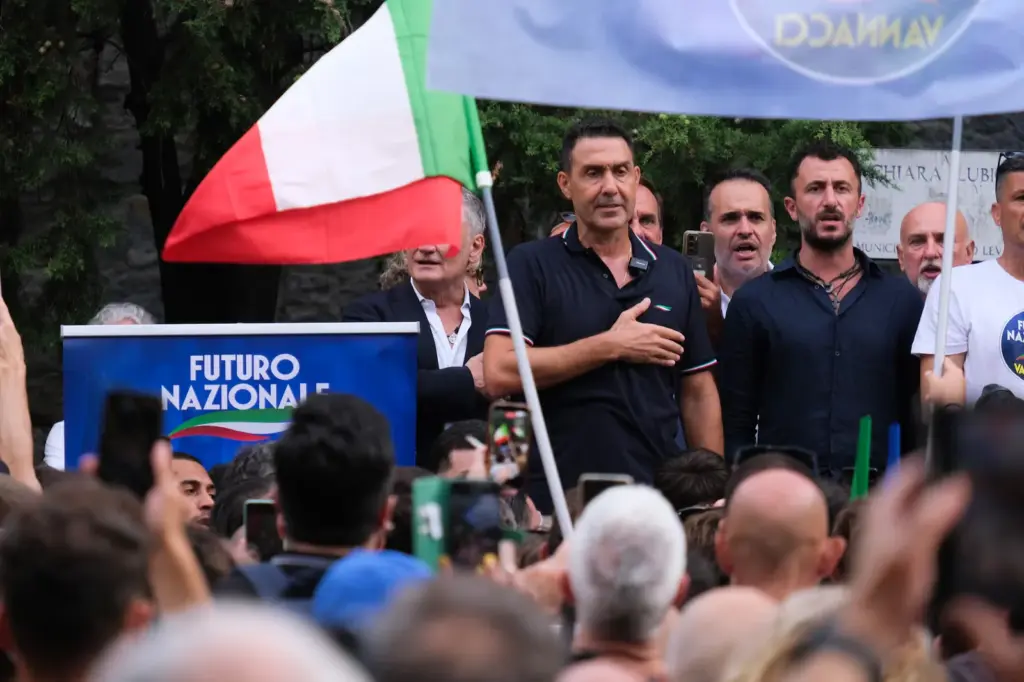
Interestingly, the most right-wing government in Italian history has had its biggest problem arise on its right. Just as she has balanced her support for Trump and the EU, Meloni has also had one foot in institutional pragmatism and the other in her most radical electorate. The ideological imprint of this government has been felt in restrictive measures on rights in security decrees and against immigration, and in the harassment of NGOs that rescue people in the Mediterranean. Also in the occupation of public television to a greater degree than usual and the poor relationship with the press.
But the paradox is that some of Meloni’s successes are based on having done the opposite of what was expected, coming from an anti-European and pro-Russian right: the understanding with the EU and support for Ukraine. She thought she had covered the far-right flank with Salvini, but the League leader is in decline and Vannacci has turned out to be a more barbaric and successful version of that anti-system profile. For Meloni the dilemma is whether to fight the ex-general or unite him to her coalition, because without him the numbers on the right to obtain a majority start not to add up.
As for the opposition, the fact that the government members did not fight among themselves has had another effect: the opposition has been forced to do the same. The Democratic Party (PD), the Five Star Movement (M5S) of Giuseppe Conte, and the Greens and Left Alliance (AVS), along with other centrist formations, have put aside their differences to show unity. Moreover, there has also been a record in the PD: on August 26, the secretary general, Elly Schlein, became the one who has lasted the longest in the position. This post has a reputation for being impossible, subject to continuous conspiracies from the party’s multiple currents. Since its founding in 2007, it has had ten leaders.
However, there is a big open fight: who will be the coalition’s candidate, as Conte also aspires to be. This is something they still have to resolve, and it will also depend on what the new electoral system ends up being like, since as it stands now it requires designating the coalition candidate before going to the polls, which would force the left to organize complex coalition primaries.

Meloni’s record, in reality, must be put into context. Government changes were frequent during the same legislature in the so-called First Republic, before the electoral system changed in 1994 precisely to overcome the country’s endemic political problem. With pure proportional systems, a fragmented Parliament always emerged, which forced the formation of varied coalitions of four or five parties (which in turn had several internal currents), prone to blackmail, the meticulous distribution of posts and, therefore, subject to friction and periodic crises. This led to constant changes of alliances and new government teams, although the prime minister was almost always the same, and that is why if you review the historical list you hear about the Andreotti VII government (his first cabinet lasted 8 days in 1972) or the De Gasperi VIII, that is the traditional jargon. This began to change this century, although Prodi’s 2006 government still had 11 parties plus an independent minister, and that is why the longest governments have come in recent decades. Culminating in the current one.
Read more The visit of Pope Leo XIV to Argentina: possible scenarios for receiving the pontiff in November