








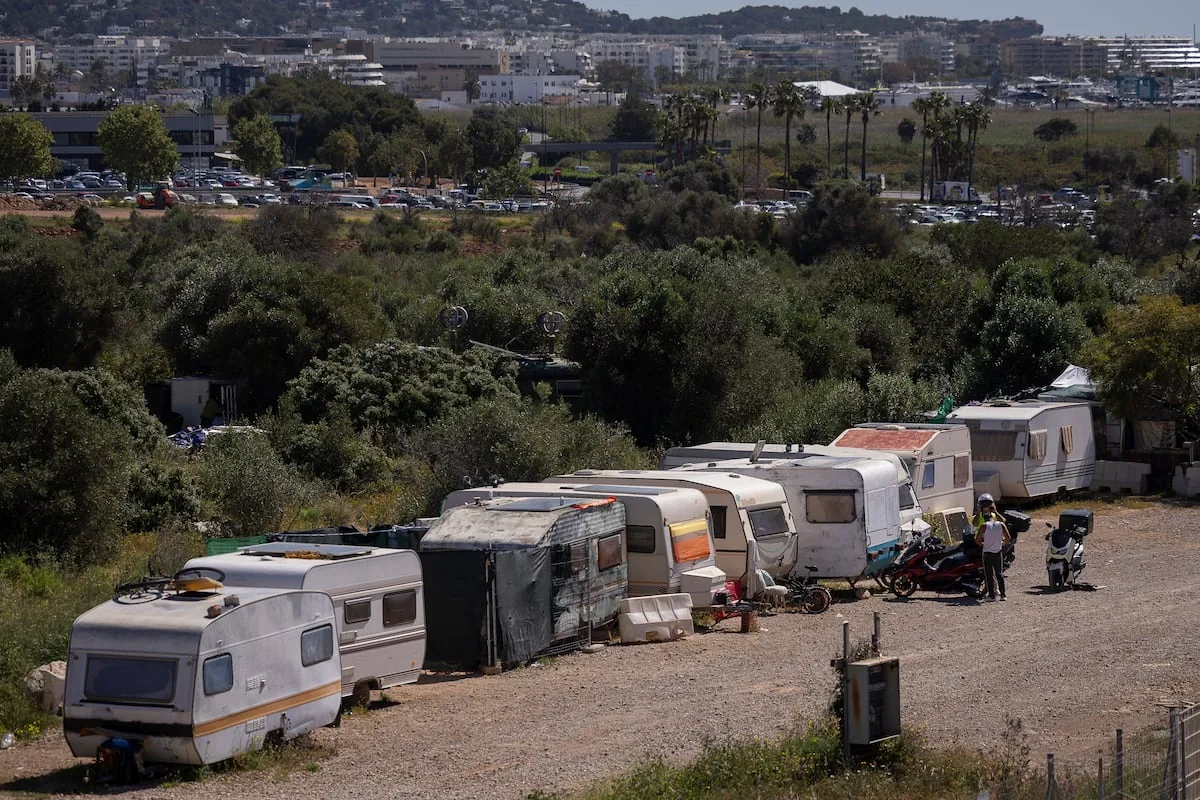
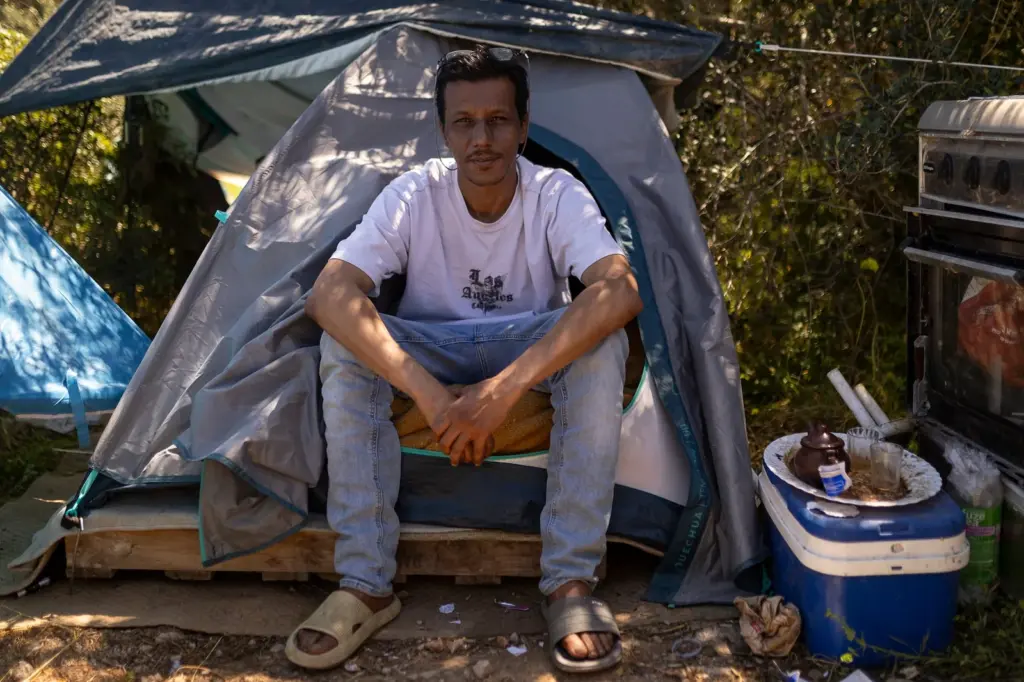
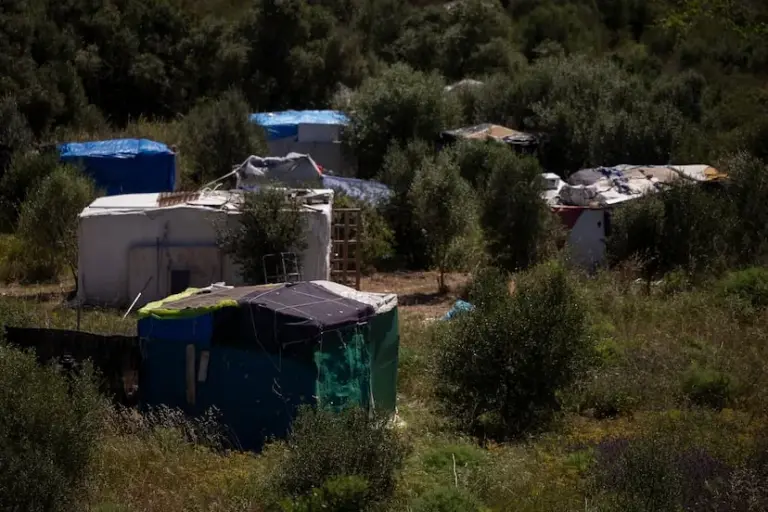
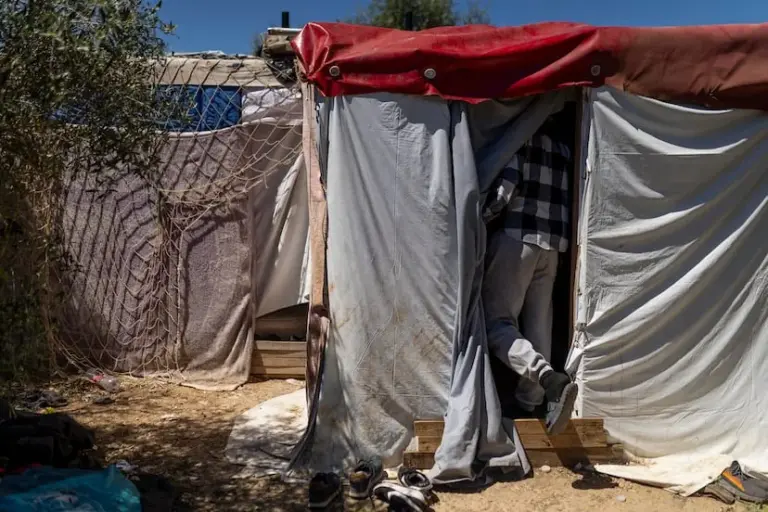
Ahmed, 35, originally from Western Sahara, worked on Friday morning at a five-star hotel. In the afternoon, at the end of his shift, he returned to the shack he had built with wood and cardboard on a plot of land dotted with shanties located in the Sa Joveria area, next to Can Misses hospital in Ibiza. Ahmed’s story is that of many others and has been replicated for years. Workers who barely survive in shacks built with wood, in caravans in dubious condition, or in tents bought from a popular sports goods store. They cook outdoors with butane gas cylinders, get water from public fountains, and wash themselves in sports centers, gyms, or at their workplaces. It is the only resource that dozens of people have found in a wild society that demands almost their entire salary to obtain a legal rental.
Read more Response to Trumpist chaos
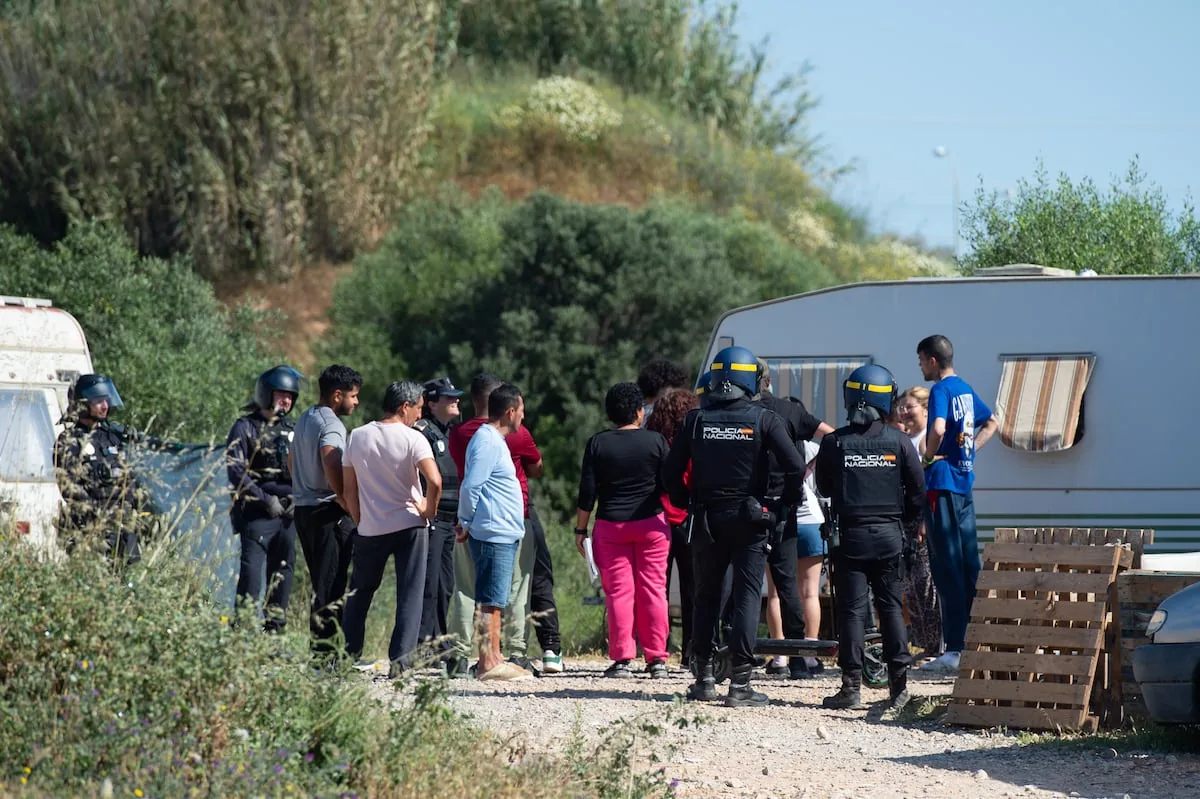
Around 200 people who have been living for months on two plots of land located in the Sa Joveria areas and on a plot next to the Can Misses football stadium will be evicted from these settlements throughout April. The drama for many of them is that they are repeat offenders: they were already evicted last July from the huge Can Rova settlement in Santa Eulària, where more than 200 people lived. And when they are evicted again, they will have to start over.
The first eviction will be from the Sa Joveria plot, scheduled for Tuesday, April 21, at ten in the morning. It affects about 130 people, according to counts carried out by the Ibiza Local Police and the City Council’s social services, although after the eviction notice, many of its inhabitants have decided to move to other places and the number has been reduced to just over 70 people. It is a private plot whose owners received repeated requests from the City Council for its adaptation due to the environmental risk of contamination and public health risk posed by the installation of tents and caravans. However, given the owners’ inability to do so, the City Council initiated a judicial process that on March 20 authorized the entry, dismantling, and cleaning of the plot, which will be fenced once evicted.
“The city of Ibiza has a significant housing problem, but we, as the administration, cannot tolerate this becoming a way of life,” warns the city’s mayor, Rafael Triguero, of the PP, who recalls that the government team has been fighting for months to prevent settlements until they were able to obtain judicial approval to eradicate “this habitual way of life that was spreading throughout the city.” The mayor emphasizes the danger of keeping the plot occupied due to its proximity to Can Misses hospital and the risk of fire and accumulation of waste. Among the documentation presented by the City Council to defend the eviction in the judicial process are reports from various entities, such as the municipal police and Can Misses hospital, which warn of the risk of unauthorized entry into the health facility, problems due to lack of potable water, and the proliferation of mosquito, rodent, and insect pests.
80% of the inhabitants of the Sa Joveria plot are Sahrawi seasonal workers, employed in the construction and tourism sectors. This is the case of Mohamed, 38, who barely survives in a tent while trying to find work, or Adem, 26, who has worked for months in hospitality as a gardener and is currently looking for a new job.
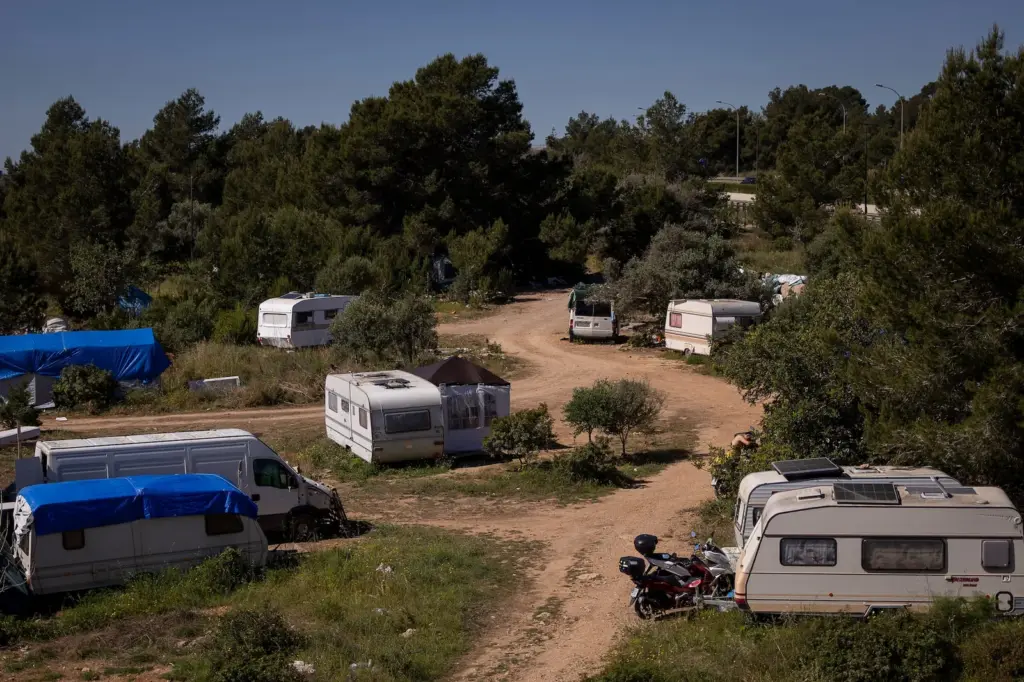
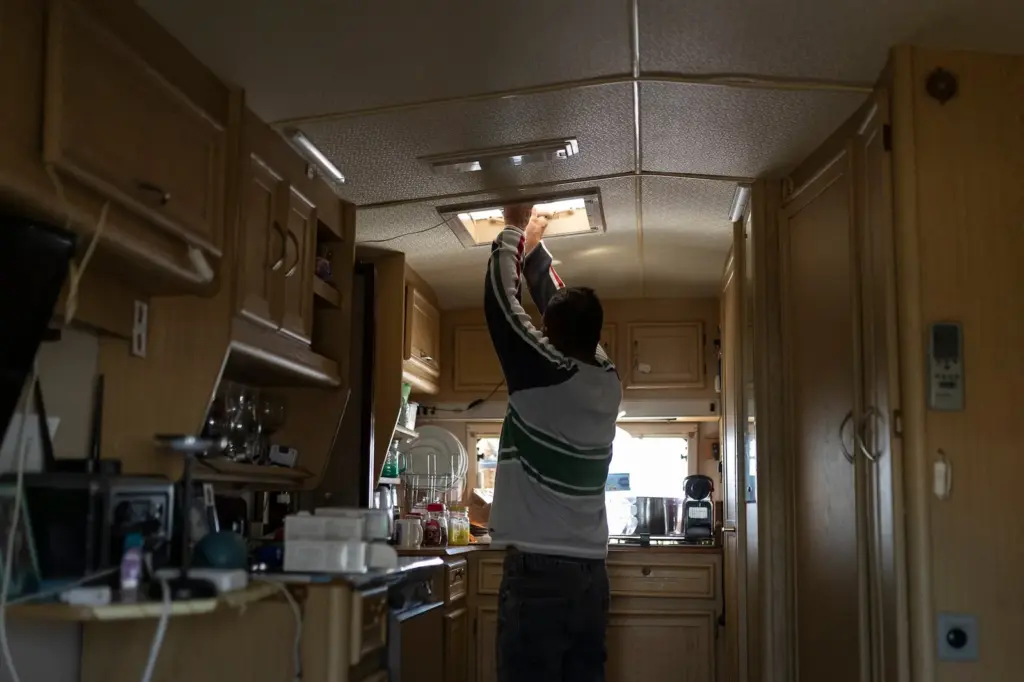
There are also women in the settlement, such as Sofía, who a few days ago told Radio Ibiza that she had been living in a caravan with her partner for over a year because her hotel job couldn’t cover the 800 or 900 euros being asked to rent a room. Lucía also lives in a caravan; she works as a cleaner at Can Misses hospital but her salary isn’t enough to rent a room, something she also rules out because she prefers a caravan for herself alone rather than sharing with more people. “The Consell should enable minimum spaces to cover priority needs, they should consider enabling specific areas,” she urges.
There are also families with minors in their care who are already monitored by municipal services, which have opened six vulnerability files for people the City Council is supporting. In an urgent situation is Agustín, a 54-year-old Ecuadorian who worked in a bakery in Ibiza for two decades, but who has a declared disability that prevents him from working after overcoming cancer two years ago and undergoing surgery very recently. He lives in a caravan, where he ended up because he couldn’t afford rent, and these days he wonders what his future will be.
Read more Playing with the language of Ali Smith
Housing Drama
The proliferation of these settlements is just the tip of the iceberg of the housing access problem, of which Ibiza is the national epicenter, combining several elements that create a perfect storm: scarcity of land for new construction, being an island, and overwhelming demand as a territory dedicated to the service sector. The data corroborates this: Santa Eulària des Riu exceeded 6,000 euros per square meter last year, breaking all existing records, according to data from the Ministry of Housing and Urban Agenda. In the city of Ibiza, according to data from the real estate portal Idealista, the price of a square meter for rent stood at 29 euros last month, 14% more than a year ago, which puts a 75-square-meter apartment at a price of 2,175 euros per month. The room rental market operates independently, and on the main Telegram channels, prices do not fall below 1,000 euros for single people and 1,300 euros for couples.
Social entities have been warning for years about the changing profile of the users they serve. This is corroborated by the coordinator of Cáritas Diocesana Ibiza, Gustavo Gómez, who speaks of a large group of people who previously could access a room through public aid, but for whom this is no longer enough to sleep under a roof. “At least now they don’t have to choose between paying rent or eating, because thanks to the help we offer, they can guarantee food,” he laments. In the report for 2024, the entity confirmed that most of the people assisted by Cáritas Ibiza are Spanish nationals, active workers who have arrived from other provinces to make a living on the island, and also long-time residents who have exhausted all family aid.
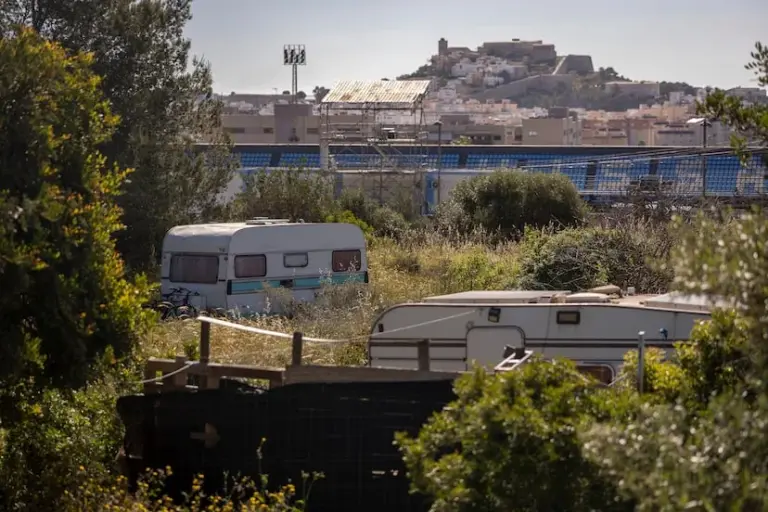
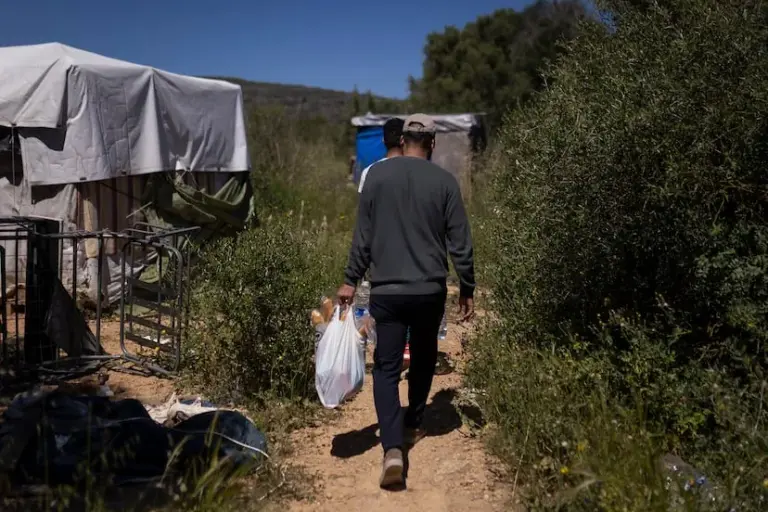
Through the Nazaret shelter, which the entity manages in the city, they have provided refuge to mothers with young children who were evicted from the Can Rova settlement last July. However, it is a temporary resource with a maximum of 23 places, where families can stay for three or four months at most, because neither they nor the Administrations have “anything definitive” to solve the problem. “We are experiencing the situation with concern,” says Gómez, who believes that with the inhabitants of these settlements, the same thing will happen as in previous cases, and they will end up looking for new land “to try to live as best they can.”
The eviction planned for the Can Misses land on April 29 will be added to the Sa Joveria eviction, where between 70 and 80 people live, also workers, and a good part of them from the Can Rova plot eviction. In this settlement, the profile is diverse, with multiple nationalities and occupations, distributed in caravans and shacks where they have endured the entire winter and will now be left without a place to take refuge.
The mayor of Ibiza has already warned that the Local Police will ensure that its inhabitants do not occupy another plot to settle. “We understand that these people will naturally move to other locations, and we will maintain permanent surveillance. They might move to other municipalities, perhaps,” acknowledges Triguero, who emphasizes the need for the majority of the influx of seasonal workers arriving on the island at this time to arrive with dignified housing solutions. A chimera, for now, on a completely strained island.
Read more Camila Cañeque’s posthumous novel: a «radical exploration of language»