









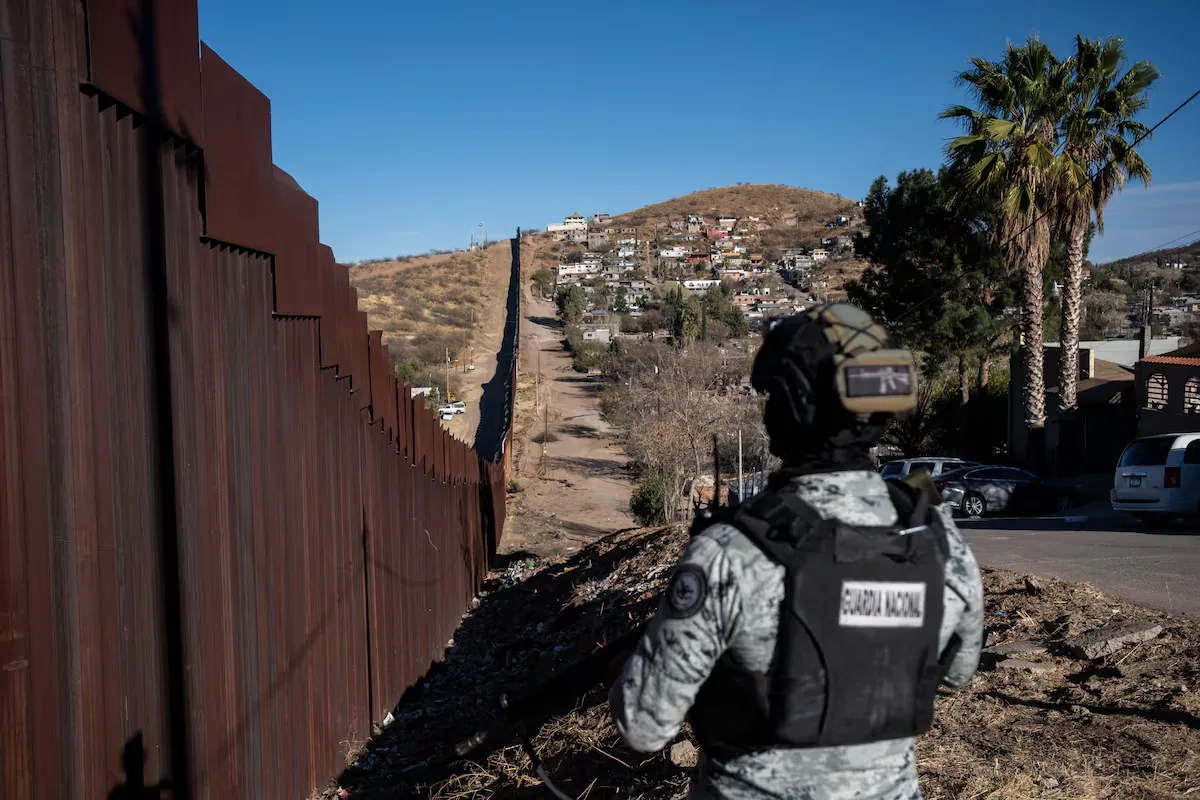
A threat whose nature has not been revealed has led U.S. authorities to restrict the movements of their personnel in Nogales, Sonora, where officials will only be able to make trips considered essential and during daylight hours. The restriction applies to one of the main cities on the Mexico-United States border and was announced without U.S. authorities revealing what specific information motivated the measure. Sonora authorities, for their part, later said they had no information establishing a specific risk to the population, although they will maintain preventive security operations.
Read more Pamela Anderson talks about how her hepatitis C diagnosis affected her: “It was a death sentence”
The U.S. Embassy and consulates in Mexico issued the alert on Saturday, without offering details about the nature of the threat or explaining what information led to the modification of security measures in Nogales.
“Due to information about a threat, U.S. Government activities and travel to Nogales have been restricted to essential travel only during daylight hours,” said the U.S. Consulate General in Nogales. “We are alerting U.S. citizens about this threat and this change in our posture.”
The warning does not specify how long the restrictions will remain in effect. It also does not clarify whether they could be extended to other activities or areas.
The U.S. government asked its citizens who are in Nogales or plan to travel to the city to increase precautions and remain alert to what is happening around them. Recommendations include seeking shelter if a security incident occurs, informing family and friends about their situation, following instructions from Mexican authorities, and consulting local media for possible updates.
The warning adds to the classification that Sonora already holds within the U.S. travel advisory system. The state is rated at level 3, “Reconsider travel,” which advises Americans to reconsider their travel due to security risks. The new alert about Nogales does not change that level for Sonora but does represent a specific warning about the situation in the city.
Read more Barça loses 18 million despite surpassing 1 billion in revenue for the first time
After the United States issued the alert, the Sonora State Security Council reported that it contacted U.S. consular officials. State authorities said they had no information establishing a concrete risk to the population. They also did not identify a specific threat related to the U.S. warning. Nevertheless, they indicated they will continue with preventive security operations in Nogales.
The lack of public information leaves the main question of the alert unanswered: what threat led Washington to restrict the movements of its officials. For now, the United States has only stated that the decision responds to “threat information,” without providing further details.
Republican Congressman Andy Biggs of Arizona urged Americans who are in or near Nogales to follow the government’s recommendations. “For Americans who are in or near Nogales — or who may have family or friends there — please follow the guidance and warnings of the U.S. government,” Andy Biggs wrote on X. “We are praying for the safety of U.S. citizens and personnel who may be in danger,” he added.
For Americans in or near Nogales – or who may have family members or friends there: please heed the guidance and warnings from the U.S. government. We are praying for the safety of U.S. citizens and personnel who may be in harm’s way. https://t.co/yR0CYTdQDx
— Rep Andy Biggs (@RepAndyBiggsAZ) September 7, 2026
The warning also comes in a context of growing tension around Sonora and its governor, Alfonso Durazo. In June, the U.S. government revoked the visas of Durazo and the governor of Tamaulipas, Américo Villarreal, amid allegations of alleged links to organized crime, information both governments denied. Days later, Durazo stated he had a valid visa and also denied having been identified as a Washington informant against other members of the Morena political party, following a publication by The New York Times that prompted a public response from President Claudia Sheinbaum and the two governors.
Read more The Reina Sofía Museum, more feminine than ever with eight exhibitions of women artists