The Serbian government has asked President Aleksandar Vucic this Monday to dissolve the National Assembly and call early parliamentary elections after almost two years of student protests and amid controversy over tributes to the genocidal Ratko Mladic. The request, approved in an extraordinary session of Duro Macut’s Executive, paves the way for elections in October in which Vucic, who cannot run for a third presidential term, will run as a candidate for prime minister.
Read more ‘La mesa de Hora 25’, live on EL PAÍS
The president has 72 hours to formalize the dissolution, according to the Serbian Constitution, and has indicated October 18 or 25 as probable dates for the elections. Ordinary legislative elections were not scheduled until December 2027. There will also be an early presidential election, in a separate vote and with no date yet. When Vucic resigns, the head of state will temporarily pass to Ana Brnabic, president of the Parliament, who will be responsible for calling the elections within 90 days.
The Serbian Progressive Party (SNS) has governed Serbia since 2012. Macut has argued that the elections can reduce political tension and strengthen institutions. “Elections have never been a sign of state weakness,” he said after the government meeting, according to public television RTS.
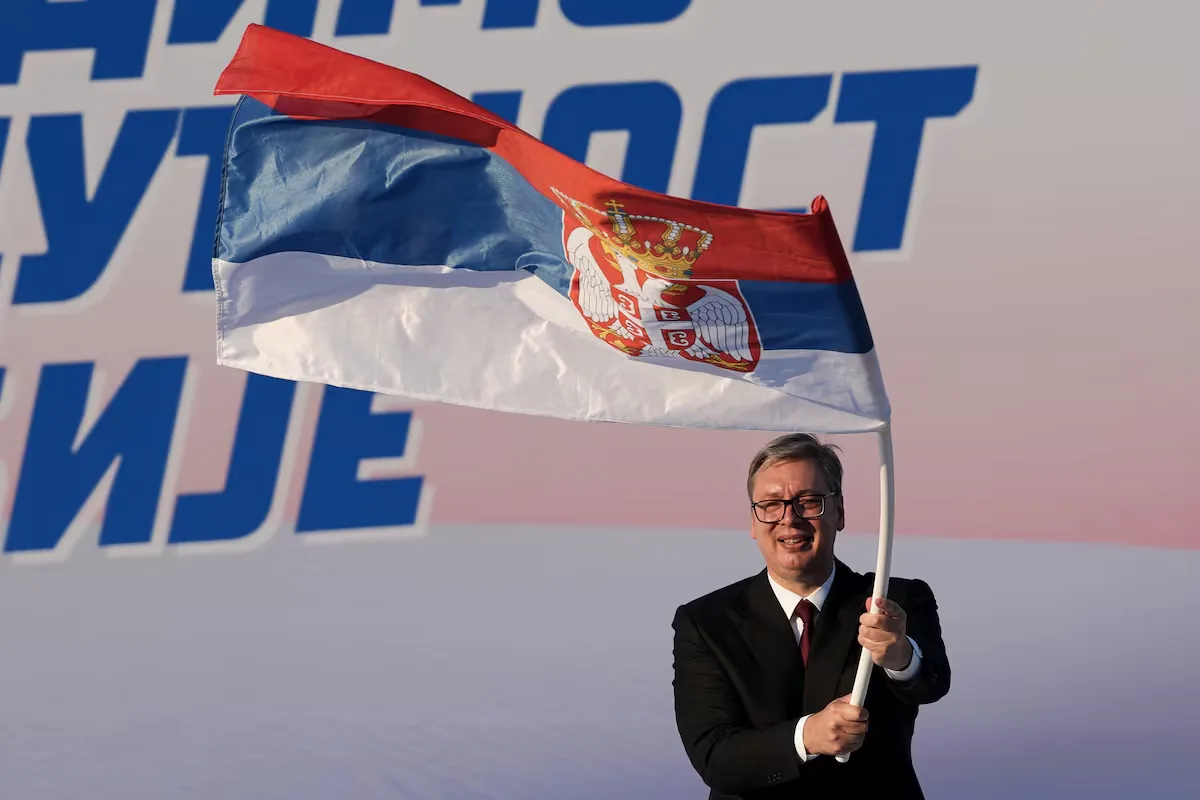
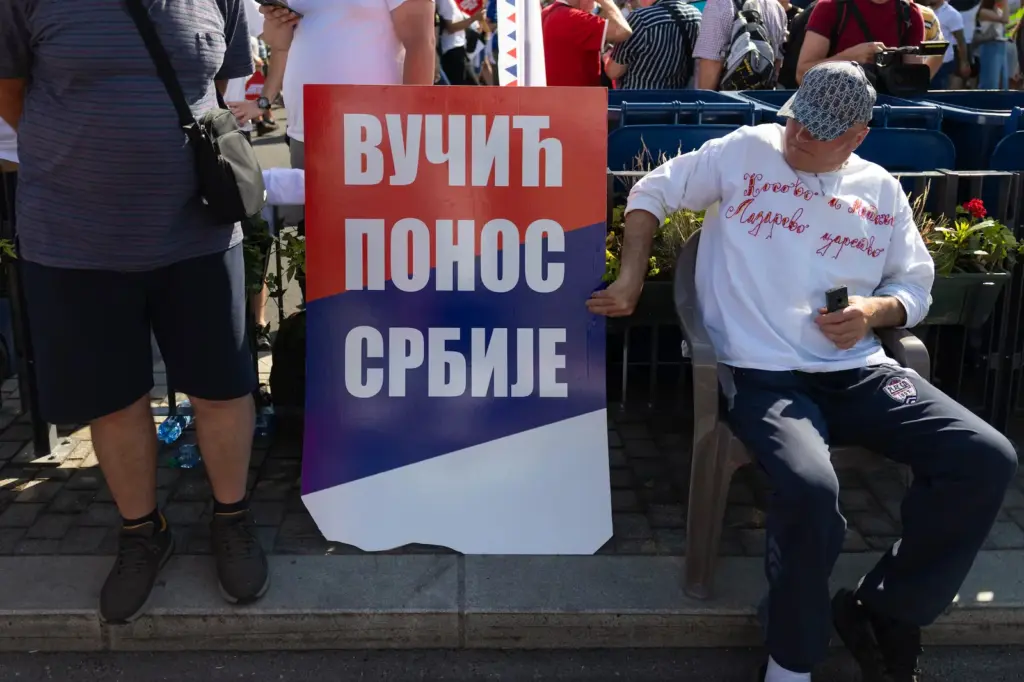
On Saturday, the SNS designated Vucic as candidate for prime minister and head of its list, which will run under the name United Serbia. The president has repeated that he will resign before entering the campaign. He has led the country since 2014, first as prime minister and since 2017 as president. According to Reuters, the maneuver is an attempt to strengthen his control over Serbian politics.
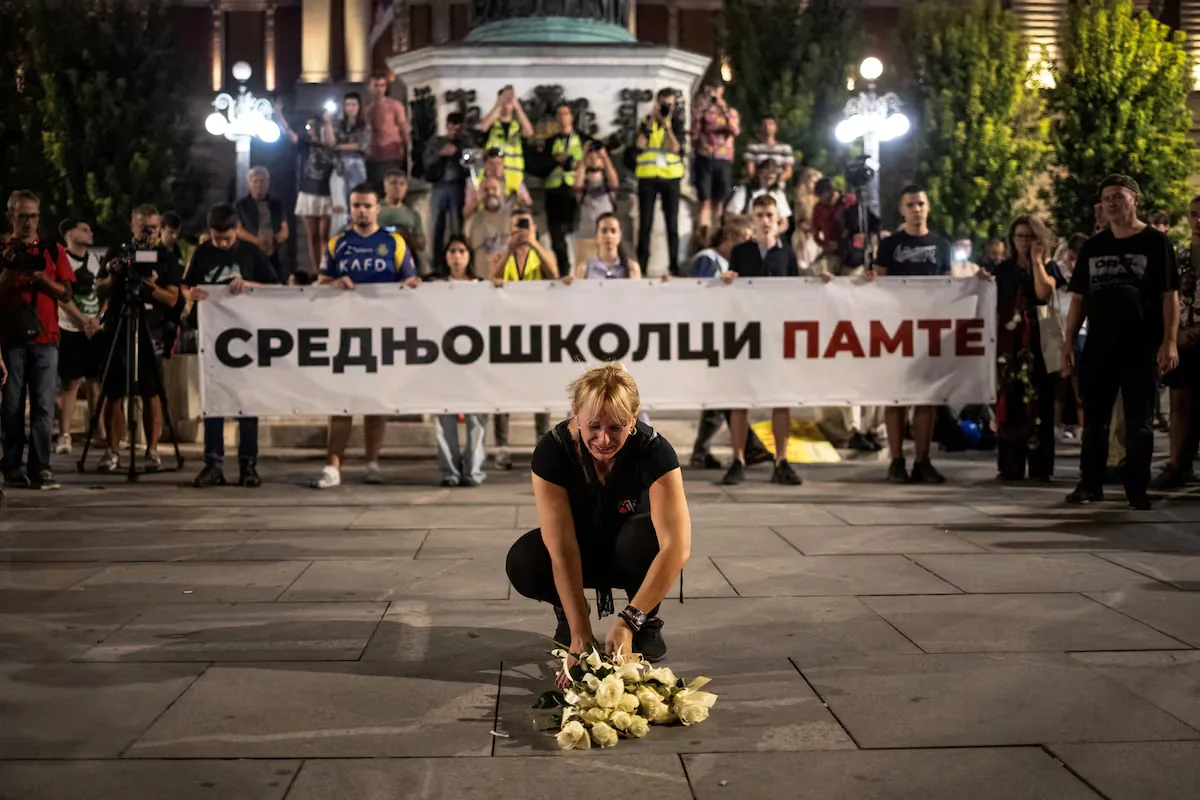
The protests began in November 2024, when the collapse of the canopy at the Novi Sad train station, in the north of the country, caused 16 deaths. For the protesters, the tragedy was not an isolated accident but the result of years of corruption and lack of transparency in public works. The mobilizations spread throughout the country and forced the resignation of then prime minister Milos Vucevic in January 2025. No one has been held criminally responsible for the deaths.
That movement now wants to become an electoral alternative, although it has not yet made its list or prime minister candidate public. Polls cited by Reuters place the SNS and the student candidacy as the two forces with the most options and point to the tightest elections since 2012.
Read more Bonoloto: check Monday, September 7 draw
The result will also be a test for the country’s international orientation. Serbia’s accession to the European Union has been stalled for years. The European Parliament approved in October 2025, by 457 votes to 103, a resolution denouncing violence against protesters and opponents and illegal surveillance of activists with spyware.
Brussels also reproaches Belgrade for its relationship with Moscow: Serbia depends on Russia for energy and has not joined European sanctions over the invasion of Ukraine.
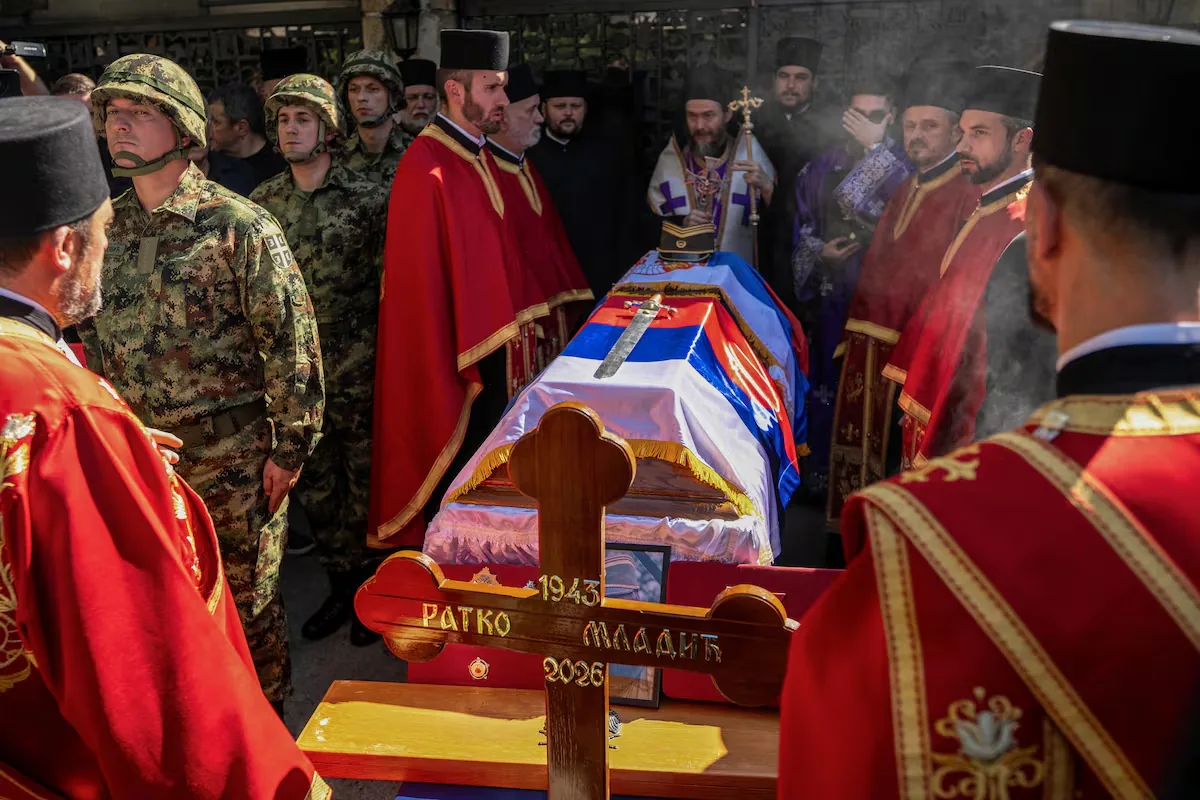
Added to these frictions was the funeral of Ratko Mladic, buried this Monday in Belgrade with military honors hours before the government’s extraordinary session. Several ministers and the Russian ambassador attended the event, a tribute to the former Bosnian Serb commander sentenced to life imprisonment for genocide. Vucic avoided attending.
The European Commissioner for Enlargement, Marta Kos, postponed a visit to Serbia due to what she called the “glorification” of Mladic, among other reasons because of the use of an official plane to repatriate the body. European diplomacy, through a spokesperson for Kaja Kallas, has maintained that the glorification of war criminals and denial of genocide have no place in a candidate country.