









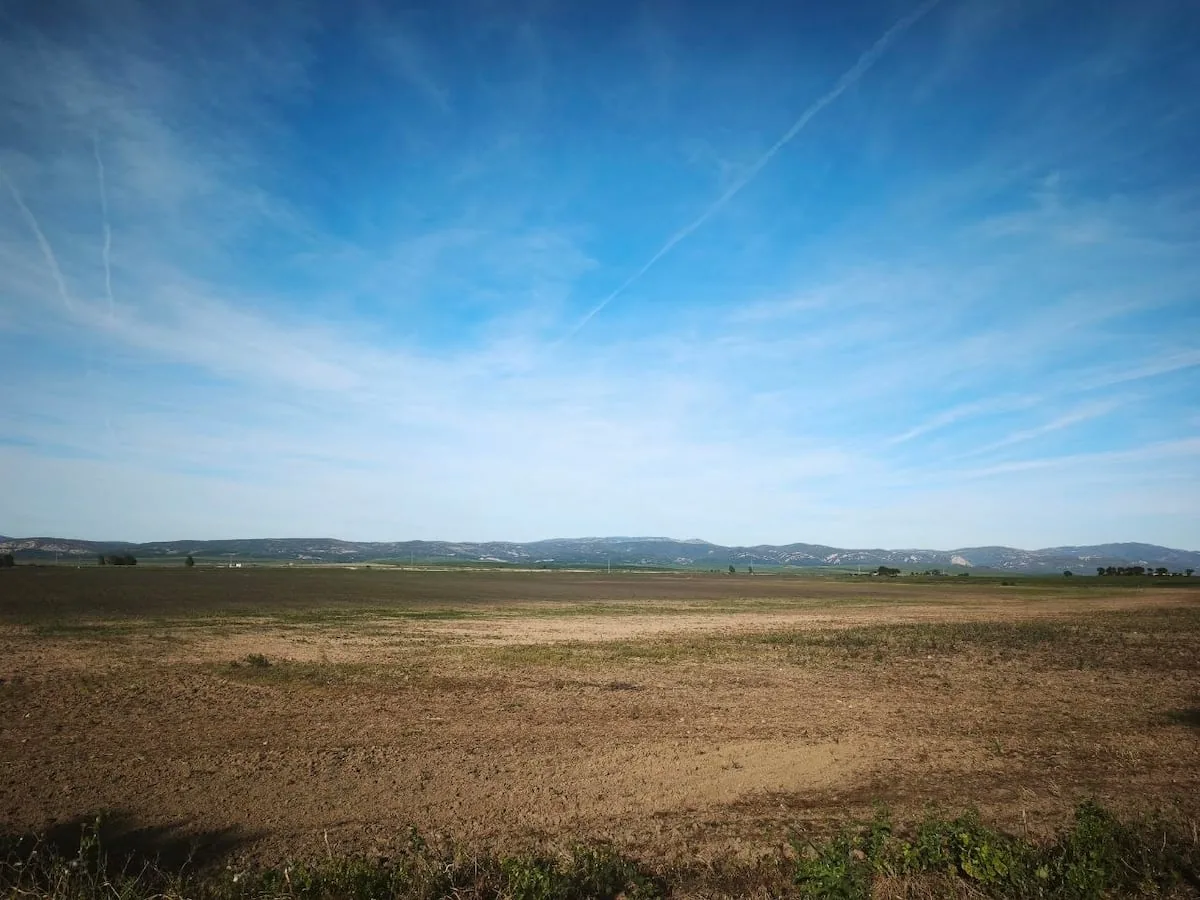
La Janda (Cádiz), the largest wetland on the Iberian Peninsula and the southernmost lagoon complex in Europe, has dried up just one month after the record rainfall recorded in the area. While Spain accumulates an average water reserve of 83.7% of its total capacity and the Guadalete-Barbate basin, to which La Janda belongs, up to three points more, the 6,125 floodable hectares declared public domain in this Cadiz region return to the state in which the Franco dictatorship left them when, under the excuse of combating paludism (malaria), it drained an area similar to Paris or 10 times the city of Cadiz to dedicate it to crops. It perpetrated this in this Andalusian enclave, Galicia (Lagoa de Antela) and Castilla y León (La Nava). In some affected areas, incipient restoration processes have been launched, but in Andalusia, the artificial drains built during Franco’s regime are still open and destroying one of Europe’s most important wetlands to favor large agricultural exploitations.
La Janda has dried up because dictator Francisco Franco decided so in the mid-1940s, and no one has reversed it in eight decades. Under the pretext of preventing mosquito-borne diseases, he developed an effective system to drain large lagoons which, in some areas, according to Antonio Aguilera, economist, naturalist, and general secretary of the Savia Foundation, “have drains through which trucks can fit.” The exploitation of a large part of the drained area was granted to families of the regime (hundreds of hectares are exploited by Las Lomas, an entity of the Mora-Figueroa Domecq family) who are today among the largest recipients of European agricultural aid. Despite the Supreme Court recognizing in 1967 that more than 6,000 hectares belong to the State, no Administration has carried out its recovery.
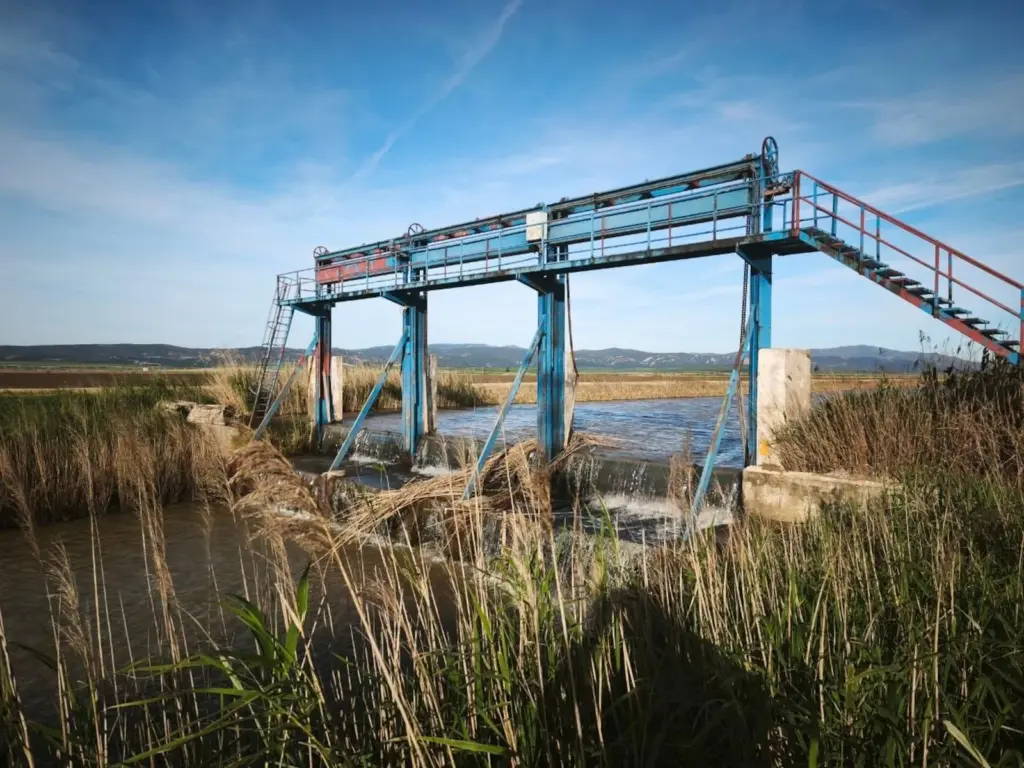
The effect in the Cadiz region and in two other lagoon systems where the same predatory water policy was applied (Nava and Antela) was not only the destruction of wetlands that Margarita Florencio, a researcher at the Doñana Biological Station (CSIC), describes as “oases of life that harbor unique, singular, and largely threatened fauna and flora.” The drainage expelled between 50% and 60% of the population and left fifty municipalities without resources for community prosperity. “It was a historical mistake, but it can be reversed,” says Aguilera.
The Secretary of State for the Environment, Hugo Morán (Miteco), has proposed a dialogue table for the recovery of this and other wetlands, as required and funded by the European Union. The Secretary General for Water, Ramiro Angulo (Junta de Andalucía), expressed his willingness, as stated in a meeting on April 16. However, according to Francisco Casero, president of the Savia Foundation, one of the groups involved in the recovery of La Janda, these statements contradict the document prior to the Guadalete-Barbate basin planning until 2033, which is regional responsibility, where the regeneration of the lagoon “is not considered.” In this regard, the Savia foundation has demanded “that the recovery of La Janda be included in the basin plans” and in the land-use planning, based on its judicial declaration as public domain and the support of dozens of entities, all the municipalities in the area, and the Cadiz Provincial Council.
As administrative dialogue tables rarely culminate in effective resolutions, a dozen conservationist entities, with the collaboration of the Barbate City Council, have decided to take over the management of a part of the community area known as Hazas de la Suerte to “demonstrate, through their own experience and involvement, that it is feasible, viable, and beneficial” to recover the lagoon, as Casero conveyed to the President of the Junta, Juan Manuel Moreno Bonilla, in a letter last February.
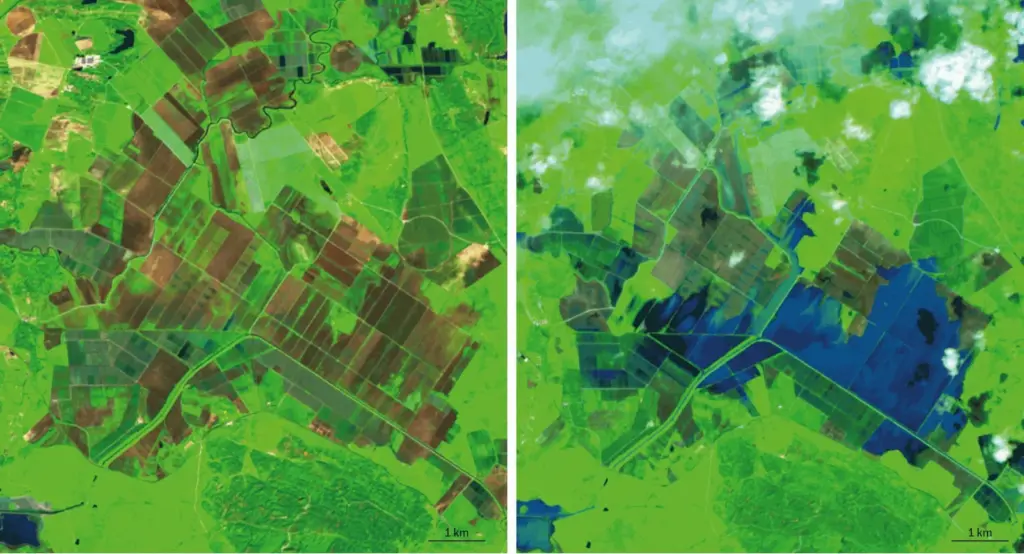
The initiative has its precedent in the one promoted by Fernando Jubete, from the Palentinos Naturalists Association, in La Nava (Palencia), also drained by Franco’s regime. Jubete recounts that 60% of the population emigrated with the loss of this resource and that he proposed, in the 1990s, to recover 500 hectares that largely remained as municipal pastures. “We started with 60 hectares, and the project was quickly a success,” he explains. Unlike La Janda in Andalusia, La Nava was included in the previous hydrological basin plan as an area to be restored, and the Government was involved in the entire program, including budget. There are still things to do, but Jubete anticipates that “the recovery has already generated wealth and employment”: “Biodiversity and wetlands, and no one doubts this at this point, represent a real socioeconomic change.”
The La Antela Lagoon (Ourense), also a victim of Franco’s regime, has also embarked on this path. Serafín González, a naturalist and president of the Galician Society of Natural History, in collaboration with a local farmer and a community of communal forests, has recovered 30 hectares, less than 1% of the area devastated by the dictator. “This initiative is very important for us because we have shown that it is possible to collaborate with the local population to maintain and recover an area benefiting everyone, biodiversity and sustainable livestock farming,” says González.
60% of the residents also left the area due to plans to favor a development model of intensive agricultural transformations. “It did not serve at all to stabilize the population and improve their conditions,” he laments.
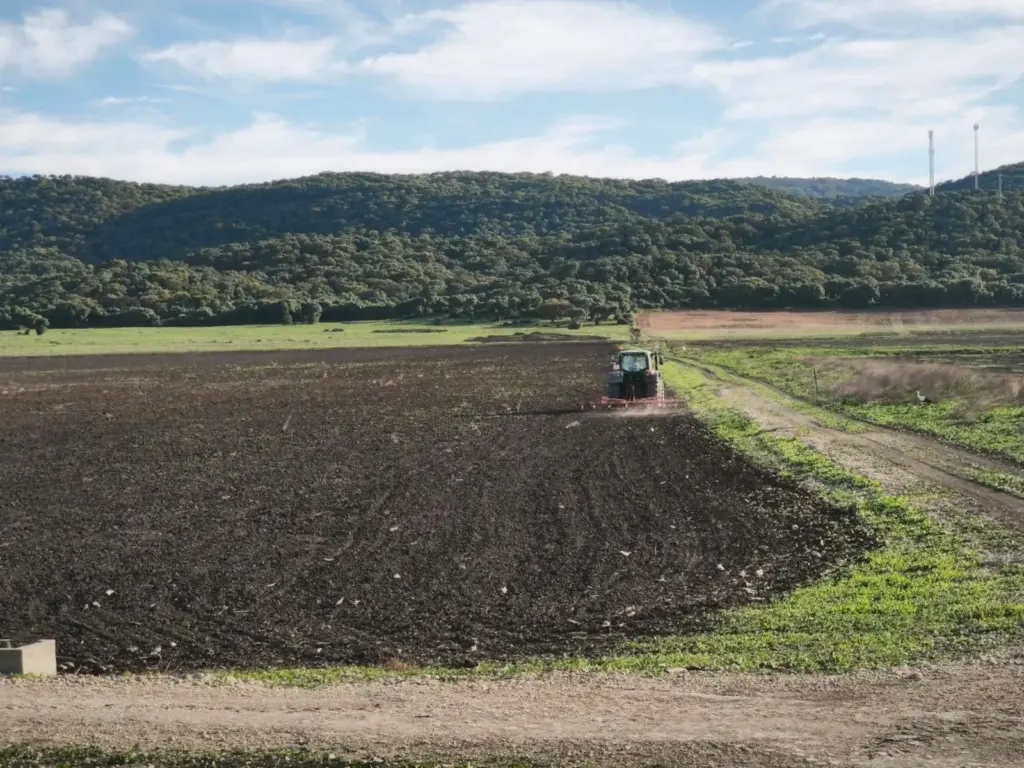
The widespread pernicious effect on wetlands of this intensive agriculture, coupled with climatic factors, has been highlighted by a team from the Doñana Biological Station and the Autonomous University of Madrid, which has documented, in a study published in Journal of Environmental Management, the disappearance of 22% of temporary lagoons in peninsular Spain in the last two decades. “The impacts derived from human action could be avoided if appropriate measures are taken,” the research concludes.
Florencio, the CSIC researcher and co-author of the study, points to wetlands as “priority habitats for conservation due to their great biodiversity and extreme vulnerability to changes in their environment.” “Spain hosts one of the largest representations of this type of habitat in Europe, so we have an important role in its conservation,” she explains.
During the two-year study of 1,303 temporary lagoons, using high-spatial-resolution Google Earth Pro images, it was observed that a high percentage of them, specifically close to 22%, had disappeared, according to the CSIC.
“Most of these impacts are of agricultural origin, such as the plowing of edges and basins, canalizations, and artificial deepening,” states Christian Arnanz, a researcher at UAM and EBD and co-author of the article. “To these are added other threats such as the colonization of basins by terrestrial vegetation, urbanization, the presence of livestock with evidence of stabling, and vehicle traffic.” Furthermore, these impacts are often associated with other impacts not detectable with the methodology used — such as aquifer overexploitation and exposure to agrochemicals — which suggests an even greater scope of degradation.
The study has also confirmed a reduction in the flooding frequency of these lagoons, especially in the autumn months. This phenomenon is associated with both climatic factors, such as maximum temperatures and accumulated precipitation, and the main intensive agricultural practices identified, especially the plowing of basins and the presence of canalizations.
But the group of researchers, like those promoting the regeneration of areas drained by Franco’s regime, believes that the situation is reversible. “The impacts we have observed derived from human action could be avoided if appropriate measures are taken,” says Arnanz. He refers to increasing protected areas, monitoring the territory, involving society, and implementing economic incentives to ensure agricultural practices that benefit the wetland.
The authors of the work agree with those involved in La Janda, La Nava, and Antela that the restoration of disappeared lagoons and the recovery of the hydrological functioning of altered areas is a priority.
“Temporary lagoons are an incalculable natural heritage. In addition to their ecological value, they provide important benefits to society, such as local climate regulation, carbon storage, nutrient control, and biodiversity conservation. They also constitute spaces of great landscape and cultural value. It is important to raise social awareness for the conservation of these unique ecosystems that make up our natural heritage, so that all generations can enjoy them,” concludes Florencio.