
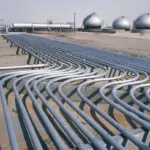






On April 8, a select group of deputies from the Madrid Assembly received an unexpected email. It detailed several missile and drone impacts launched in the war between the United States and Israel with Iran. It also detailed the resumption of oil shipments by pipeline from Iraq to the Turkish port of Ceyhan after the intervention in March by the Donald Trump administration. And it warned: “The Kurdistan Region is going through difficult times due to the effects of the war between Israel, the United States, and Iran, as it has been caught in the crossfire between these forces (…) It is bearing the consequences of a war it did not start (…) We would greatly appreciate the possibility of arranging a meeting.” The letter, accessed by EL PAÍS, was signed by Darawan Hamid Ghafar, the representative of this autonomous region of Iraq in Spain, and constitutes an example of the diplomatic activity being deployed at all levels (including regional) in the Spanish capital around the war.
Read more Government and ERC turn to economic sectors to gain Junts’ support for the investment consortium
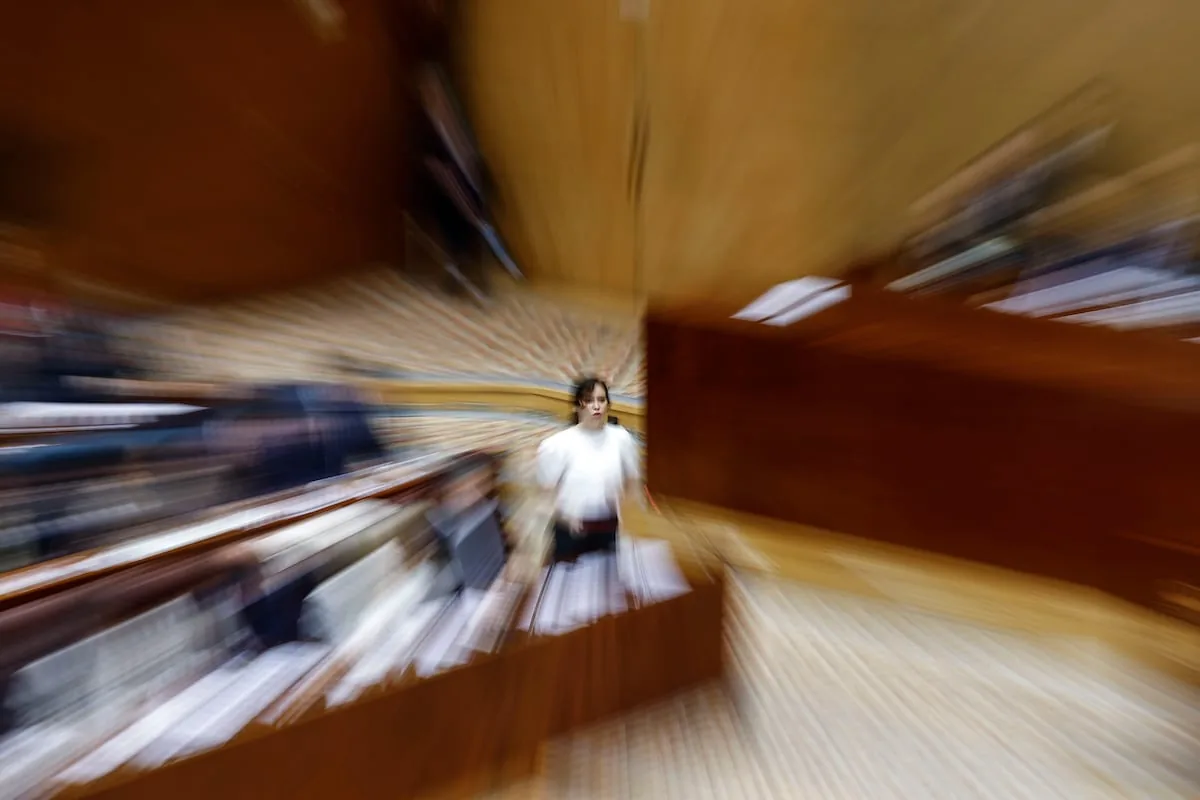
April 10. Enrique Ossorio, president of the Madrid Assembly and a man of utmost confidence to Isabel Díaz Ayuso, the regional president, spoke during the meeting of the Bureau, the body that manages the day-to-day affairs of the regional Parliament. He informed its members of the meeting request, and detailed that its purpose is “to establish a channel of communication regarding the consequences of the war between Israel, the United States, and Iran.”
The delegation from this autonomous Iraqi region already met in December with senior officials from the Community of Madrid’s Ministry of Economy, as recorded on the regional transparency portal; and in March with representatives from the Ministry of Education, to whom they presented the project of opening a Spanish school in Kurdistan; just as it has maintained contacts with senators and regional governments such as that of Castilla-La Mancha. However, its activity in Madrid has accelerated since the war between the United States and Israel with Iran, which has multiplied diplomatic contacts in the Spanish capital, where Israel also has a powerful network that promotes its views through high-level contacts with politicians and the work of organizations such as .
“The Kurdistan Region has on numerous occasions declared its neutrality in this conflict; however, it is bearing the consequences of a war it did not start,” states the letter sent to the Chamber, which is accompanied by four attached documents detailing, among other matters, a drone attack on March 28 that had, among other targets, the residence of Nechirvan Barzani, president of the Kurdistan Region.

The Iraqi region is in a strategic position in the north of the country, forming a wedge with borders with Turkey and Iran. However, no meeting has been arranged so far, neither with the parties, who are still studying a proposal that parliamentary sources acknowledge as unusual, nor with the presidency of the Chamber.
Read more Progressive optimism and dead language
“We have requested meetings with the presidencies of other assemblies from different autonomous communities,” they explain via email from the Kurdistan delegation. “It should be noted that our Representation has already held institutional meetings with presidents of autonomous communities — the highest authority of regional governments — as well as with other authorities, which has allowed progress in different lines of cooperation.”
Kian’s journey
This is not the only way the repercussions of the war in Iran have reached the Assembly. Earlier this month, it was learned that the United States would not allow entry to Kian, a 14-year-old Iranian student from the Severo Ochoa Institute (Alcobendas, 123,342 inhabitants), selected to represent the Community of Madrid in a UN educational project at its New York headquarters.
The PSOE tried to get the Assembly deputies to agree on an institutional declaration of support for the student, which did not go through because such agreements require unanimity, and the PP did not lend its support, according to the socialists.
“Ayuso does not defend him because she is in favor of Trump’s illegal war, which sows death and destruction,” commented Mar Espinar, the socialist spokesperson in the Madrid Assembly, where Israel has found decisive support for its policies from the regional president. Because even if the war is far away, its effects are felt in Madrid with emails, meeting requests, and private messages that help to establish the public positions of all parties.