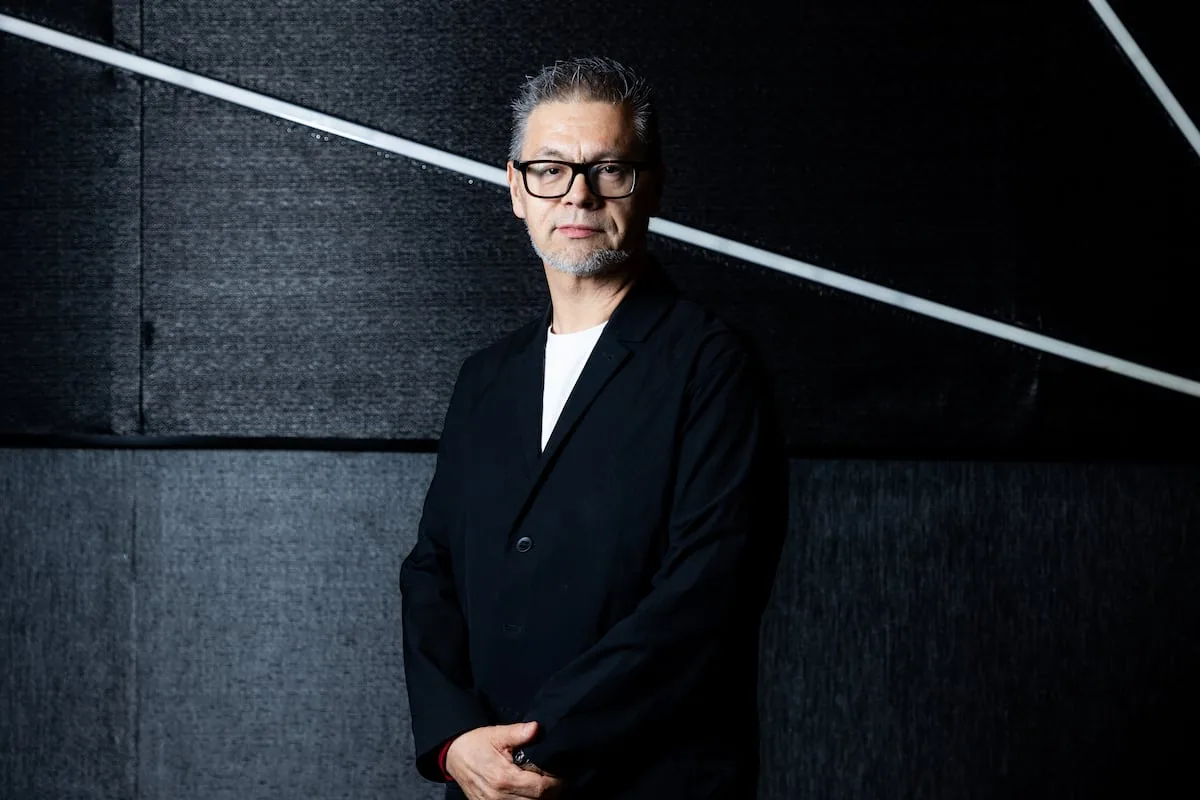





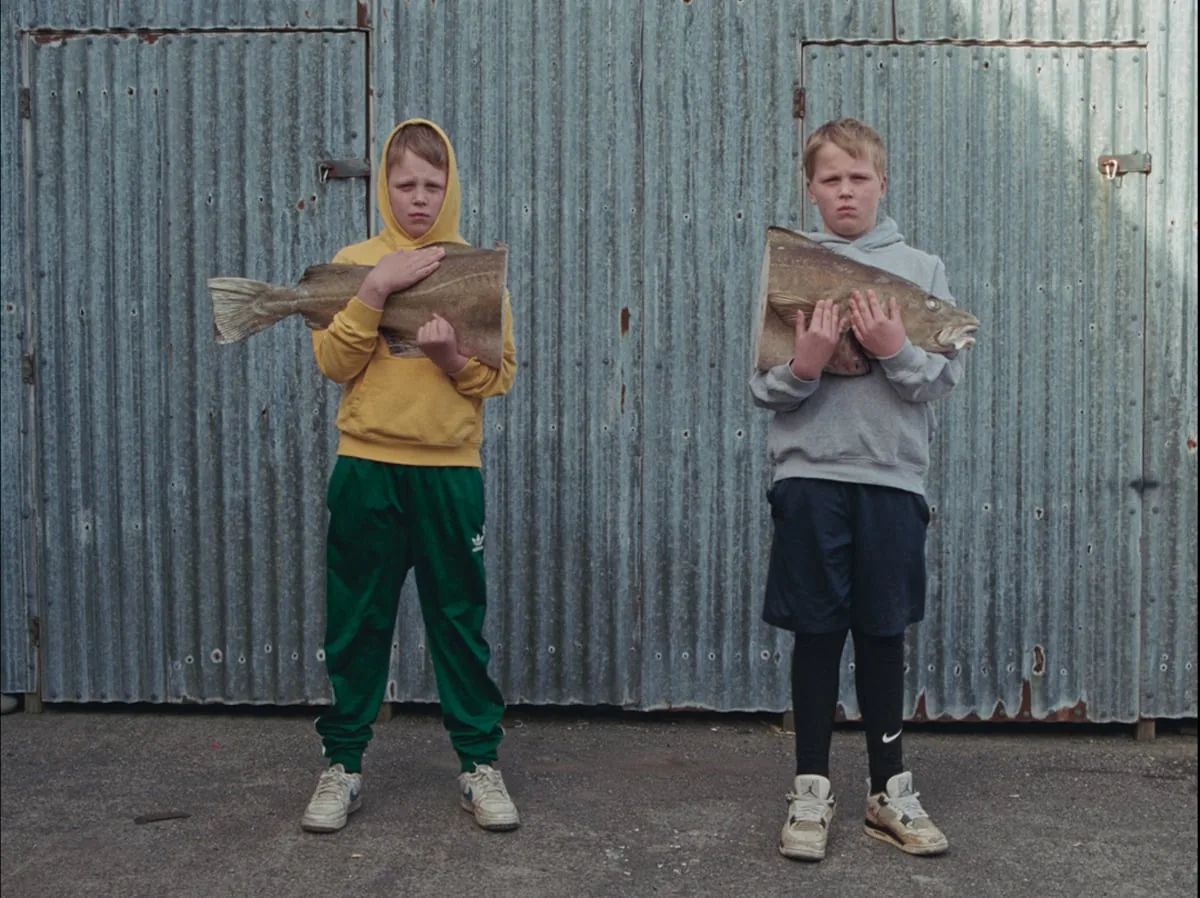
The Love That Remains presents an intimate portrait of a family over the course of a year, as the parents face a separation marked by shared memories and persistent emotional bonds. With sensitive and deeply human moments, the story explores the transformation of love, the fragility of relationships, and the search for balance amidst change. With the passing of the seasons as a backdrop, it builds a reflection on loss, communication, and the ties that remain even at a distance. Within the framework of the Guadalajara International Film Festival (FICG), the Nordic film has been announced as the winner of the Latin American Critic’s Award for European Films, a prize that was collected by actor Sverrir Gudnason on behalf of director Hlynur Pálmason and the film’s team.
Gudnason arrived in Guadalajara solely to receive the award. He admits, with regret, that he didn’t have enough time to see any of the films in the selection, as he is currently filming another movie in Sweden. He says that what attracted him most to The Love That Remains(whose Spanish translation would be El amor que permanece) is being able to work with Pálmason, as he believes he makes “very interesting” projects that haven’t been seen before. The Icelandic filmmaker is considered an exceptionally talented and acclaimed director, often described as the “prince of independent cinema,” as well as an original and fascinating voice in contemporary cinema.
Gudnason (Lund –Sweden–, 47 years old) offers a solid and subtle performance as Magnús, a fisherman and sailor going through a slow separation. The actor embodies a devoted yet distant father and husband, bringing warmth and quiet perseverance to a nuanced role that deals with fading love rather than dramatic conflict. “He’s a bit of a loser and doesn’t really feel integrated into his family. He feels like he’s being pushed away from it and also doesn’t feel comfortable with his co-workers on the fishing boat. So he’s in a sad limbo. I’ve played sad characters before, but there’s something about him that makes you want him to succeed, even though he’s a good person, but he doesn’t,” says the Swedish actor in the Cineteca conference room.
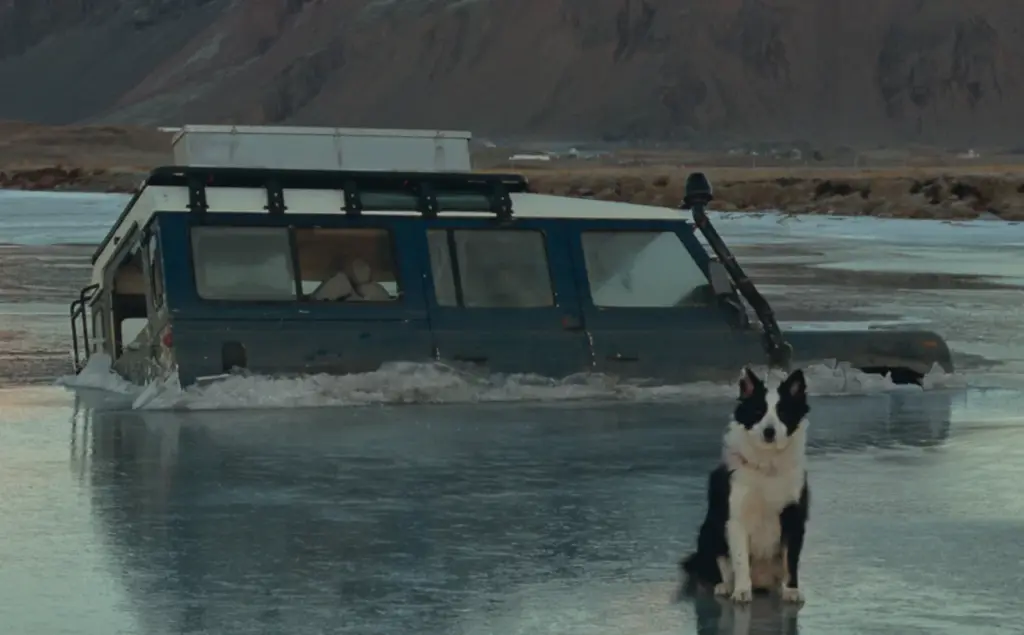
The Love That Remains prevailed over three other finalist films: Father, by Tereza Nvotová (Slovakia); Sound of Fallingby Mascha Schilinski (Germany); and Los domingos, by Alauda Ruiz de Azúa (Spain), which won five awards at the last edition of the Goya Awards, including Best Film.
After a breakup, typically in movies, you see plates crashing against the wall and slamming doors. You see fights and conflicts; that’s a breakup. But this is also a breakup, and it’s possible to coexist even if the romantic spark in the relationship has been lost. So I think this film simply shows how, even after losing romantic love, some love can remain, something different.
The film that represented Iceland at the Oscars, but did not make the cut of the five finalists in its last edition, focuses on themes such as love, loss, and the bittersweet separation of a couple. It focuses on how a marriage quietly dismantles, exploring persistent affection, family disintegration, and emotional resilience through an impressionistic portrait of a family going through a divorce.
“After a breakup, typically in movies, you see plates crashing against the wall and slamming doors. You see fights and conflicts; that’s a breakup. But what you see in The Love That Remains is also a separation, and it’s possible to coexist even if the romantic spark in the relationship has been lost. I believe this film shows how, even after losing romantic love, a different kind of love can remain,” says the actor.
Gudnason believes the film presents love as something that can be both resilient and fragile, but also something changeable. “Love, even if you have it and understand it, can always transform into another kind of love. But it’s still love. And I think that happens in many relationships, which start out very passionate, romantic, but then turn into friendship. That is also a deep love,” he adds.
After its run at FICG, the film is scheduled for commercial release in the rest of the country during July. The Latin American Critics’ Award for European Films was created in 2024 with the aim of strengthening the visibility of European cinema in the region and highlighting the fundamental role of film criticism in promoting auteur cinema and cultural dialogue between territories. In previous editions, Sorda (2025), by Eva Libertad, and The Teachers’ Lounge (2024), by İlker Çatak, have been recognized.