









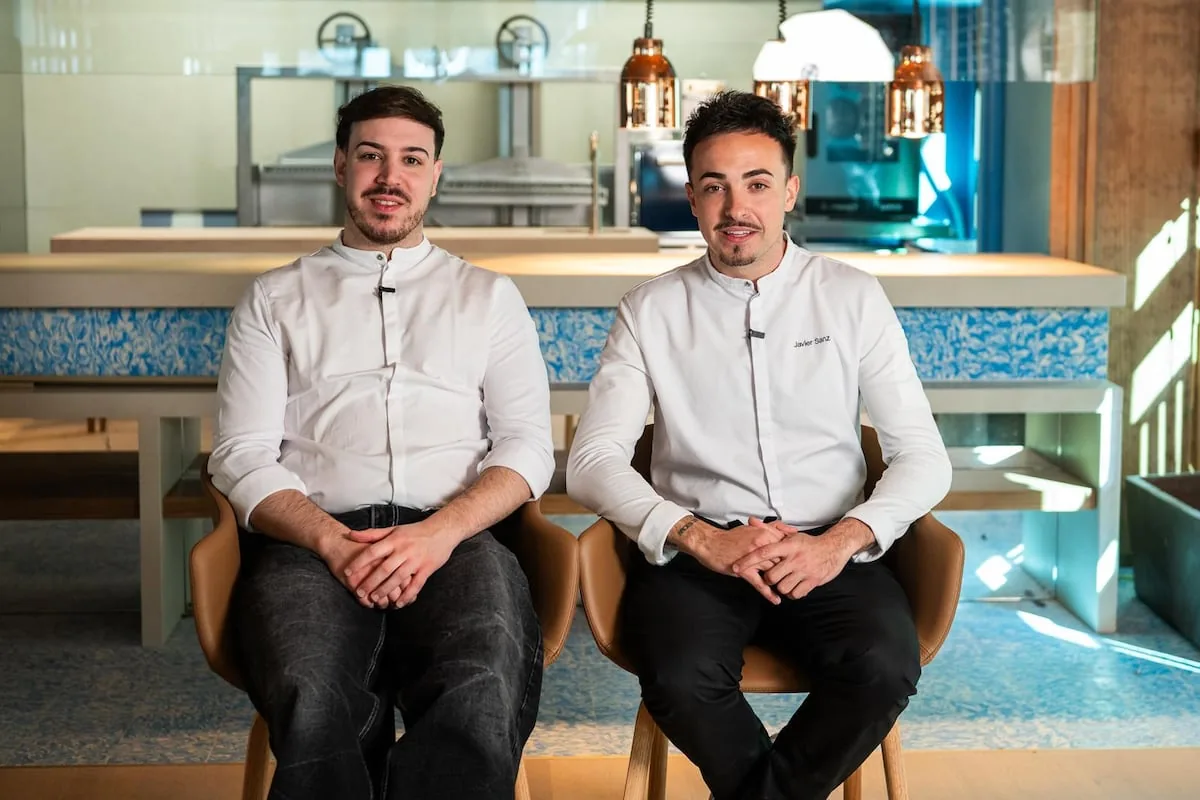
They met as children in the park of their village, Casas-Ibáñez (4,616 inhabitants, Albacete), fixing a friend’s toy. “We were the same age and had a very healthy village childhood, eating sunflower seeds on the bench, going fishing in the river, picking up sticks or going out with the dog in the countryside. We are the last generation without mobile phones,” proudly recount Javier Sanz and Juan Sahuquillo (28 years old, Albacete).
Javier’s family ran the small hotel Cañitas Maite in the village since before he was born. “They opened a two-star hotel with 20 rooms at 40 euros in 1990, aimed at traveling salespeople and offering a daily menu. Something humble, for workers,” explains Javier. But besides being a business, it was always their home. “I would leave my backpack at the entrance and go down to eat the daily menu. Then Juan would come, and we would spend the whole day together,” he recalls.
The kitchen and dining room were part of both their lives long before becoming a professional project. “At 13, we were already working there, we had our uniform shirt and trousers,” Javier remembers, while Juan adds a detail that summarizes the mix of play and responsibility back then: “I always liked to wear a bow tie,” he says with a laugh.
At school, however, they didn’t quite fit in. “Our thing was work. By the age of 16, we already knew we didn’t like school, mathematics didn’t motivate us…” they explain. That’s why, when they turned 17, they went together to study hospitality in Toledo, and the pace they adopted largely defined what came next. “Our parents would take us to the bus on Sundays at five in the morning, we would go to Toledo and come back on Friday to work in the family business.” They weren’t afraid of work; quite the opposite, they were eager to get home.
Their work experience is not marked, like many chefs of their generation, by internships in other gastronomic restaurants. “We didn’t have time,” they admit. Although after winning a competition, they were able to do a master’s degree and some internships in places like Casa Marcial or Mugaritz, “but it was only for a few months,” he says. “In 2019, we returned home and took the reins of the family business (Cañitas Maite) and began to introduce novelties such as different pairings, etc.,” Javier recalls. But when they got down to business, it was interrupted by the pandemic. They closed and, like most, were left with more doubts than certainties: “We started thinking about what we would do when normality returned, which we didn’t know if it would. And like unconscious or young people, once we were given the green light, we started with our menu,” Javier recounts. “We worked 20 hours a day, seven days a week, we didn’t close any service: in the mornings we made rice dishes to go, then hamburgers and the daily menu… we did everything, even going to pick up the paellas around the village afterwards.”
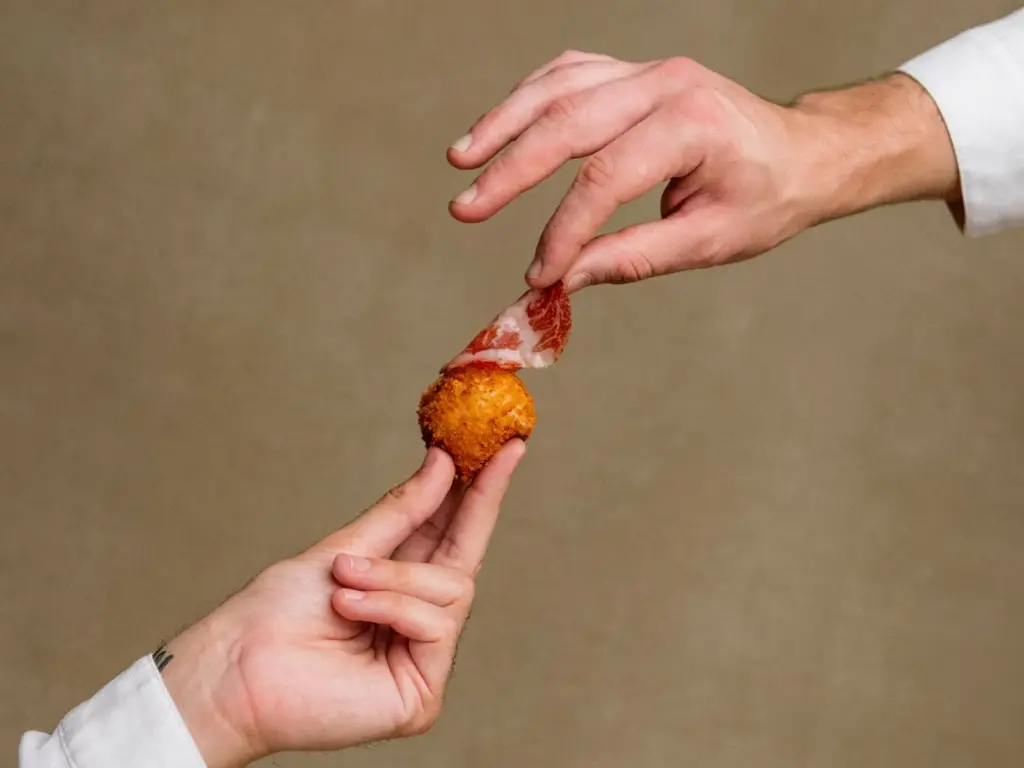
After the lockdown, the accumulated desire to go out to other cities and consume soared, and they say this benefited them: “Word spread about what we were doing, it was published in specialized gastronomy sites, critics came… It was a year when people wanted to go out and spend, and many came here.” In that scenario, recognitions also arrived, such as the award for revelation chefs at Madrid Fusión, along with the best ham croquette in the world and the best escabeche.
Far from being swept away by success, they say they chose to organize themselves. “We were smart and weren’t carried away by the tide of that success. On the contrary, we dedicated ourselves to working and making a strategy,” says Javier. “We had to open an informal tavern and a gastronomic restaurant, because until then it was the family bar and we served 200 covers a day.”
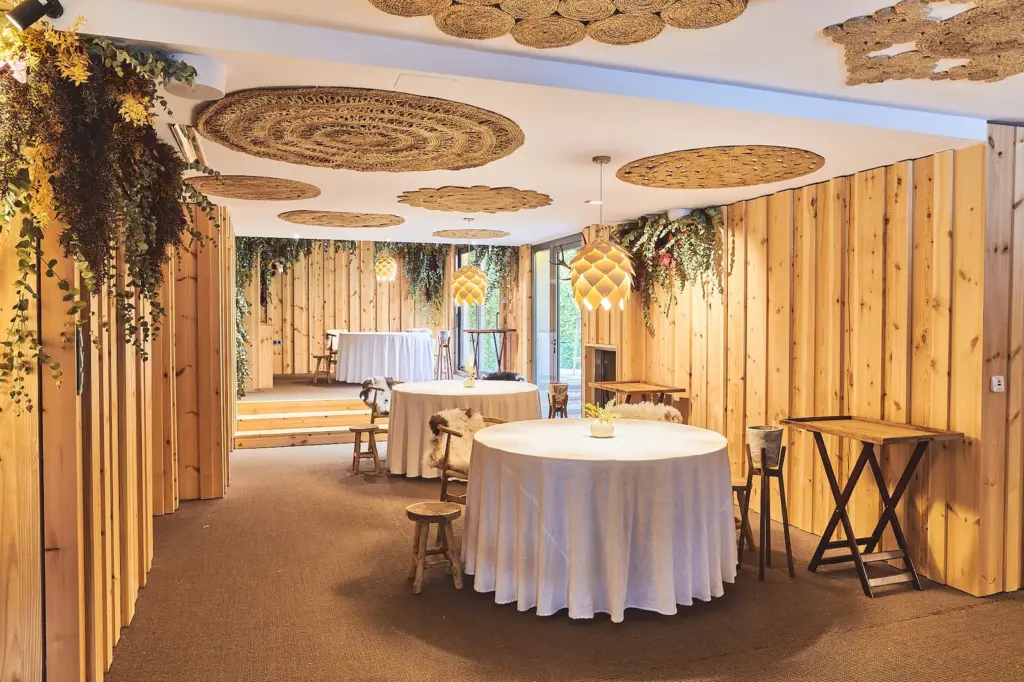
Growth was rapid: “We were very unconscious, we invested and did things without doing the numbers.” The project expanded; in December 2021, they opened the bar La Taberñita in the village, and in January 2022, they inaugurated their childhood dream, the gastronomic Oba, with which they received a Michelin star and a green star within a few months.
Read more The EU unblocks the 90 billion loan for Ukraine that Hungary vetoed and new sanctions against Russia
“We started to grow, and everything was going well for us. That allowed us to start building a structure,” they explain. The same year, the opportunity arose to undertake new businesses, and they launched with the restaurant at the Can Domo hotel in Ibiza, a pop up on the Costa Brava that they continued for three more summer seasons, the gastronomic restaurant Cebo, at the Urban hotel (which currently holds a Michelin star), and a line of food trucks with El Corte Inglés throughout Spain.
Their learning has been, above all, practical. “We didn’t know anything, because if we had, we wouldn’t have done it,” they admit. “We’ve learned a lot from the chains we’ve worked with, from consultants, from how to negotiate…”. But they insist: “If we had known what we know now, we wouldn’t have done anything we’ve done.”
Today, under their different brands, they sustain 14 businesses and employ almost 200 people. But they are not thinking of further expansion. “We don’t need more,” they say. Although opportunities continue to arise —”projects like the gastronomic restaurant at the ME hotel in Malaga or Cebo in Madrid”—, the priority is different. “You always have new things to do at home.”
That anchor to their roots accompanies them in all the projects they have spread across Spain. And it doesn’t matter where they are each week because they always think about returning home. “We are village boys, and we really enjoy being there with our people. Our greatest pride is being able to have our time here, build my house, go out with my dogs in the countryside, be at peace,” says Javi. They also didn’t hesitate for a second to rush out to offer all their help to the residents of Valencia during the DANA, from the very day the catastrophe occurred.
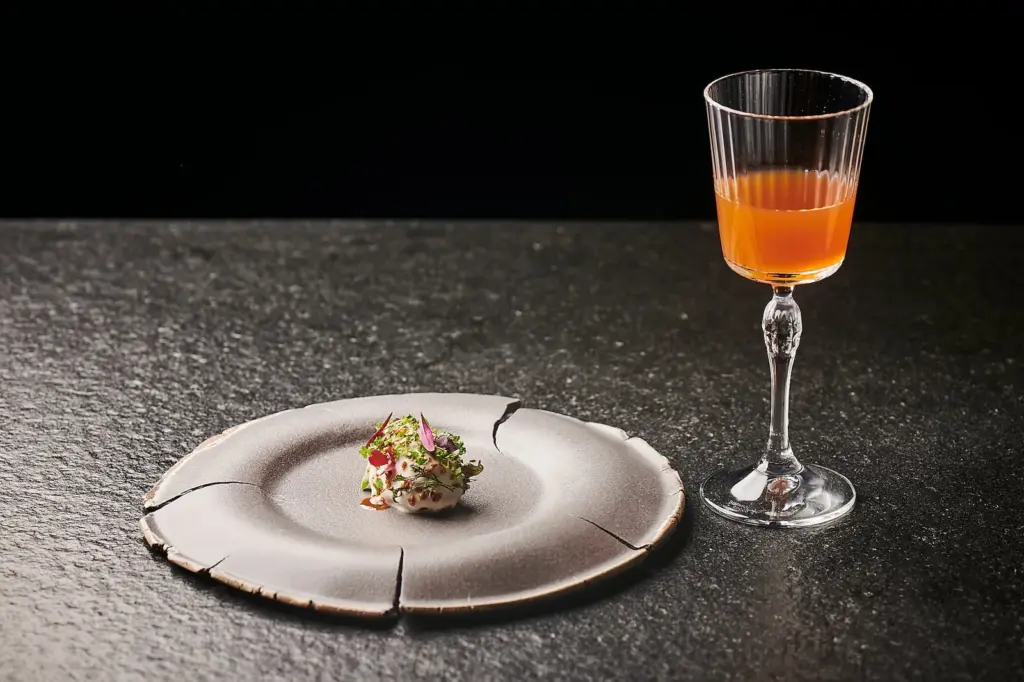
Their cuisine, fundamentally that of the gastronomic Oba in Casas-Ibáñez, also dialogues with its territory. The inspiration for the new menu comes from a specific book: Las 1000 recetas de la cocina de Albacete y su provincia (The 1000 recipes of the cuisine of Albacete and its province), by Carmina Useros. “She published it in 1971 after going house to house collecting recipes. We have been inspired by these lost recipes for the courses,” they explain. They bring them to avant-garde cuisine with contemporary techniques and with the aim of recovering knowledge that is part of their environment. “It makes us want to replicate some so that the young people truly know what the gastronomy of the village and the area is. You see the book and you’re amazed because there’s an incredible amount of things you wouldn’t imagine… shepherd’s cuisine, stews… it’s brutal,” says Juan. The idea is to bring that legacy into the present as well. “We would like it to be the staff meal. It’s a wonderful challenge.”
In parallel, they continue to open projects, though with more caution. This year, for example, they inaugurated CAÑA in Toledo, their more informal version, with a partner who is also their friend. Because, although they have expanded in such a short time, they have never lost sight of the fact that, as they always affirm whenever they can, they are “village boys.”