








Russian President Vladimir Putin is once again turning off the oil tap to a key facility in Europe. As the German government reported this Wednesday, Russia plans to suspend the transit of Kazakh crude oil to the PCK refinery in Schwedt (Brandenburg) starting May 1. This will force one of the country’s largest refineries and the main source of fuel for Berlin to make up for this deficit with supplies from other sources. All this, amidst an energy crisis due to the closure of the Strait of Hormuz, through which a fifth of the world’s crude oil and liquefied natural gas flows — or flowed.
According to Rosneft Deutschland, which informed the Federal Network Agency, the Druzhba pipeline will soon stop transporting oil from Kazakhstan to Germany. However, the German executive explained that official confirmation from Moscow has not yet been received. Kremlin spokesman Dmitry Peskov merely said he knew nothing about it and that the press should contact the affected companies.
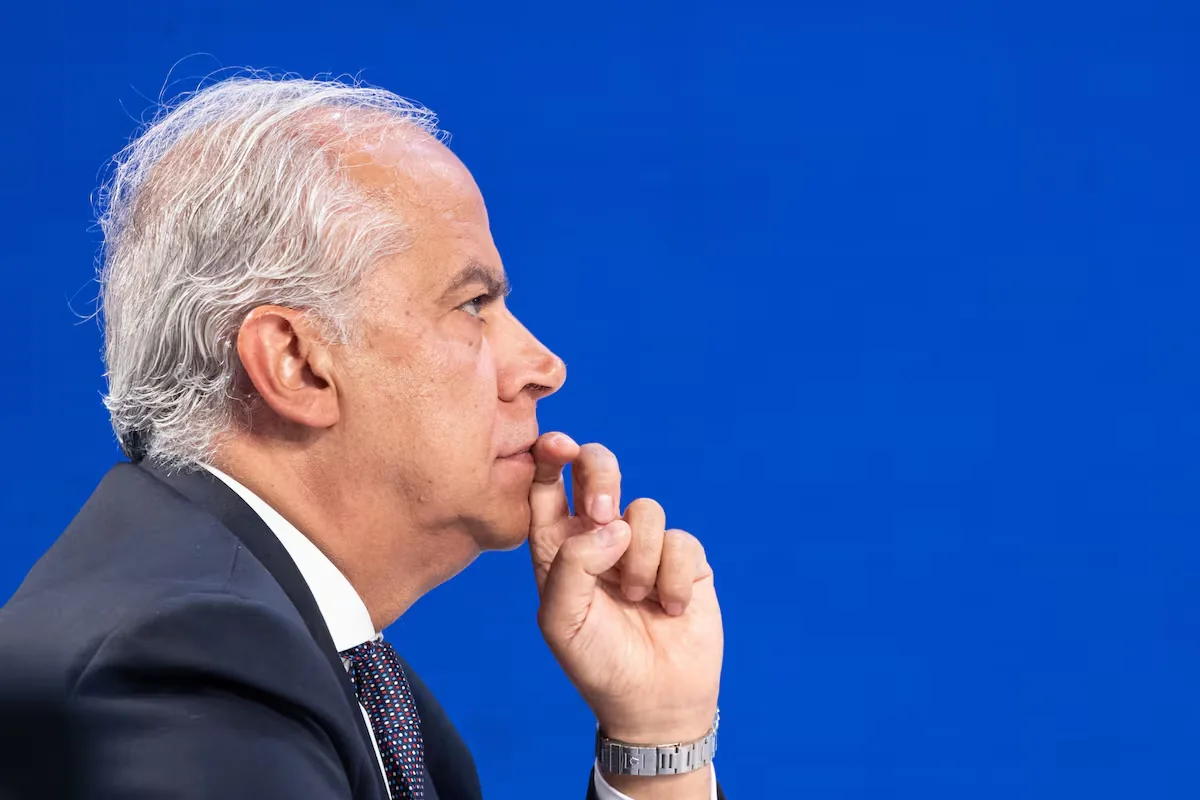
Kazakhstan’s Energy Minister, for his part, told the German news agency dpa that there was no official statement from Russia. “But, according to unofficial sources, we know it is true,” he added. Russia’s argument to justify the measure is the alleged lack of technical possibilities for transporting oil from Kazakhstan.
The German Ministry of Economy believes that the security of supply of petroleum products in the country will not be compromised if the Schwedt refinery sees its hydrocarbon processing capacity reduced. “I can tell you that the supply is guaranteed, that the loss of pipeline capacity will not significantly limit the operation of the Schwedt refinery,” a ministerial spokesman explained. “We are working on alternative supplies, especially with regard to kerosene.”
This last point, the fuel consumed by airplanes, is the most critical: with Hormuz closed, many European airlines are having serious problems obtaining the necessary fuel to guarantee their operations. Germany’s Lufthansa has been the first among major European airlines to announce the cancellation of less profitable flights; about 20,000 between now and the end of October.
A spokesman for Rosneft Germany — of Russian origin, but nationalized after Putin invaded Ukraine — told the dpa agency that they now have to study “how to guarantee, if applicable, substitute supplies so that PCK can continue to produce at full capacity.” “We are analyzing the repercussions in detail,” he added.
Read more The road to the presidential elections of Colombia 2026, live
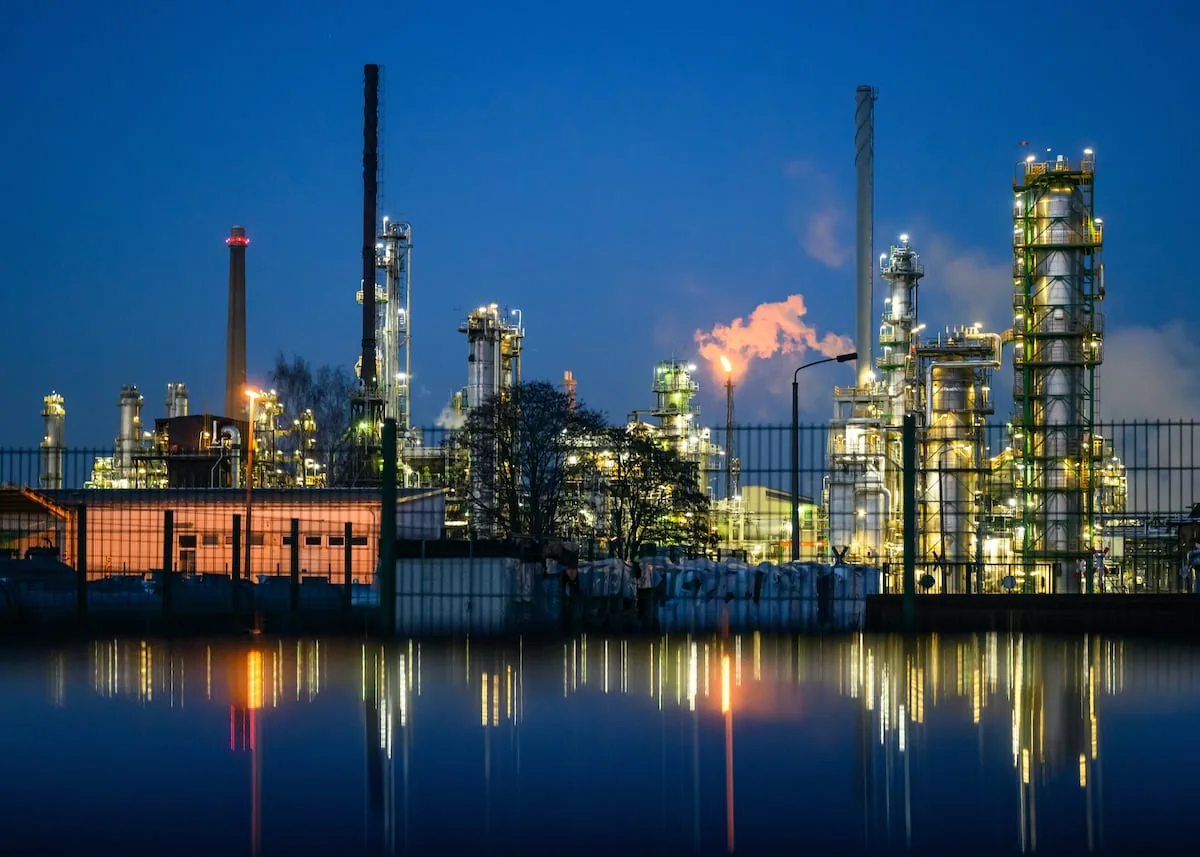
The PCK refinery, in northeastern Brandenburg, has not received Russian oil since 2023, when the previous German government decided to dispense with crude oil from that country due to the war. The facility, which supplies much of the northeast and Berlin, among others, with gasoline, heating oil, and kerosene, then had to seek alternative sources of supply.
The facility, however, does receive oil from Kazakhstan via the Druzhba pipeline, which crosses Russian territory. And that crude is important for maintaining the refinery’s high capacity.
Last autumn it was announced that the PCK refinery could receive more oil from Kazakhstan in 2026. At least 130,000 tons per month. Previously, that figure ranged between 100,000 and 120,000 tons.
The PCK oil refinery in Schwedt is 54% owned by German subsidiaries of the Russian state-owned company Rosneft, which have been under fiduciary administration of the German government since 2022.
Read more Sheinbaum calls Luisa María Alcalde to the Government and confirms the change in Morena’s leadership