





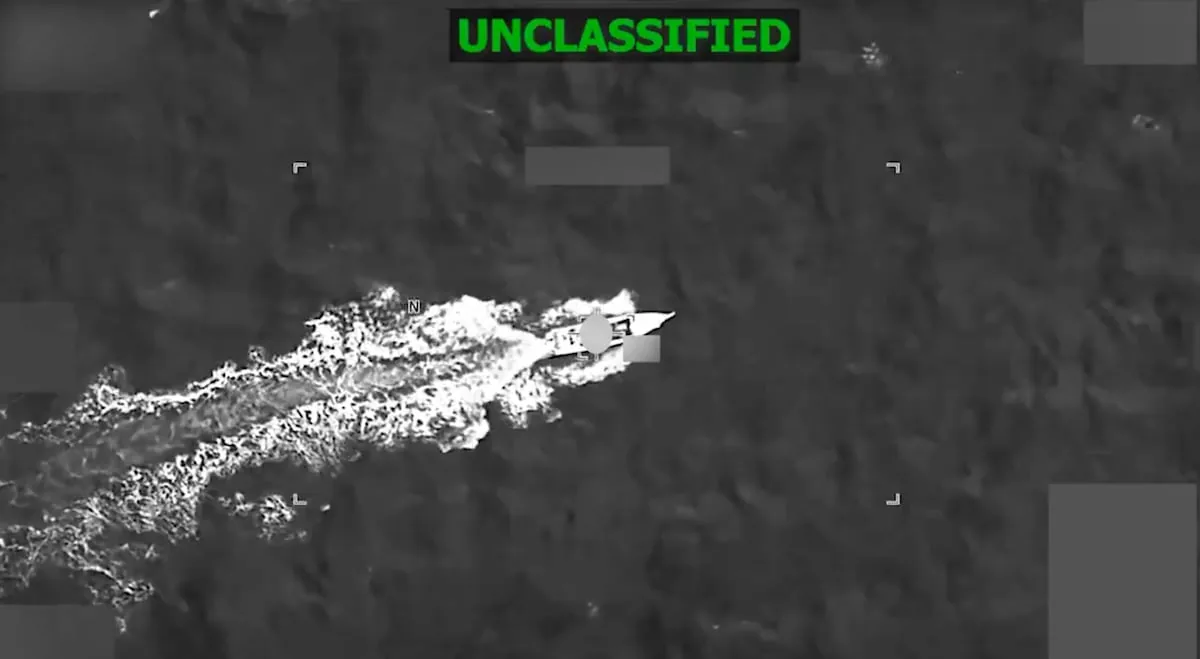
A global coalition of 125 organizations is urgently calling on all States to immediately cease any form of aid, active or passive, to the United States’ campaign of maritime extrajudicial killings in the Caribbean Sea and the Pacific Ocean. Since September 2025, US armed forces have killed more than 175 people aboard small vessels in operations that the Trump Administration describes as attacks against “narcoterrorists.” The international outcry highlights a shift from direct condemnation of US actions to also putting third countries in the spotlight for their role in these lethal attacks.
Read more Iran’s ‘mosquito fleet’ brings guerrilla warfare to the Strait of Hormuz
The coalition, which includes human rights groups, humanitarian organizations, drug policy advocates, and veterans’ groups, argues that these attacks constitute murder under international law. Legal experts and civil society assert that, since the deaths occur outside of any recognized armed conflict and without due process, they violate the fundamental right to life. Furthermore, the targets are often individuals merely suspected of drug trafficking, which does not meet the legal threshold of an “imminent threat” or an “armed attack” necessary to justify the use of lethal military force.
“We are witnessing a truly worrying continuation and normalization of these attacks against vessels,” warns Annie Shiel, US Director for the Center for Civilians in Conflict (CIVIC), the organization driving this statement, which EL PAÍS has accessed. “The United States is committing extrajudicial executions or murders, it’s that simple.” Shiel considers it imperative that States enabling these illegal attacks understand that they must stop facilitating them; otherwise, they risk facing legal responsibility under international law.
According to this, a State can be held responsible if it provides aid or assistance that facilitates the commission of an internationally wrongful act by another State. Sources indicate that the United States relies heavily on security cooperation, intelligence sharing, and access to military bases in the region to identify and track vessels. Any State providing such logistical or operational support may be legally complicit if it has knowledge of the circumstances of the attacks.
The coalition’s statement emphasizes that, given the public nature of the US campaign and the blatant lack of legal justification, third States can no longer plausibly claim “ignorance” about the risks associated with their support. While some important security partners, such as the United Kingdom, the Netherlands, Canada, and Colombia, have reportedly stopped sharing intelligence related to these attacks to avoid complicity, others have deepened their cooperation.
Read more Real stories for Book Day
Recent reports identify several nations that continue to provide critical support. The Dominican Republic has confirmed its cooperation, helping to locate vessels and granting the United States expanded access to its air bases. Trinidad and Tobago has also increased its assistance, including the installation of a new US radar system and allowing the transit of military aircraft. Additionally, the newly formed Shield of the Americas coalition brings together 17 States, including Argentina, Costa Rica, and Paraguay, in a US-led effort to coordinate military pressure against cartels, a move critics fear will further institutionalize these illegal executions.
The humanitarian impact of these operations is devastating local coastal communities. Families are left without news of their loved ones, and in some cases, human remains have washed ashore. The coalition warns that the US administration has signaled its intention to intensify these attacks, potentially expanding them to land incursions, as it has already done in Ecuador.
The 125 signatories represent a broad geographical reach, with organizations from countries such as Albania, Brazil, Lebanon, Nigeria, Thailand, and the United Kingdom. Prominent members include Amnesty International, Human Rights Watch, and the American Civil Liberties Union (ACLU), along with specialized groups such as the Veterans Action Council and the International Drug Policy Consortium. This diversity reflects a growing international consensus that the “normalization” of these attacks must be reversed.
Read more Zack Polanski, the leader of the Green Party who seeks to unite the left of the United Kingdom