







In recent years, mental health has jumped from the clinical realm to everyday conversations and, especially, to social media. TikTok, Instagram, and YouTube have become a new source of “psychological evaluation,” where diagnoses are explained in 30-second videos and the word neurodivergent appears as a tag under thousands of pieces of content. The phenomenon has a positive side: information reaches many people who previously did not have access to it. But it also has a worrying consequence: indiscriminate self-diagnosis and the inflationary use of psychological labels that have, in some cases, lost their true meaning.
Read more I am a university student in the United States but I didn’t know it: the «ghost students» scam
Mateo, 15, arrived at a consultation convinced he had ADHD. He had seen several videos describing signs such as “changing interests quickly,” “getting bored in class,” or “having a head full of ideas.”
—I’m absolutely sure, I’m neurodivergent —he said in the first session.
After a complete evaluation, it was discovered that he did not have an attention disorder, but rather a high level of anxiety, academic pressure, and a disordered sleep pattern. What he had interpreted as a diagnosis was, in reality, a mix of stress and emotional overload.
The word neurodivergent was born within neurodiversity movements to give visibility to people with autism, ADHD, dyslexia, dyscalculia, and other distinct neurological profiles. Today, however, it has spread to become an umbrella under which almost everything fits: “I am neurodivergent because I am very sensitive.” “I think I am neurodivergent because crowds overwhelm me.” “I find it hard to concentrate, I’m surely ADHD.” On social media, the hashtag #neurodivergent has millions of posts. The problem is not the term itself, but its use as an identity label without evaluation or context.
Marina, 32, was convinced she was autistic. She had fit into all the videos she watched: introversion, social discomfort, a liking for routine, difficulty improvising. But in her clinical history, there was something that didn’t appear in the videos: a childhood marked by constant criticism and a rigid environment where showing emotions was perceived as weakness.
The evaluation confirmed that it was not autism, but social anxiety and an introverted personality style that she had confused with something else for years.
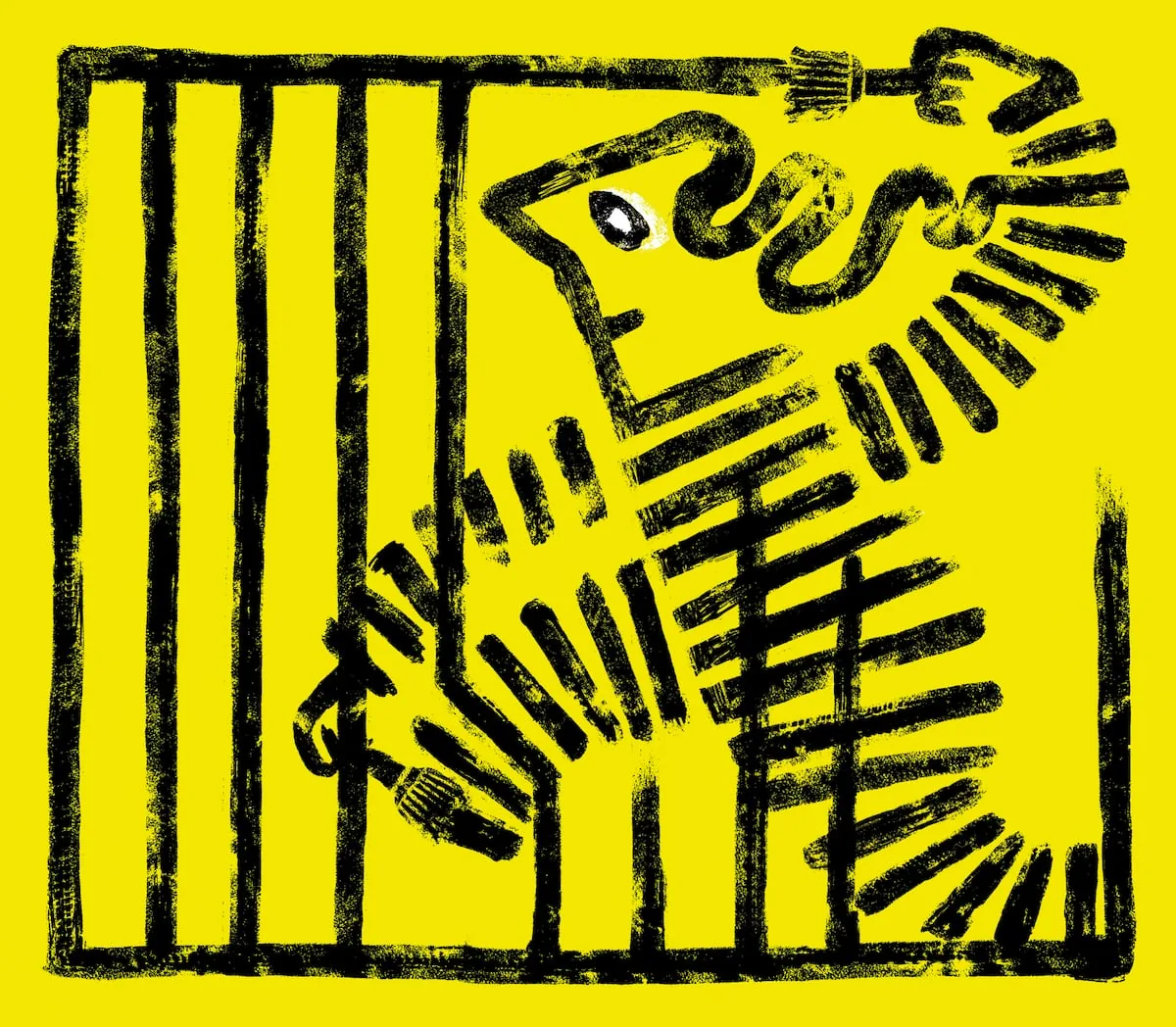
How did we get here? Why is everything neurodivergence today? The hidden side of the phenomenon is that complex diagnoses are trivialized. Many traits described as “signs of ADHD” or “indications of autism” are, in reality, common experiences under stress. On the other hand, those who do need support are also made invisible: if every difference becomes neurodivergence, profiles requiring specific intervention become diluted. All of this leads to the creation of rigid identities because, while for some people, the label functions as a relief; for others, it becomes a cage: “I can’t change, that’s just how I am.” Finally, this way, educational and health services become saturated. The demand for “express diagnoses” grows, even when they do not clinically correspond.
The fact that it occurs especially in adolescents is because they are precisely the ones who have a greater need to identify with something. Labels provide belonging and a sense of explanation. Added to this is constant exposure to psychological content on social media and a real, poorly supported emotional discomfort. Furthermore, on social media, content that abuses superficial psychological language is encountered, and contact with adults who also self-diagnose reinforces the model.
Currently, the phrase “I think I’m neurodivergent” is for many adolescents what “I’m weird” or “I’m different” was decades ago. The label reassures… but doesn’t always clarify.
How to redirect the discourse without invalidating diversity?
— Teach to differentiate traits from diagnoses: being sensitive, intense, or introverted is not a neurological condition.
— Promote comprehensive professional assessments: a well-done evaluation not only names but also understands numerous stories, contexts, and needs.
— Recover the value of nuance: not everything that hurts is a disorder. Not every difference is neurodivergence.
— Educate in emotional management and critical thinking.
— Interest in neurodiversity is positive. Understanding ourselves is necessary, and naming ourselves can be useful, but only if words retain their meaning and are not used as emotional shortcuts. Human diversity is real, rich, and complex. It does not fit into diagnoses reduced to one-minute videos.
Read more Iran’s ‘mosquito fleet’ brings guerrilla warfare to the Strait of Hormuz