





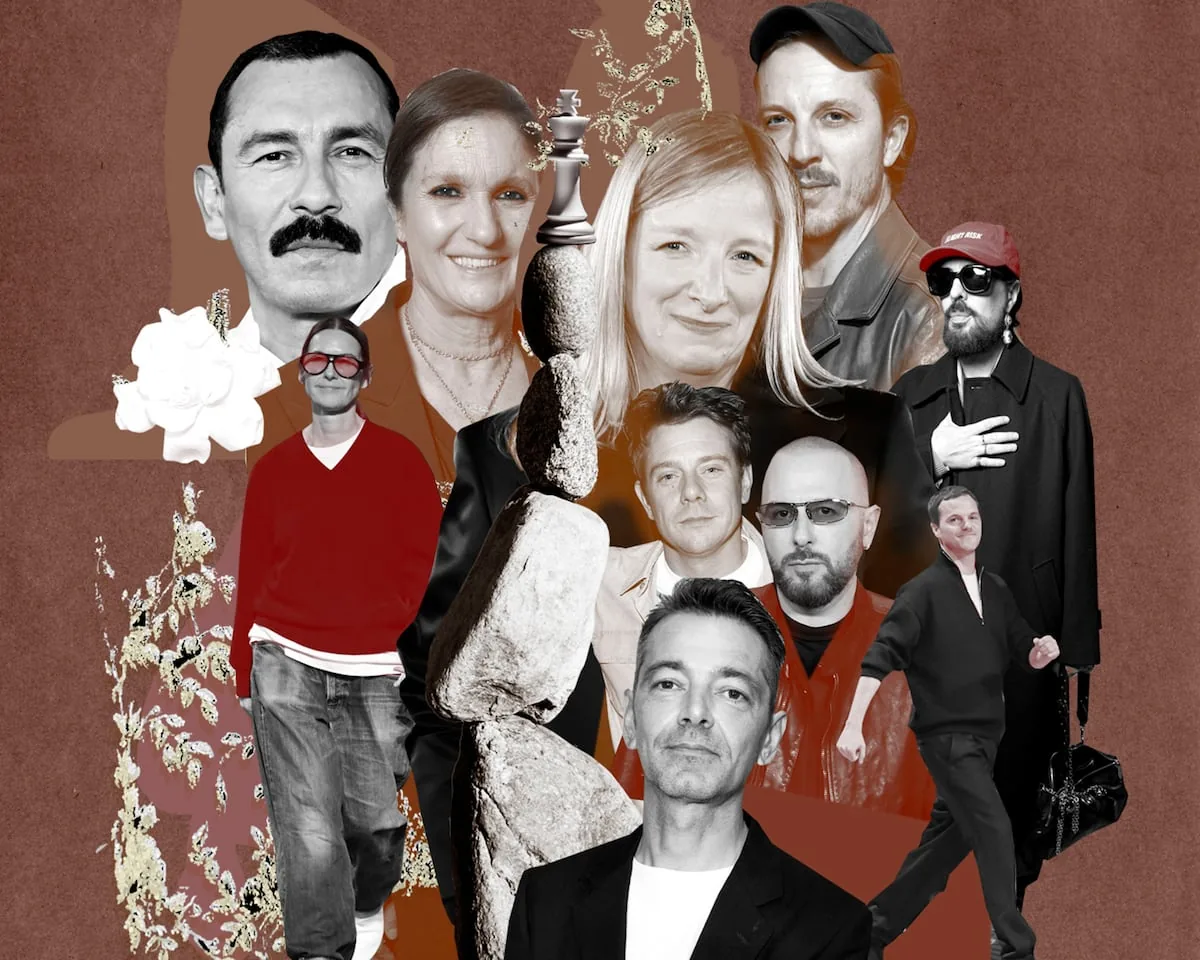
There was a time, not so long ago, when creative directors were just designers. Sensitive professionals with an uncanny ability to translate into clothing what was happening around them —that idea of breathing the air of their time and exhaling it in the form of clothes— without the executive in charge or the marketing department curtailing their actions and decisions. From the closure of their studios and workshops, they dictated the canon that, for at least six months, would govern fashion with the authority of an oracle. Today, that oracle has dark circles under its eyes, goes to therapy, consults the algorithm as if there were no tomorrow before choosing even a Pantone color, and lives with a packed suitcase, not to seek inspiration in some exotic place, but to fulfill a crazy work schedule (or in case they get fired suddenly, which also happens). More than ever a slave to bottom lines, surrendered to the rampant greed of a few (but powerful) and transformed into a content machine that threatens to devour its own foundations, the clothing industry is not only in crisis but is also experiencing, above all, a traumatic metamorphosis. So much so that the challenges its creators face right now, from the titans steering luxury ocean liners to the independents who are painstakingly trying to survive in a market dominated by large conglomerates, have ceased to be aesthetic and have become existential.
Read more Is everything really neurodivergence today?
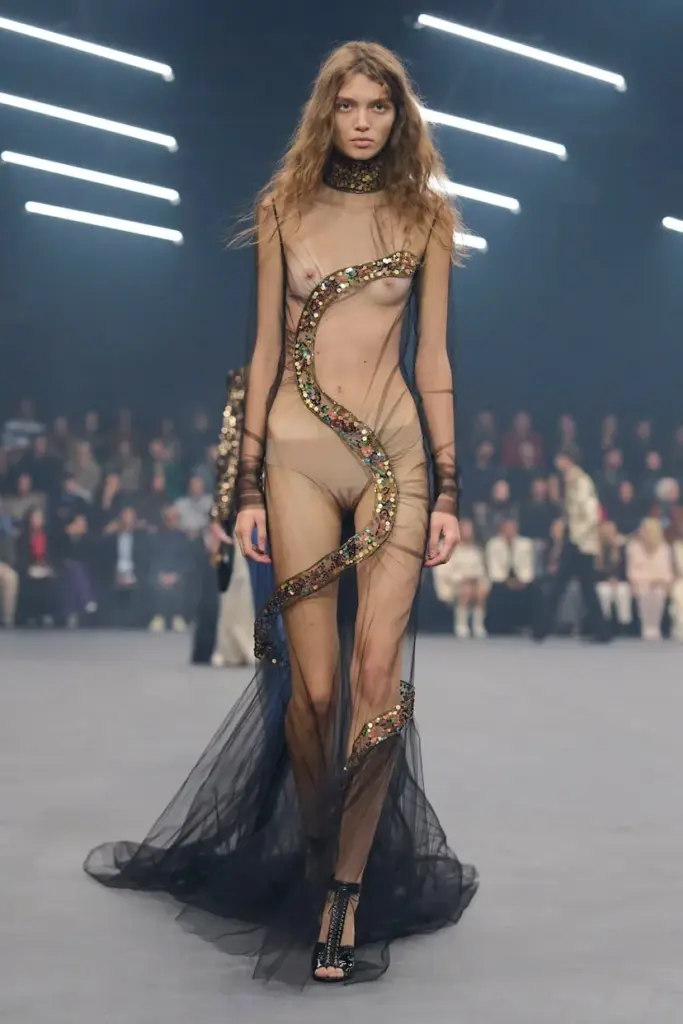
For the creative directors of major brands, the challenge is no longer the perfect pattern, but the viral frame. The tyranny of infinite scroll has turned the runway into a set where clothes are mere props for a meme. From her vantage point at the digital The Cut, veteran American fashion critic Cathy Horyn starkly summarized the situation three years ago: “We have moved from fashion as cultural expression to fashion as dopamine management.” It’s normal for creative directorships to last as long as a rental contract, or less (see the case of Dario Vitale, dismissed from Versace at the end of 2025, barely eight months after succeeding Donatella). Such pressure is ultimately responsible for the almost obscene game of musical chairs we’ve witnessed in the last two seasons. “The system burns through talent at cruising speed. Besides designing, they are asked to be social media managers, sustainability experts, and ambassadors for their own masters. It is humanly impossible to maintain relevance without the creative’s identity crumbling,” notes British consultant Alice Black, former co-director of the London Design Museum. “We have gone from selling a dream to satisfying a constant demand for ephemeral euphoria and gratification. You no longer create a collection, but a series of Instagram moments that justify the price of a handbag. If the image doesn’t work on a screen, your work doesn’t exist for the marketing department,” reflects the former creative director of an LVMH group brand who, of course, prefers to remain anonymous. “The problem is that the margin for error has been reduced to zero. If a collection doesn’t generate a positive trending topic and immediate sales in the first week, the entire project falters,” another confessed sotto voce after his show in Paris last February.
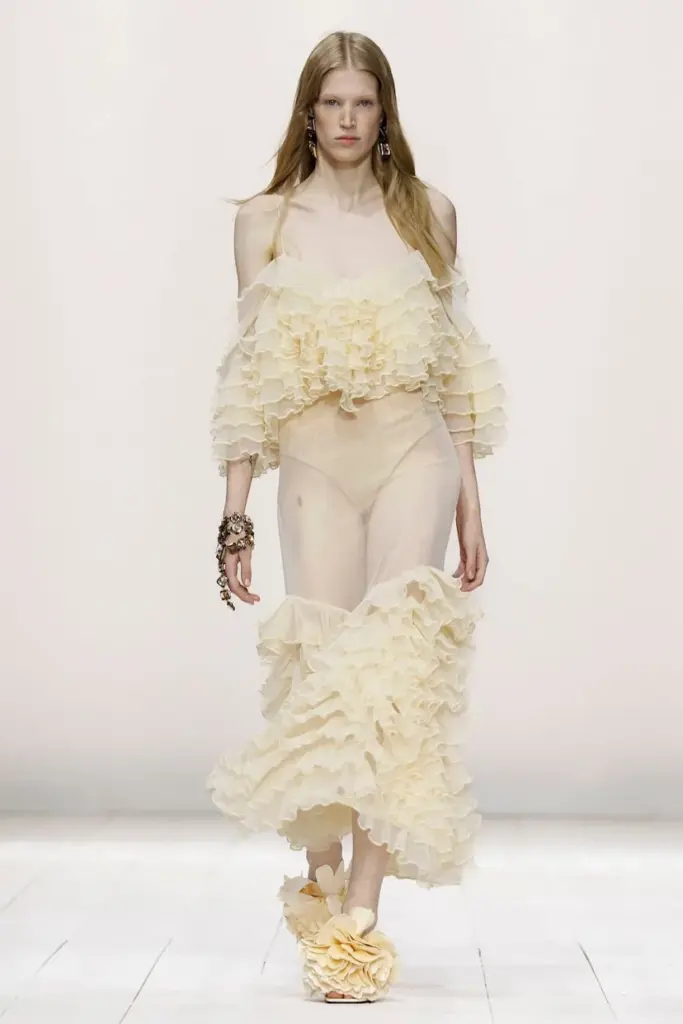
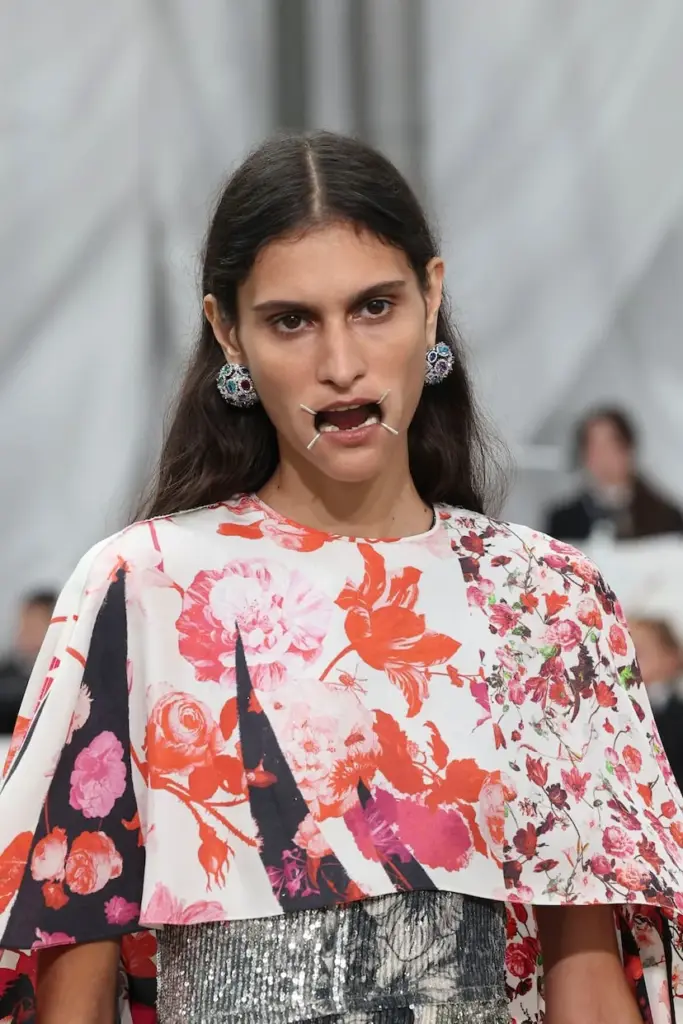
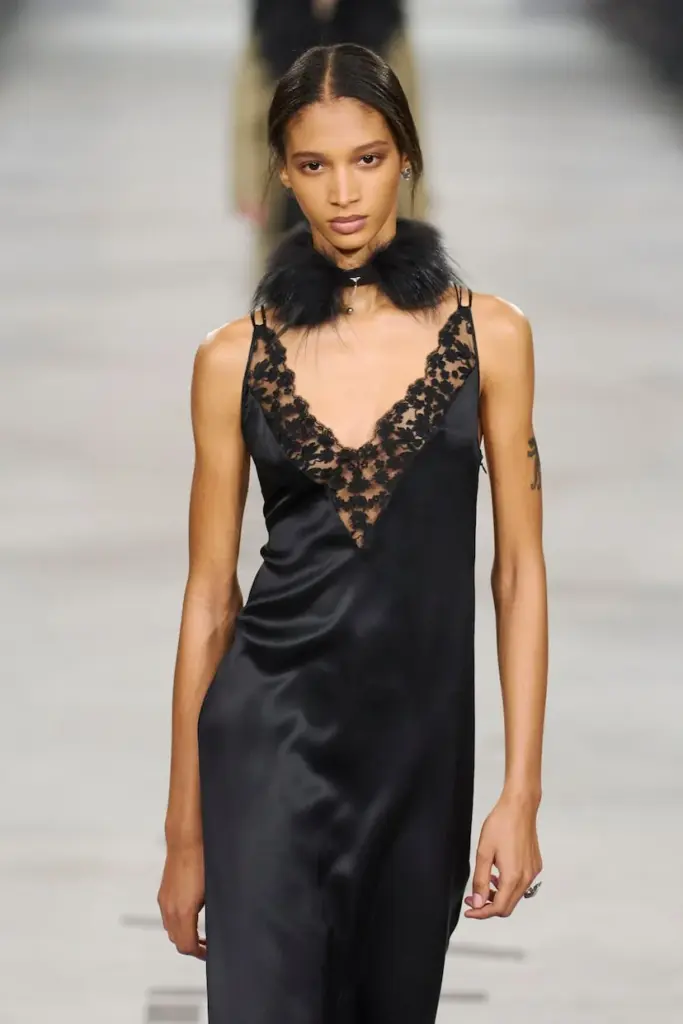
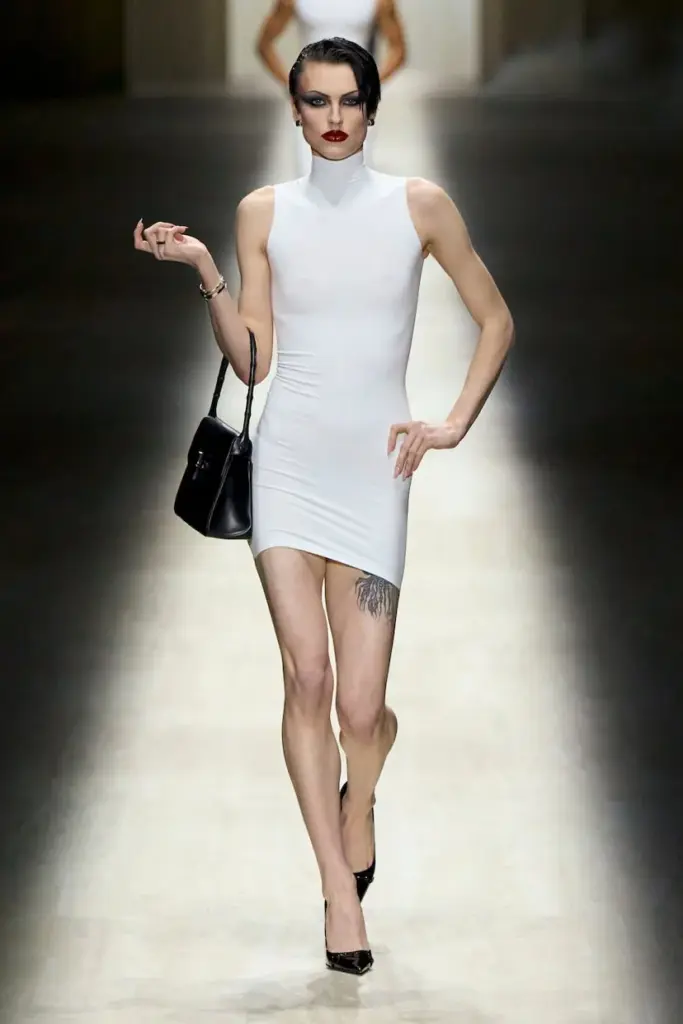
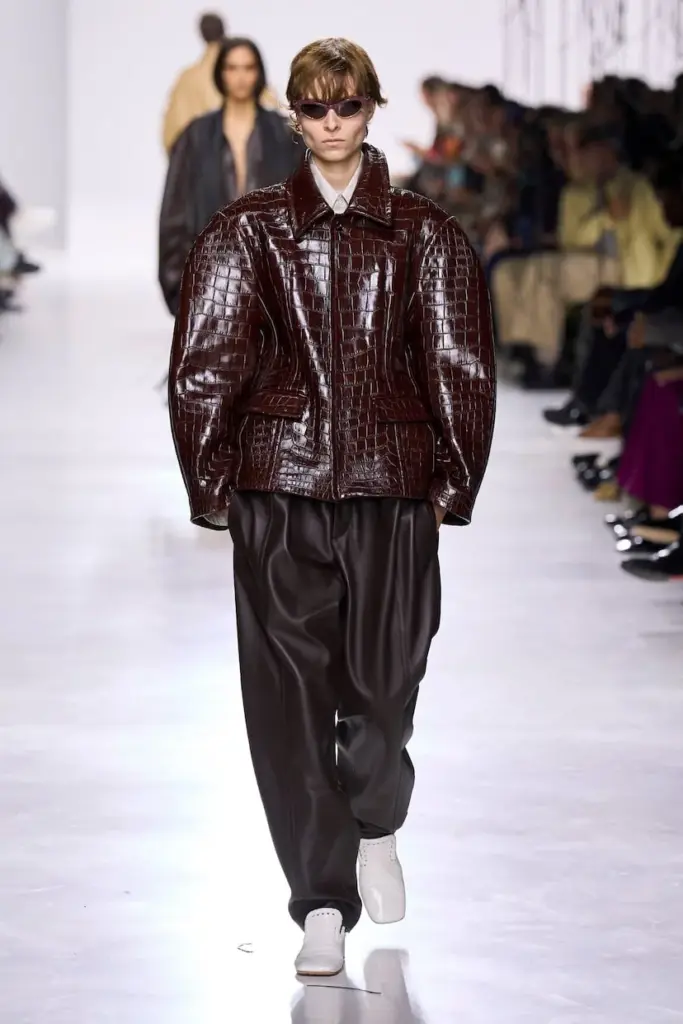
This dictatorship of data and immediacy has caused luxury, once a bastion of exclusivity and slow time, to suffer from creative agoraphobia. While the sector’s flagships take refuge in merchandising and the repetition of algorithm-validated formulas, the space for avant-garde narrows. The paradox is perverse: we have never had access to so much clothing, yet fashion has never been so homogeneous. That aforementioned non-existent margin of error is not, in this case, an aesthetic coincidence: it is a financial requirement. Behind the century-old logos operate holdings and investment funds whose logic does not understand creative maturation processes, but rather quarterly dividends. By imposing a dizzying industrial production pace on creative expressions that, by definition, would require pause, these investment and venture capital groups have inoculated systemic toxicity into the business. In this new hierarchy, moreover, the designer no longer answers to fashion history, but to market analysts and expert committees who audit each runway show under the cold metric of return on investment. The responsibility of these giants —LVMH, Kering, or the recently expanded Prada Group— has mutated: they have gone from being patrons of talent to becoming managers of multi-billion dollar assets.
Herein lies the great hypocrisy of contemporary luxury: annual sustainability reports gleam on glossy paper while creative directions are crushed in offices at the slightest sign of sales stagnation. If design is currently dopamine management, investment groups are the pushers of a system that needs increasingly frequent novelty shots to keep stock prices high, no longer allowing for silence or introspection. Faced with such a scenario, the object —the dress, the jacket, the shoe— becomes collateral damage. If the garment cannot bear the weight of the digital narrative or the expectation of profitability, it is simply discarded. We no longer buy fashion; we buy participation in a financial event disguised as a trend. Or as an aesthetic, in Gen Z language. It is thus understandable that consumers are turning their backs on luxury. The slowdown in China is not a temporary blip: it is a paradigm shift. The guochao phenomenon (preference for local brands) and a new ostentatious sobriety imposed by the economic climate have led the once insatiable Asian buyer to start seeing European logos as relics. In the other key market, the US, the outlook is no better.
Read more I am a university student in the United States but I didn’t know it: the «ghost students» scam
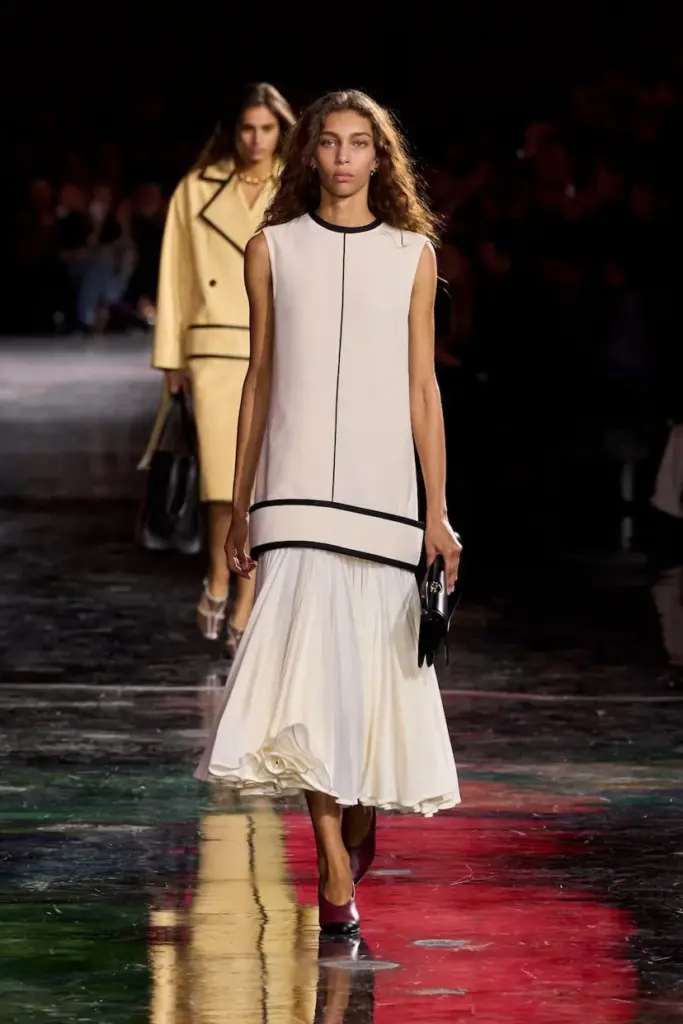
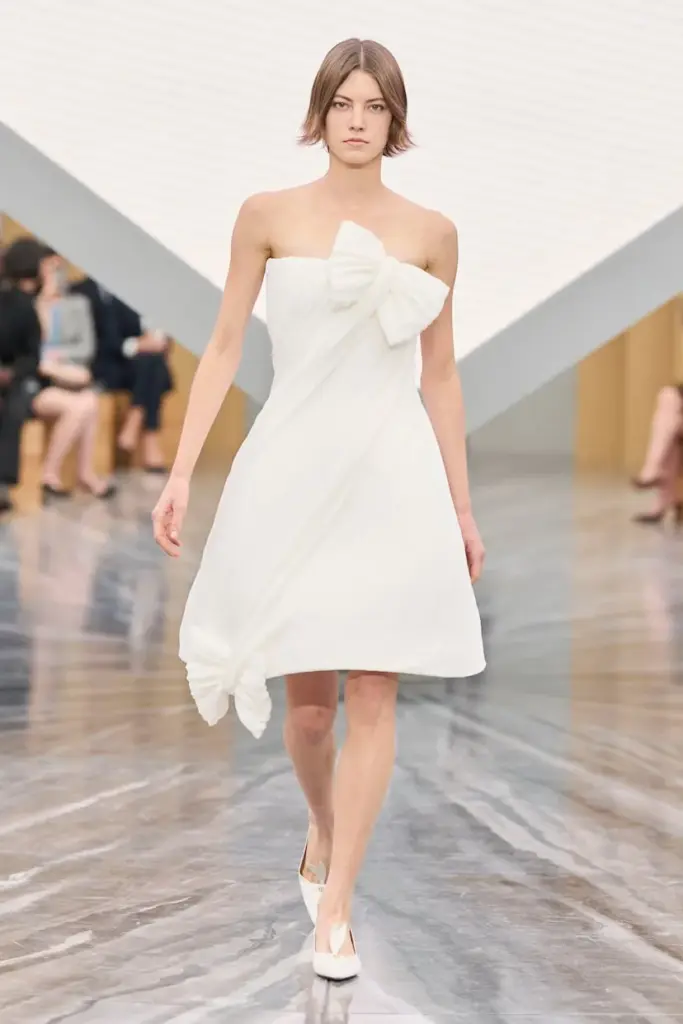
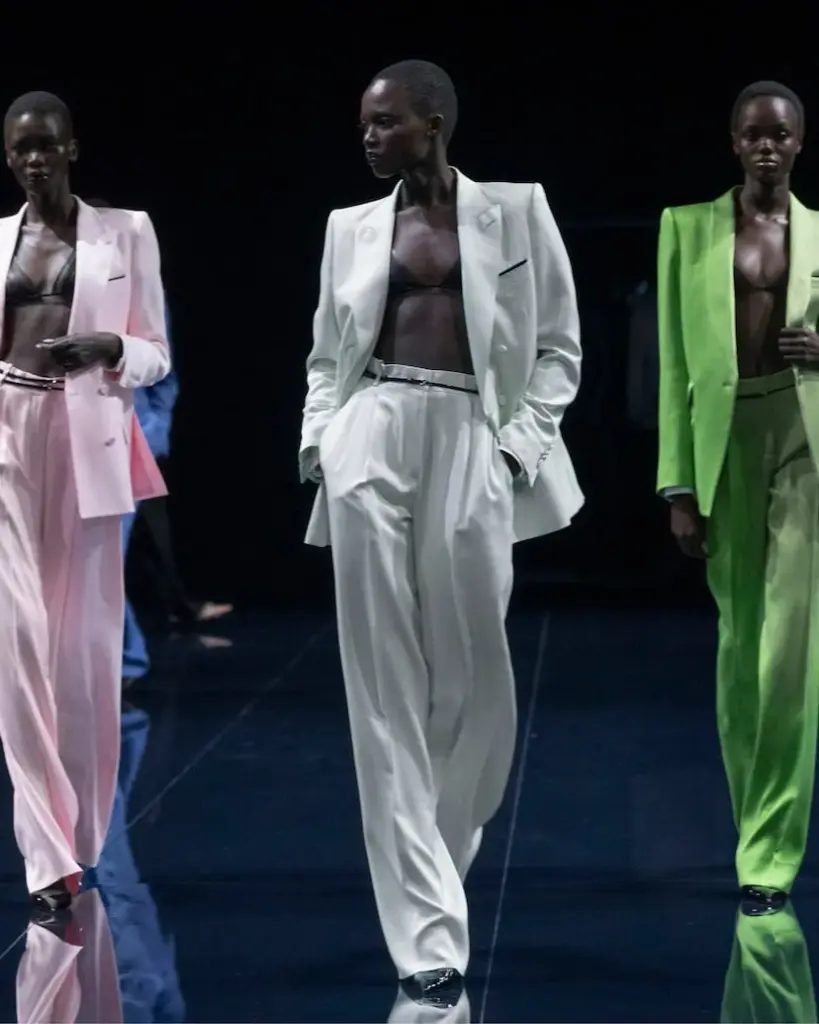
Spain offers its own interpretation, marked by the long shadow of Inditex. While the Arteixo empire reported a record net profit of 6.2 billion euros at the close of the 2025 fiscal year, designer fashion is engaged in a quixotic struggle. “Spain is a market of extremes: either you are a logistics giant or an artisan of resistance,” stated designer Modesto Lomba, shortly before leaving the presidency of the Association of Fashion Creators of Spain (ACME) in November 2025. The challenge for so-called slow fashion —the ecosystem of medium and small designers and brands, true guardians of national aesthetic identity— is not only creative but also structural: to produce in a country that has dismantled much of its textile industrial fabric to make way for fast fashion (wear little) and throw away. What a paradox: we have the largest distribution group in the world, but our independent creators struggle to find local workshops that are not overwhelmed or on the verge of closure.
Given this, the solution will not come from another collaboration with a K-pop star or the signing of the celebrity of the moment as an ambassador (the musician Guitarricadelafuente has just entered Dior’s pantheon via Jonathan Anderson). It requires, in any case, a total re-engineering that embraces transparency, auditing the supply chain down to the last link; the deceleration of an infinite growth model, incompatible with an exhausted planet, by producing less, charging fairly, and repairing more; and the weighting of value over volume, recovering true exclusivity. That, and ceasing to treat designers as mere executors of a brand strategy, interchangeable and subjected to economic efficiency driven by data. Having reached a point of no return, if the fashion business does not regain respect for those who sew and those who dress, it will end up being a new suit for an emperor whom, finally, everyone will see naked.