


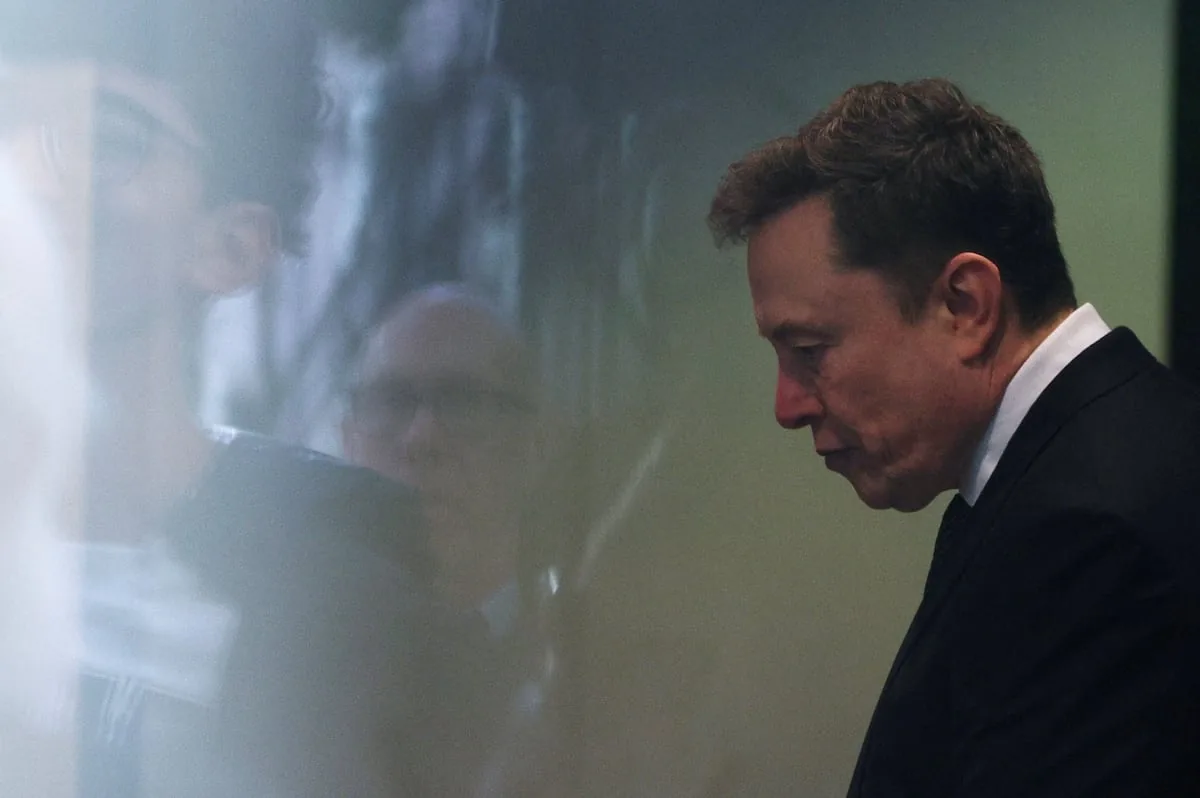
Elon Musk has returned to the witness stand in the Oakland courthouse in California, in his legal crusade against OpenAI, the artificial intelligence company he co-founded with Sam Altman, whom he has now made his number one enemy. One day after recounting how his beginnings in the tech company were and warning about its dangers (in his first day of testimony he stated he had “extreme concern about AI”: “It could kill us all”), this Wednesday he focused more on explaining why he left the company and responding, not very politely, to questions from OpenAI’s lawyers. Also, this time Altman was present in the room, motionless, with a small notebook in hand. The testimony will resume on Thursday.
After eight-thirty in the morning until two in the afternoon, in a room completely full of onlookers and journalists, the magnate took the stand and did so forcefully: one of his first phrases was that the tech company wants “to have the cake and eat it too,” a common English phrase referring to wanting it all, that is, to be both a for-profit company that makes money and a charitable association. That is precisely the epicenter of Musk’s legal battle: he claims he created OpenAI intending it to be a non-profit entity to help humanity, but Altman changed its business structure and enriched himself with it. Therefore, Musk demands compensation of 150 billion dollars (almost 130 billion euros) which he says he will donate to charities, although he has not specified further. Altman and his team deny this and claim Musk was well aware of that structural change and that this is a business maneuver in his favor.
During the testimony, emails surfaced — friendly at first, more heated later — that Musk, Altman, and Greg Brockman, the other co-founder and now OpenAI’s president, exchanged over the years. The richest man in the world showed how, in that exchange, he always opposed the tech company becoming a for-profit business; he only wanted it to be “good for human beings.” According to him, he always prevented it from chasing profit because it was “a very bad decision” and he saw himself as the person who had to stop it.
But during his questioning, OpenAI’s lawyer also showed him another series of emails where he talked about creating a company he would control himself. He also brought up meetings he had with Altman, Brockman, and Shivon Zilis, one of his right hands at OpenAI and Neuralink, as well as the mother of several of his children. The company claims Musk made moves and had meetings to turn OpenAI into a profit-making entity. He appeared very uncomfortable with the questions and insisted that was false. Facing William Savitt, OpenAI’s legal defender, Musk changed his tone, becoming more combative. “Your questions are not simple. Your questions are designed to test me, basically,” he said angrily, then began answering only with monosyllables. The judge even asked them to “calm down.”
“I was an idiot who provided them free funding to create a start-up.”Elon Musk, in the OpenAI trial
Musk portrayed himself in the hearing as a good guy, sometimes naive, as someone who was deceived. “I was an idiot who provided them free funding to create a start-up,” he said. “I gave them 38 million dollars of practically free funding to create what would end up becoming a company valued at 800 billion dollars.”
He also acknowledged that “it’s possible” he called someone in the company “jackass,” but that he never loses his manners or yells at anyone: “Sometimes you have to use language that takes people out of their comfort zone.” However, he couldn’t help raising his voice when, mid-morning, it was Savitt’s turn, the opposing lawyer. “Without me, OpenAI wouldn’t exist!” he exclaimed when asked about his relatively modest financial contribution to the development of that technology. “I contributed my reputation! All those things have value.”
The tension escalated throughout his testimony, with Savitt putting the billionaire on the ropes; so much so that he even had to withdraw some questions. At the end of the morning, the lawyer tried another tactic: presenting to the jury the close relationship between the billionaire and President Donald Trump, for whom he has been an advisor on artificial intelligence matters.
Read more The prosecutor requests 447 years in prison for paparazzi Gustavo González in the ‘Sálvame case’
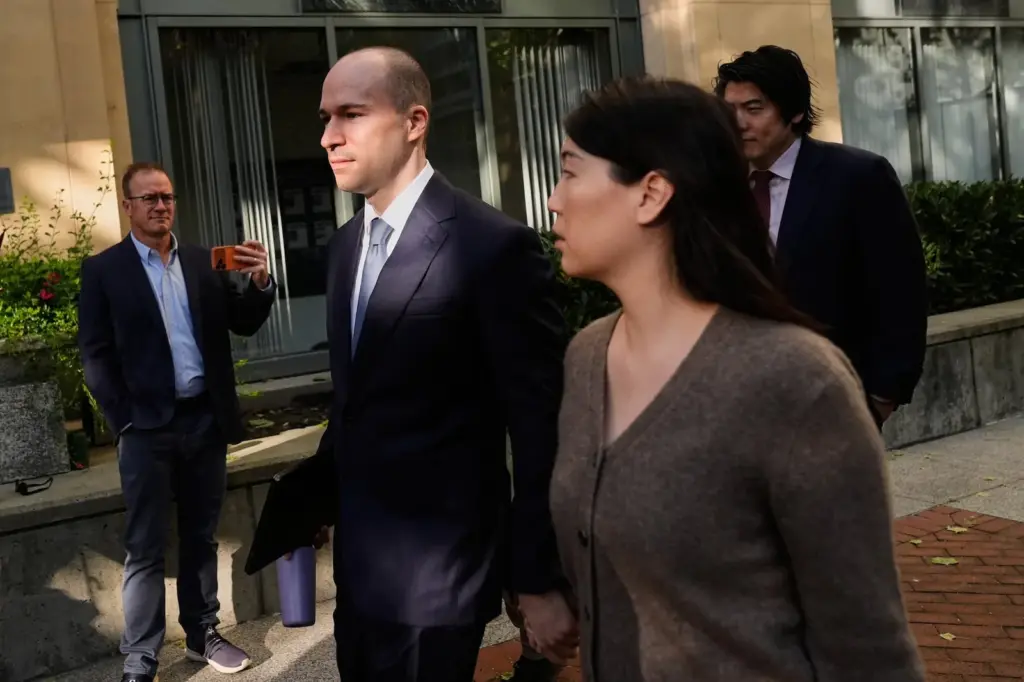
When Musk invested those millions a decade ago, he did so in what could be a kind of alternative to Google for the benefit of humanity, he argued. But in 2018 he decided to leave the ChatGPT parent company, a departure he has regretted on more than one occasion. Now he stated in the hearing that he left because he had to try to save Tesla from an imminent bankruptcy at the time, dedicating hundreds of hours, days, and nights to the automaker, and he didn’t have time to be there.
Since then, the company flourished, both in popularity and millions: today its value is estimated at about 840 billion dollars, and it is preparing a lucrative IPO. But he continues insisting that this was not his goal, and that is why two years ago he decided to sue it, as well as Microsoft, its main partner now, which by 2022 had invested about 10 billion dollars in this technology. “They won’t put 10 billion into anything unless they have a huge return,” Musk said about the tech giant. In fact, after that investment, Altman offered him to participate again in the company, and he refused, stating that by then he had “lost trust” in his former partner: “Frankly, it seemed like a bribe.”
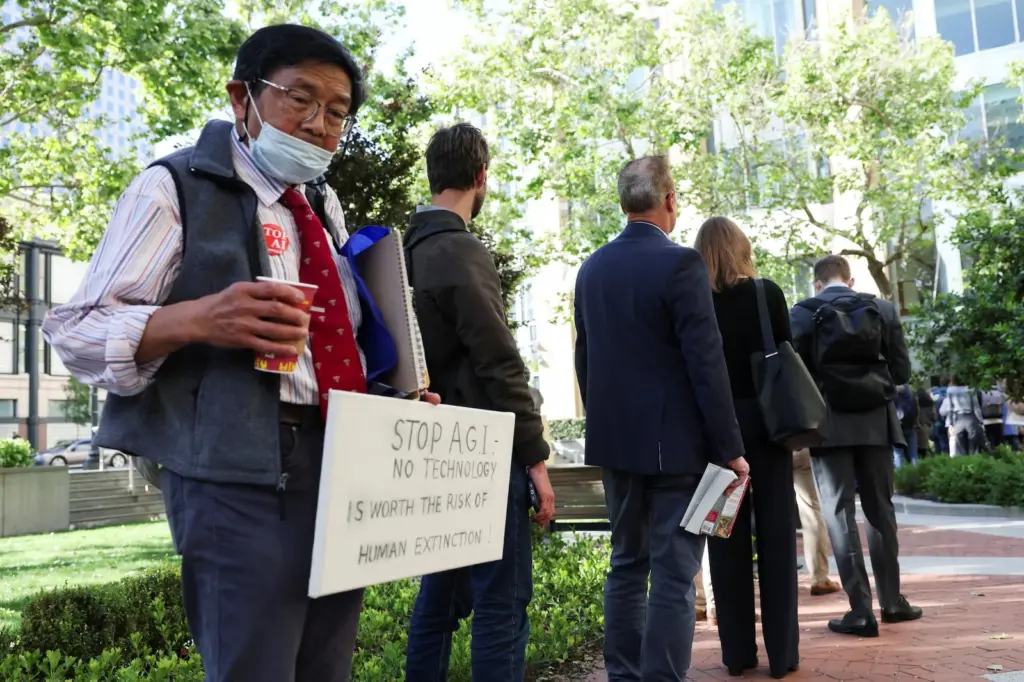
In his complaint, as in this trial, he has spoken about the dangers of a non-profit organization turning into a private company and the precedent that could set, as well as the risks of this technology falling into few hands. However, Musk himself also has interests beyond the good of humanity: he has his own artificial intelligence company, xAI, which a couple of months ago merged with SpaceX. Both are now valued at 1.25 trillion dollars. Hence, hindering the development of OpenAI, which he had to admit to the jury is “technically a competitor,” could help his own xAI flourish stronger and faster. And he founded that with full profit intent, although he claims that is not the issue, but the change from one model to another.
In fact, one of OpenAI’s main arguments against Musk’s lawsuit is why it took him almost a decade to sue them if he saw that change from non-profit to for-profit company so badly, and that the lawsuit precisely came after Microsoft invested in OpenAI and especially after he founded xAI. He has assured he would have done it earlier if he had “known they were stealing from charity.” Musk, in a savior tone, asked the judge: “With all due respect, do you really want Microsoft to control all digital superintelligence?”
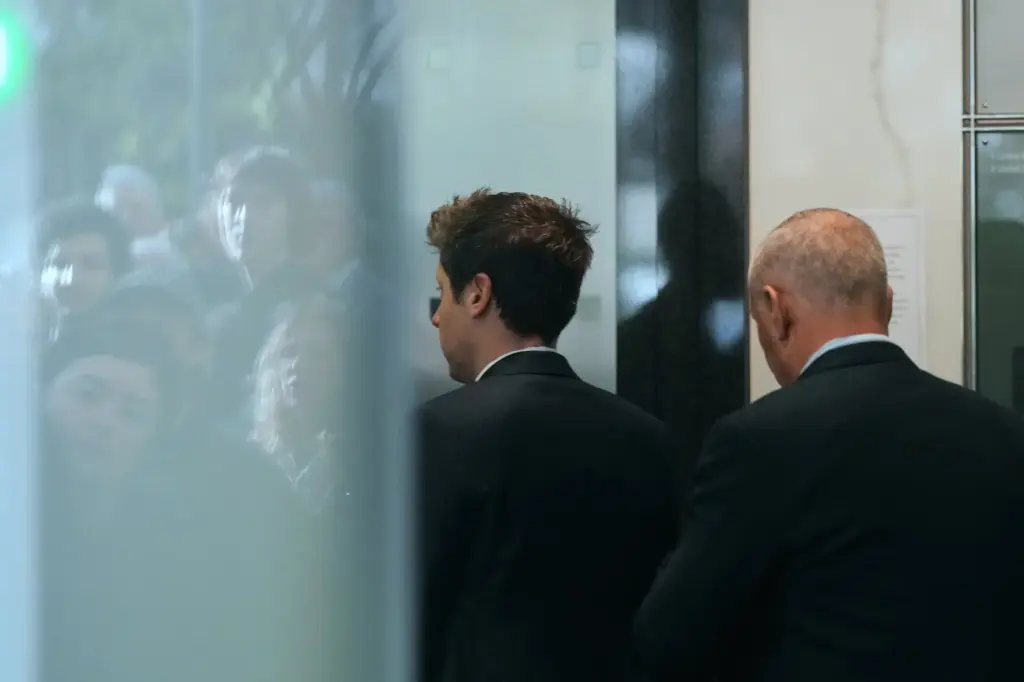
On Monday, the selection of the nine jury members took place in Oakland, but the real trial began on Tuesday, with opening statements and Musk’s early testimony. Besides the SpaceX creator, juicy witnesses will take the stand such as Sam Altman himself; Microsoft CEO Satya Nadella; former OpenAI technology head Mira Murati; robotics engineer Tasha McCauley, who was part of the company’s board and tried to remove Altman; and former Neuralink executive (Musk’s neurotechnology company) and part of OpenAI’s board, Shivon Zilis, who is also the mother of at least four of Elon Musk’s children. On Thursday, the hearing will resume with Musk returning to the stand to finish his verbal duel against lawyer Savitt. Afterwards, one of his lawyers is expected to testify.
Amid all this noise, the case judge, Yvonne Gonzalez Rogers, 61 years old and experienced in tech litigation, is trying to maintain a low media profile, something almost impossible. Before starting Wednesday’s hearing, she scolded one of those present for taking photos the day before, as it is prohibited, and also demanded Musk post as little as possible on the social network X; however, the magnate is struggling with that.