





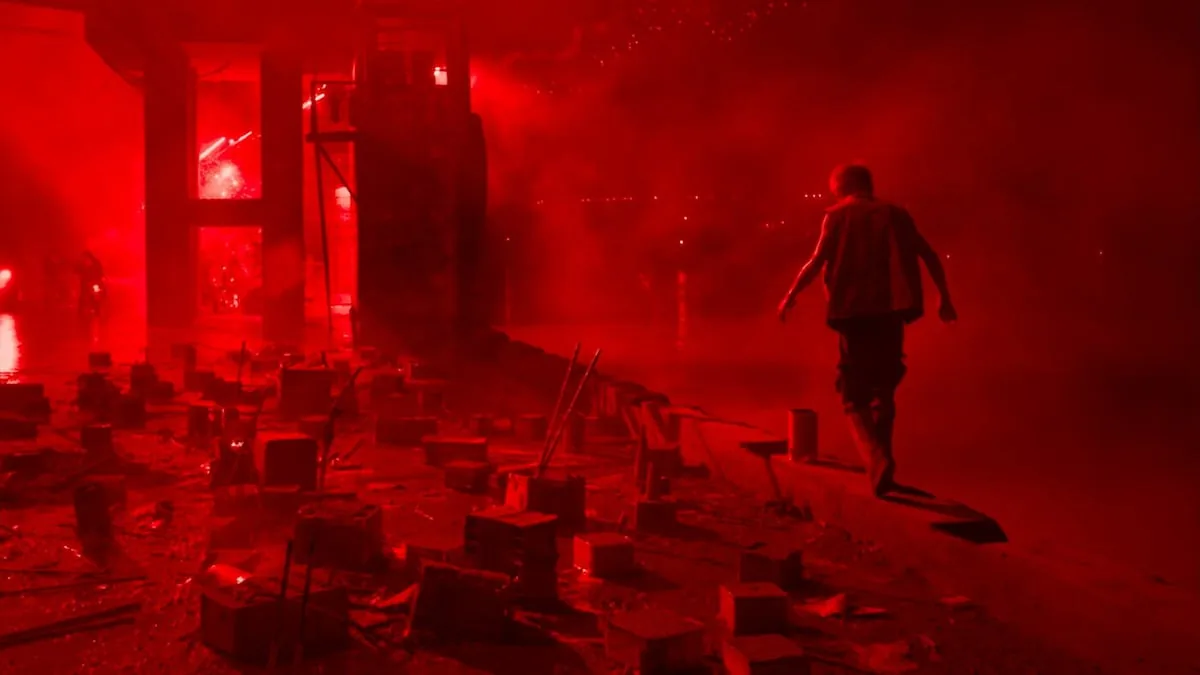
There is no current film like Resurrection. There is no contemporary filmmaker like the Chinese Bi Gan (Kaili City, Guizhou province, 36 years old), who pulled out of his sleeve, in his second film, Long Day’s Journey into Night (2018), a colossal finale: a 58-minute 3D long take. So Resurrection, his return to cinema, sounded like a major event at the last Cannes festival. It was, and it won the Special Prize. Because it goes beyond being a science fiction film, cinema that talks about cinema (with, even, films within the film) and traces its history and formats through its five chapters and 100 years. It is a dream in a world where no one dreams anymore. A hallucination made with tangible effects in the middle of the digital empire. An excessive film that pays tribute while longing for old ways of storytelling. A meticulous chromatic artifact inspired, Bi Gan says, by a discovery made by an assistant: “The paintings of Mark Rothko.”
Read more Madonna with Sabrina Carpenter and the obsession with sounding eternally young
For its creator, sitting down to verbalize Resurrection is tiring. “I prefer the viewer to wander through the film,” he said last November at the Seminci in Valladolid. This may be the best way to enjoy such cinematic extravagance: leaving any reasoning and cerebral analysis at the door of the movie theaters. “For me, the film was born as a poem. I have been writing poetry since I was a child.”
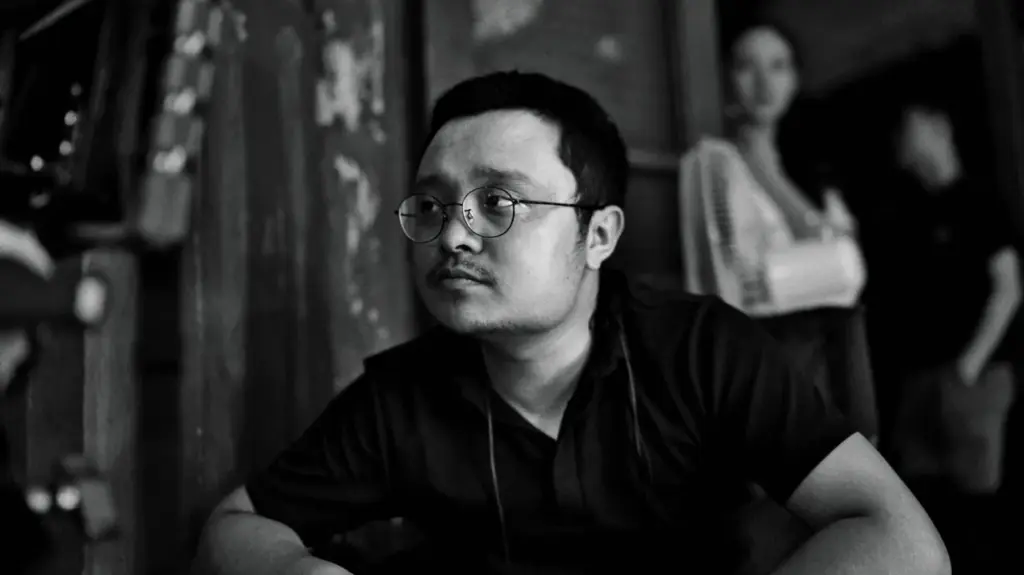
This is how he builds his scripts: “I start from a poetic artistic concept, and then I gradually specify. The whole process consists of materializing these ideas, and that’s where I suffer. In Resurrection there are many poetic parts that are difficult to tell simply as a story. I need the cinematic language to build them.” There is no longer time or money to throw oneself into such creative leaps in the rest of world cinema.
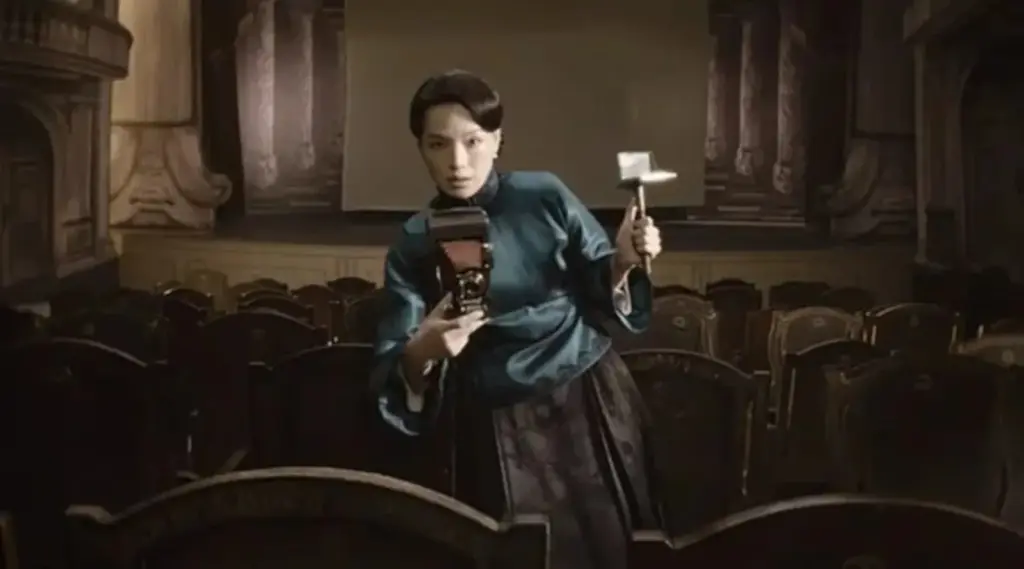
This different approach to film creation, which brings him closer to a director who has influenced him greatly, Tarkovsky, means that each episode “is conceived as a film genre, but also revolves around each of the five senses.” Additionally, there is a sixth, the prologue, “which would be the mind, like the senses defined by Buddhism.” Because, he explains, “we live in a world of very advanced technology; we depend on it completely. That’s why we have to remember that what we really need is our body.”
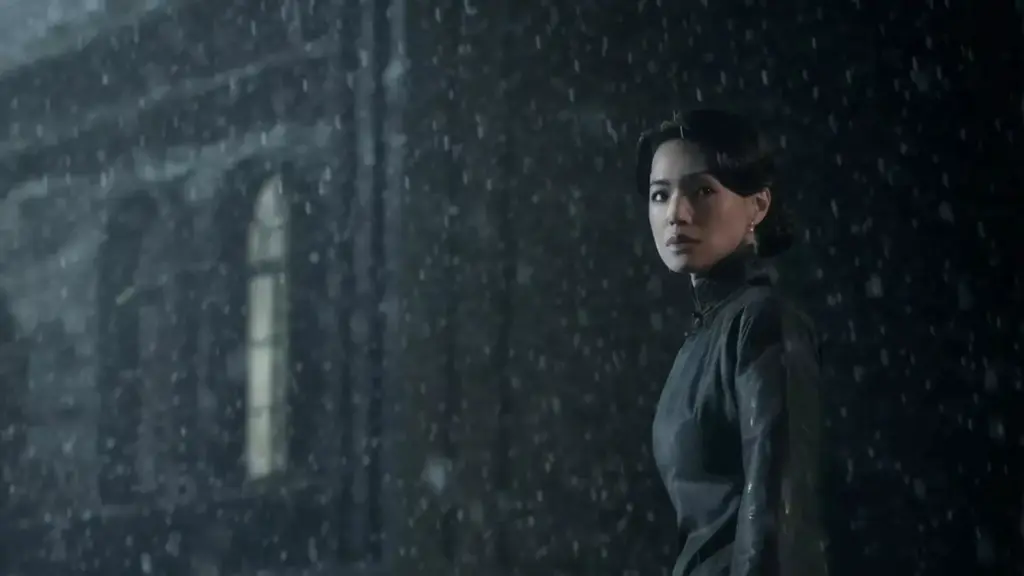
Bi recalls that, before going to university in Shanxi, the first film he liked was “one by the Hong Konger Stephen Chow.” And he laughs: “I had never received artistic education. The only thing was, I wrote poems. My father is a driver and my mother, a hairdresser. So my deepest knowledge, and I think it’s very important, comes from real life, not from vicarious notions.”
Read more Matchday 34 of the League: schedules, results, and match summaries
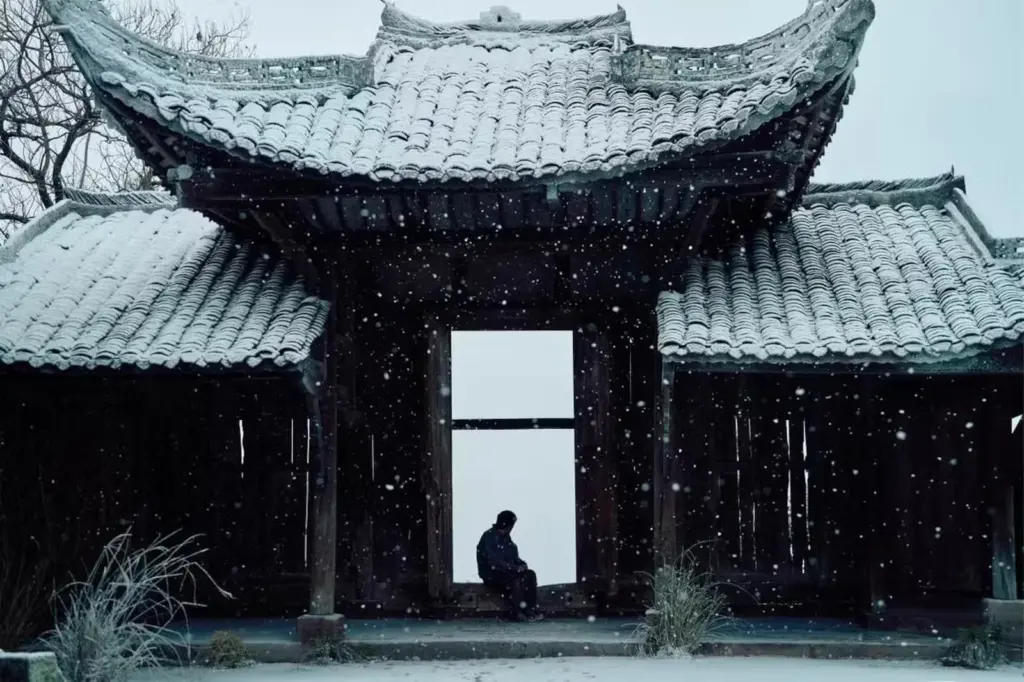
To escape that world, he looked for a university far from his hometown. “I ended up in a television faculty. But, curiously, the professors there taught us cinema. And on top of that, very close by, there was a DVD store with films from all over the world. That’s how I got to know the great universal filmmakers, like Tarkovsky, Antonioni, Almodóvar…,” he recalls. An example of that strange influence is that, “to analyze how cinema reflects the passage of time,” while writing the script for Resurrection he reviewed several times The Last Emperor, by Bertolucci.
Something has changed in his cinema compared to his two previous films. “It’s a philosophical question. Resurrection is born from a different question. This time, I started by considering who created me. Sorry, who portrayed me. And how the current situation, the people around me, intertwine in my cinema. That is, who is the creator and how the results of their work influence mine. The search for the answer pushed me on a journey of one hundred years,” he breaks down, through a translator.
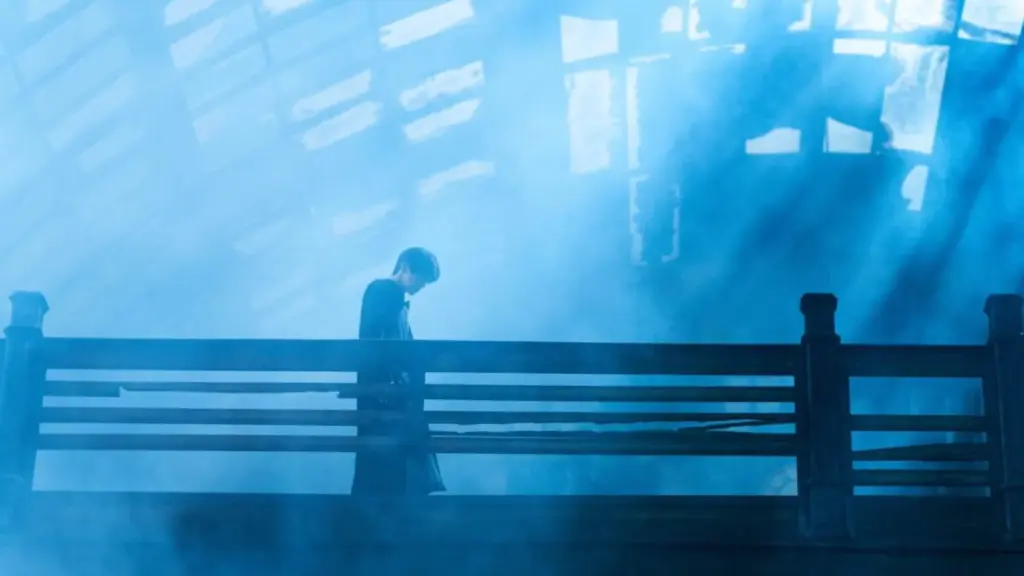
That journey is that of cinema: that of the Lumière brothers, Méliès, German expressionism, film noir, nouvelle vague, Akira Kurosawa, vampire cinema, Wong Kar Wai, the melodrama of classic Hollywood… Even Jean Vigo and L’Atalante. Bi Gan explains: “Some are obvious, obligatory, right? At the beginning, I chose some styles, but the narration demanded, in some episodes, other ways. For example, the second changed until it reached noir. The third needed a scientific, post-Cold War aesthetic. Unfortunately, I didn’t know how to take the monster into space, because even though they are dreams, they must maintain internal logic and I didn’t find the solution. I forgot about space and moved the story to a temple. The last chapter also underwent numerous variations, until it reached its poetic aesthetic.”
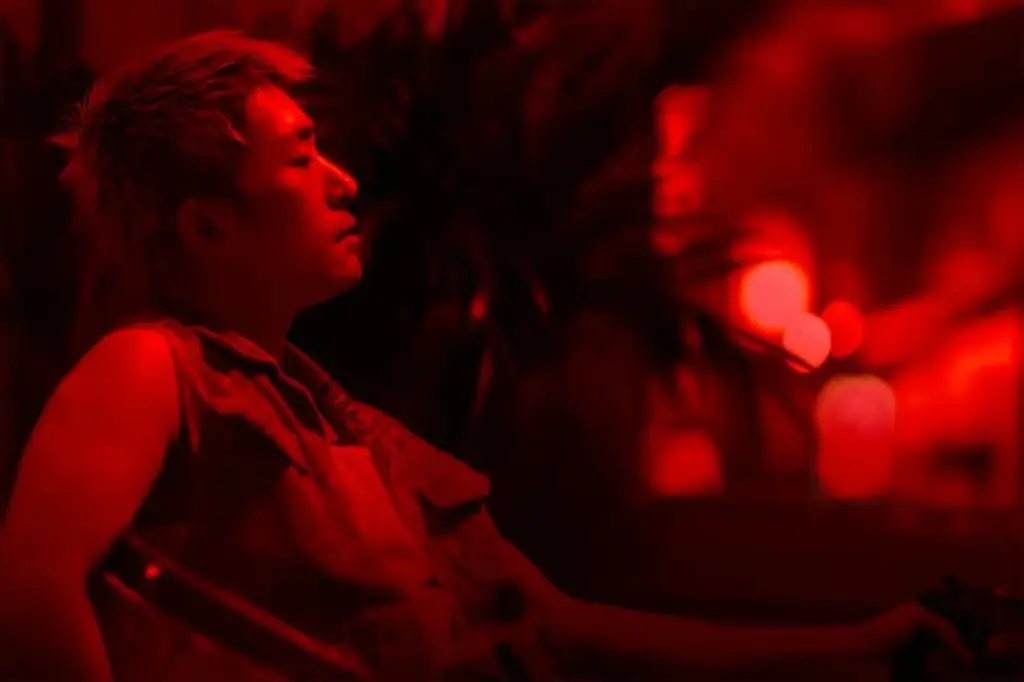
Aren’t you afraid that someone might consider watching Resurrection on a mobile or tablet? “For a long time, cinema has already been watched on television. That is, for decades there have been people gathering in front of a screen to watch cinema. So if someone overcomes their loneliness by facing my film on a tablet, welcome. I took a detour around your question because the real issue is whether there is a film in the products of the platforms.” And he bursts out laughing.
Read more F1 Miami GP: schedule and where to watch the race live