









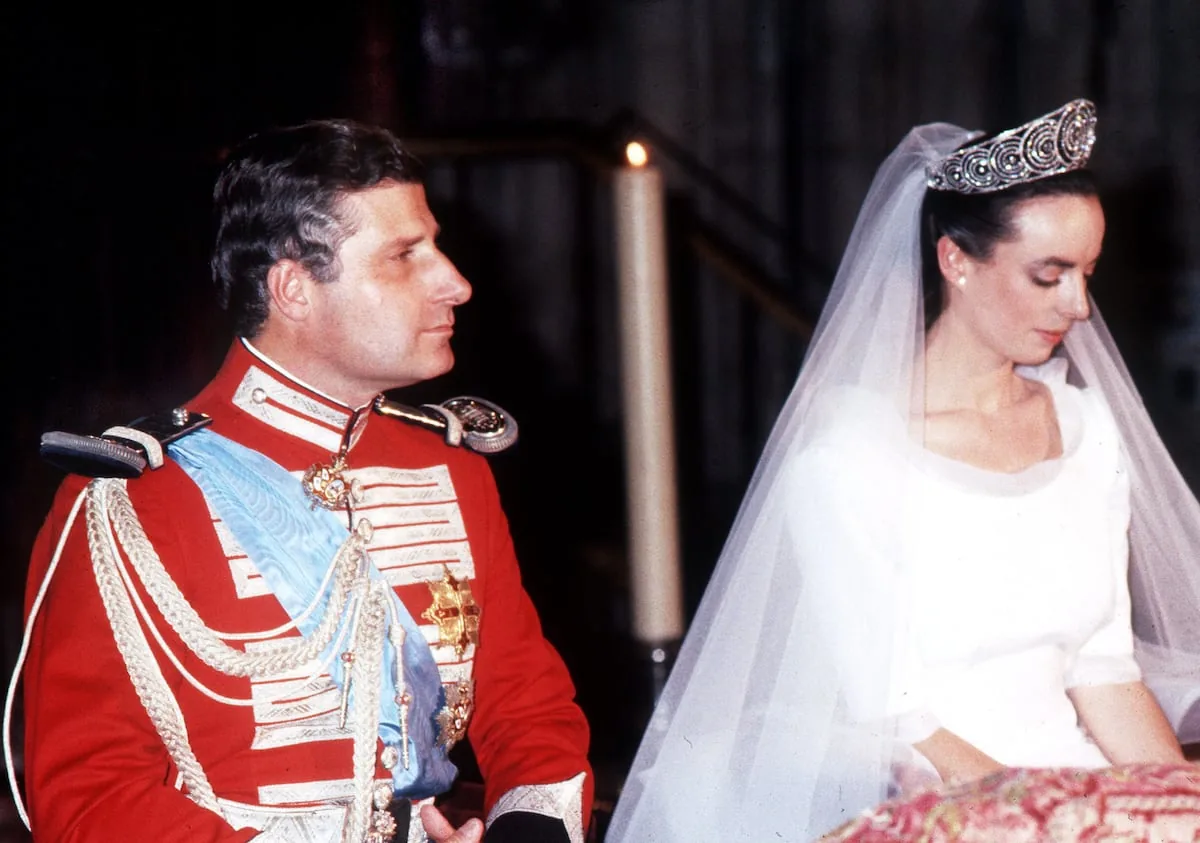
The tiara called “the Russian,” inherited by the Duchess Cayetana de Alba from her maternal grandmother, has been sold in the United States for two million dollars to a buyer who remains anonymous. The aristocrat, who passed away on November 20, 2014 — and is once again the subject of several books, a documentary, and tributes for the centenary of her birth — stated in her memoirs, Yo Cayetana (Ed. Espasa, 2011), that she had parted with the jewel in the nineties. She wanted to give a competition horse to her son Cayetano, who had a promising career as a rider. Missing for years, the diadem was owned by a private collector who asked the American gallery M.S Rau, in New Orleans, to show it to a client. Convinced, this client has now become the new owner of the piece.
Read more Journalism according to Tellado
It is rare to find tiaras of this caliber outside royal collections and museums. M.S. Rau had “the tiara some time ago, but we returned it to the owner, a private collector,” assures Bill Rau, owner of the art business, in WhatsApp messages. “He is the one who sold it,” says the gallery manager who recently sold a Renoir that also belonged to the Duchess of Alba. The client was able to see the tiara “at our headquarters, and it was purchased here, in the United States,” he adds.
Nicknamed “the Russian” because of its kokoshnik shape — the traditional halo-shaped headdress in Russia — it has a geometric design with hundreds of embedded antique diamonds. “It is a marvel of the style from the reign of King Edward VII [1901-1910],” in the United Kingdom, notes the gallery’s statement with the description. Jewelers of that period worked with platinum, which is much stronger than gold and silver, “and the concentric circles of this tiara are crafted with delicate openwork and perforations that imitate embroidery and lace.”
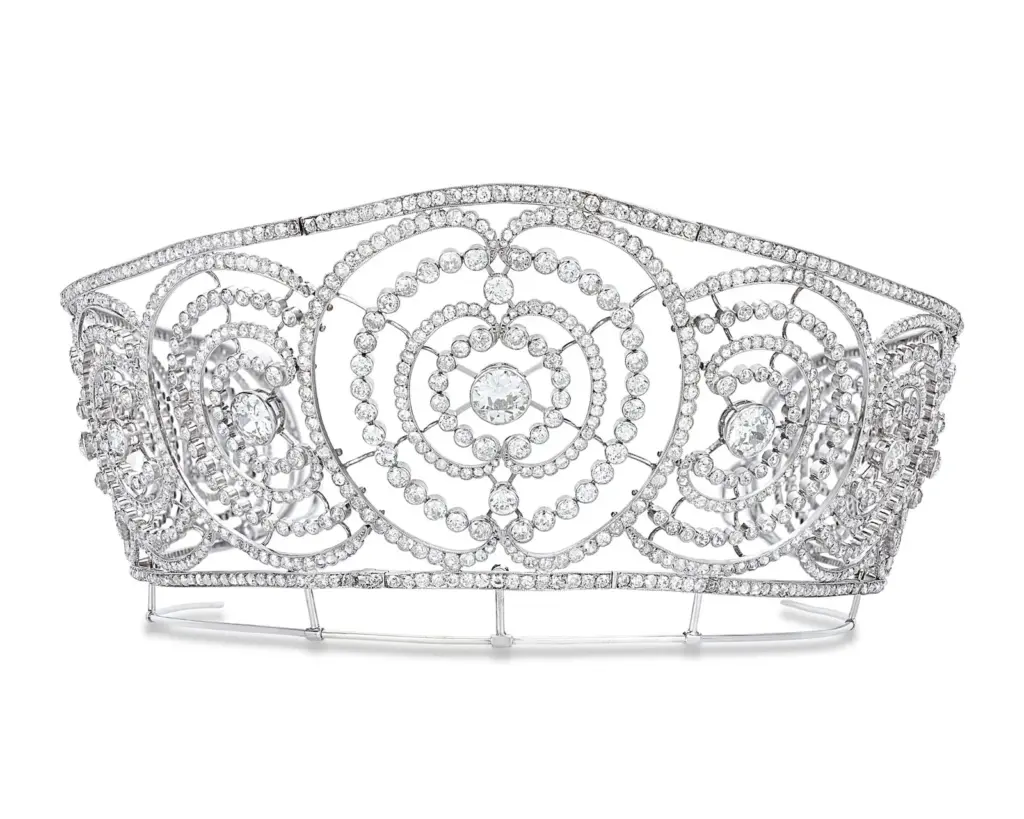
The Duchess of Alba inherited “the Russian” from her maternal grandmother, María del Rosario Gurtubay González de Castejón. In her memoir book, Cayetana de Alba describes the piece as “very dear and symbolic for the House and for me.” She wore it in her youth, and especially when she was married to her first husband, Luis Martínez de Irujo, an industrial engineer and lawyer. She also posed with it for official portraits taken by photographer Juan Gyenes. In the same book, she explains the reasons that led her to sell it: “I had to sell the Russian diadem so that Cayetano could buy a wonderful horse, Gigoló, and dedicate himself to riding and competing.” Cayetano, current Duke of Arjona, finally participated in the 1992 Barcelona Olympic Games, where he achieved fourth place with the team in the jumping discipline.
Read more The Government and Junts reopen channels to negotiate the extension of rentals
After that first sale, “the piece was exhibited at the Victoria & Albert Museum (London) as part of a show dedicated only to tiaras, and appeared alongside jewels from the Russian and French crowns that are rarely seen,” adds the note from the American gallery. Later, the last known information is that it was in the hands of jewelers and antique dealers Joseph Saidian and Sons, in New York.
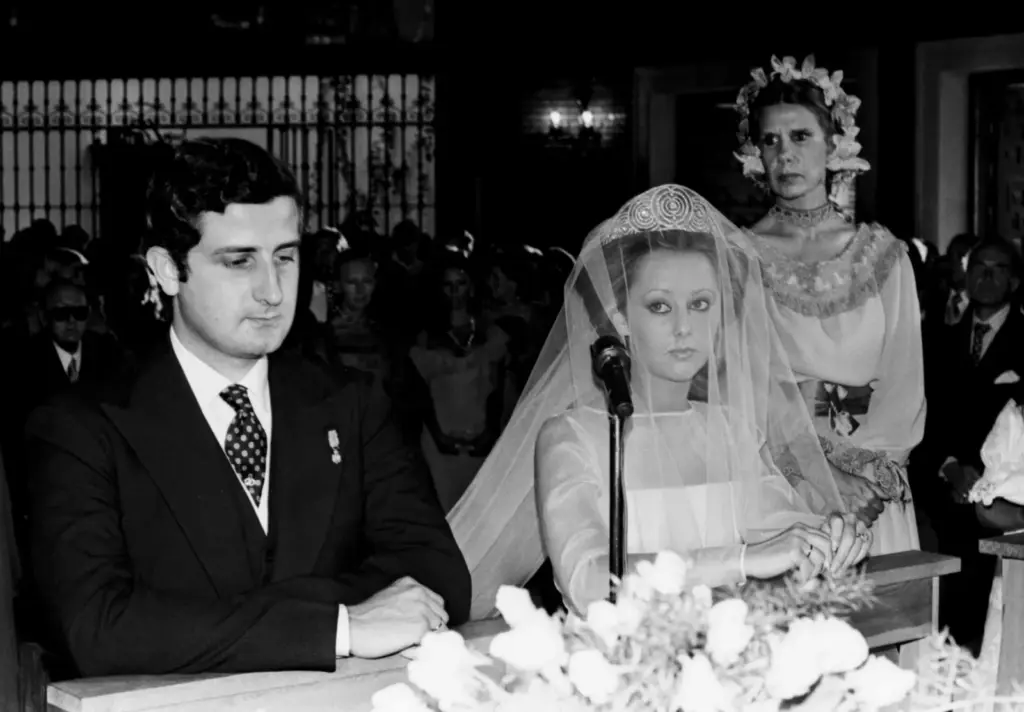
The tiara was worn by María de Hoenlohe-Langenburg when she married in July 1977 Alfonso, the second of the Duchess’s six children. Although she wore it reluctantly, as Cayetana de Alba also confessed in her memoirs (“The diadem incident already marked an unpleasant start with María, my first daughter-in-law”). A decade later, Matilde Solís-Beaumont also wore it at her wedding with Carlos, the eldest and current Duke of Alba. Both couples ended up separating.
Last March, during the TEFAF Art and Antiques Fair (Maastricht), M.S. Rau sold for 8.7 million euros a painting by the Impressionist painter Pierre-Auguste Renoir that had also belonged to the Duchess of Alba. Titled The Cherry Hat, this time the canvas was indeed part of the collection exhibited by the gallery owner. The buyer is a Spaniard who, according to Bill Rau, “wanted a work like this to return to Spain,” due to its cultural relevance.